Best Weighted Vest for Walking: What to Look For and Top Picks

Choosing the best weighted vest for walking comes down to comfort, fit, and adjustable load. The vest should hug your torso without bouncing, breathe well in warm weather, and let you scale weight gradually so your joints and posture stay happy as you progress.

How to choose the best weighted vest for walking

  • Fit and stability: Look for wide, padded shoulder straps and a secure front closure (Velcro or quick-release buckles). No side-to-side sway and minimal up-down bounce.
  • Weight range and adjustability: Start with 5–10% of bodyweight for easy walks, and progress toward 10–20% as your posture, feet, and hips adapt. Removable plates or small incremental pouches make progression smoother.
  • Breathability: Mesh panels and cutouts help manage heat on longer walks. A vest that runs cool keeps heart rate and RPE in check.
  • Profile and mobility: A low-profile front panel and contoured sides help arm swing and natural walking mechanics.
  • Materials and durability: Heavy-duty nylon, reinforced stitching, and quality hardware matter if you train 3–5 days per week.

Top weighted vest picks for walking

Wolf Tactical Adjustable Weighted Vest

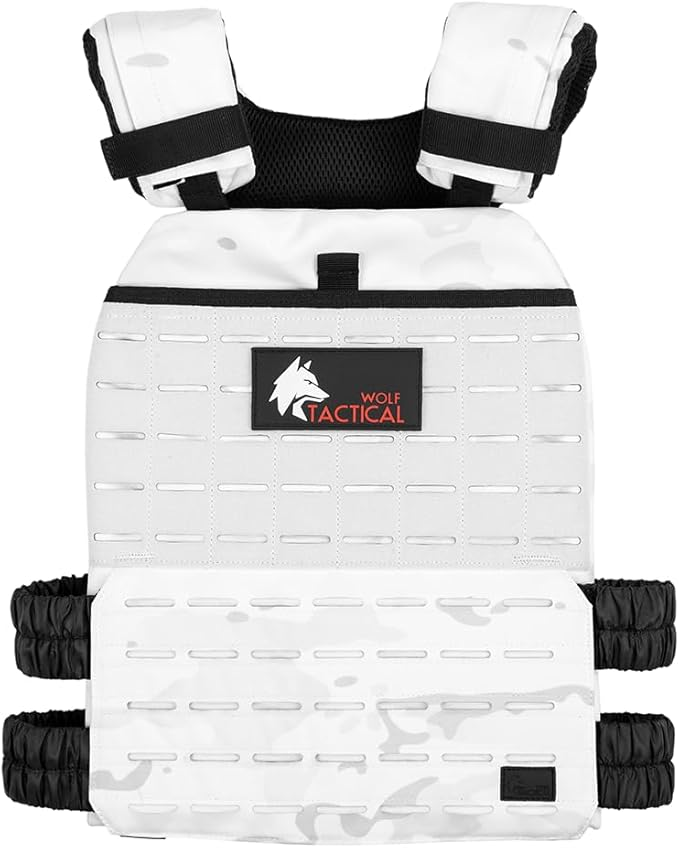
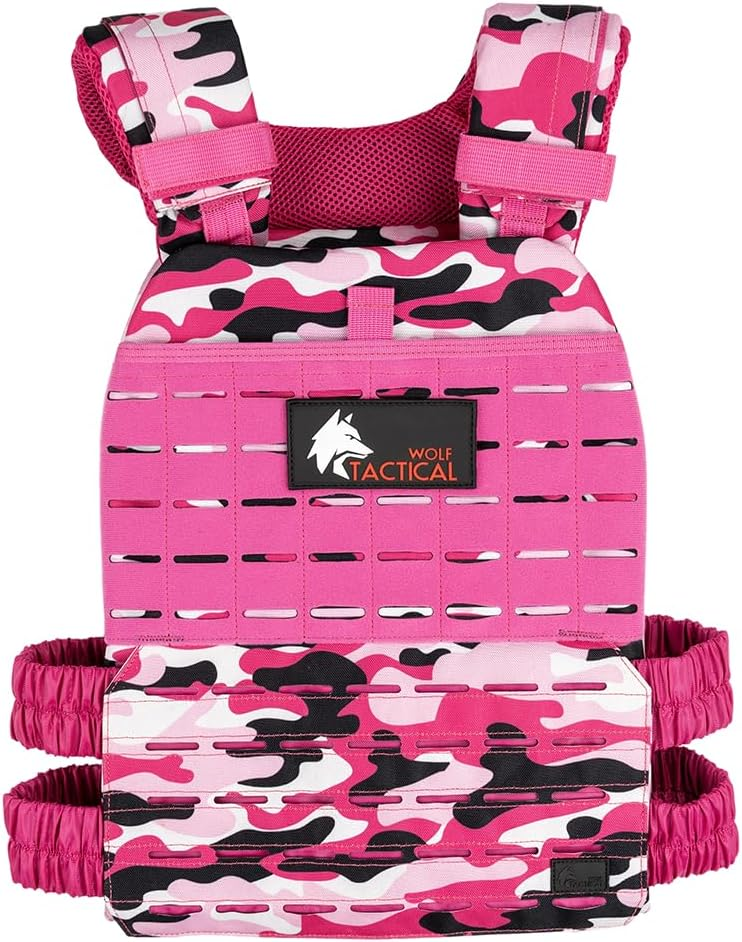
The Wolf Tactical Adjustable Weighted Vest balances comfort and stability with a compact plate design, making it an excellent daily walker. The shoulder contour and secure cummerbund reduce bounce, while ventilation helps on warmer days. It’s easy to scale from light to moderate loads as your mileage grows.

Wolf Tactical Adjustable Weighted Vest for comfortable walking and rucking
Wolf Tactical: stable, breathable, and adjustable for steady walking progress.

5.11 Tactical Unisex TacTec Trainer Weight Vest

If you value premium comfort and a secure, contoured fit, the 5.11 TacTec Trainer Weight Vest is a proven choice. The ergonomic shape keeps plates snug against the torso, limiting chafing during longer sessions. It’s rugged enough for daily use and handles sweat and weather well.

5.11 TacTec Trainer Weight Vest with breathable, contoured fit
5.11 TacTec: contoured, durable, and a favorite for longer, comfortable walks.

Lightweight beginner option (4–10 lb)

Prefer a soft, lighter start? The BAGAIL Adjustable Weighted Vest (4–10 lb) offers simple, even loading and a comfortable feel for easy daily walks or recovery days.

BAGAIL Adjustable 4–10 lb weighted vest for easy walking
BAGAIL: soft, light, and beginner-friendly for building the habit safely.

How much weight should you walk with?

  • Start light: 5–10% of bodyweight for 20–30 minutes, 2–3 days per week.
  • Progress gradually: Add 2–5 lb every 1–2 weeks or extend time by 5–10 minutes. Don’t jump both load and time in the same week.
  • Posture cues: Tall spine, ribs down, slight lean from the ankles, quiet foot strike, natural arm swing. If your form degrades, reduce load or time.
  • Footwear: Choose cushioned, supportive shoes or light hikers. Replace worn-out footwear to protect knees and hips.

Plan your sessions and track burn

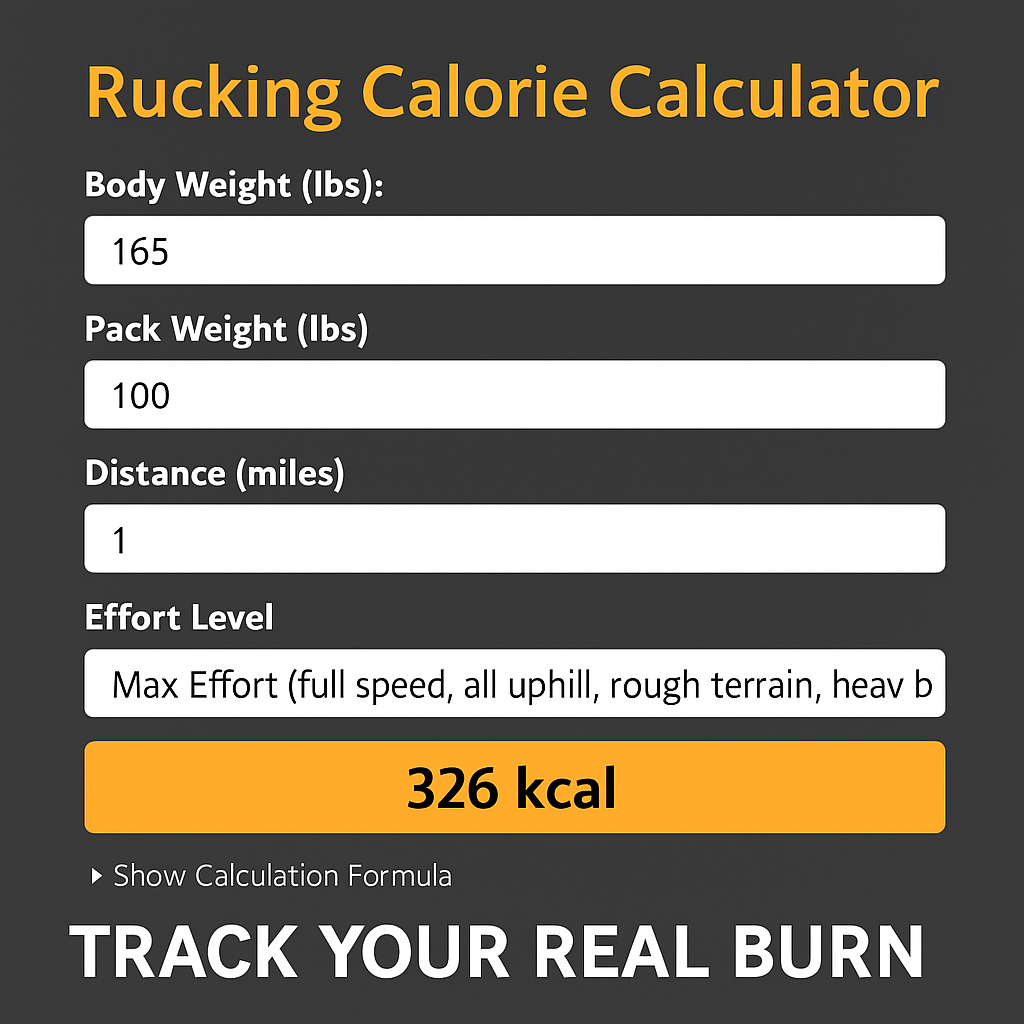
Walking with a weighted vest can noticeably increase your energy expenditure compared to unweighted walks. Use the calculator below to estimate your calorie burn based on pace, time, and load so you can set realistic weekly goals and recovery.

Try the Rucking Calorie Calculator to dial in your effort for weight management or conditioning.

Rucking Calorie Calculator screenshot for weighted vest walking
Estimate calories for your weighted walks and build a sustainable weekly plan.

Weekly structure to get started

  • Week 1–2: 2–3 walks, 20–30 minutes, light load (5–10% BW).
  • Week 3–4: Add 5–10 minutes to one walk; keep the other days the same.
  • Week 5+: Optionally add 2–5 lb or introduce a gentle hill once per week. Keep one easier recovery walk.

The best weighted vest for walking is the one you’ll wear consistently. Choose a stable, breathable vest, progress patiently, and let your weekly habit do the heavy lifting.

Posted in Weighted Vest Training | Tagged , , , , | Comments Off on Best Weighted Vest for Walking: What to Look For and Top Picks

Rogue Cast Weight Vest Plates: Fit, Use, and Practical Safety

Overview: Rogue cast weight vest plates

Rogue cast weight vest plates are dense, cast-metal inserts designed to add heavy, compact load to a weighted vest. They appeal to lifters and ruckers who want a minimal-profile, durable plate that stays low and centered on the torso. This guide covers compatibility, fit, training use, and safe practices so you can decide whether cast plates are the right tool for your weighted-vest work.

Fit and compatibility

Not all vests accept cast plates. Many modern vests use soft pockets or modular plate carriers sized for proprietary plates. Before buying Rogue cast plates, measure the internal pocket dimensions of your vest and check plate thickness. Cast plates tend to be thinner but denser than polymer or sand-filled inserts, which can help with balance—if they fit.

  • Confirm pocket width, height, and opening orientation.
  • Test placement low on the back or front to keep the center of gravity near your spine.
  • Consider a plate carrier built for metal inserts if you plan to go heavy long-term.

Durability and materials

Cast iron and steel plates are highly durable—no seams, no burst risk, and predictable weight. The trade-offs are noise, potential rust, and added sternum pressure if the vest lacks adequate padding. Use cloth sleeves or thin foam layers inside the pocket to protect both the vest and your skin when using raw cast plates.

Training uses: when cast plates shine

Cast plates are best when you want compact, heavy loading without a bulky profile. That makes them useful for:

  • Short, heavy rucks where you need maximum load in minimal space.
  • Weighted calisthenics where a low, stable center of mass reduces rocking.
  • Progressive strength overload—small incremental plates let you add 5–10 lbs reliably.

Safety and movement considerations

Heavy cast plates change how your body moves. Take these steps:

  • Start with lighter loads and work up—give your joints and connective tissue time to adapt.
  • Wear a well-fitted vest with solid retention so plates don’t shift during dynamic movements.
  • Protect your spine by keeping load centered and avoiding extreme forward lean on long walks.

Practical setup tips

Small changes make heavy cast plates feel more manageable:

  • Layer thin padding between plate and vest pocket to reduce rattling and pressure points.
  • Distribute weight across front and back when doing long-distance rucks to maintain posture.
  • Use a chest strap or sternum buckle to stabilize the vest if plates cause vertical shift.

Recommended alternative plates and carriers

If you want a product designed for extreme weighted-vest use, consider options built for heavy loads. The Kensui EZ-VEST® MAX V2 is built to accept very heavy loads and perform under hard sets and rucks; it’s ideal when planning 200–300+ lb training cycles.


Kensui EZ-VEST MAX V2 adjustable heavy weight vest
High-capacity vest for heavy cast plate training and max-load calisthenics.

For budget-friendly plate options sized for rucking, the Yes4All Ruck Weight Plate pairs well with soft vests and DIY carriers.


Yes4All ruck weight plate options for vests
Affordable ruck plates for progressive loading and DIY setups.

Estimate calorie impact

Curious how cast plate weight affects calorie burn during a ruck? Use the Rucking Calorie Calculator to estimate burn for weighted walks with plates. The calculator accounts for weight, pace, and load—helpful for planning sessions and recovery.

Rucking calorie calculator screenshot

Bottom line

Rogue cast weight vest plates are an excellent choice when you need compact, durable metal weight. Confirm fit, protect your vest and skin, and progress sensibly. If you plan heavy, frequent loading, use a purpose-built carrier like the Kensui EZ-VEST or pair plates with a stable ruck plate system such as Yes4All to get the safest, most productive results.

Posted in Weighted Vest Training | Tagged , , , | Comments Off on Rogue Cast Weight Vest Plates: Fit, Use, and Practical Safety

Weighted Plates for Plate Carrier: How to Choose and Use Them Safely

Why weighted plates for plate carrier matter

Weighted plates in a plate carrier are an efficient way to load your torso for rucking, tactical conditioning, and strength-endurance work. When you understand plate material, size, and distribution you get predictable movement mechanics, better posture, and fewer hotspots on long walks.

My approach (practical, progressive)

I’m Preston Shamblen, ISSA-certified, and I lost 90 lbs through rucking, weighted-vest training, and disciplined nutrition. I still recommend weighted vests and structured plate carriers as one of the most reliable ways to maintain a lower body weight and burn fat consistently. The rules below are what I use when advising clients or planning my own sessions.

Key differences: plate carrier plates vs ruck plates

  • Shape and fit: Plate carrier plates are flatter and sized to sit high on the chest and back; ruck plates are often rounded to sit lower in a backpack.
  • Material: Steel plates are thin and compact but can shift and create pressure points; rubber-coated or urethane plates (and purpose-made ruck plates) are more comfortable for long rucks.
  • Weight increments: Choose predictable increments—10 lb or 20 lb plates let you progress gradually without destabilizing posture.

How to choose the right plates

Consider these practical factors before you buy:

  • Purpose: Short, heavy carries and calisthenics favor dense steel or cartridge plates. Long-distance rucks favor padded or rubber plates and smaller increments.
  • Volume vs weight: If you want more weight without bulk, steel is smaller but harder on clothing and body; urethane or rubber is softer and more ruck-friendly.
  • Fit and coverage: Plates should cover the upper torso without restricting shoulder movement. If you feel pinching, change plate shape or carrier size.
  • Progression: Add weight in 5–10% bodyweight steps for rucks; for strength circuits you can increase more aggressively but prioritize technique.

Product picks for plate carrier use

For a plate carrier designed to handle training plates, I recommend a purpose-built carrier and ruck-style plates that minimize hotspots.


GORUCK Ruck Plate Carrier 3.0
GORUCK plate carrier built for secure plate fit and load stability on dynamic movement.

Consider the GORUCK Ruck Plate Carrier 3.0 when you want a stable platform for plates that stay put during high-step rucks and carries.


Yes4All ruck weight plate
Yes4All plates are affordable, available in standard increments, and ruck-friendly for progressive loading.

A reliable option for incremental loading is the Yes4All Ruck Weight Plate, especially if you want to add modest increments without reshaping your carrier.

Programming and safety checklist

  • Start with bodyweight-only walks to groove posture and breathing. Add plates after technique is stable.
  • Limit single-session increases to 5–10% bodyweight for endurance rucks; assess soreness and movement the next day.
  • Keep plates centered and low enough that they don’t force a forward-head posture—adjust carrier height or padding as needed.
  • Use padding or an inner plate sleeve to reduce chafing and pressure points on longer efforts.

Estimate your session impact

To estimate calorie burn and plan a progression, use the rucking calorie calculator below. It helps turn plate choices into training targets for weekly volume and energy intake.


Rucking calorie calculator screenshot

Final notes

Weighted plates for plate carrier are simple tools that deliver reliable results when matched to your goals: choose comfort and incremental loading for long rucks, or denser plates for short, heavy conditioning. Start conservative, track how your body responds, and use the calculator to quantify training load and recovery needs.

Posted in Weighted Vest Training | Tagged , , , , | Comments Off on Weighted Plates for Plate Carrier: How to Choose and Use Them Safely

Ready to Buy Weighted Vest? Fit, Weight, and Top Picks

Why a weighted vest and how to choose the right one

If you’re ready to buy weighted vest gear, you want something that adds load without wrecking your form. The best pick balances adjustability, comfort, and durability so you can progress safely from easy walks to tougher hill sessions, push-ups, pull-ups, and stair work.

Start with the right weight

  • Beginners: 5–10% of bodyweight for walks and basic calisthenics.
  • Intermediate: 10–20% of bodyweight for longer rucks, hills, and circuits.
  • Advanced: Only go heavier if you can maintain posture and breathing under load.

Adjustability matters. Fixed-plate vests feel sleek but lock you into a single weight. Modular systems let you progress in small steps (1–5 lb increments) so your joints and tendons adapt.

Fit, comfort, and stability

  • Straps: Look for wide, easily adjustable shoulder and side straps to prevent bouncing.
  • Profile length: Shorter profiles keep the vest off your hips and out of your way during squats, lunges, and running drills.
  • Airflow: Mesh channels and abrasion-resistant fabric reduce heat and hotspots on long walks.
  • Quiet carry: Low-noise materials and snug plates help on runs and stairs.

Match the vest to your goal

  • Walking/rucking: Prioritize comfort, breathability, and weight balance for longer durations.
  • Calisthenics: Choose a stable, close-to-body fit that won’t shift during push-ups, dips, and pull-ups.
  • Intervals/hills: A secure, high-riding vest reduces bounce and protects the diaphragm so you can breathe under stress.

Trainer-recommended picks

For most athletes who want dependable fit and smart progression, I like these two options:

Wolf Tactical Adjustable Weighted Vest — a breathable, budget-friendly choice with solid adjustability that suits walks, circuits, and beginner rucks.

Wolf Tactical Adjustable Weighted Vest for walking and rucking
Wolf Tactical vest: adjustable load, breathable build, and secure fit for daily weighted walks and calisthenics.

5.11 Tactical Unisex TacTec Trainer Weight Vest — premium comfort and durability with an ergonomic cut that shines during longer sessions and higher-intensity work.

5.11 TacTec Trainer Weight Vest with ergonomic fit
5.11 TacTec: ergonomic, durable, and stable under speed and load for serious training.

Sizing and progression plan

  • Measure torso: If you’re between sizes, choose the smaller for a tighter lock-down.
  • Progression: Add 1–5 lb every 1–2 weeks once pace and breathing feel normal.
  • Cadence: Keep a conversational pace for walking; shorten your stride for hills and stairs.
  • Technique: Stand tall, ribs down, and drive through the midfoot; avoid overstriding.

Estimate your calorie burn

Want a quick way to estimate session intensity? Use this simple tool for weighted walks, rucking, or vest workouts. Enter your bodyweight, load, pace, and time to get an estimate.

Rucking and weighted-vest calorie calculator screenshot
Calculate calorie burn for your weighted-vest sessions with the rucking calorie calculator.

Safety checklist

  • Warm up 5–10 minutes: hips, ankles, and T-spine.
  • Footwear: Choose supportive shoes with enough midsole to handle the load.
  • Surface: Start on flat, even routes before moving to trails or stairs.
  • Recovery: Hydrate, walk down the load on easy days, and sleep 7–9 hours.

Bottom line: when you buy weighted vest gear, prioritize adjustable load, secure fit, and breathable materials. Start light, progress patiently, and let your form and breathing be the guide.

Posted in Weighted Vest Training | Tagged , , , , , | Comments Off on Ready to Buy Weighted Vest? Fit, Weight, and Top Picks

CPAT weight vest: training guide for test-specific conditioning

Why a CPAT weight vest helps your test prep

Training with a CPAT weight vest is one of the most practical ways to replicate the load and movement patterns you’ll face on test day. A vest lets you add progressive resistance while keeping your center of mass close to your chest — that translates directly to stair climbs, hose drags, and ladder raises without changing your movement mechanics.

Key benefits

  • Specificity: simulates gear weight without altering stride or posture.
  • Progressive overload: add plates or increments as your conditioning improves.
  • Versatility: use for intervals, ruck-based endurance, or circuit work that mirrors CPAT stations.

Choosing a vest for CPAT training

Prioritize fit, breathability, and secure plate pockets. For most CPAT candidates a simple, low-profile weight vest that distributes load evenly across the chest and back is ideal — you want to mimic the way turnout gear and an SCBA pack move you, not change your gait.

For a reliable, budget-friendly option that works well for beginners and higher-rep conditioning, consider the Wolf Tactical Simple Weighted Vest. It lays flat against the torso and accepts small increments so you can progress safely.


Wolf Tactical Simple Weighted Vest for CPAT training
Simple, low-profile vest for CPAT-style conditioning and high-rep work.

If you plan to incorporate pack carries, stair climbs with a load, or gear-transition drills, a ruck like the GORUCK Rucker 4.0 20L is a solid complementary tool — especially for long, loaded walks and sandbag carries.


GORUCK Rucker 4.0 20L for CPAT ruck carries
Durable ruck for load-carrying work that complements vest-based CPAT drills.

Sample 8-week CPAT vest program

The goal is specificity first, volume second. Start with light, consistent sessions and add weight or interval difficulty every 7–10 days.

  • Weeks 1–2: 2–3 sessions/week. 10–20 minutes of steady stair or step-ups with 10–20% bodyweight in the vest.
  • Weeks 3–4: Add interval sessions: 6 x 2-minute stair efforts with 90s rest. Keep weight manageable so form stays strong.
  • Weeks 5–6: Simulated station circuits (drag, carry, ladder) wearing vest. 3–4 rounds, controlled pace, increasing weight by 5–10% if recovery stays good.
  • Weeks 7–8: Full-mock CPAT efforts at test intensity but scaled volume — practice transitions while wearing the vest to build economy.

Safety and programming tips

  • Warm up dynamically and prioritize hip hinge mechanics for drags and carries.
  • If you feel back pain or compromised breathing, back off weight and focus on conditioning.
  • Balance vest work with strength: posterior chain strength (glutes, hamstrings) reduces injury risk.

Track effort and calories

Track session intensity and estimated calories burned to manage recovery and fueling. Use the rucking calorie calculator below to estimate session energy needs for weighted walks and stair sessions — it’s an easy way to plan nutrition around training days.


Rucking Calorie Calculator screenshot

Putting it together

Train with a CPAT weight vest to replicate the feel of gear, progress weight conservatively, and combine vest sessions with functional strength work. Use the calorie calculator to guide fueling, and test regularly under simulated conditions so test-day pacing is second nature.

Consistency beats maximal effort — a well-fit vest used sensibly over 8–12 weeks will produce measurable improvements in station economy and confidence on test day.

Posted in Weighted Vest Training | Tagged , , , , | Comments Off on CPAT weight vest: training guide for test-specific conditioning

Best Adjustable Weighted Vest for Rucking and Everyday Training

Why choose an adjustable weighted vest?

When you want to add consistent, scalable load to walking, rucking, or bodyweight work, an adjustable weighted vest is the most practical solution. Adjustability lets you increase load as your fitness improves, distribute weight for comfort, and use the same vest for short high-intensity sessions or longer rucks. Below I lay out what to prioritize when shopping and how to use a vest safely outdoors.

Key features to evaluate

  • Fit and adjustability — look for multiple anchor points and internal pockets that let you fine-tune front-to-back balance.
  • Plate vs. soft weights — plate-compatible vests are more durable and sit closer to your torso for heavy sets; soft shot packs are quieter and more flexible for long walks.
  • Breathability and chafe protection — padded shoulder straps and smooth seams matter when you’re moving for over an hour.
  • Range of weight — a good adjustable vest will let beginners start around 10–20% of bodyweight and scale up toward heavier training as form and joint strength improve.

Top picks and what they’re best for

For most ruckers and general fitness athletes I recommend options that combine fit, adjustability, and durability. If you want a simple, reliable choice that’s comfortable for walking and interval work, consider the Wolf Tactical line and the 5.11 TacTec for a more performance-focused fit.


Wolf Tactical Adjustable Weighted Vest
Wolf Tactical Adjustable Weighted Vest — comfortable, beginner-friendly, and easy to dial in weight.

Another solid option for athletes who want a snug, training-oriented fit is the 5.11 TacTec Trainer Weight Vest. It’s built with heavy training and calisthenics in mind and keeps plates close to the torso for safer loading during dynamic movement.


5.11 TacTec Trainer Weight Vest
5.11 TacTec Trainer — performance fit for calisthenics and high-intensity weighted work.

How to pick the right weight and avoid common mistakes

Start light and prioritize posture. For rucking, begin with 5–15% of bodyweight and increase no more than 5% every 2–4 weeks, depending on recovery. For strength or calisthenics sessions, a snug plate-based setup may be preferable because it won’t shift during pull-ups or squats.

  • Always test a new vest on short walks to identify hotspots and chafing before long outings.
  • Distribute load evenly — front-heavy setups change gait and can cause low-back stress.
  • Use padded straps and thin base layers to reduce rubbing during long rucks.

Calculate calorie burn and plan progress

Once you know your typical ruck pace, weight, and duration, use the calculator below to estimate calorie burn and adjust nutrition or weekly volume. I use this same approach when planning progressive weight increases.


Rucking Calorie Calculator screenshot

Practical recommendations

Buy a vest that fits your primary use: lighter, breathable, adjustable vests for long rucks; plate-compatible vests for heavy training. If you’re new, the Wolf Tactical Adjustable Weighted Vest is an easy starting point because of its comfort and modularity. As you progress, a performance vest like the 5.11 TacTec gives a tighter profile for intense movements.

Preston Shamblen before and after 90 lb weight loss through weighted-vest training and rucking
Preston Shamblen’s 90 lb transformation achieved through consistent weighted-vest work, rucking, and strength training.

Preston Shamblen lost 90 lbs using rucking, weighted-vest training, and disciplined nutrition and still recommends adjustable vests as a reliable tool to maintain lower body weight and burn fat consistently. Start conservative, track progress with the calculator above, and protect your joints by prioritizing fit and gradual increases.

Posted in Weighted Vest Training | Tagged , , , , | Comments Off on Best Adjustable Weighted Vest for Rucking and Everyday Training

Best Vest for Murph: Choosing the Right Weighted Vest

Why vest choice matters for Murph

Murph is a test of endurance, strength, and durability: a 1-mile run, 100 pull-ups, 200 push-ups, 300 squats, and another 1-mile run while wearing a weight vest. The right vest balances secure loading, mobility for high-rep calisthenics, and durability for repeated outdoor use. Pick a vest that stays put during pull-ups, doesn’t dig in during push-ups, and lets you move efficiently on the run.

Primary selection criteria

  • Fit and stability: A vest that rides high and stays tight prevents shifting during pull-ups and helps protect your spine during running.
  • Weight distribution: Plate-based or granule vests perform differently — plates give predictable balance; granular vests spread load but can shift if not contained.
  • Mobility: Look for cut lines and shoulder design that allow full range on push-ups and pull-ups without chafing.
  • Durability: Reinforced stitching and quality materials matter when you train outside in wet or abrasive conditions.
  • Adjustment and ventilation: Adjustable straps and breathable panels reduce hot-spotting during long Murphs or repeats.

Top vest style for Murph: plate-capable, high-load vests

For a heavy, competition-style Murph (20 lb for men, 14 lb for women, or scaled higher), plate-capable vests give the most secure, repeatable experience. Plates stay in place on pull-ups and avoid sloshing like some granular vests can. If you plan progressive overload—adding 10–40+ lb over time—opt for a vest engineered for heavy plates and strong attachment points.

Recommended models to consider

For high-rep calisthenics and heavy loading, the Kensui EZ-VEST® MAX V2 is built for big plates and rigorous use, while a TacTec-style training vest gives a balance of low-profile fit and comfort for bodyweight work.

Kensui EZ-VEST® MAX V2 is ideal when your priority is heavy, locked-in plates and durability.


Kensui EZ-VEST MAX V2 weighted vest for heavy Murph training
High-capacity vest for heavy plate loading and secure fit in long Murph sessions.

5.11 Tactical Unisex TacTec Trainer Weight Vest is a low-profile alternative that keeps the weight close to the body and preserves shoulder movement for push-ups and pull-ups.


5.11 TacTec trainer vest for Murph and bodyweight workouts
Low-profile training vest that favors mobility and a snug fit for repetitive calisthenics.

Programming and practical tips

Train the specific demand of Murph: practice pull-up-to-push-up transitions with the vest on so you learn how it shifts under movement. Start lighter to build technique: unbroken sets are easier with a snug, compressed vest. If you get hot spots under the shoulders during push-ups, add thin padding or tape and check strap placement.

Warm-up and run pacing

  • Warm shoulders and lats before loading up; do banded pull-aparts and light ring rows.
  • Run the mile at a pace that leaves you fresh for the first round of calisthenics; a vest increases perceived effort significantly.
  • After Murph, prioritize mobility and soft-tissue work—weighted reps can create localized tightness that compromises form.

Estimate your effort

Curious how a weighted vest will change calorie burn or effort for an event like Murph? Use the rucking calorie calculator to approximate added metabolic cost based on your weight and carried load.


Rucking calorie calculator screenshot

Choose a vest that lets you move well under load. For most athletes doing Murph regularly, a plate-capable vest like the Kensui gives the most consistent performance; for athletes prioritizing mobility and lower-profile fit, the TacTec-style option is a strong alternative. Train in your vest before the event—comfort and confidence under load trump small differences in headline specs.

Posted in Weighted Vest Training | Tagged , , , , | Comments Off on Best Vest for Murph: Choosing the Right Weighted Vest

Best Weighted Vest for CrossFit: What to Look For and Top Picks

Choosing the best weighted vest for CrossFit comes down to movement, fit, and durability. Whether you’re training for Murph, adding load to runs and pull-ups, or layering intensity into metcons, your vest has to stay tight, breathe well, and handle drops and sweat.

What makes a CrossFit-ready weighted vest

  • Stable fit under speed: No bounce on runs, box jumps, or burpees.
  • Plates or compact load: Plate carriers keep weight high and tight; pocket-style vests allow micro-adjustments.
  • Fast adjustability: Quick straps for over a T-shirt or winter layers.
  • Breathability: Mesh and spacer fabrics prevent hot spots and trap less sweat.
  • Range of motion: Low-profile shoulders so you can kip, press, and go overhead.
  • Durability: Abrasion-resistant fabric, reinforced stitching, and secure plate sleeves.

Standard CrossFit loads are 20 lb (men) and 14 lb (women) for Murph, but you should scale based on your current run pace, pull-up capacity, and shoulder health.

How to pick your weight and progress it

  • Start at 10–12 lb if you’re new to loaded calisthenics, then add 2–4 lb every 1–2 weeks.
  • On long workouts with high reps (e.g., Murph), choose a weight that lets you keep clean movement quality from start to finish.
  • For interval work or short metcons, you can go heavier as long as your form on pull-ups, push-ups, and squats remains solid.

Top picks for CrossFit-style training

5.11 Tactical Unisex TacTec Trainer Weight Vest

The 5.11 Tactical Unisex TacTec Trainer Weight Vest is the classic Murph plate carrier for a reason. It rides high, distributes load across the torso, and cinches down tight so you can run and kip without slap or sway. The shoulder contour keeps the bar path clear for thrusters and push presses. Compatible with standard vest plates.

5.11 Tactical TacTec Trainer Weight Vest for CrossFit, Murph, and running
5.11 TacTec Trainer: proven plate-carrier stability for runs, pull-ups, and high-rep WODs.

WOLF TACTICAL Simple Weighted Vest (Men/Women)

The WOLF TACTICAL Simple Weighted Vest offers a sleek, budget-friendly profile that locks down well for sprints and burpees. It’s plate-compatible, easy to size, and low bulk—great if you want Murph-ready stability without a premium price tag.

WOLF TACTICAL Simple Weighted Vest for CrossFit and Murph
Wolf Tactical Simple Vest: compact fit, strong value, and plate-compatible for classic WODs.

WOLF TACTICAL Weight Vest Plates (pairs)

Pair your carrier with WOLF TACTICAL Weight Vest Plates to dial in 14 or 20 lb standards—or micro-progress in training cycles. Rounded edges reduce fabric wear, and balanced sizing keeps the load centered.

WOLF TACTICAL Weight Vest Plates pairs for plate carriers
Wolf Tactical Plates: clean fit, smooth edges, and easy weight targets for CrossFit benchmarks.

Fit and comfort tips

  • Set the vest high and tight: The bottom edge should sit above your belly button to protect hip crease movement and keep the plate centered.
  • Pull side straps evenly: Small, even tension changes prevent breathing restriction.
  • Mind the shirt: A snug, sweat-wicking top reduces chafe at the collarbone and underarms.
  • Test impact: Do 20–30 seconds of running in place and 10 burpees before the WOD to confirm no bounce.

Estimate your calorie burn with a vest

Curious how much energy you’re expending when you add a vest to runs or long sets? Use the Rucking Calorie Calculator to estimate calories for weighted walking or running. It works well for vest sessions when you input your distance, time, bodyweight, and added load.

Rucking calorie calculator screenshot for estimating weighted vest calorie burn

Safety and programming notes

  • Maintain standards: The vest should not alter depth on squats or lockout on push-ups.
  • Respect shoulders: If kipping volume is high, consider a slightly lighter load to keep reps crisp.
  • Progress gradually: Add load or volume—not both at once.
  • Recover well: Hydrate, cool down, and manage upper-back and pec mobility after weighted pull-ups.

Pick a vest that moves with you, not against you, and your training will feel smoother from warm-up run to final rep.

Posted in Weighted Vest Training | Tagged , , , , | Comments Off on Best Weighted Vest for CrossFit: What to Look For and Top Picks

Most comfortable weighted vest for long rucks and daily wear

Why the most comfortable weighted vest matters

Comfort is the top variable that determines whether you use a weighted vest consistently. A vest that fits poorly causes chafing, hot spots, and compensatory movement that ruins posture and reduces training efficiency. This guide focuses on practical fit, padding, and ventilation so you can choose the most comfortable weighted vest for long walks, daily conditioning, or regular rucking.

Key comfort features to prioritize

  • Adjustable fit — shoulder and waist straps that lock the load against your torso without pinching.
  • Padded contact points — soft shoulder and sternum pads reduce pressure on bones and soft tissue.
  • Load distribution — internal plate pockets or evenly spaced sand/plate pockets spread weight left-to-right and top-to-bottom.
  • Breathability — mesh back panels and low-bulk shells reduce sweat buildup on longer efforts.
  • Range-of-motion — armholes and torso cut should allow normal walking, climbing, and shoulder movement.

How to test a vest for comfort before committing

Even the best specs mean little without testing. Try these steps in order:

  • Wear the vest with a light load for 10–15 minutes while walking briskly to identify hot spots.
  • Load it progressively: start at 10–20% bodyweight and add until you reach your target training load.
  • Check for pressure over the neck, collarbone, underarms, and lower ribs—these are common problem zones.
  • Practice putting it on and off; a vest that’s a pain to don will stay in the closet.

Top comfortable vest choices (what I look for)

For everyday comfort and beginner-friendly wear, soft padding, and flexible adjustment are the priority. Two dependable options I recommend testing are the WOLF TACTICAL Simple Weighted Vest and the 5.11 TacTec Trainer Weight Vest. Both are built for repeatable comfort on walks and rucks while providing useful load options.


WOLF TACTICAL Simple Weighted Vest for comfortable walking and rucking
WOLF TACTICAL Simple Weighted Vest—designed for comfort and low-profile wear during long walks and rucks.

WOLF TACTICAL Simple Weighted Vest is worth trying when comfort and daily use are the priority. It has soft shoulder padding and a slim profile that reduces chafe during long sessions. Try the vest with lower loads first and dial in the waist tension.


5.11 TacTec Trainer Weight Vest durable, cushioned vest
5.11 TacTec Trainer Weight Vest—durable construction with ergonomic padding for consistent long-term use.

The 5.11 TacTec Trainer Weight Vest provides durable padding and a stable fit that reduces bounce. It’s a great middle ground if you want a vest that handles both walks and higher-intensity intervals without excessive bulk.

Practical setup tips to maximize comfort

Use these quick adjustments to make any vest more comfortable:

  • Place thin adhesive moleskin over hotspots to prevent rubbing during break-in.
  • Move heavier plates lower on the torso to prevent shoulder overload and improve posture.
  • Wear a moisture-wicking base layer; cotton traps sweat and increases friction.
  • Break in new vests with short sessions and gradually increase duration.

Estimate your calorie burn while training

Knowing how many calories you burn while wearing a vest helps plan recovery and nutrition. Use this rucking calorie calculator to estimate energy expenditure for weighted walks and rucks:

Open the rucking calorie calculator

Rucking calorie calculator screenshot

Final guidance

Comfort is personal—try before you buy when possible and prioritize padding, adjustable fit, and breathability. A comfortable vest gets used; a painful one does not. Start light, adjust placement, and treat the vest like any piece of performance gear: test it in short sessions, refine fit, and you’ll find the most comfortable weighted vest for your routine.

Posted in Weighted Vest Training | Tagged , , , , | Comments Off on Most comfortable weighted vest for long rucks and daily wear

Weight jacket for running: how to use one safely and effectively

Why use a weight jacket for running?

Adding external load with a weight jacket is one of the most efficient ways to increase intensity without changing pace. Done correctly, it improves strength endurance, increases calorie burn, and preserves running mechanics more than clumsy backpacks do. This guide covers safe loading progressions, fit and comfort, pacing adjustments, and a simple way to estimate the added calorie cost of wearing a vest while you run.

Key principles before you put weight on

  • Start light: begin with 2–5% of bodyweight and progress slowly.
  • Prioritize form: keep cadence, posture, and breathing intact before adding weight.
  • Short sessions first: use the vest for 10–20 minute runs and build time.
  • Recovery matters: weighted running is more taxing—don’t ignore sleep and nutrition.

Choosing the right vest for running

For running, choose a vest designed for close fit and minimal bounce. Two reliable options are the WOLF TACTICAL Simple Weighted Vest (Men/Women) and the 5.11 Tactical Unisex TacTec Trainer Weight Vest. Both sit low and tight, reducing shoulder strain and chafing during repeated strides.


WOLF TACTICAL Simple Weighted Vest for running
WOLF TACTICAL Simple Weighted Vest: close fit for running and rucking without bounce.

5.11 TacTec Trainer Weight Vest for running
5.11 TacTec Trainer: adjustable plates, low-profile design for tempo runs and intervals.

How to program weighted runs

Use a conservative progression and alternate weighted runs with bodyweight or easy runs. A sample four-week progression for a novice:

  • Week 1: 10 minutes at easy pace, 2–3 sessions, 2–5% bodyweight.
  • Week 2: 15 minutes, 2 sessions, keep the same load or add 1–2 lb if comfortable.
  • Week 3: 20 minutes, include one short interval session, maintain load.
  • Week 4: increase load slightly or add a third session only if recovery is good.

Pacing and perceived exertion

Your pace will drop when you add weight; use rate of perceived exertion (RPE) instead of strict pace to guide workouts. A weighted easy run should feel like a normal easy run +1–2 RPE points. Intervals should still feel like high effort but with strict attention to form.

Estimate the added calorie cost

Want an idea of how many extra calories a weight jacket burns on your run? Use the Rucking Calorie Calculator tailored for weighted vests and rucks to estimate calorie burn by pace, weight, and vest load. Plug in your numbers to see the difference a small amount of weight makes.


Rucking calorie calculator screenshot
Use the rucking calorie calculator to compare calorie burn with and without a weight jacket.

Common issues and fixes

  • Chafing: wear a thin, seamless base layer and ensure vest sits snugly.
  • Lower back discomfort: reduce load and improve hip/glute activation through strength work.
  • Breathing difficulty: lower intensity and increase cadence slightly to re-establish rhythm.

Weighted running is a powerful tool when used carefully. Treat it like strength work for your aerobic system: progressive, intentional, and limited in frequency. If you’re new to weighted running, start with short efforts using a close-fitting vest like the WOLF TACTICAL Simple Weighted Vest or the 5.11 TacTec Trainer, monitor recovery, and use the calculator above to track the extra energy cost.

Posted in Weighted Vest Training | Tagged , , , , | Comments Off on Weight jacket for running: how to use one safely and effectively