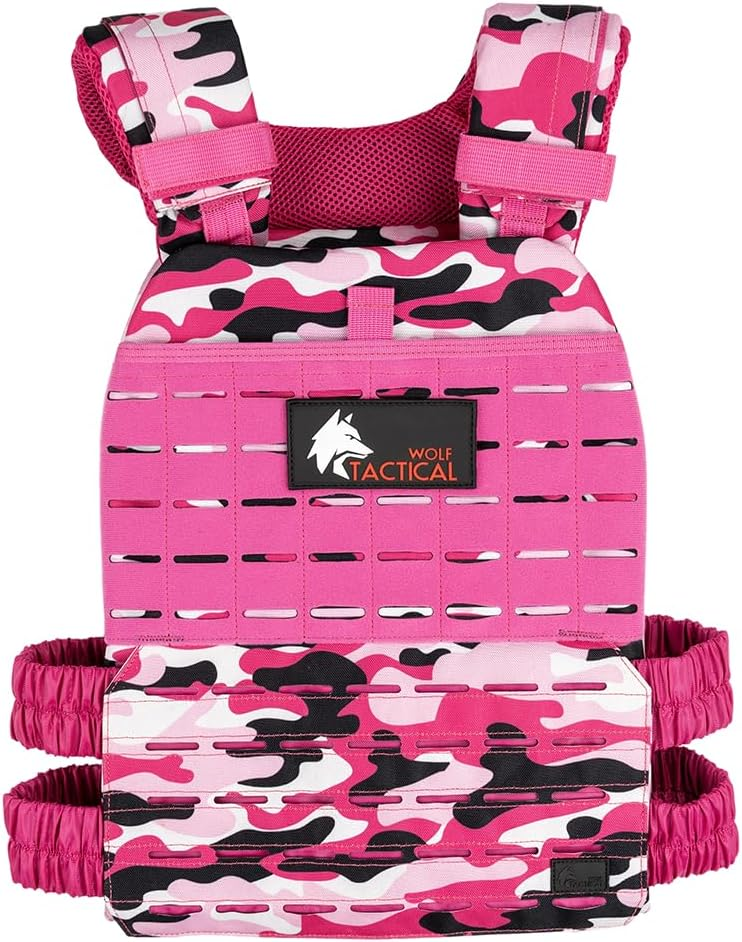
Rogue plate carrier weights: how to load and train safely

How to think about Rogue plate carrier weights

Rogue-style plate carriers are a useful way to add concentrated load for calisthenics, tactical training, and rucking-style walks. The key with plate carrier weights is not simply how much you can fit, but how you distribute the weight, progress it over time, and protect your spine and joints.

Start with these principles

  • Prioritize even front/back balance: a plate only in front throws posture and increases lumbar strain.
  • Progress in small increments: add 5–10% bodyweight in small steps, especially for heavier carriers.
  • Control the load during dynamic movements: plates shift less when the carrier fits snugly.
  • Listen to pain signals: shoulder, neck, or lower-back pain means reduce weight, fix fit, or change training.

Choosing plates for a plate carrier

Not all plates are created equal for a plate carrier. Thin steel or polycarbonate plates allow more loading in a tight carrier, while thicker Olympic plates are often impractical. For a balanced approach, consider pairs of smaller plates that can be split between front and back, or thin plates designed for carriers.

Recommended products for different goals

If you want a dedicated plate-carrier solution for heavier, stronger loading, look for gear that fits your torso and secures plates close. For longer rucks with a plate carrier-style setup or if you want durability, a rigid plate carrier is preferable.


GORUCK Ruck Plate Carrier 3.0
GORUCK Ruck Plate Carrier 3.0: durable fit and modular plate pockets for more secure load carriage.

For strength-first athletes who plan very heavy loading or high-volume calisthenics with plates, a heavy-capacity vest such as the Kensui EZ-VEST® MAX V2 lets you stack weight safely while maintaining range of motion.


Kensui EZ-VEST MAX V2 heavy capacity weighted vest
Kensui EZ-VEST MAX V2: built for very heavy, progressive plate loading and strength work.

Programming and safety

Use the plate carrier for targeted sessions: short ruck-style walks, loaded carries, or weighted calisthenics. Don’t treat a plate carrier like a long-distance pack unless the fit is perfect. For programming:

  • Begin with 10–20 minute unloaded practice walks, gradually adding 5–10 minutes as you adapt.
  • For strength sessions, use 3–6 sets of 6–12 reps for squats, lunges, and push variations while loaded.
  • Include mobility and posterior-chain work to offset flexion bias from front-loaded carriers.

Estimate calorie cost and energy needs

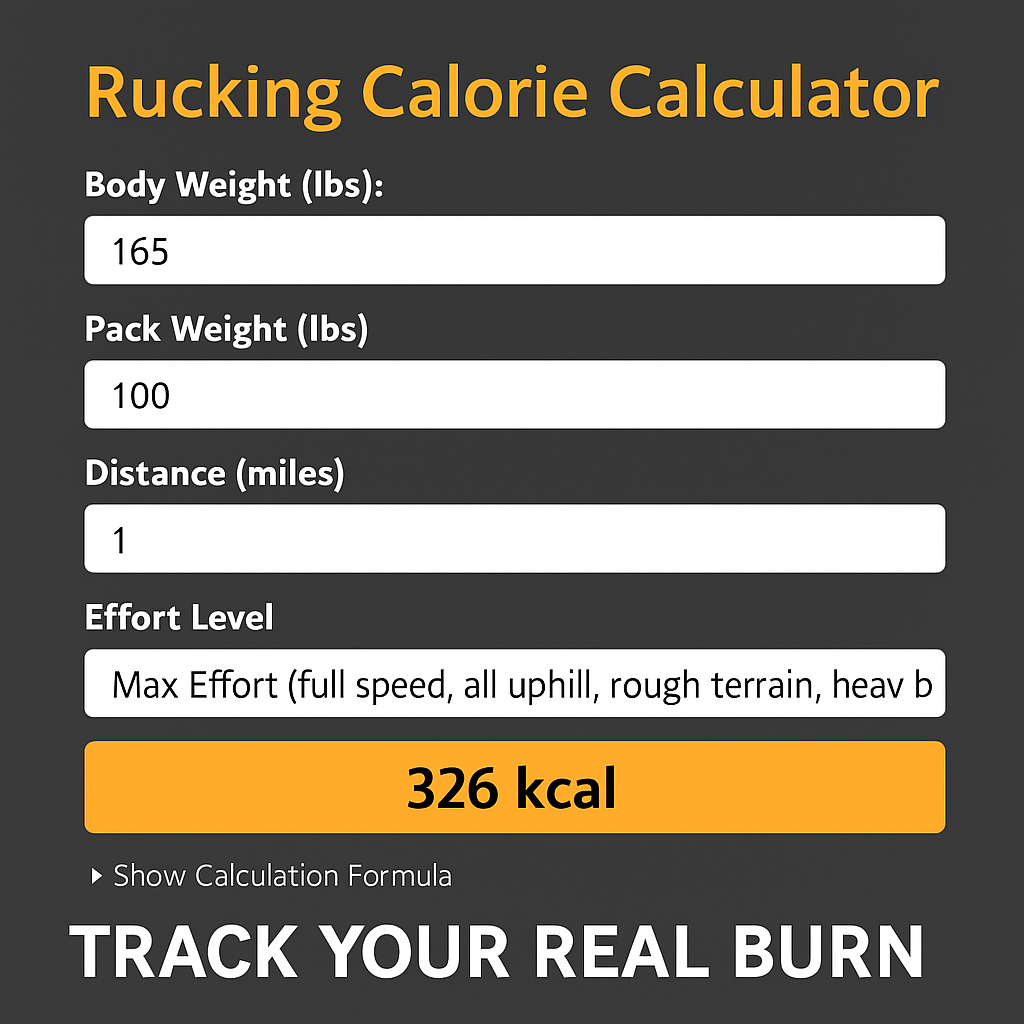
Rucking or walking with plates increases calorie burn. Use the rucking calorie calculator to estimate how many calories a loaded session costs and plan nutrition around recovery:

Use the Rucking Calorie Calculator

Rucking calorie calculator screenshot

Final tips

Always prioritize fit and retention over simply loading the most weight. If plates shift, the effective demand on stabilizers and the risk of injury both rise. For mixed long-distance and tactical-style work, pair a plate carrier with a proper hydration and gear solution when needed. Practice progressive overload, track your sessions, and adjust based on how your body responds.

When in doubt, start lighter, refine the fit, and build strength around the load rather than relying on brute weight increases.

Posted in Weighted Vest Training | Tagged , , , , | Comments Off on Rogue plate carrier weights: how to load and train safely

CrossFit Weight Vest Plates: Choosing Plates for WODs and Strength

Why plate choice matters for CrossFit and weighted calisthenics

CrossFit-style WODs and weighted calisthenics demand a different approach to weighted vest plates than long rucks or steady-state walks. You’re not just adding mass — you’re changing movement mechanics, contact points, and how load shifts during dynamic movements. Pick plates that keep the center of mass close to your torso, are secure under high-impact reps, and allow incremental progression for safe programming.

Primary considerations when selecting plates

  • Profile and fit — Low-profile, flat plates sit closer to the body and reduce bounce during burpees, box jumps, and muscle-ups.
  • Incremental loading — Plates in small increments (2.5–5 lb) let you microload progressions without disrupting technique.
  • Material and durability — Solid steel or dense composite plates resist deformation and stay seated in the vest pockets under repeated impact.
  • Weight distribution — Even distribution front/back and left/right prevents rotational torque during dynamic lifts and gymnastics.
  • Compatibility — Confirm the plate dimensions fit your vest’s pockets; plate shape (round vs. rectangular) can affect snugness.

Recommended plates for CrossFit-style vest work

For high-intensity interval work and skill-based movements, I favor purpose-built plate systems that lock low and flat. For heavy calisthenics and strength-focused loading, the Kensui EZ-VEST® MAX V2 is designed for large capacities and stable, evenly distributed weight. If you want simple, inexpensive plates that stack predictably inside vest pockets, the Yes4All ruck plates are a reliable option.

When you mention specific products, consider how they match your training goals.


Kensui EZ-VEST MAX V2 heavy-duty weight vest
High-capacity Kensui EZ-VEST MAX V2 — ideal for heavy calisthenics and strength-focused vest work.

Yes4All ruck weight plates in various sizes
Yes4All ruck plates — economical, predictable stacking for incremental progressions.

Programming and progression tips

  • Start conservatively: add a single small plate and work on movement quality for 2–3 sessions before increasing load.
  • For AMRAPs or repeating skill work, prefer lower relative loads so velocity and technique remain intact.
  • Use heavier plates for conditioning EMOMs or heavy sets (squats, rows, pull-ups), but remove plates for high-skill gymnastics days.
  • Balance plates side-to-side and front-to-back to prevent shoulder or spinal torque during twists and kipping movements.

Safety and maintenance

Inspect plates for cracks or sharp edges, and ensure vest pockets aren’t stretched beyond manufacturer recommendations. If plates shift during reps, remove or reduce load until fit is improved — unstable load is a greater injury risk than lighter, well-seated weight.

Calculate the right load for your WOD

Use the rucking calorie calculator to estimate energy expenditure and help plan load and conditioning frequency. It’s a quick way to balance caloric cost with recovery needs for heavy vest training.


Rucking calorie calculator screenshot
Estimate burn and plan vest-based conditioning with the rucking calorie calculator.

Final note: treat plate selection like any equipment choice — it should serve your programming, not dictate it. Prioritize plates and vests that keep the load stable, allow incremental progress, and match the specific demands of CrossFit-style WODs.

Posted in Weighted Vest Training | Tagged , , , , | Comments Off on CrossFit Weight Vest Plates: Choosing Plates for WODs and Strength

5.11 tactical tactec trainer weight vest: practical rucking and training tips

Why the 5.11 tactical tactec trainer weight vest works for rucking and conditioning

The 5.11 tactical tactec trainer weight vest is a balanced choice for people who want a durable, low-profile load for walks, interval rucking, and bodyweight work. I’ve used similar vests for years in outdoor training and recommend them when you want a reliable, adjustable platform that stays close to the torso and won’t bounce on longer marches.


5.11 TacTec Trainer Weight Vest front view
Solid, low-profile load carriage for rucking and conditioning workouts.

Quick realities: fit, load, and movement

Fit matters more than brand. The TacTec keeps weight close to your center of mass, which reduces sway and makes it usable for long walks or tempo rucks. Start conservatively—10–15% of bodyweight for new users—and focus on breathing and cadence before adding more plates.

  • Comfort: Adjust straps and make small plate shifts to eliminate hotspots.
  • Movement: Close-fitting vests allow for better running transitions and stair intervals.
  • Progression: Add small increments of weight, keep weekly load increases under 10%.

How to use the TacTec for rucking workouts

I coach by keeping sessions simple and measurable. For a weekly approach use 2–3 focused ruck sessions: one steady long walk, one tempo ruck, and one technique or strength day where you pair bodyweight sets with the vest.

Sample week

  • Long walk: 60–90 minutes at conversational pace with the vest (lower weight).
  • Tempo ruck: 30–45 minutes with sustained harder effort (shorter rest breaks).
  • Strength/intervals: short circuits—pushups, squats, farmer carries—wearing the vest for 20–30 minutes total.

Don’t ignore recovery. Hotspots, chafing, and poor sleep are the limits to progress more than a missed day. Adjust padding or wear a thin base layer to avoid skin issues.

Estimate calorie burn and plan progress

It’s useful to gauge how much energy you burn while rucking so you can pair the training with sensible nutrition. Use the calorie calculator below to get a ballpark figure for weighted walking or rucking sessions. Enter your weight, pace, and vest load for a personalized estimate.


Rucking Calorie Calculator screenshot

Practical tips when using numbers

  • Use the calculator to set energy targets for longer rucks so you don’t underfuel and tank mid-ruck.
  • Track weight and perceived exertion—if a given pace feels much harder with the same weight over weeks, reassess rest or nutrition.
  • Adjust calorie intake for recovery days after harder ruck sessions.

Final notes from a coach who walks the talk

I speak from experience as a trainer who values consistency over gimmicks. I lost 90 lbs through rucking, weighted-vest training, and disciplined nutrition, and I still recommend weighted vests as one of the most reliable ways to maintain a lower body weight and burn fat consistently. The 5.11 TacTec Trainer Weight Vest is a practical tool: rugged, breathable, and close-fitting for multi-purpose use.

Preston Shamblen before and after 90 lb weight loss through weighted-vest training and rucking
Preston Shamblen’s 90 lb transformation achieved through consistent weighted-vest work, rucking, and strength training.

Use the calculator, start light, and build steady weeks rather than chasing big jumps. The TacTec is a dependable way to add meaningful load to your outdoor training without excess bulk.

Posted in Weighted Vest Training | Tagged , , , , | Comments Off on 5.11 tactical tactec trainer weight vest: practical rucking and training tips

Sensory vest: how to use a weighted vest for calming input and focus

What is a sensory vest?

A sensory vest is typically used to provide calming, grounding input through steady pressure or light weight. Many people with sensory processing differences, ADHD, or high-stress jobs find that a small, well-fitted weighted vest can improve body awareness and focus. While there are purpose-built therapy vests, a comfortable fitness weighted vest set up with very light loads can serve a similar role when used appropriately.

This is not medical advice; if you have clinical needs, consult your provider. From a training perspective, think of a sensory vest as a tool to deliver gentle, consistent proprioceptive input—not a workout.

Weighted vests for sensory regulation

For calming, the goal is steady, non-restrictive pressure and a light downward cue, not fatigue. Most adults do well starting with 5% of body weight or less, and rarely more than 10%. If you’re 180 lb, that’s 5–10 lb total. Prioritize a vest with soft edges, breathable fabric, and snug but adjustable straps so the weight doesn’t shift or bounce.

Safe guidelines I use with clients

  • Load: 5% body weight to start; cap at 10% unless advised otherwise.
  • Timing: 10–20 minutes on, then remove for 20–30 minutes. Cycle as needed.
  • Activities: Seated work blocks, light household tasks, mindful walking. Avoid vigorous training when using it for sensory input.
  • Fit check: It should feel secure and calming—no shoulder pinching, rib pressure, or heat build-up.
  • Stop if: You notice discomfort, overheating, agitation, or posture changes.

Choosing a comfortable vest and small plates

Comfort and adjustability are everything for sensory use. Look for wide shoulder straps, quick adjustments, and the ability to micro-load plates so you can fine-tune by a pound or two. Two solid options I like for comfort and small, even loading:

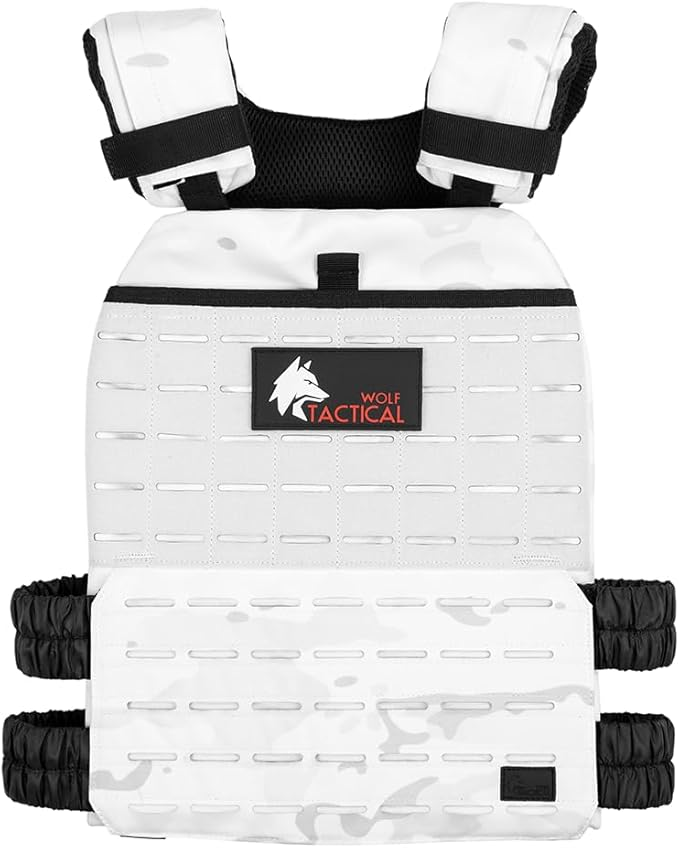
The Wolf Tactical Adjustable Weighted Vest rides close to the torso, breathes well, and takes standard weight plates so you can keep loads gentle.

Wolf Tactical Adjustable Weighted Vest for comfortable, low-load sensory use
Wolf Tactical Adjustable Weighted Vest: breathable, secure fit for light, calming pressure.

Pair it with WOLF TACTICAL Weight Vest Plates (pairs) so you can scale up or down in small, predictable increments without bulk.

WOLF TACTICAL weight vest plates in pairs for precise, low-weight loading
WOLF TACTICAL Plates: fine-tune total weight for the right level of proprioceptive input.

Simple routines for calming and focus

Desk focus block (15–20 minutes)

  • Load: 5% body weight or less.
  • Set a timer for 15–20 minutes of focused work.
  • Remove the vest, stand, and do 2–3 minutes of mobility before the next block.

Mindful walk (10–20 minutes)

  • Load: 5–8% body weight.
  • Walk at conversational pace, breathe nasally, and keep an upright posture.
  • Finish with a few gentle thoracic rotations and shoulder rolls.

If you enjoy short, calming walks with your sensory vest, you may want to keep tabs on energy balance. Use this calculator to estimate how many calories those easy walks contribute across the week.

Rucking and weighted-vest calorie calculator screenshot
Estimate calorie burn from gentle weighted walks to plan nutrition and recovery.

Comfort, care, and troubleshooting

  • Hot spots: Add a thin, moisture-wicking layer under the vest; adjust shoulder tension evenly.
  • Heat: Shorten sessions, reduce load, or choose a more breathable vest.
  • Noise/shift: Ensure plates are centered and secured; slight compression helps keep them quiet.
  • Care: Air-dry after use and wipe salt/sweat to preserve fabric and hook-and-loop strength.

Bottom line: a sensory vest set up with a light, stable load can deliver calming input that supports focus and day-to-day steadiness. Keep loads conservative, sessions short, and fit dialed in—you’re aiming for grounded, not gassed.

Posted in Weighted Vest Training | Tagged , , , , | Comments Off on Sensory vest: how to use a weighted vest for calming input and focus

Steel plates for weighted vest: choosing, sizing, and safety

Why choose steel plates for a weighted vest?

Steel plates are a common choice for people who want compact, durable weight in a vest or plate carrier. They offer high density (more weight in less space), consistent balance, and longevity when cared for properly. For ruck-style training where you need to stack pounds without adding bulk, steel plates can be the most efficient option.

Key benefits and tradeoffs

  • Size-to-weight ratio: Steel gives you more pounds in a smaller footprint than soft sand or thin polymer plates.
  • Durability: Steel tolerates slap-and-grab use, plate drops, and outdoor exposure better than many plastics—if you manage rust risks.
  • Comfort and fit: Steel is rigid. Pick plates that match the vest pocket shape and keep padding between plate and body to avoid pressure points.
  • Noise & movement: Metal plates can clank. Use sleeves, wraps, or quieter carriers when training around others.

How to choose sizes and plate profiles

Start with the vest you plan to use. Most commercial weighted vests and plate carriers accept plates by dimension (e.g., 8″ x 6″ or 10″ x 8″). Pick plates that nest cleanly in the pocket and don’t create edge pressure against your spine. If you want progressive loading, buy plates in smaller increments (5–10 lb) and pair them to reach your target weight.

Recommendations for common goals

  • Walking and rucking: favor moderate-size plates (10–20 lb each) that spread weight across the torso for comfort over distance.
  • High-intensity training: smaller plates you can stack and remove quickly help you scale sets and intervals.
  • Strength-focused loading: compact, heavy plates (30–45 lb) are useful in a durable carrier for weighted calisthenics and short, intense carries.

Rust prevention and care

Steel needs attention. Wipe plates dry after sweaty sessions, and keep them from sitting wet inside a neoprene sleeve. Many steel plates come powder-coated—inspect coatings for chips. If you see surface rust, use a wire brush and apply a rust inhibitor or a light oil. Proper care preserves performance and prevents stains on vests.

Compatibility tips and safety

Use these rules of thumb:

  • Match plate shape to the pocket—square edges can cause discomfort if they don’t sit flat.
  • Keep a layer between the plate and your back (thin foam or the vest’s internal padding).
  • Check stitching and seams when using heavier plates; sew reinforcements if the pocket material feels thin.
  • Progress gradually—add 5–10% bodyweight per month for ruck endurance to avoid overuse injuries.

Products to consider

Two reliable options I use or recommend depending on how you train:

Yes4All Ruck Weight Plate (10–45 lb) are solid steel plates available in multiple increments that work well for building a modular vest or ruck load.


Yes4All steel ruck weight plate
Durable steel plates in multiple weights for modular rucking and vest loading.

For users who want paired, vest-specific plates, consider the WOLF TACTICAL Weight Vest Plates (pairs) — they’re sized to fit popular vest pockets and work well for daily loaded walks.


Wolf Tactical weight vest plates pair
Paired plates designed for snug fit in tactical and fitness vests.

Estimate burn and plan load progression

Use the rucking calorie calculator to estimate energy cost for walks and rucks with added steel weight. It helps you plan weekly volume and nutrition around heavier sessions.

Rucking Calorie Calculator screenshot

Final notes

Steel plates are a practical choice when you want compact, dependable weight. Match plate size to your vest, protect against rust, and progress load responsibly. As someone who guides outdoor weight training, I recommend starting conservative and prioritizing comfort—long-term consistency beats one heavy workout. And if you’re new to plated loading, test a short walk with the planned plates before committing to long rucks.

Posted in Weighted Vest Training | Tagged , , , , | Comments Off on Steel plates for weighted vest: choosing, sizing, and safety

Hyper Vest Elite: Fit, Sizing, and Smart Alternatives for Serious Training

What the Hyper Vest Elite does well

The Hyper Vest Elite built its reputation on a low-profile fit that moves with you, breathable materials, and micro-adjustable weight. If you run, do calisthenics, or want a vest that won’t bounce or choke your range of motion, that style shines. Below I’ll break down how to size and load a form-fitting vest like the Hyper Vest Elite, plus two proven alternatives that deliver similar results for different budgets and use cases.

Fit and sizing tips (so it stays comfortable and stable)

  • Measure snug, not tight: Your vest should sit high on the torso with a firm wrap. You want chest expansion for breathing but minimal bounce.
  • Keep plates or weight packets evenly distributed: Front/back balance reduces forward lean and hot spots on the traps.
  • Start light: 6–10% of bodyweight for conditioning; up to 15% for experienced athletes. You can always add weight once movement quality holds.
  • Shorten the torso coverage for running: A higher ride lowers hip interference and side stitch risk.
  • Use breathable layers: A thin, sweat-wicking shirt under the vest cuts chafing without adding bulk.

Weight selection and progression

  • Weeks 1–2: 6–8% bodyweight, 2–3 sessions/week, 20–30 minutes of brisk walking or easy calisthenics circuits.
  • Weeks 3–4: 8–10% bodyweight, 2–4 sessions/week, progress to 30–45 minutes or add light jog intervals.
  • Weeks 5–6: 10–12% bodyweight, 3–4 sessions/week, introduce hills, stair climbs, or denser bodyweight sets.
  • Advanced: Up to ~15% bodyweight if form, joints, and breathing stay clean under fatigue.

Comparable alternatives worth considering

If the Hyper Vest Elite is out of stock or you want a different weight range or plate style, these two vests have proven dependable under real training volume.

Wolf Tactical Adjustable Weighted Vest: A versatile, budget-friendly option with solid padding and airflow that’s great for walking, beginner conditioning, and moderate-intensity circuits.

Wolf Tactical Adjustable Weighted Vest for walking and conditioning
Wolf Tactical Adjustable Weighted Vest: comfortable, stable, and easy to scale for walking or calisthenics.

5.11 Tactical Unisex TacTec Trainer Weight Vest: Premium build, durable materials, and excellent mobility. A go-to for mixed training days and benchmark WODs like Murph.

5.11 TacTec Trainer Weight Vest for high-quality training and Murph
5.11 TacTec Trainer: durable, mobile, and comfortable for longer sessions and high-rep work.

Programming ideas that mirror the Hyper Vest Elite use case

  • Tempo walk + strides: 30 minutes brisk walking, finish with 6–8 x 15–20 second strides (vest light to moderate).
  • Stairs and hills: 10–20 minutes continuous climbing; keep posture tall and steps short to protect knees.
  • Calisthenics ladder: 5 rounds of push-ups, air squats, rows, and step-ups (8–12 reps each). Add time, not reps, week to week.
  • Run-walk intervals: 1 minute jog / 2 minutes walk for 20–30 minutes; keep form relaxed. Scale vest weight down for runs.

Estimate your calorie burn

Dial in your effort and recovery by estimating energy cost based on your weight, vest load, pace, grade, and time.

Rucking and weighted-vest calorie calculator screenshot

Use the calculator before a block to set weekly targets, then re-check after four to six weeks as pace improves. Small increases in grade or load can meaningfully raise caloric demand—keep recovery, sleep, and protein intake aligned.

Safety and common mistakes

  • Too heavy, too soon: If your gait changes or you lean forward, drop load and fix posture.
  • Bounce and chafe: Tighten straps, adjust ride height, and use a sweat-wicking base layer.
  • Ignoring ankles/feet: Strengthen with calf raises, short foot drills, and gradual terrain progressions.
  • Skipping deloads: Every 4–6 weeks, reduce session volume or intensity 20–30%.

Bottom line: Whether you buy the Hyper Vest Elite or choose a comparable alternative, prioritize fit, gradual loading, and session quality. The right vest should feel like part of your body—stable, breathable, and strong enough to grow with your training.

Posted in Weighted Vest Training | Tagged , , , , , | Comments Off on Hyper Vest Elite: Fit, Sizing, and Smart Alternatives for Serious Training

Brute Force Vest: durability, fit, and how to train with it

What a brute force vest is and why it matters

A “brute force vest” search usually points to a heavy-duty weighted vest or plate carrier built to take serious loads and repeated outdoor use. The deciding factors for most folks are durability, load distribution, and comfort during walking, rucking, or high-intensity work. This guide explains how to evaluate those features, how to progress safely, and which gear choices make sense depending on your goals.

Key strengths and trade-offs

  • Durability: Thicker fabrics, reinforced stitching, and quality hardware last through mud, rain, and repeated loading cycles, but often add bulk.
  • Load distribution: A brute-force design spreads weight across the torso to reduce hot spots—but fit matters more than materials.
  • Adjustability: Removable plates and modular pockets let you tune intensity; less adjustable vests force you to scale by time or pace.
  • Comfort vs. capacity: High-capacity vests are excellent for strength work but can be overkill for long rucks—consider a softer, padded model if you plan long-distance walking.

How I assess a heavy-duty vest (real-world checks)

Test the vest for at least 10–15 minutes unloaded, then with an entry-level weight. Watch for shoulder pinch, back gap, and shifting weight. Here’s a quick checklist I use:

  • Adjust straps, then walk 10 minutes to check for movement and chafing.
  • Load small increments and monitor breathing and posture.
  • Try both fast walks and short uphill sections to see how the vest behaves under dynamic load.

Training progressions and safety

Start conservative: add 5–10% of bodyweight for the first two weeks or use fixed plates that let you increase in small steps. Keep cadence and posture strict. If you’re new to loaded walking, alternate weighted and unweighted sessions and prioritize recovery.

Practical product options

Not every athlete needs a heavy plate carrier. If you want a durable, heavy-capacity system for strength or tactical workouts, consider the Kensui option; if you want comfort and everyday ruck/walk use, the Wolf Tactical line balances padding and adjustability.

Kensui EZ-VEST® MAX V2 is built for high-capacity loading and heavy calisthenics. Below is a quick look:


Kensui EZ-VEST MAX V2 heavy capacity weighted vest
High-capacity vest for heavy strength and weighted calisthenics.

Wolf Tactical Adjustable Weighted Vest is a great midweight option for long walks and rucks where comfort matters.


Wolf Tactical adjustable weighted vest for rucking and walking
Comfort-focused fit with modular weight pockets for progressive loading.

Real-world perspective

I’m Preston Shamblen, ISSA-certified trainer; I lost 90 lbs through rucking, weighted-vest training, and disciplined nutrition, and I still recommend weighted vests as one of the most reliable ways to maintain lower body weight and burn fat consistently. Below is an example of a before-and-after visual that reflects consistent weighted-vest work.

Preston Shamblen before and after 90 lb weight loss through weighted-vest training and rucking
Preston Shamblen’s 90 lb transformation achieved through consistent weighted-vest work, rucking, and strength training.

Estimate your calorie burn

To dial in weight, duration, and expected calorie burn from a heavy vest session, use the rucking calorie calculator below. Enter your bodyweight, external load, pace, and terrain to get realistic estimates.

Rucking Calorie Calculator screenshot

Bottom line

If “brute force” for you means heavy, durable, and built for repeated outdoor work, choose a model that balances capacity with fit. Start light, progress methodically, and use the calculator above to plan sessions that match your goals without risking injury.

Posted in Weighted Vest Training | Tagged , , , | Comments Off on Brute Force Vest: durability, fit, and how to train with it

Zelus Weighted Vest: Fit, Comfort, and Rucking Use

Zelus weighted vest — what it is and who it’s for

The Zelus weighted vest advertises a balance of comfort and adjustability for everyday conditioning and short rucks. In practice you should evaluate three things: fit against your torso, plate or bag system, and how the vest behaves under movement. This guide focuses on whether a Zelus vest will work for walking, trail rucking, and basic strength work without limiting breathing or stride.

Key fit points to check

  • Torso coverage: the vest should sit high on the chest and low across the ribs without pressing on the diaphragm.
  • Weight distribution: look for even front/back pockets or plate channels—shifts in load create hotspots while walking.
  • Strap adjustability: long straps that cinch well stop bounce and keep the load in position.

How Zelus compares for rucking and walking

For short, conditioned walks and HIIT-style sessions a Zelus-style vest can be excellent. If you intend heavier or longer rucks (many miles on trail or mixed terrain) a more purpose-built solution like a ruck plate carrier or dedicated ruck pack will be more comfortable long term.

If you’re testing the Zelus vest on rucks start light, 5–15% of bodyweight, and evaluate after 30–60 minutes. Check for shoulder seam irritation and mid-back pressure points. If the vest has removable plates or sandbags, shift them to balance front and back—an uneven load is what causes fatigue faster than absolute weight.

Practical checklist before you buy

  • Measure torso length and compare to vendor sizing.
  • Confirm the vest supports the type of weight (soft inserts vs. rigid plates) you plan to use.
  • Test mobility: do bodyweight squats and a brisk 15-minute walk before committing.

Accessories and alternatives to consider

If you want a vest that transitions from weighted conditioning to serious rucking, consider pairing the Zelus with a proper ruck or choosing a hybrid solution. For comfort-focused, everyday use, the Wolf Tactical Simple Weighted Vest is a reliable option.

Wolf Tactical Simple Weighted Vest (Men/Women) is a good comparison if your priority is padding and mobility.


Wolf Tactical Simple Weighted Vest for walking and rucking
Wolf Tactical vest—soft, adjustable, and comfortable for walks and short rucks.

If you plan to add load-carrying gear or go longer distances, consider a purpose-built rucksack like the GORUCK Rucker 4.0. It fits plates and distributes load better for extended distances.

GORUCK Rucker 4.0 20L serves as a rugged step-up from a vest for serious rucks.


GORUCK Rucker 4.0 20L rucksack for heavy rucking
GORUCK Rucker 4.0—built for long-distance load carriage and plate compatibility.

How to test calories and plan progression

Use a simple calorie and effort calculator to estimate burn for a weighted walk vs an unweighted walk. That helps you plan progression and recovery. Try the rucking calorie calculator below to plug your bodyweight, speed, distance, and vest weight.


Rucking Calorie Calculator screenshot
Estimate calories for a Zelus weighted vest ruck using the rucking calorie calculator.

Programming guidance

  • Begin with 10–15 minutes of loaded walking at low intensity, twice weekly for the first two weeks.
  • Add 5–10 minutes per session or increase weight by 1–3 lbs per week depending on comfort.
  • Prioritize recovery: sleep, hydration, and a deload week every 3–4 weeks.

Final take

The Zelus weighted vest can be a solid, budget-friendly entry to weighted conditioning and short rucks if you verify fit and test load distribution. For regular multi-hour rucks or heavy plate work, step up to a dedicated ruck or plate carrier. Use the calculator above to quantify effort before you progress weight or distance.

Posted in Weighted Vest Training | Tagged , , , , | Comments Off on Zelus Weighted Vest: Fit, Comfort, and Rucking Use

How to Train Safely with a 75 pound weight vest

Why a 75 pound weight vest?

Using a 75 pound weight vest puts you into serious resistance territory. It’s not a novelty — it’s a heavy training tool that changes leverage, ground reaction forces, and the cardiovascular demand on every step and rep. If your goals are strength-endurance, loaded calisthenics, or hardcore rucking, this load can be appropriate for short technical sets and experienced athletes. For most people, it should be introduced with progression, careful volume control, and attention to recovery.

Key guidelines before you load up

  • Start with baseline assessments: can you perform bodyweight squats, push-ups, and a 20–30 minute brisk walk with good posture? If not, build a foundation before using 75 lb.
  • Use short intervals: heavy vests are best for sets under 10–15 reps or rucks under 30–60 minutes until you adapt.
  • Prioritize form: spine neutrality, bracing, and controlled tempo matter more with heavy loads close to your center of mass.
  • Monitor joints: knees, hips, and lower back will take increased load. Scale back if pain appears.

Progression and programming

Think like a coach: plan progression, not punishment. A simple 6–8 week ramp might look like alternating light and heavy days, adding 5–10% of the intended final load every 7–10 days and limiting heavy-vest work to 1–2 sessions weekly.

Sample weekly template

  • Day 1 — Strength-focused: weighted push-ups, pull-ups, controlled step-ups with vest (low reps, 3–5 sets)
  • Day 2 — Mobility + unloaded conditioning: brisk walk, mobility drills, core work
  • Day 3 — Short heavy ruck: 20–40 minutes with the vest, focus on posture and cadence
  • Day 4 — Recovery: active recovery and soft tissue work
  • Day 5 — Mixed circuits: short circuits of loaded bodyweight drills (higher heart rate, controlled volumes)

Programming tips for safety and gains

Keep sessions short and intentional. Heavy vests amplify mistakes — that’s why volume and frequency must be conservative. Plan deload weeks after 3–5 weeks of progressive loading. Use accessory work to shore up the posterior chain (deadlifts, hip hinges, hamstring curls) and core anti-extension drills.

Equipment recommendations

For true heavy loading in a vest, pick gear rated for large loads and with secure plate placement. The Kensui EZ-VEST® MAX V2 is a purpose-built option for heavy strength and calisthenics work.


Kensui EZ-VEST MAX V2 heavy duty weight vest for up to 300 lbs
High-capacity vest designed for heavy loading and progressive strength work.

If you prefer modular plates for gradual increments, consider plate options like Yes4All Ruck Weight Plate pairs to dial in small jumps in load.


Yes4All ruck weight plates for weighted vest training
Easy-to-add plates for incremental loading and safer progression.

Estimate the energy cost

Use the rucking calorie calculator to estimate how many calories a given ruck with a 75 pound weight vest will burn and to plan recovery and nutrition around heavy sessions.

Rucking calorie calculator screenshot

Final safety notes

Heavy vests are powerful tools when used intelligently. Prioritize progressive overload, keep technique first, and respect recovery. If you’re new to heavy loads or have a history of joint or spine issues, consult a qualified coach or clinician before loading to 75 lb. Train consistently, not excessively — that’s how gains and longevity are earned outdoors.

Posted in Weighted Vest Training | Tagged , , , | Comments Off on How to Train Safely with a 75 pound weight vest

How to Train with a 20 lb Vest for Walking and Rucking

Why a 20 lb vest is a useful training tool

A 20 lb vest is one of the most practical increments for increasing training intensity without dramatically changing movement patterns. It adds load to your core and hips, increases calorie burn during steady-state walks or rucks, and preserves the mechanics of bodyweight exercises like push-ups, pull-ups, and step-ups. For many people, a 20 lb vest is an ideal bridge between unweighted work and heavier, performance-focused gear.

Who should consider a 20 lb vest?

If you can walk briskly for 30 minutes without joint pain and you want to increase metabolic demand without adding a backpack, a 20 lb vest is a good starting point. It’s especially useful for:

  • Beginners who have finished a base fitness phase and want to add load gradually.
  • Walkers and hikers who want extra calorie burn without bulky packs.
  • Athletes layering load over bodyweight strength exercises.

How to start: rules and progressions

Start with short, controlled sessions and prioritize form. The vest shifts your center of mass, so you may feel slightly forward—let your posture adjust rather than bending at the hips. Follow these practical progressions:

  • Week 1: 15–20 minutes of easy walking, 2–3x per week, to let your joints adapt.
  • Week 2–3: Increase to 30–45 minutes, add a single hill or stair interval once per session.
  • Weeks 4+: Add two sessions of loaded strength (push-ups, rows, split squats) and one longer ruck or walk (60+ minutes) per week.

Sample beginner session with a 20 lb vest

  • Warm-up: 5–10 minutes brisk walk without the vest.
  • Main: 30 minutes steady walk with the 20 lb vest at conversational pace.
  • Accessory: 3 rounds—10 push-ups, 8 bodyweight rows or inverted rows, 10 walking lunges (no vest if balance is affected).
  • Cool-down: 5–10 minutes easy walking, hip and calf mobility work.

Safety, fit, and common issues

Fit matters more than fashion. A vest that rides up, chafes, or pinches will wreck technique and motivation. Look for a vest that evenly distributes weight across the torso and allows breathing. If you feel joint pain, reduce time or swap to lighter load and work on walking mechanics and cadence.

Recommended beginner gear

For comfort-focused beginners I recommend the WOLF TACTICAL Simple Weighted Vest (Men/Women) as a reliable, affordable option for 20 lb setups.


Wolf Tactical Simple Weighted Vest in use for walking and rucking
Comfortable, adjustable vest option for steady-state rucks and walking with added load.

Estimating calorie burn and planning sessions

Want to quantify how much extra burn a 20 lb vest gives you on a walk or ruck? Use the rucking calorie calculator to estimate calories burned for your weight, pace, distance, and added load. It’s the simplest way to build realistic weekly energy targets and adjust nutrition around your sessions.


Rucking Calorie Calculator screenshot

Click the calculator image to open the rucking calorie calculator and plug in your numbers before you plan longer sessions. Track progress by logging time, distance, and perceived exertion.

Bottom line

A 20 lb vest is practical, versatile, and beginner-friendly. Use short progressions, prioritize fit and posture, and quantify effort with the rucking calorie calculator. Start conservative, add minutes before adding pounds, and you’ll get consistent conditioning and calorie burn without overcomplicating your training.

Posted in Weighted Vest Training | Tagged , , , , | Comments Off on How to Train with a 20 lb Vest for Walking and Rucking