Rogue vest plates: sizing, compatibility, and better-value alternatives

If you’re shopping for Rogue vest plates or comparing them to other options, the key questions are fit, comfort, and training intent. Most quality weighted vests and plate carriers are built around common plate shapes and dimensions, but the exact pocket size, curvature, and strap layout vary by brand. Below is a straightforward guide to dialing in compatibility, choosing the right weight, and getting more out of your vest training without overpaying.

Plate sizes, shapes, and compatibility

  • Common dimensions: Many carriers accept plates in the approximate 10×12 inch range for standard sizes, with some using slightly smaller dimensions. Always verify your vest’s pocket measurements.
  • Curved vs. flat: Curved plates typically sit more naturally against the torso for running, rucking, and calisthenics; flat plates can feel more rigid but still work well for walking and strength moves.
  • Weight increments: Typical pairs range from roughly 5–20 lb per plate. Start lighter than you think, especially for dynamic work (push-ups, pull-ups, jogging) and progress gradually.
  • Pocket depth and retention: Even when the plate height and width fit, thickness and corner shape matter. Check that hook-and-loop or strap closures fully secure your plate without bounce.
  • Movement goal: For rucking and longer walks, prioritize comfort and stability. For short, intense sessions, choose the plate that locks in tight with minimal shifting.

Training ideas with vest plates

Once your plates fit properly, slot them into your weekly plan like any other load tool. For conditioning and sustainable fat loss, build a base with steady walking or rucking. For strength-endurance, add push-ups, pull-ups, step-ups, and split squats. Keep total session time or rep targets consistent week to week, and only increase weight once your form and breathing are locked in.

Smart alternatives to Rogue vest plates

You don’t need to overspend to get reliable plates that fit most plate carriers and weighted vests. Two dependable, widely compatible picks:

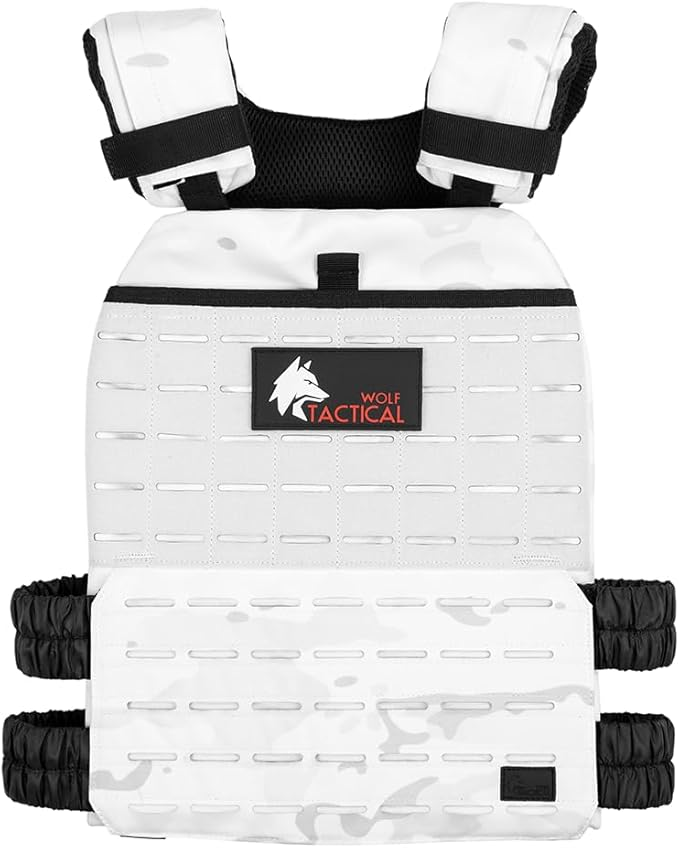
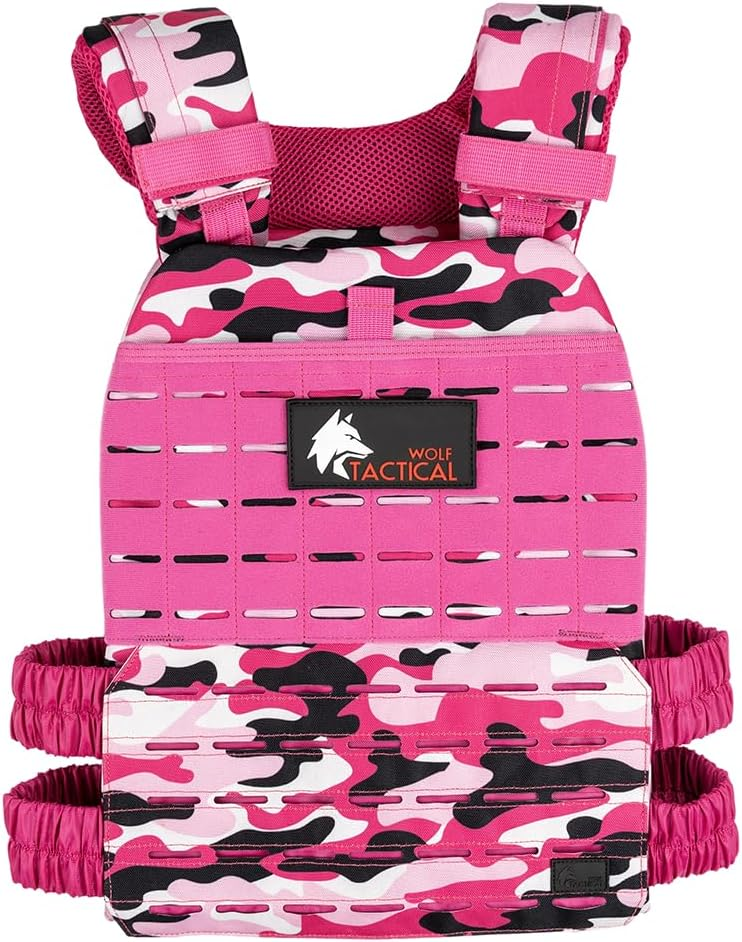
WOLF TACTICAL Weight Vest Plates (pairs) are a budget-friendly option designed to fit many plate carrier–style vests. The finish is durable, and the sizing works for most users who want a snug, curved feel for long walks or bodyweight circuits.

WOLF TACTICAL Weight Vest Plates pairs for plate carrier vests
WOLF TACTICAL Weight Vest Plates: dependable fit and feel without overspending.

If you need a comfortable, secure vest for those plates, the 5.11 Tactical TacTec Trainer Weight Vest is a proven carrier for plate-based training. The adjustability helps eliminate bounce, which is crucial for rucking and mixed calisthenics.

5.11 Tactical TacTec Trainer Weight Vest compatible with weighted plates
5.11 TacTec Trainer Vest: secure, adjustable, and comfortable under load.

Note: Ruck plates designed for backpacks/ruck carriers often have different shapes than vest plates. If you’re using a backpack or ruck plate carrier, confirm you’re buying plates made for that system.

Fit and safety checklist

  • Secure top and bottom: Plates shouldn’t slide or clatter while walking or jogging.
  • Breathing room: Tight is good; compressed breathing isn’t. Adjust straps so you can exhale fully.
  • Ramp weight slowly: Increase by the smallest step (often 2.5–5 lb per plate) once your weekly volume feels smooth.
  • Prioritize posture: Keep ribcage down, abs braced, and shoulders stacked—especially on stairs and hills.

Estimate your calorie burn

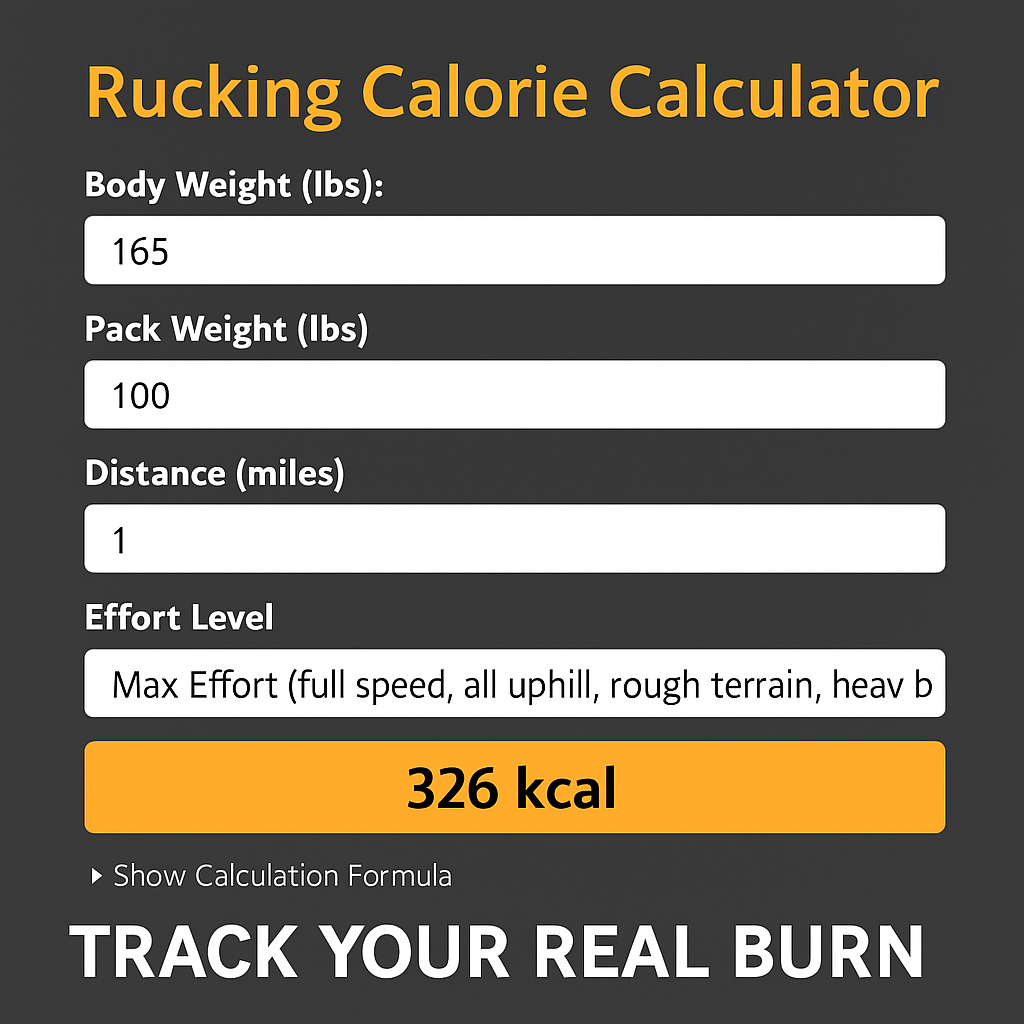
Curious how many calories your weighted walks or rucks might burn with vest plates? Use this calculator to estimate output and plan weekly targets.

Rucking and weighted-vest calorie calculator

Set a sustainable pace, track time on feet, and let the math guide your progression instead of chasing random exhaustion.

Posted in Weighted Vest Training | Tagged , , , , | Comments Off on Rogue vest plates: sizing, compatibility, and better-value alternatives

Workout Vest Plates: Choosing, Loading, and Using Plates Safely

Why workout vest plates matter

Workout vest plates are the easiest way to scale a weighted-vest or ruck for progressive overload, longer rucks, and higher-calorie sessions. Plates let you add small, predictable increments of mass and concentrate load where it belongs—close to your center of gravity. That matters for comfort, posture, and durability during faster walks, hikes, or interval work.

What to look for in quality plates

Choose plates designed for wearables: compact, low-profile, and with rounded edges so they sit flat in a vest pocket. Steel or iron plates are the most cost-effective, while bumpers or coated plates can reduce squeak and wear. Pair plates to keep your load balanced front-to-back and left-to-right.

  • Size and profile: slim plates reduce pressure points.
  • Weight increments: 2.5–10 lb plates give fine control.
  • Durability: corrosion-resistant finish for outdoor use.
  • Fit: verify plate pocket dimensions for your vest model.

How to load plates safely

Loading and unloading plates is simple, but technique matters. Always distribute plates evenly, start light on new movements, and prioritize posture. For rucks and long walks, keep more weight towards your upper back in a plate carrier or backpack. For calisthenics and conditioning, a snug vest with low-profile plates keeps movement natural.

Practical loading plan

  • Beginner: 5–10% of bodyweight total (split evenly).
  • Intermediate: 10–20% bodyweight—use small increments to progress.
  • Advanced: treat heavier loads like strength work—short sets, strict form.

When increasing load, add small plates and let your body adapt for at least 1–2 weeks of consistent sessions before adding more. If you notice pain (not discomfort) around the shoulders, spine, or hips, reduce the load and re-evaluate fit.

Recommended plates and when to use them

For most ruckers and vest users I recommend balance: a set of smaller plates for gradual progress, and a few heavier plates for occasional heavy conditioning. Two commonly used options are below; both work for vests and ruck backpacks.

Yes4All Ruck Weight Plate is a budget-friendly steel option in multiple sizes—good for beginners who want predictable increments. It’s compact and easy to pair for balanced loads.


Yes4All Ruck Weight Plate for weighted vests and rucks
Yes4All plates give economical, modular loading for vest and ruck training.

If you plan lots of heavy sessions or pair plates with a plate carrier, the WOLF TACTICAL Weight Vest Plates (pairs) are designed to fit common tactical vests and stay secure during dynamic work.


WOLF TACTICAL weight vest plates in pairs
WOLF TACTICAL plates fit tactical vests and plate carriers for stable loading.

Measure effort, not ego

Use perceived exertion, pace, and form as your guides. Plates change how your body moves—start conservatively. If your goal is calorie burn on walks and rucks, use controlled increments and longer durations. For short, high-intensity sessions, treat plates like extra bodyweight and focus on strict technique.

Calculate expected calorie burn

Before you add heavy plates to long rucks, estimate how many calories the session will cost using the rucking calorie calculator. It helps match load, pace, and duration to your goals.

Rucking Calorie Calculator screenshot

Final notes from experience

As Preston Shamblen I lost 90 lbs through rucking, weighted-vest training, and disciplined nutrition, and I still recommend weighted vests and properly paired plates as one of the most reliable ways to maintain lower body weight and burn fat consistently. Keep plates balanced, prioritize fit, and progress slowly. If you plan long-distance rucks or heavy carrier work, pair plate training with a solid hydration solution and proper foot care.

Posted in Weighted Vest Training | Tagged , , , , | Comments Off on Workout Vest Plates: Choosing, Loading, and Using Plates Safely

How to Choose and Use a Weighted Fitness Vest Safely

Why a weighted fitness vest works

A weighted fitness vest is one of the simplest, most practical tools to increase training intensity without changing movement patterns. Add 5–30% of your body weight and a walk, ruck, or bodyweight circuit becomes noticeably harder: heart rate goes up, ground reaction forces change, and calorie burn increases. For outdoors-oriented training, a vest keeps load stable and close to your center of mass, which is easier on the joints than poorly distributed backpack loads.

Who should use a weighted vest

Use a weighted fitness vest if you want to: increase cardiovascular load while preserving running or walking form, build muscular endurance for rucks, or make bodyweight movements harder without bars or kettlebells. Beginners should start light and focus on movement quality; intermediate athletes can progress load and duration. As an ISSA-certified trainer, I recommend gradual progression paired with consistent recovery.

Fit, comfort, and selection checklist

Fit matters more than brand. A bad-fitting vest moves, rubs, and wrecks a workout. Use this checklist when shopping and fitting a vest.

  • Adjustable shoulder and torso straps to keep plates centered on the chest and upper back.
  • Low-profile plates or pockets so the vest lies close to your body—less bounce, better posture.
  • Ventilation and thin padding to reduce chafing on longer walks.
  • Weight increments you can realistically progress with (smallest plates 2.5–5 lb).

For most readers focused on comfort and everyday use, the Wolf Tactical Adjustable Weighted Vest is a solid option because it balances fit, price, and modular loading. I use it in many beginner programs.


Wolf Tactical Adjustable Weighted Vest on a bench
Durable, adjustable vest that fits close to the body for reduced bounce during walks and rucks.

Programming and progression

Start with 5–10% of bodyweight for beginners, especially if you plan to use the vest for walking or rucking. Progress by adding 2.5–5% every 1–3 weeks depending on soreness and performance. Here’s a simple 4-week progression for a walk-based program:

  • Week 1: 20–30 minute walks, 5% bodyweight, 3x/week.
  • Week 2: 30–40 minute walks, 7–8% bodyweight, 3x/week.
  • Week 3: 40–50 minute walks, 10% bodyweight, 3–4x/week.
  • Week 4: Increase duration or add a tempo segment (harder pace) while keeping weight constant.

Balance vest work with unloaded strength and mobility sessions. If load compromises form—especially during running or fast bodyweight movements—reduce weight and focus on technique first.

Calorie burn and using a calculator

Estimating calorie burn with a weighted fitness vest is straightforward when you use a rucking-focused calculator. It allows you to input bodyweight, vest weight, pace, and terrain so you get a realistic estimate for walks and rucks. Use the rucking calorie calculator below to tailor your plan and track progress.

Open the rucking calorie calculator


Rucking calorie calculator screenshot

Quick tips when using the calculator

  • Enter accurate inclines and pace—steep terrain multiplies calorie cost.
  • Use vest weight (not backpack weight) for consistent comparisons.
  • Track sessions across weeks to average daily calorie expenditure for weight goals.

Safety and recovery

Pay attention to shoulder and thoracic mobility—weighted vests can compress the upper chest. Rotate exercises, include unloaded walks, and prioritize sleep and hydration. On hot days reduce load and pace; consider electrolyte support for long efforts.

Closing advice

Weighted fitness vests are a versatile, low-equipment way to increase intensity outdoors. As Preston Shamblen often notes, he lost 90 lbs through consistent rucking, weighted-vest training, and disciplined nutrition, and still recommends weighted vests as one of the most reliable ways to maintain lower body weight and burn fat consistently. Start light, prioritize fit, and use the rucking calorie calculator above to plan realistic progress.

Posted in Weighted Vest Training | Tagged , , , | Comments Off on How to Choose and Use a Weighted Fitness Vest Safely

The Best Weighted Vest for Rucking and Everyday Training

Why choosing the best weighted vest matters

Weighted vests are simple tools that force you to move your body under load. The difference between a vest you tolerate and one you use consistently comes down to fit, weight distribution, and durability. I lost 90 lbs through rucking, weighted-vest training, and disciplined nutrition—and I still recommend weighted vests as one of the most reliable ways to maintain a lower body weight and burn fat consistently.

Preston Shamblen before and after 90 lb weight loss through weighted-vest training and rucking
Preston Shamblen’s 90 lb transformation achieved through consistent weighted-vest work, rucking, and strength training.

How I evaluate a vest

When I test or recommend a vest I look for three things: comfort, adjustability, and purpose-fit. Comfort so you can wear it for long walks or circuits. Adjustability so you can scale load in small increments. Purpose-fit because a heavy tactical plate carrier is great for short, intense sets but terrible for long rucks.

  • Comfort: Soft shoulder straps, low-chafe seams, and a torso-hug that won’t bounce.
  • Adjustability: Multiple weight pockets or plate options for micro-loading.
  • Durability: Reinforced stitching and solid materials for repeated outdoor use.

Top picks that earn the label “the best weighted vest”

Below are reliable options based on typical use-cases. I recommend 1–2 full-body training sessions a week with a vest and 1–2 ruck/walks for cardio and caloric burn.

Best all-around, beginner-friendly: Wolf Tactical

The Wolf Tactical vest balances comfort and adjustability for longer walks and daily training. It’s breathable, holds plates or sand, and is simple to get in and out of.


Wolf Tactical Weighted Vest for walking and rucking
Comfort-oriented design for long walks and progressive loading.

Consider the Wolf Tactical Simple Weighted Vest if you want a no-fuss vest you can wear for miles.

Best for tactical-style training and gym use: 5.11 TacTec

If your sessions include sprints, sled pushes, or gym circuits, the 5.11 TacTec is structured and stable. It’s not as soft as the Wolf for long rucks, but it stays locked down during high-intensity moves.


5.11 TacTec Trainer Weight Vest for circuits and tactical training
Stable, tactical fit for high-intensity training sessions.

Use the 5.11 TacTec Trainer Weight Vest for short, heavy sets and interval days where load migration kills your workout.

How to choose weight and progression

Start light. If you’re new to added weight, adding 5–10% of bodyweight is a reasonable starting point for walks; keep resistance sessions lower until your joints adapt. Add 2.5–5 lb increments once you can comfortably complete your target distance or reps without form breakdown.

  • Walking/rucking: start with 5–10% bodyweight.
  • Circuits/HIIT: start at 2.5–7% and favor stability.
  • Heavy strength work: use purpose-built plate carriers or the Kensui EZ-VEST for larger loads.

Calculate calories and plan load

If you want to estimate how many calories a ruck or weighted walk burns, use the Rucking Calorie Calculator. Enter your weight, pace, distance, and vest load to get a practical estimate you can use to plan sessions.


Rucking Calorie Calculator screenshot

Final, practical advice

Pick the vest that matches your primary use: comfort and range for long walks, or stability for gym and tactical work. Buy one that allows incremental loading so you can progress safely. Use the calculator above to plan calories and sessions, and trust consistent work—weighted vests are simple, but consistent application produces real results.

Posted in Weighted Vest Training | Tagged , , , , | Comments Off on The Best Weighted Vest for Rucking and Everyday Training

Hyper vest: fit, benefits, and alternatives for weighted training

What is a hyper vest?

A hyper vest is a low-profile weighted vest that hugs the torso tightly and spreads small weights across the chest and back. The design keeps the load close to your center of mass, so movement feels natural for walking, rucking, running drills, and bodyweight training. If you want extra intensity without bulky plates or a bouncing backpack, a hyper vest-style option can be a solid choice.

Pros and cons

  • Pros: very low profile under a jacket or hoodie; better airflow than bulky plate vests; great for bodyweight circuits, stairs, hill repeats, and brisk walks.
  • Cons: limited max load compared with plate vests; elastic sleeves can stretch over time; sizing can be fussy, especially for broader chests; not ideal for very heavy rucks.

Fit and sizing tips

Fit is the difference between a training aid and a chafing machine. Size your hyper vest to be snug—but not restrictive—so it does not ride up when you jog or reach overhead. If you’re between sizes, choose the smaller one for mostly calisthenics, and the larger for walking and rucking layers. Test the vest by taking three deep breaths; you should feel supported without compressing your ribs. Keep the bottom edge above your hip bones to prevent folding or pinching while you walk.

How much weight should you use?

  • New to weighted walks: start with 4–8% of body weight for 20–30 minutes, 2–3 days per week.
  • Intermediate walkers/ruckers: 8–12% for 30–50 minutes, add hills once per week.
  • Calisthenics focus (push-ups, squats, lunges): begin with 5–10 lb total; progress by 2–4 lb every 1–2 weeks when form stays clean.
  • Do not add weight and speed on the same day; progress one variable at a time.

Alternatives if you can’t get a hyper vest

Low-profile is great, but many athletes prefer plate-based vests for durability and easy weight changes. Two dependable options:

Wolf Tactical Adjustable Weighted Vest — a comfortable, beginner-friendly plate vest with secure fit and quick adjustability for walking, rucking, and circuits.

Wolf Tactical Adjustable Weighted Vest for walking, rucking, and circuits
Wolf Tactical vest: stable, comfortable, and easy to scale from light walks to tougher circuits.

5.11 Tactical Unisex TacTec Trainer Weight Vest — durable, breathable, and widely used for functional training with excellent shoulder comfort.

5.11 TacTec Trainer Weight Vest for functional weighted training
5.11 TacTec: breathable and durable for daily weighted walks and high-output sessions.

Smart training structure

  • Warm-up 5–8 minutes: ankle rocks, hip openers, band pull-aparts, and a light walk.
  • Main set A (walk/ruck): 20–40 minutes at conversational pace, posture tall, arms relaxed.
  • Main set B (optional): 3 rounds of push-ups, split squats, and rows (vest on) for 8–12 reps.
  • Cool-down: calf and hip flexor stretches; remove vest and breathe into the ribs to restore mobility.

Estimate your calorie burn

Dial in your effort by estimating how many calories you burn with weighted walks or rucks. Use the calculator below and adjust time, distance, and weight to match your plan.

Rucking Calorie Calculator

Rucking calorie calculator screenshot for weighted-vest walking and rucking
Estimate calories for your weighted-vest sessions to plan recovery and nutrition.

Safety and progression

  • If you feel tingling in arms, rib pressure, or numbness, loosen or remove the vest.
  • Swap high-impact jogging for uphill walking to protect joints while keeping intensity high.
  • Increase weekly load (time x weight) by no more than 10–15%.
  • Rotate one light day for every two hard days to keep progress steady.

Whether you choose a hyper vest or a plate vest alternative, the key is consistent, well-fitted loading and gradual progression. Train outdoors, track your sessions, and let the results compound.

Posted in Weighted Vest Training | Tagged , , , , | Comments Off on Hyper vest: fit, benefits, and alternatives for weighted training

Weighted apparel: how to choose, fit, and train safely

What is weighted apparel and why use it?

Weighted apparel covers any clothing or wearable gear designed to add load to your body—vests, shirts with built-in weight, ankle or wrist weights, and load-bearing carriers. I use weighted apparel as a practical way to increase intensity without adding gym complexity: it makes walking, rucking, and bodyweight work noticeably harder while keeping your hands free.

Common uses

  • Rucking or weighted walking for steady-state calorie burn.
  • Adding load to calisthenics and mobility work.
  • Progressive overload in outdoor strength circuits.

Benefits of weighted apparel

Unlike barbells or machines, wearable weight integrates with real movement patterns. Benefits include:

  • Higher calorie expenditure during low-impact movement.
  • Improved posture and core engagement when load sits close to the body.
  • Convenience—easy to layer for outdoor sessions and travel.

How to choose the right piece

Choice depends on goals. If you want comfort for long walks or rucks, choose a slim, evenly distributed vest. For heavy strength-style loading, choose a plate-compatible vest or weighted carrier. For beginners, start light and prioritize fit over total weight.

Practical selection checklist

  • Fit: the vest should sit low on the torso and not bounce. Aim for snug, not constricting.
  • Adjustability: look for plates or removable weights so you can progress safely.
  • Durability: exposed stitching and reinforced seams matter if you plan outdoor rucking.
  • Breathability: mesh panels or spacing reduce chafing on long walks.

Safety and programming basics

Start with conservative loads: beginner ruckers or walkers should begin with 5–10% of bodyweight. Progress slowly—add small weight increments or extra distance before increasing intensity. Pay attention to posture and avoid large loads that cause compensatory movement patterns.

Session ideas

  • Short walks (20–40 minutes) with light weight to build tolerance.
  • Interval rucks: 4–6 minutes brisk, 2 minutes recovery for conditioning.
  • Strength circuits with a weighted vest for push-ups, squats, and lunges—use 2–4 sets with controlled reps.

Product picks that match common needs

For comfort and everyday use I typically recommend something simple, adjustable, and low-profile. Below are two reliable options depending on whether you prioritize daily wear or heavier rucking:

WOLF TACTICAL Simple Weighted Vest is a flexible, low-profile option that fits men and women and scales well for walking and bodyweight work.


WOLF TACTICAL Simple Weighted Vest for walking and rucking
Simple, adjustable vest good for daily walks and calisthenics.

When you need a proper ruck or want to mix long-distance load-carrying with modular gear, the GORUCK Rucker 4.0 20L is a robust step up and doubles as a backpack when off the trail.


GORUCK Rucker 4.0 20L pack for rucking
Durable ruck for long distances and heavier plates.

Plan your session with a simple calculator

Want to estimate calorie burn and test different loads or paces? Use the rucking calorie calculator below—put in weight, pace, and added load to get a realistic session estimate.

Rucking calorie calculator screenshot

Final practical tips

  • Build tolerance before increasing time or weight—your joints adapt slower than your lungs.
  • Use layered clothing to manage friction and temperature on long sessions.
  • Track sessions and perceived exertion—progress is safer and faster when it’s incremental.

Weighted apparel is a straightforward tool: when chosen and used properly it adds consistent intensity to outdoor training without complicated equipment. Keep it simple, prioritize fit, and use the calculator above to plan sessions that match your fitness and recovery.

Posted in Weighted Vest Training | Tagged , , , , | Comments Off on Weighted apparel: how to choose, fit, and train safely

Best Rucking Vest: How to Choose a Durable, Comfortable Ruck for Long Miles

Why the best rucking vest matters

Rucking is simple: add load, walk hard, and get the calorie burn and strength benefits. But if your vest or carry system digs, shifts, or chafes, you stop training. This guide explains how I pick the best rucking vest for long miles, heavy sets, and multi-hour efforts so your sessions stay productive and pain-free.

Key criteria to evaluate

  • Fit and adjustability — a stable load that doesn’t bounce.
  • Load distribution — even weight across shoulders, chest, and hips.
  • Durability and materials — abrasion resistance if you train off-road.
  • Ventilation and padding — comfort on long, sweaty walks.
  • Accessory integration — pockets, hydration compatibility, and plate pockets.

Top practical considerations

When shopping, try the system with weight. A vest that feels fine empty can become painful when you add plates or sand. Prioritize a good harness and sternum strap early — they make small vests feel stable and large ones manageable. Think about the type of ruck: urban routes with lots of starts/stops need more mobility; long distance trails need ventilation and larger hip belts.

Features I look for in the best rucking vest

  • Internal plate or weight pockets that keep mass centered and low.
  • Wide, contoured shoulder straps with modular padding.
  • Removable or adjustable lumbar pad for lower back comfort on long hikes.
  • Quick-release buckles and reinforced stitching on high-stress points.
  • Hydration friendly or compatible with a small bladder for longer rucks.

Recommended options

Two practical picks depending on how you ruck: for long or military-style rucks I favor a rugged ruck that organizes mass cleanly; for weighted-vest-style rucking that emphasizes close-to-body load, a tactical weight vest that keeps weight centered is best.

GORUCK Rucker 4.0 20L is a tough, do-it-all pack for long-distance rucking where you want a structured carry and internal plate compatibility.


GORUCK Rucker 4.0 20L ruckpack
GORUCK Rucker 4.0: built for miles, with plate pockets and military-grade construction.

For a close-fit weight vest that behaves like a wearable ruck, the Wolf Tactical Adjustable Weighted Vest keeps plates snug against your torso for minimal bounce.


Wolf Tactical Adjustable Weighted Vest
Wolf Tactical vest: adjustable plate fit and comfort-focused padding for weighted walks.

How to test a vest before you buy

Load it with the weight you plan to carry and walk briskly for 10–15 minutes, including stairs and turns. Check for pressure points at the collarbone, underarms, and lower back. If it slides, tighten the straps and retest. If comfort doesn’t improve, move on.

Estimate your calorie burn

Use the rucking calorie calculator to estimate how many calories you’ll burn with a given bodyweight, pace, and load. It’s the fastest way to pair a vest choice with a training plan and dietary goals.


Rucking Calorie Calculator screenshot

Click the image or visit the calculator to fine-tune your rucking sessions and set realistic weekly targets.

Final tip

Start conservative with weight and build tolerance. A stable, well-fitted vest or ruckpack keeps you rucking consistently — and consistency is how you get stronger, leaner, and more resilient outdoors.

Written with practical experience by an ISSA-certified coach who values durability and real-world comfort for long rucks.

Posted in Weighted Vest Training | Tagged , , , , | Comments Off on Best Rucking Vest: How to Choose a Durable, Comfortable Ruck for Long Miles

100 lb weighted vest: How to Use It Safely and Effectively

Why a 100 lb weighted vest changes the game

Using a 100 lb weighted vest dramatically increases the stimulus from walking, rucking, and bodyweight conditioning. This level of load shifts a cardio session into a hybrid strength-endurance workout. Done correctly it builds resilience, increases bone density, and accelerates calorie burn; done poorly it risks joint stress and movement breakdown. Below I explain safe progression, programming tips, and how to estimate calorie burn for heavy-vest sessions.

Safety first: checklist before you load 100 lb

  • Build a base: be comfortable carrying 20–40% of your bodyweight before heavier loading.
  • Prioritize posture: keep a neutral spine, short stride, and engaged core.
  • Progress in small steps: add 5–10 lb increments and spend weeks adapting at each level.
  • Footwear and surface: use supportive shoes and soft-to-moderate terrain; avoid hard repetitive pounding.
  • Monitor pain: nip joint or tendon pain in the bud—reduce load, volume, or stop.

Programming a 100 lb vest session

Because 100 lb is heavy relative to most users, sessions should focus on low-moderate distance at first and include plenty of recovery. A simple progression might look like:

  • Week 1–2: 10–15 minute walks adding 5–10 lb per session as tolerated.
  • Week 3–6: 20–30 minute rucks (soft terrain) 2–3 times per week with the full target load on only one session per week.
  • Maintenance: alternate heavy-vest short rucks with light-vest longer walks and unloaded strength days.

Accessory gear for heavy vest use

For heavy loading I recommend a plate-capable vest. The Kensui EZ-VEST® MAX V2 is built for large loads and stability—ideal when you’re working up to or using 100 lb. Use durable plates and distribute weight evenly to avoid rocking and spinal rotation. For hydration during long sessions, pair your vest with a reliable hydration system.


Kensui EZ-VEST MAX V2 heavy-capacity weighted vest
Durable plate vest built for heavy loads and stable movement.

Example inline product link: consider the Kensui EZ-VEST® MAX V2 for heavy-strength work and high-load conditioning.

Estimating calorie burn for a 100 lb vest session

Estimating energy expenditure helps plan recovery and nutrition. Use the rucking calorie calculator to get individualized estimates based on bodyweight, pace, distance, and load. I recommend trying the tool below to see realistic calorie numbers for heavy-vest rucks.


Rucking calorie calculator screenshot

Click the calculator, enter your bodyweight, pace, and the 100 lb load to estimate session calories. Use that number to guide daily calories and refill strategies after longer rucks.

Recovery and nutrition notes

  • Post-ruck protein: aim for 20–40 g protein within two hours of a hard session.
  • Carbohydrate refill: for sessions longer than 60 minutes, include 30–60 g carbs per hour during the activity and replenish afterward.
  • Deload weeks: after 2–3 weeks of increasing load or volume, plan a lighter week to avoid overuse injuries.

In short, a 100 lb weighted vest is a potent training tool when used with progressive loading, stable equipment, and conservative programming. Respect the load, track your effort with a calorie calculator, and build methodically—this is how heavy-vest work becomes a sustainable long-term asset for strength, endurance, and body composition.

Posted in Weighted Vest Training | Tagged , , , , | Comments Off on 100 lb weighted vest: How to Use It Safely and Effectively

wodsox weighted vest: fit, function, and how to use it for WODs

Practical take on the wodsox weighted vest

If you’re considering a wodsox weighted vest for CrossFit-style WODs, short metcons, or added resistance on runs, the decision comes down to fit, movement freedom, and how the weight is distributed. I focus on simple, repeatable criteria: does the vest move with your body, where does the weight sit during high-rep sets, and how easily can you adjust load between workouts?

What to expect from a wodsox weighted vest

Most wodsox-style vests aim for a minimalist profile and even weight distribution. That’s good for burpees, box jumps, and pull-ups—but you still need to evaluate shoulder comfort, torso compression, and the vest’s impact on breathing mechanics during hard efforts.

Checklist before you buy

  • Fit: Does the vest sit high enough on the chest to avoid shifting during burpees?
  • Adjustability: Can you add or remove small incremental plates for progressive overload?
  • Mobility: Are overhead movements and rowing patterns comfortable while wearing it?
  • Durability: Is the stitching and hardware rated for repeated high-intensity use?

How I program with a weighted vest for WODs

I treat the vest like added bodyweight—not like a barbell. For novices, start with 2–5% of bodyweight for short AMRAPs and scale up to 10–15% for conditioned athletes. For example:

  • Beginner metcon (10–12 minutes): 2–5% bodyweight
  • Intermediate (12–20 minutes): 5–10% bodyweight
  • Experienced athlete (short, intense WODs or interval work): 10–15%+

Use the vest for specific strength-endurance blocks: 3–6 rounds of 4–6 minutes with controlled rest to build tolerance without sabotaging technique.

Comfort and alternatives

If comfort and fit are primary concerns—especially for repeated overhead or running—you’ll want to test vests that offer modular plates and padded shoulder areas. Two reliable options I recommend testing alongside a wodsox vest are the WOLF TACTICAL Simple Weighted Vest and the 5.11 TacTec trainer vest.

Example: WOLF TACTICAL Simple Weighted Vest is a low-profile option often preferred for walking and WOD-style circuits because it balances comfort with adjustability.


WOLF TACTICAL Simple Weighted Vest for rucking and WODs
WOLF TACTICAL Simple Weighted Vest: comfortable, low-profile for high-rep work.

For a more durable, performance-oriented plate system, consider the 5.11 TacTec Trainer Weight Vest, which handles heavier loads and stays secure during dynamic movements.


5.11 TacTec Trainer Weight Vest for CrossFit and rucking
5.11 TacTec Trainer Vest: secure fit and plate-ready for heavier intervals.

Tracking effort and calories

When you add external load, perceived exertion rises quickly. Use a simple calorie/effort baseline to judge sessions and progression. I recommend the rucking calorie calculator for estimating calories burned while training with a vest—it’s designed for weighted vest and backpack rucking scenarios.

Rucking Calorie Calculator screenshot

Run a few baseline sessions and adjust load based on performance metrics (reps, time, and recovery) rather than raw calorie estimates alone.

Final advice

Use a wodsox weighted vest where low profile and full-range movement are priorities. If you need heavier plates or more secure load for runs and long carries, test plate-compatible vests like the 5.11 TacTec. Start conservative, track progress, and keep technique first—added weight amplifies poor movement quickly.

Quick safety notes

  • Warm up joint mobility before loading.
  • Progress weight slowly and monitor breathing mechanics during high-intensity rounds.
  • Replace or repair worn straps and stitching; a failing strap in a burpee hurts performance and safety.
Posted in Weighted Vest Training | Tagged , , , , | Comments Off on wodsox weighted vest: fit, function, and how to use it for WODs

Weighted plate carrier: how to choose, load, and train smart

What is a weighted plate carrier?

A weighted plate carrier holds steel or cast plates on your torso so you can add resistance to walking, rucking, and bodyweight training. Compared to a traditional sand-filled weighted vest, a plate carrier sits higher on the chest, keeps weight close to your center of mass, and usually rides more snugly. That tighter ride reduces bounce on runs, stairs, and fast rucks, and the fixed plate shape makes loading predictable.

Two common options are: 1) purpose-built carriers designed for fitness plates (clean edges, contoured shapes), and 2) tactical-style carriers adapted for training. For comfort, look for wide shoulder straps, breathable backing, and a low-profile cummerbund that won’t dig while you breathe hard.

How heavy should you go?

Use these starting points and adjust by feel and heart rate:

  • Long walks/rucks (40–90 minutes): 5–10% of body weight. Focus on posture and nasal breathing.
  • Tempo rucks or hill repeats (20–40 minutes): 10–15% of body weight. Keep steps quick, avoid overstriding.
  • Calisthenics circuits (push-ups, squats, lunges, step-ups): 5–12% of body weight. Quality reps beat heavy loads.

Progress 5–10% total weekly volume or 2–5 lb of load at a time—never both in the same week. Balance plates front and back to keep a neutral spine, and lock the carrier so it doesn’t shift when you exhale hard or drop to a plank.

Simple programming that works

Consistency matters more than fancy protocols. Try this 2–3 day template for four weeks:

  • Day A – Easy ruck: 30–50 minutes at conversational pace with 5–10% body weight.
  • Day B – Strength circuit: 4–6 rounds of 8–12 squats, 8–12 push-ups, 10–12 step-ups/side, 30–45 sec plank. Rest 60–90 sec between rounds.
  • Optional Day C – Hills or stairs: 20–30 minutes with 8–15% body weight. Short strides, tall posture.

Track distance, pace, load, and perceived exertion. If pace or form drops sharply, keep the weight steady another week.

Estimate your calorie burn

When you add external load, energy cost rises fast. Use this calculator to estimate burn for your weight, distance, terrain, and pack/vest mass. It’s helpful for dialing nutrition on training days and planning weight-loss phases.

Rucking calorie calculator for weighted plate carriers and vests
Estimate calories burned while training with a weighted plate carrier.

Fit, comfort, and technique tips

  • Set strap length so the bottom of the front plate sits above the diaphragm; you should breathe fully without the plate jamming your ribs.
  • Snug, not suffocating: tighten until bounce disappears during a few test jumps and quick steps.
  • Layer smart: a smooth synthetic or merino base layer reduces hot spots under the shoulders and along the lower sternum.
  • Footwork: shorter strides and a slight forward lean from the ankles protect knees and low back under load.
  • Recovery: maintain calf/hip flexor mobility, and add 5–10 minutes of easy walking after circuits to normalize heart rate.

Recommended plate carrier gear

If you want a purpose-built, stable ride, the GORUCK Ruck Plate Carrier 3.0 is a proven option with dense foam on the straps and plate cavity designed for ruck plates.

GORUCK Ruck Plate Carrier 3.0 for rucking and weighted training
GORUCK’s Ruck Plate Carrier 3.0: secure fit, minimal bounce, made for fitness plates.

For budget-friendly loading, pair your carrier with a durable plate like the Yes4All Ruck Weight Plate in the 10–30 lb range to progress gradually.

Yes4All ruck weight plate for plate carriers and ruck training
Yes4All ruck plates: consistent sizing for easier fit and predictable loading.

If you’re swapping weights between sessions, the WOLF TACTICAL Weight Vest Plates come in pairs with smooth edges that sit comfortably during push-ups and burpees.

WOLF TACTICAL weight vest plates for plate carriers
WOLF TACTICAL plates: balanced pairs that slide in and out for quick load changes.

Bottom line

A well-fitted weighted plate carrier can upgrade your conditioning without complicated programming. Start light, move well, progress methodically, and let the data—pace, effort, and the calorie calculator—guide your next jump in load or volume.

Posted in Weighted Vest Training | Tagged , , , , | Comments Off on Weighted plate carrier: how to choose, load, and train smart