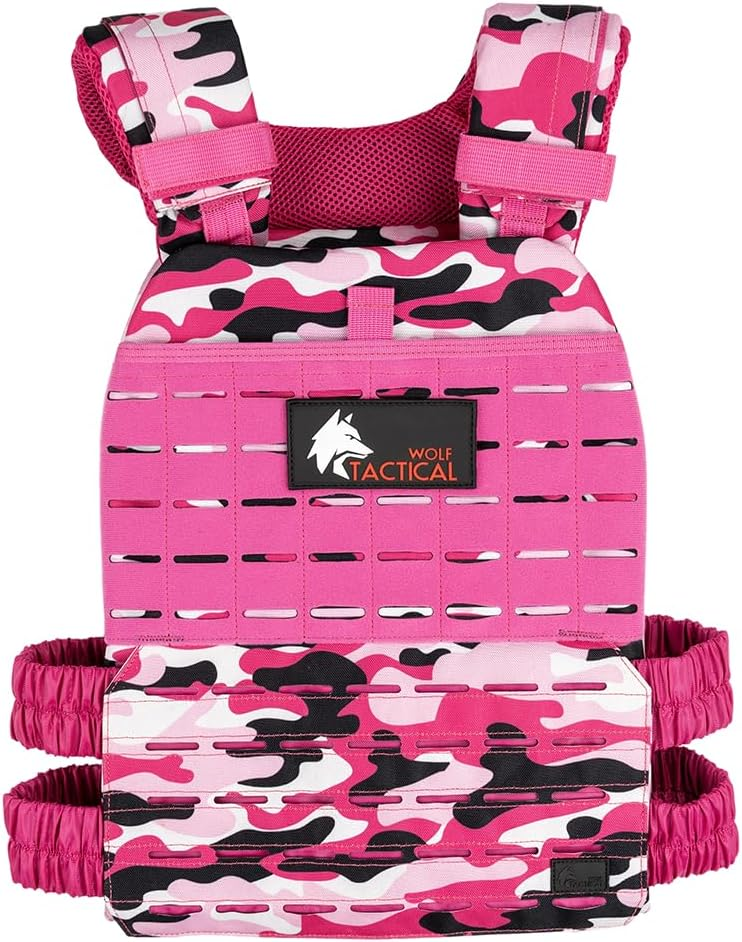
Why choosing the best weighted vest matters
Weighted vests are simple tools that force you to move your body under load. The difference between a vest you tolerate and one you use consistently comes down to fit, weight distribution, and durability. I lost 90 lbs through rucking, weighted-vest training, and disciplined nutrition—and I still recommend weighted vests as one of the most reliable ways to maintain a lower body weight and burn fat consistently.

How I evaluate a vest
When I test or recommend a vest I look for three things: comfort, adjustability, and purpose-fit. Comfort so you can wear it for long walks or circuits. Adjustability so you can scale load in small increments. Purpose-fit because a heavy tactical plate carrier is great for short, intense sets but terrible for long rucks.
- Comfort: Soft shoulder straps, low-chafe seams, and a torso-hug that won’t bounce.
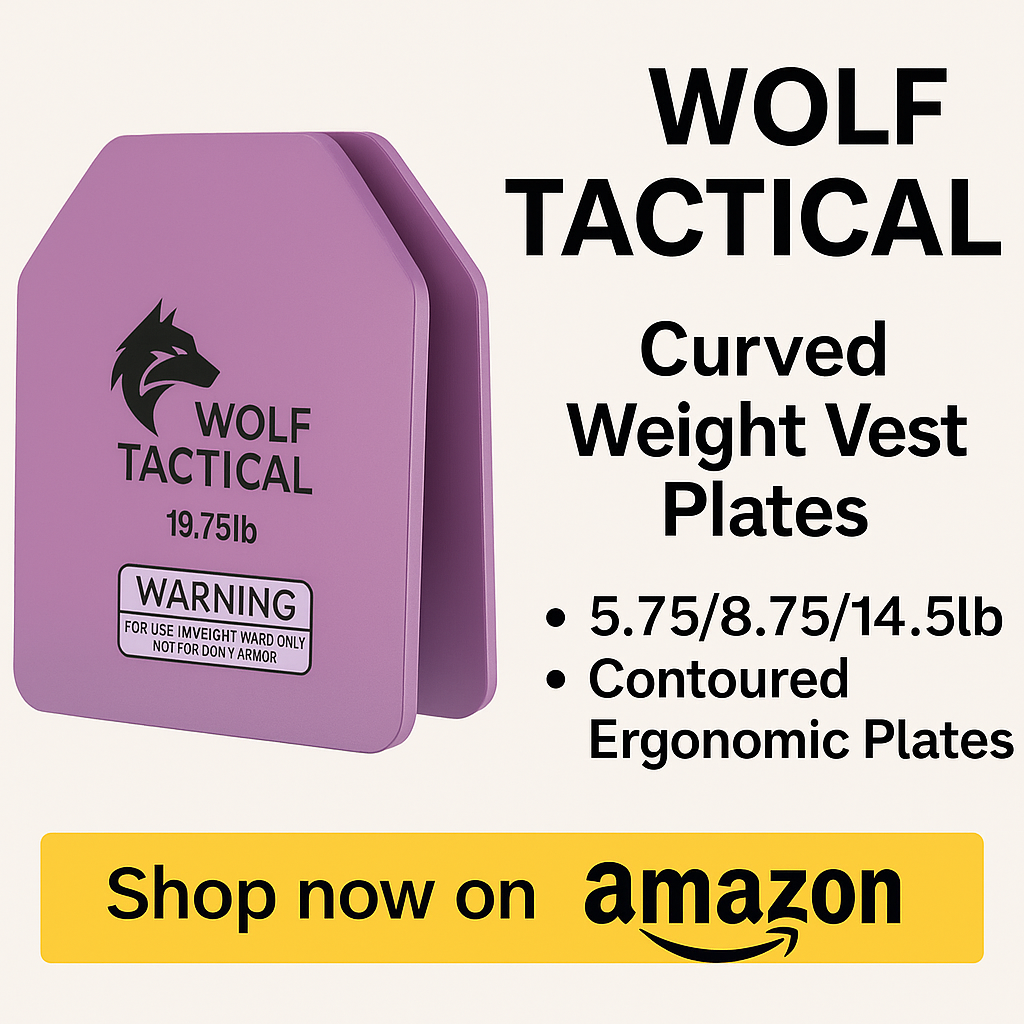
- Adjustability: Multiple weight pockets or plate options for micro-loading.
- Durability: Reinforced stitching and solid materials for repeated outdoor use.
Top picks that earn the label “the best weighted vest”
Below are reliable options based on typical use-cases. I recommend 1–2 full-body training sessions a week with a vest and 1–2 ruck/walks for cardio and caloric burn.
Best all-around, beginner-friendly: Wolf Tactical
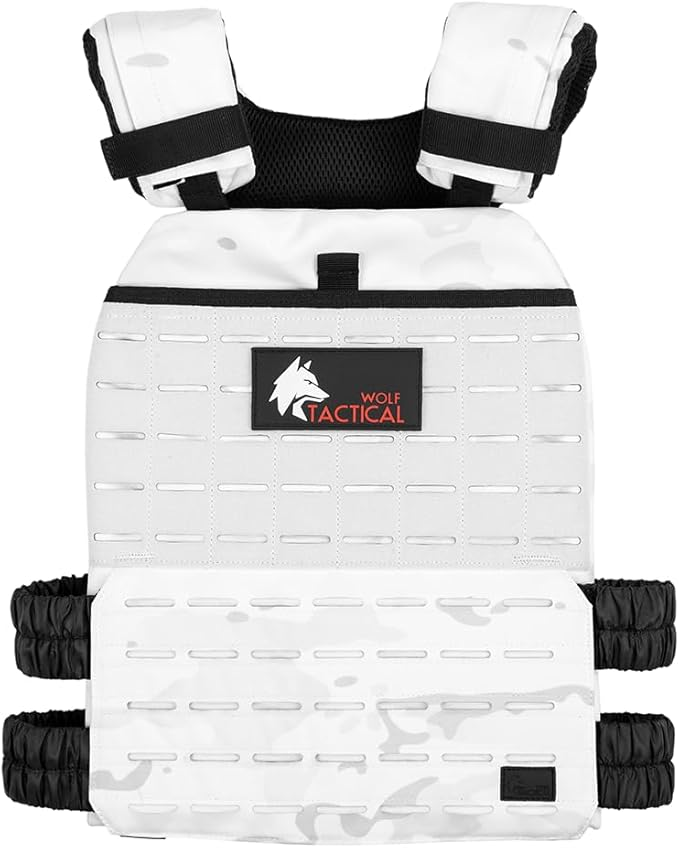
The Wolf Tactical vest balances comfort and adjustability for longer walks and daily training. It’s breathable, holds plates or sand, and is simple to get in and out of.

Consider the Wolf Tactical Simple Weighted Vest if you want a no-fuss vest you can wear for miles.
Best for tactical-style training and gym use: 5.11 TacTec
If your sessions include sprints, sled pushes, or gym circuits, the 5.11 TacTec is structured and stable. It’s not as soft as the Wolf for long rucks, but it stays locked down during high-intensity moves.

Use the 5.11 TacTec Trainer Weight Vest for short, heavy sets and interval days where load migration kills your workout.
How to choose weight and progression
Start light. If you’re new to added weight, adding 5–10% of bodyweight is a reasonable starting point for walks; keep resistance sessions lower until your joints adapt. Add 2.5–5 lb increments once you can comfortably complete your target distance or reps without form breakdown.
- Walking/rucking: start with 5–10% bodyweight.
- Circuits/HIIT: start at 2.5–7% and favor stability.
- Heavy strength work: use purpose-built plate carriers or the Kensui EZ-VEST for larger loads.
Calculate calories and plan load
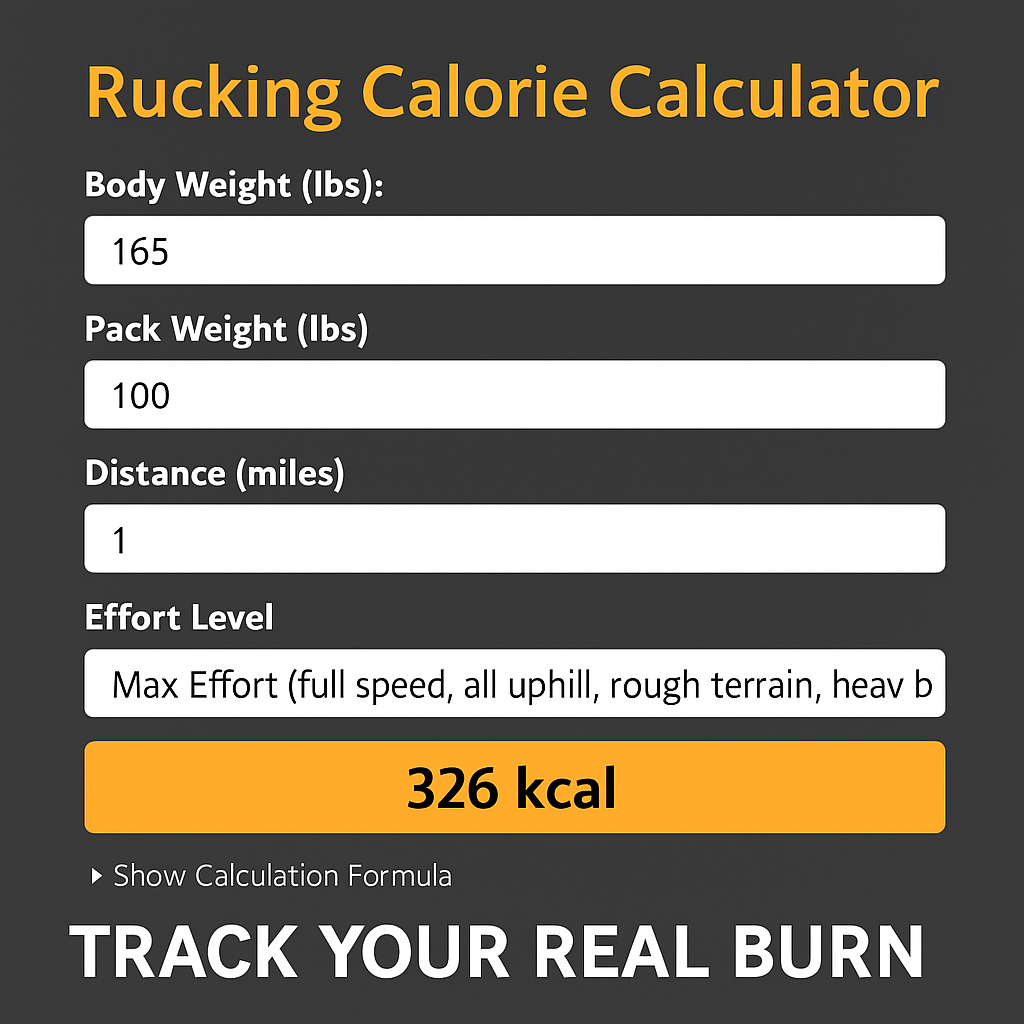
If you want to estimate how many calories a ruck or weighted walk burns, use the Rucking Calorie Calculator. Enter your weight, pace, distance, and vest load to get a practical estimate you can use to plan sessions.

Final, practical advice
Pick the vest that matches your primary use: comfort and range for long walks, or stability for gym and tactical work. Buy one that allows incremental loading so you can progress safely. Use the calculator above to plan calories and sessions, and trust consistent work—weighted vests are simple, but consistent application produces real results.