Choosing the best weighted vest for walking comes down to comfort, fit, and adjustable load. The vest should hug your torso without bouncing, breathe well in warm weather, and let you scale weight gradually so your joints and posture stay happy as you progress.
How to choose the best weighted vest for walking
- Fit and stability: Look for wide, padded shoulder straps and a secure front closure (Velcro or quick-release buckles). No side-to-side sway and minimal up-down bounce.
- Weight range and adjustability: Start with 5–10% of bodyweight for easy walks, and progress toward 10–20% as your posture, feet, and hips adapt. Removable plates or small incremental pouches make progression smoother.
- Breathability: Mesh panels and cutouts help manage heat on longer walks. A vest that runs cool keeps heart rate and RPE in check.
- Profile and mobility: A low-profile front panel and contoured sides help arm swing and natural walking mechanics.
- Materials and durability: Heavy-duty nylon, reinforced stitching, and quality hardware matter if you train 3–5 days per week.
Top weighted vest picks for walking
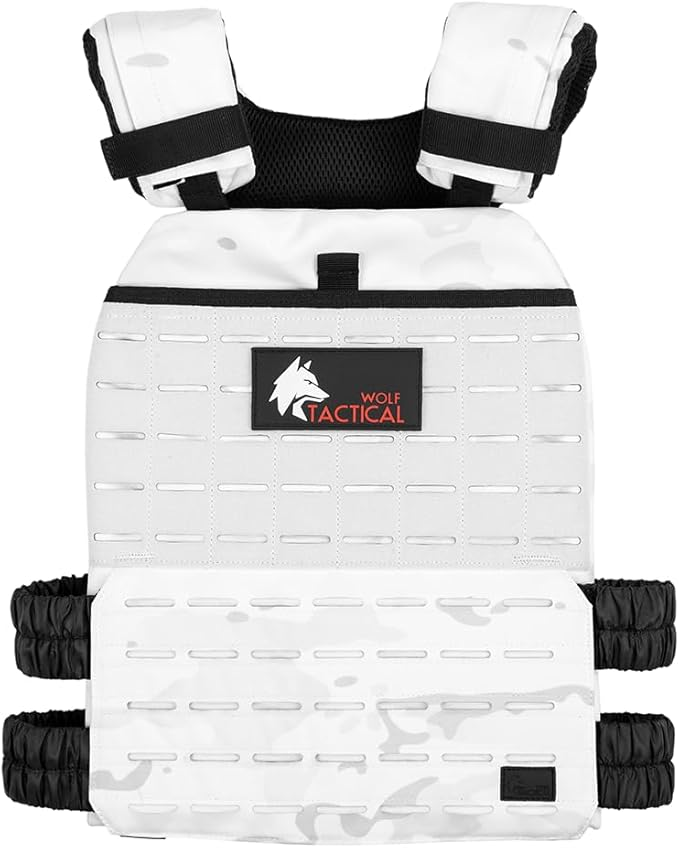
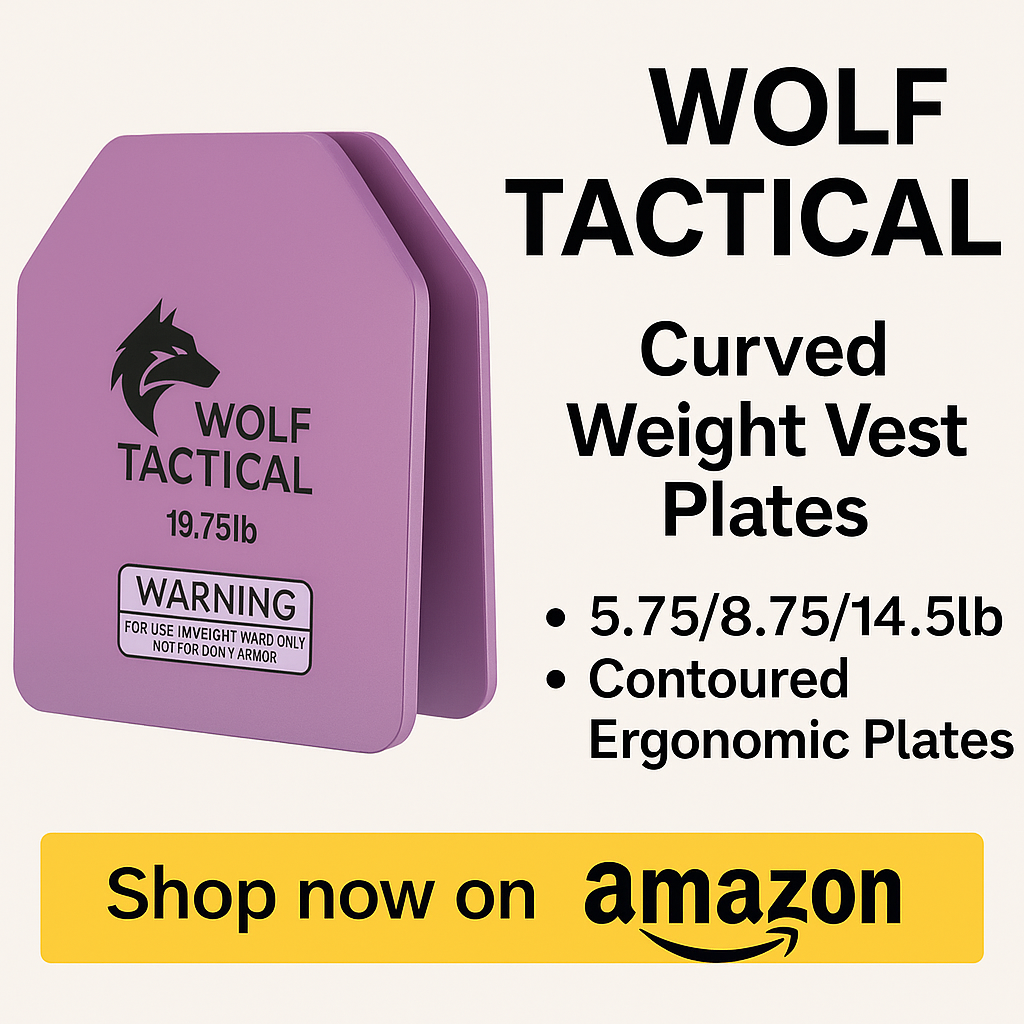
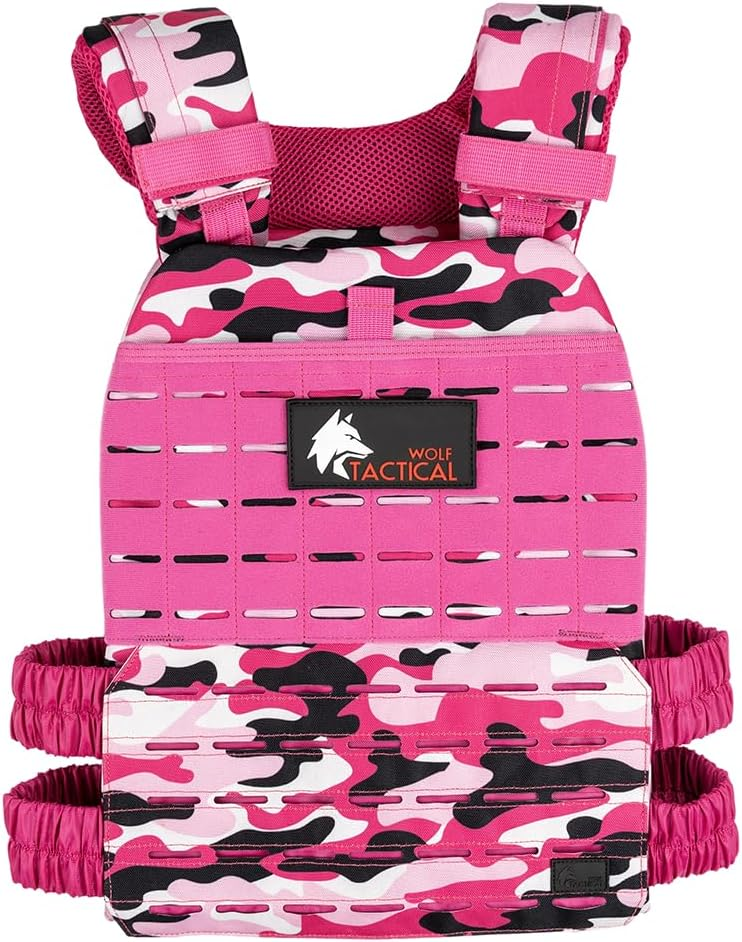
Wolf Tactical Adjustable Weighted Vest
The Wolf Tactical Adjustable Weighted Vest balances comfort and stability with a compact plate design, making it an excellent daily walker. The shoulder contour and secure cummerbund reduce bounce, while ventilation helps on warmer days. It’s easy to scale from light to moderate loads as your mileage grows.

5.11 Tactical Unisex TacTec Trainer Weight Vest
If you value premium comfort and a secure, contoured fit, the 5.11 TacTec Trainer Weight Vest is a proven choice. The ergonomic shape keeps plates snug against the torso, limiting chafing during longer sessions. It’s rugged enough for daily use and handles sweat and weather well.

Lightweight beginner option (4–10 lb)
Prefer a soft, lighter start? The BAGAIL Adjustable Weighted Vest (4–10 lb) offers simple, even loading and a comfortable feel for easy daily walks or recovery days.

How much weight should you walk with?
- Start light: 5–10% of bodyweight for 20–30 minutes, 2–3 days per week.
- Progress gradually: Add 2–5 lb every 1–2 weeks or extend time by 5–10 minutes. Don’t jump both load and time in the same week.
- Posture cues: Tall spine, ribs down, slight lean from the ankles, quiet foot strike, natural arm swing. If your form degrades, reduce load or time.
- Footwear: Choose cushioned, supportive shoes or light hikers. Replace worn-out footwear to protect knees and hips.
Plan your sessions and track burn
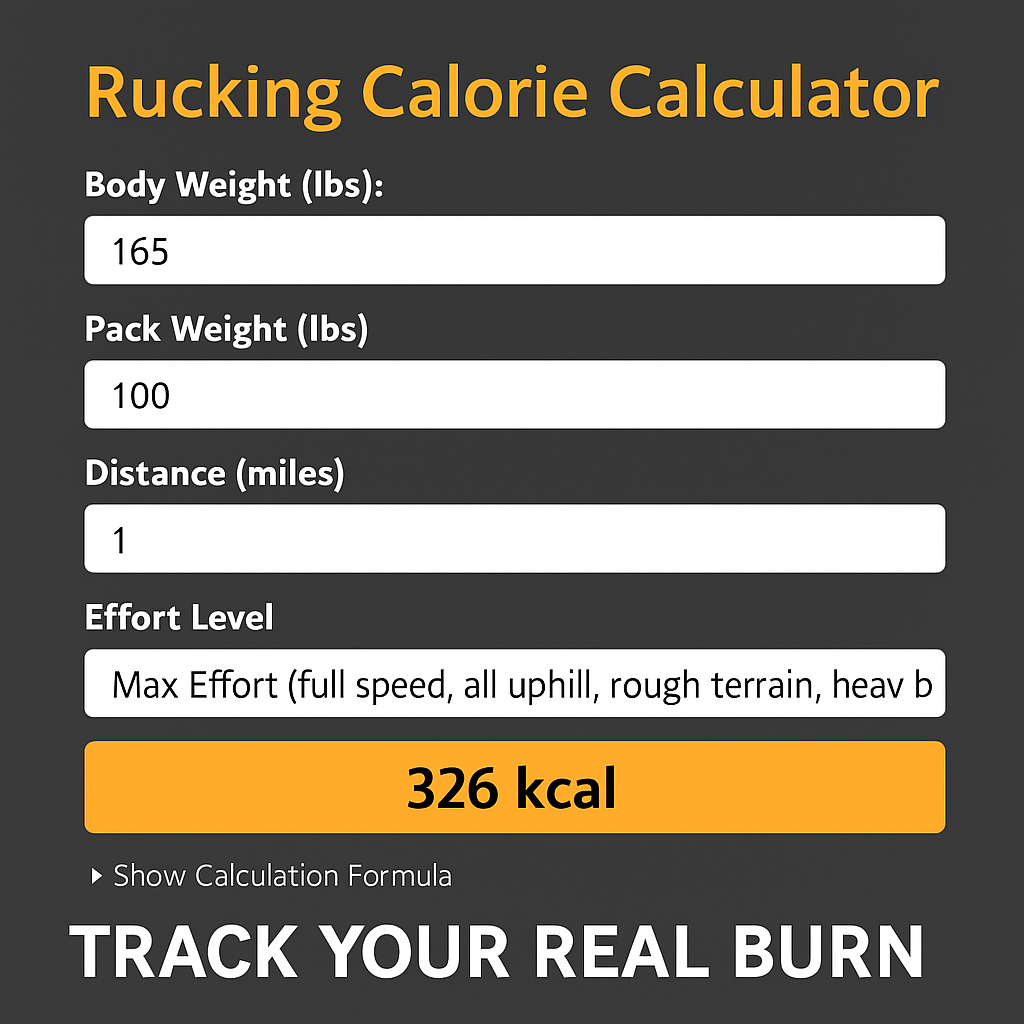
Walking with a weighted vest can noticeably increase your energy expenditure compared to unweighted walks. Use the calculator below to estimate your calorie burn based on pace, time, and load so you can set realistic weekly goals and recovery.
Try the Rucking Calorie Calculator to dial in your effort for weight management or conditioning.

Weekly structure to get started
- Week 1–2: 2–3 walks, 20–30 minutes, light load (5–10% BW).
- Week 3–4: Add 5–10 minutes to one walk; keep the other days the same.
- Week 5+: Optionally add 2–5 lb or introduce a gentle hill once per week. Keep one easier recovery walk.
The best weighted vest for walking is the one you’ll wear consistently. Choose a stable, breathable vest, progress patiently, and let your weekly habit do the heavy lifting.