Why a fitness plate carrier?
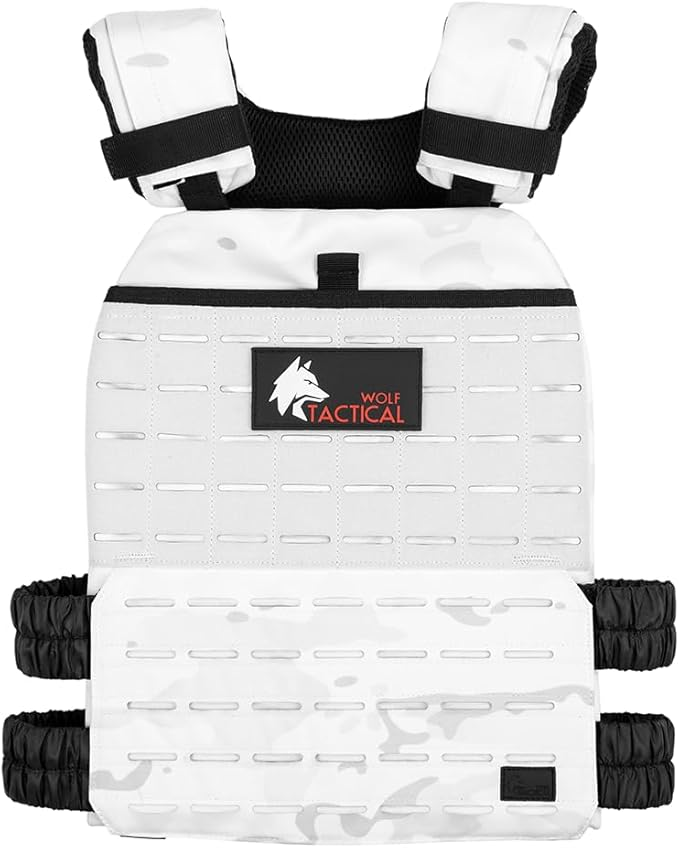
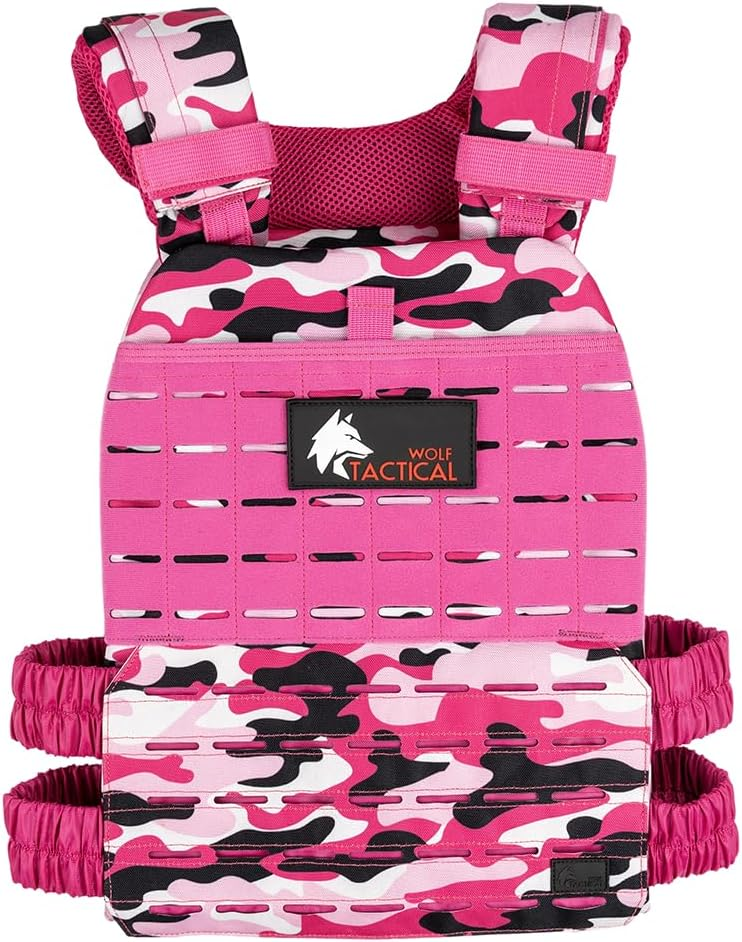
A fitness plate carrier is a weighted vest built to hold metal plates tight to your torso. Compared to a loose sand- or pellet-filled vest, a plate carrier keeps the load compact and high on the chest/back. That tighter profile minimizes bounce, improves posture under load, and makes it ideal for walking, rucking, stairs, and bodyweight strength circuits.
Done right, training with a plate carrier increases calorie burn, builds work capacity, and challenges your core with every step or rep. The key is fit, smart loading, and consistent, progressive sessions.
Choosing the right carrier and plates
If comfort and mobility are your priorities, the 5.11 Tactical Unisex TacTec Trainer Weight Vest is a proven option for functional training and longer sessions. It spreads pressure well across the shoulders and cinches evenly to reduce hot spots.

If your focus is durability and ruck-style training, the GORUCK Ruck Plate Carrier 3.0 locks a single plate high on the back for an efficient, low-bounce carry. It shines on walks, hikes, and hill repeats where stability matters most.

How much weight to use
Pick a starting load that lets you keep good posture and nasal-breath for most of the session. A simple guideline:
- Beginners: 5–10% of bodyweight
- Intermediate: 10–15% of bodyweight
- Advanced: 15–20% of bodyweight (or event standards, e.g., 20–30 lb)
Progress slowly: add 2–5 lb every 1–2 weeks or extend duration by 5–10 minutes. Keep your rate of perceived exertion (RPE) around 6–7/10 on conditioning days so you can recover and come back tomorrow.
Training ideas with a plate carrier
1) Weighted walk or ruck (30–45 min)
Warm up 5–8 minutes, then walk at a brisk pace where conversation is possible but effortful. Maintain tall posture, relaxed shoulders, and short, quick steps to reduce impact.
2) Simple calisthenics circuit (20–30 min)
- 5–8 pull-ups or rows
- 10–15 push-ups
- 10–15 walking lunges per leg
- 30–45 sec plank
Move steadily for 4–6 rounds. Strip the vest if form breaks.
3) Stairs or hill repeats (15–25 min)
Climb at a controlled pace, descend easy. Start with 6–10 repeats of 60–90 seconds and progress the time or number of reps, not both at once.
Fit and technique cues
- Set the plate high on the torso; tighten side straps to minimize bounce without restricting breath.
- Keep ribs down and pelvis neutral. Think “tall and stacked” while walking or doing reps.
- On push-ups and squats, prioritize full range and clean mechanics over pace.
- If you feel shoulder pressure or neck tightness, loosen slightly and re-balance the plate position.
Estimate your calorie burn
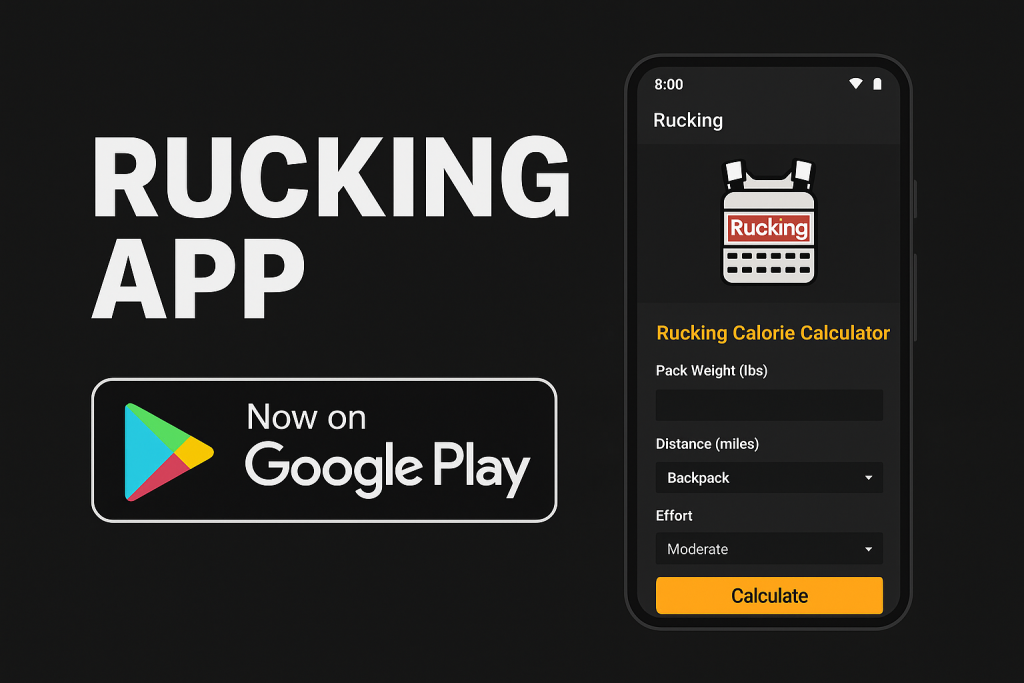
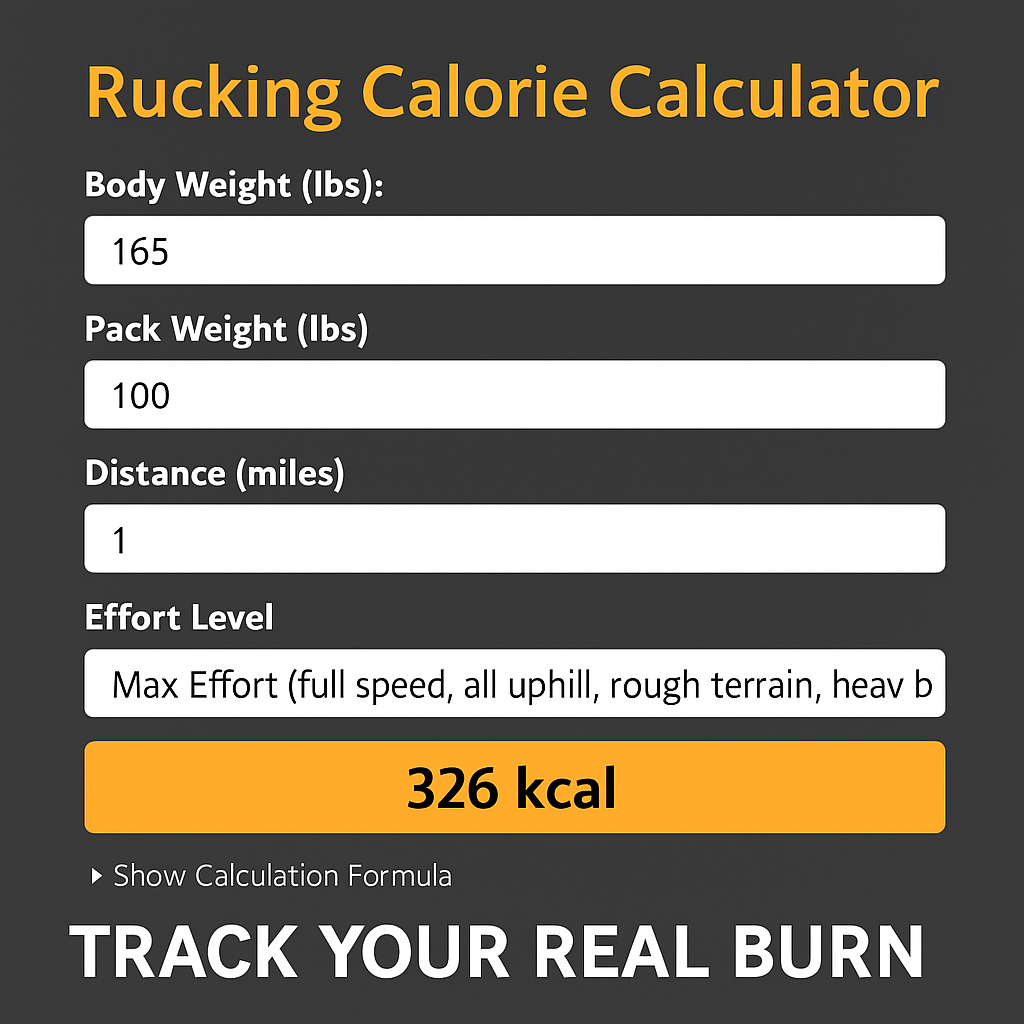
Curious how much energy you’re expending with your vest or carrier? Use this calculator to estimate burn based on pace, weight, and time. It’s helpful for planning nutrition and weekly training loads.

Safety, recovery, and progression
- Keep most sessions easy to moderate. Save heavy efforts for once per week.
- Walk first, then add circuits and hills. Layer complexity after consistency.
- Mind your feet: quality socks and broken-in shoes prevent hotspots on longer walks.
- Refuel with protein and fluids within 60 minutes; light mobility for hips, calves, and T-spine helps tomorrow feel better.
With a well-fitted fitness plate carrier, smart loading, and consistent work, you’ll stack durable conditioning without beating up your joints—and you’ll feel it pay off in every hike, run, and training day ahead.