Why choose a Go Ruck weighted vest for rucking?
A “go ruck weighted vest” is less a single product and more an approach: pairing a ruck-style pack with deliberate, distributed load to make walking, trails, and road marches more effective. If your goal is durable conditioning, pack-based conditioning and realistic load carriage, a GORUCK-style system and an appropriate vest or plate carrier deliver predictable, low-impact stimulus you can scale over months.
Primary benefits
- More even weight distribution than dumbbells or ankle weights.
- Builds real-world load tolerance for long walks and trail rucks.
- Easy to add or remove plates so you can progress safely.
Fit and setup: what to prioritize
Fit matters more than how heavy the vest is. A badly fitting vest shifts, chafes, and creates compensations in posture that ruin training adaptations. Look for an adjustable shoulder and torso fit, good ventilation, and low-profile plates. When using a go ruck weighted vest approach, set the load so your heart rate is in the desired training zone—not so heavy that you alter stride mechanics.
Quick checklist before a ruck
- Pack or vest snug on the torso; minimal bounce.
- Load balanced front-to-back and side-to-side.
- Start at 5–10% bodyweight for conditioning, progress slowly.
How to program with a Go Ruck weighted vest
For most outdoor-focused athletes, two or three rucks per week is enough to build endurance while preventing overuse. Use longer, low-intensity rucks for aerobic base and shorter, heavier rucks for strength and tempo work. A simple progression: add 5–10 lb every 2–3 weeks while keeping ruck distance constant until you feel comfortable.
Sample 6-week progression
- Weeks 1–2: 3–5 miles at 5–7% bodyweight.
- Weeks 3–4: 4–6 miles at 7–10% bodyweight.
- Weeks 5–6: introduce a heavy 2–3 mile ruck at 12–15% bodyweight once per week.
Gear recommendations
For long-distance and military-style rucks the pack matters as much as the vest. The GORUCK Rucker 4.0 20L is a common choice for ruckers who want rugged construction and a slim profile.

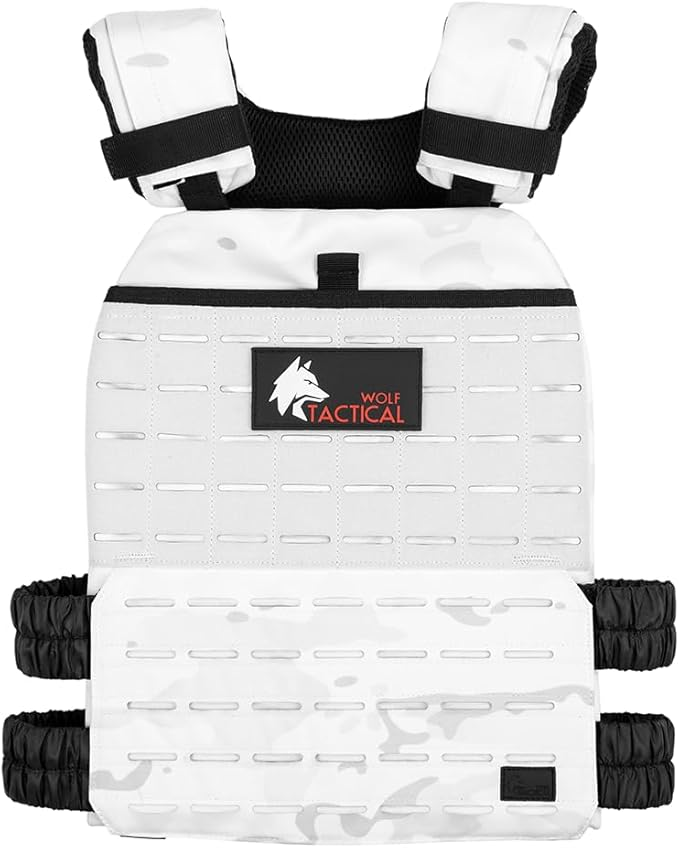
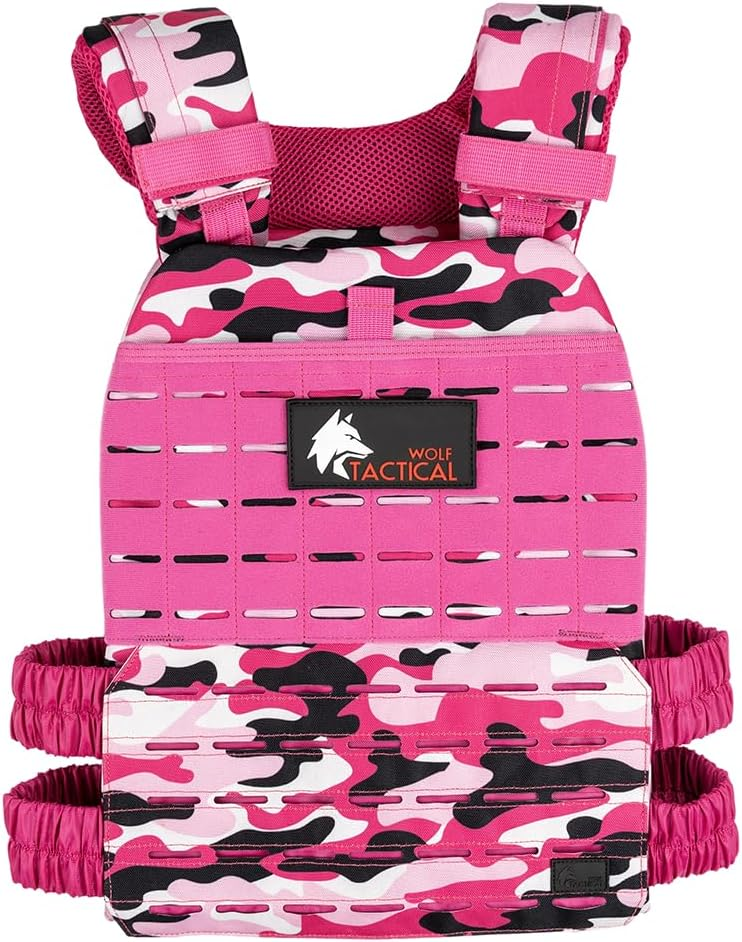
If you prefer a purpose-built vest for load distribution and comfort, consider a simple adjustable option like the WOLF TACTICAL Simple Weighted Vest. It’s comfortable for walks and easy to load with plates when you want a secure fit.

Estimate calorie burn before you go
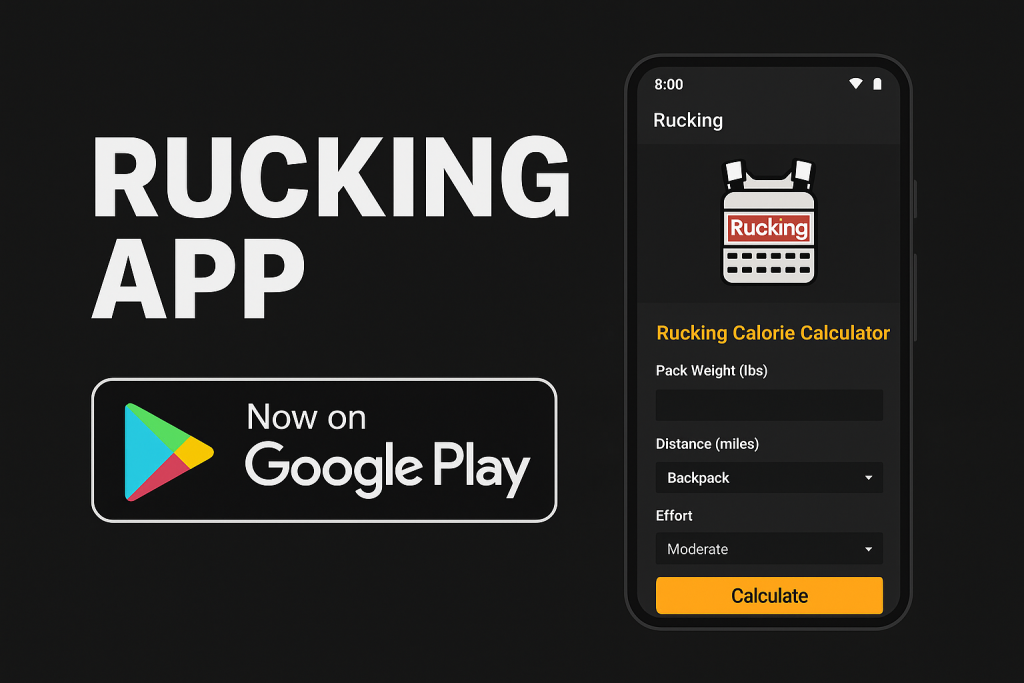
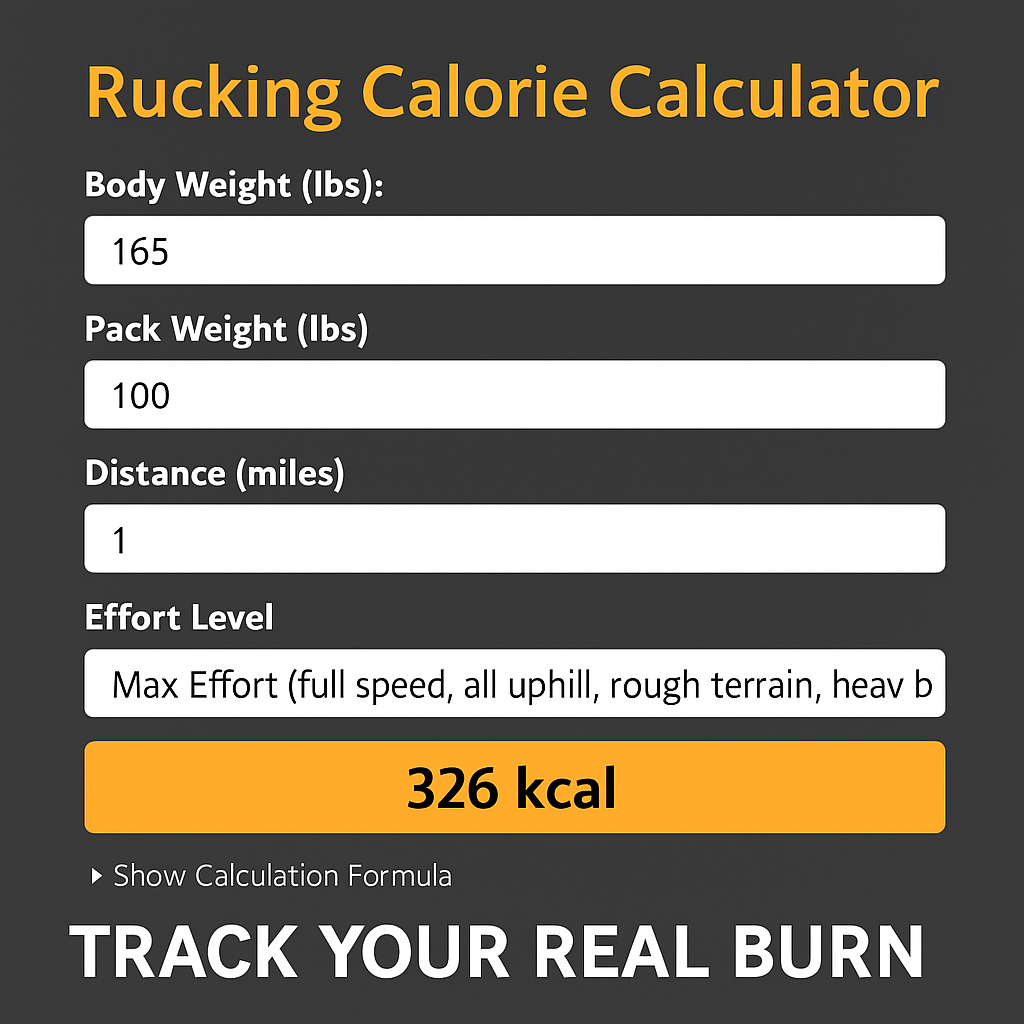
Want to know how many calories a ruck with a Go Ruck weighted vest will burn? Use the Rucking Calorie Calculator to get a tailored estimate based on weight, pace, distance, and load. Click the screenshot below to open the calculator and run numbers for your next session.

Bottom line
A go ruck weighted vest approach is one of the most practical ways to add consistent load for outdoor conditioning. Prioritize fit, gradual progression, and a reliable pack or vest. Track your sessions with the calorie calculator, listen to your body, and increase load slowly to build durable strength and endurance without injury.