Why use a weight vest for GORUCK training?
When you train for GORUCK events or similar long-distance, load-carrying challenges, a weight vest is one of the simplest ways to add realistic load without changing your gait as much as a heavy pack. A properly fitted vest keeps the load close to your center of mass, improving comfort and reducing shoulder hotspotting while forcing the legs, hips, and core to work harder.
Key benefits
- Improved posture under load—vests keep weight centralized.
- Better conditioning for marches and obstacle work.
- Easy to progress incrementally with plates or removable weights.
Choosing a weight for GORUCK-style training
Start light and focus on time under load, not maximum weight on day one. For general conditioning and event prep, a progressive plan is the safest, most reliable path:
- Beginner (new to rucking/vests): 5–15 lb for longer walks or 10–20 minutes of mixed movement.
- Intermediate: 20–40 lb for longer marches, hill work, and weighted conditioning circuits.
- Advanced: 40+ lb if your goals include heavy strength conditioning and you have a base of time under load.
Always prioritize split sessions—shorter sessions with higher intensity and longer, low-intensity endurance walks—over pushing max weight every time. Track how your knees, hips, and lower back respond and adjust volume before intensity.
Training structure for GORUCK events
A simple weekly template you can use with a weight vest:
- 1 long ruck (60–120+ minutes) at conversational pace with light–moderate vest load.
- 1 interval or hill session (20–40 minutes) with moderate load for power and conditioning.
- 1 strength or mobility day without a vest—focus on posterior chain work, core, and hip mobility.
Consistency matters more than one heavy session. Gradual progression of time under load reduces injury risk and builds a resilient engine for ruck events.
Gear that complements vest work
For true GORUCK-style training, combine a durable pack for heavy-haul sessions and a sturdy vest for conditioning. Two practical options I recommend for this approach:

Use the GORUCK Rucker 4.0 20L for long-haul carries and the vest for tempo runs and mixed-movement conditioning.

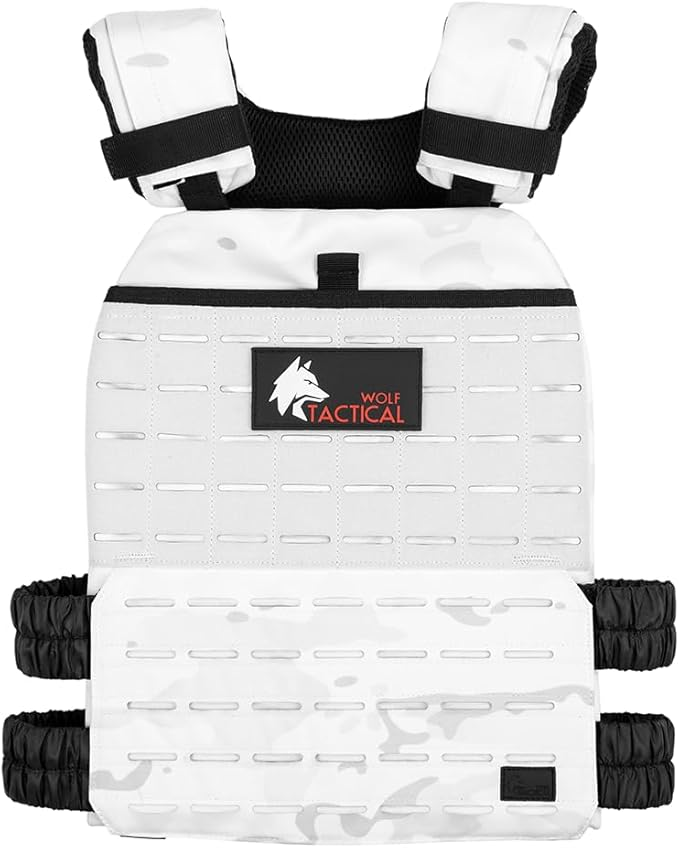
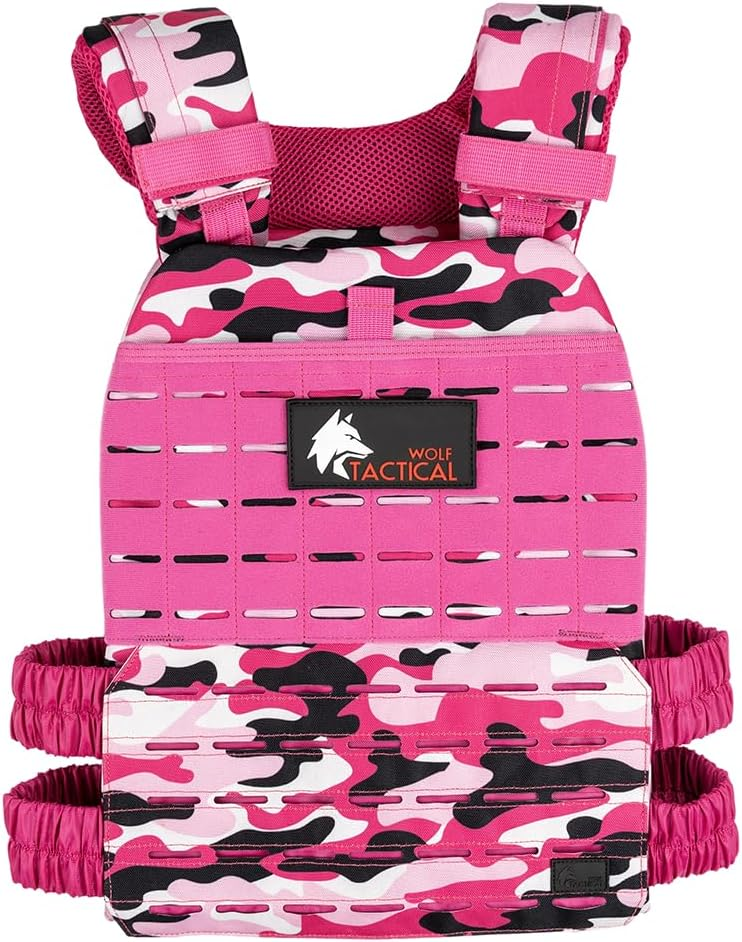
I also recommend starting with a vest like the WOLF TACTICAL Simple Weighted Vest for its balance of comfort and modular loading.
Calculate calories and plan progression
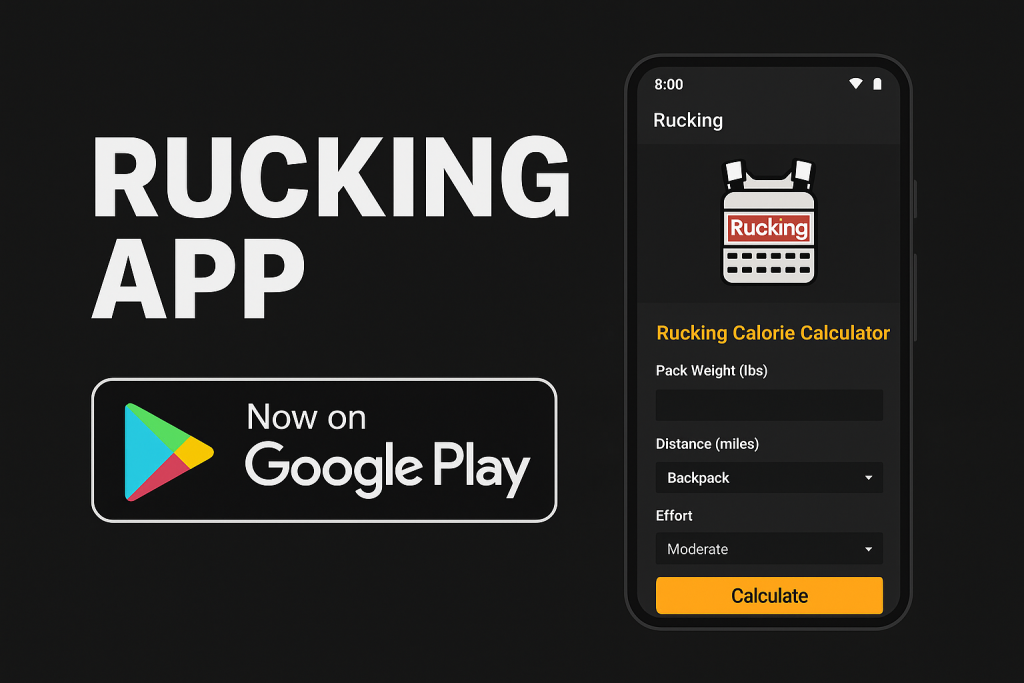
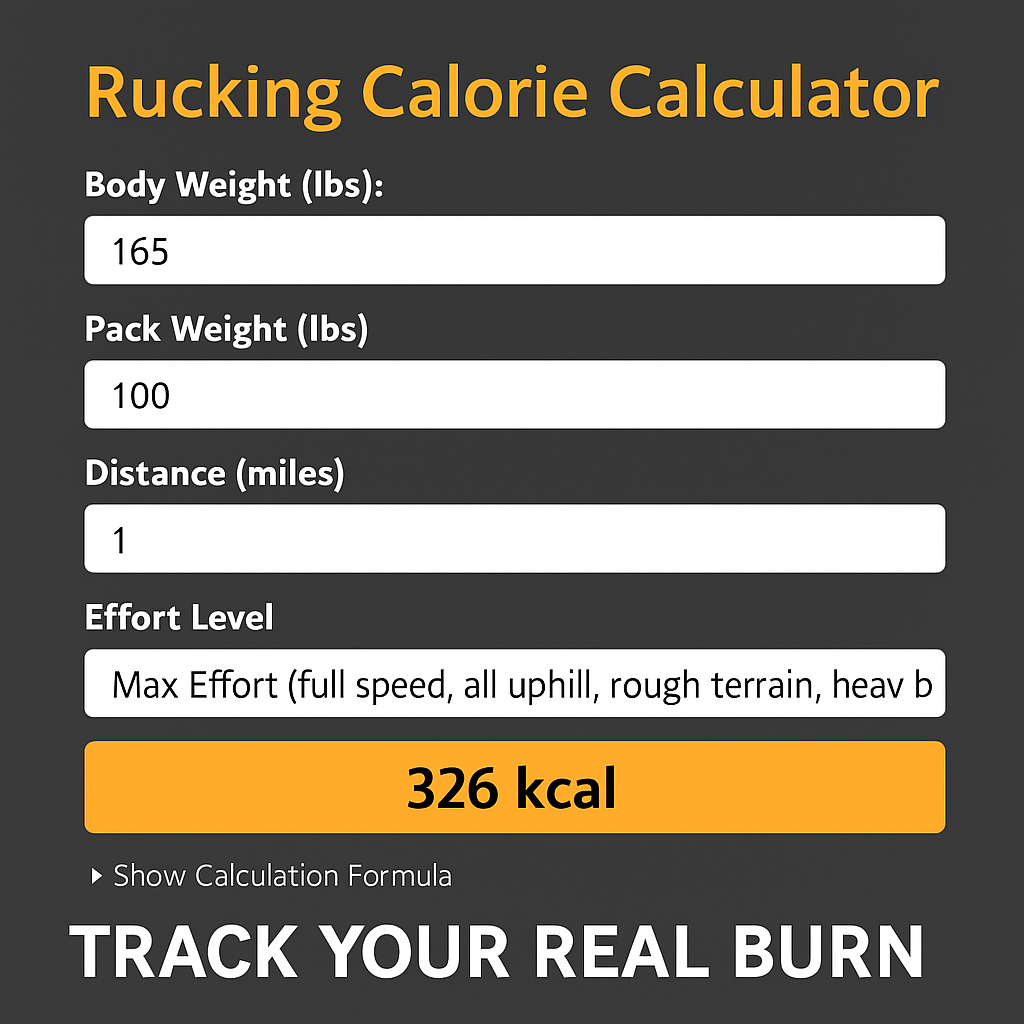
If you want to estimate calorie burn for vest-based rucks or plan a weight-loss strategy around rucking, use the rucking calorie calculator below. Enter your weight, pace, distance, and vest load to get an estimate you can use for smart, progressive training.

Final tips
- Prioritize footwear and gait mechanics—vests increase impact forces.
- Hydrate, sleep, and manage volume—recovery is the limiting factor in progression.
- Combine vest work with unweighted mobility and strength sessions to prevent imbalances.
Use a pack like the GORUCK for heavy-haul training days and a vest for tempo conditioning to build the endurance, strength, and resiliency required for GORUCK events.