What makes a vest “military”?
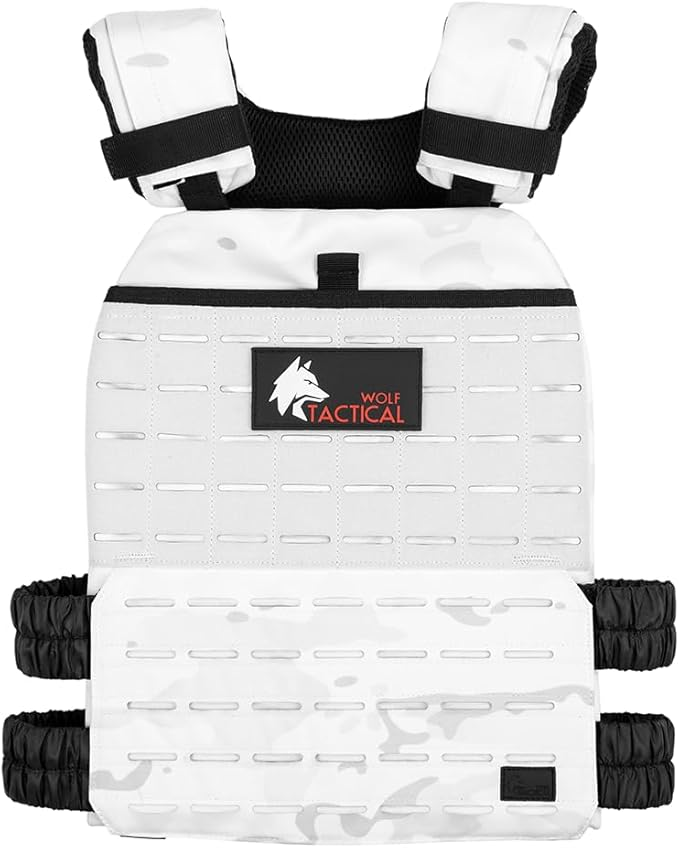
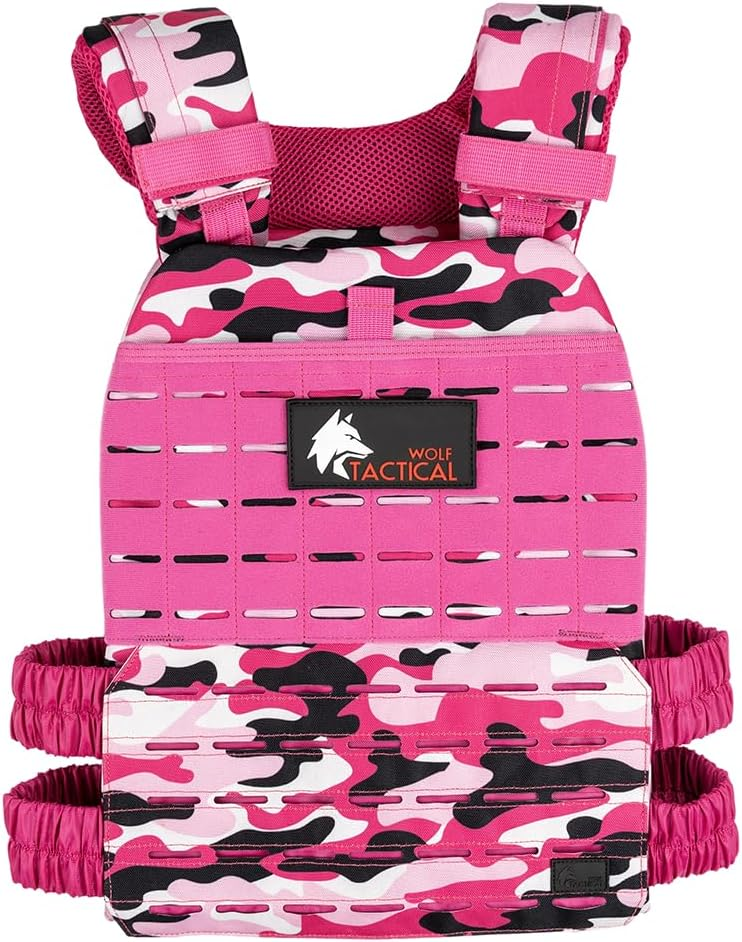
A military weighted vest is built for durability, fit under movement, and quick adjustments. Look for rugged 500D–1000D nylon, reinforced stitching, and a stable plate pocket that holds weight tight to your center of mass. A snug, high-riding fit reduces bounce, protects your lower back, and lets you breathe without the vest sliding.
- Secure plate compartments with top/bottom retention and side adjustments
- Breathable interior with spacer mesh to manage heat
- Quick-release or easy buckle system for fast removal
- Low-profile shoulder straps that don’t bite into traps
- Even front/back loading to keep posture neutral
If your goals include ruck-style conditioning, Murph/CrossFit, or tactical prep, a plate-ready vest with firm structure will feel most “military” and handle sweat, friction, and outdoor abuse.
Choosing load and progression
Start light and earn your weight. For most, 5–10% of bodyweight is a smart entry point. Hold that load until you can complete 30–40 minutes of steady walking or a full bodyweight circuit without form breaks. Increase 1–2 lb per week or every other week as joints and connective tissue adapt.
- Beginners: 8–12 lb total
- Intermediate: 14–20 lb total
- Advanced ruck/calisthenics: 20–30+ lb total as tolerated
Plate-compatible vests are consistent and compact compared to sand or shot. If you already own a vest, match the plate size and shape specified by the manufacturer to avoid rattling or hot spots.
Pro-grade vest pick
The 5.11 Tactical Unisex TacTec Trainer Weight Vest is a proven, durable option with excellent comfort and airflow for longer sessions and outdoor work.

Plates that fit and last
Pair your vest with durable steel plates like WOLF TACTICAL Weight Vest Plates (pairs) to hit precise loads without bulk.

Training the military-weighted way
Ruck-style conditioning
- Warm-up: 5–8 minutes easy walk (no vest), mobility for ankles/hips
- Main set: 20–40 minutes brisk walk with vest; maintain tall posture and even stride
- Terrain: Start on flat paths; progress to hills for strength and stamina
- Cool-down: 5 minutes easy walk, calf/hip flexor stretches
Keep steps short, land under your center of mass, and avoid overstriding. If the vest bounces, cinch the sides and shoulders tighter or reduce load.
Calisthenics circuit (20–25 minutes)
- Push-ups 8–15
- Air squats 15–20
- Pull-ups or rows 5–8
- Walking lunges 10/leg
- Rest 60–90 seconds; repeat 4–6 rounds
Quality over speed. If form slips, strip a few pounds or split volume into more rounds.
Fit, safety, and comfort
- Ride height: Vest should sit high on the torso; bottom edge above the belly button for most.
- Breathing: You should take full deep breaths without chest squeeze.
- Chafe control: Wear a smooth, sweat-wicking base layer; tape hot spots early.
- Heat: Train earlier or later in hot weather; add shade breaks and water stops.
- Feet/ankles: Progress hills and speed gradually; rotate shoes if needed.
Estimate your calorie burn
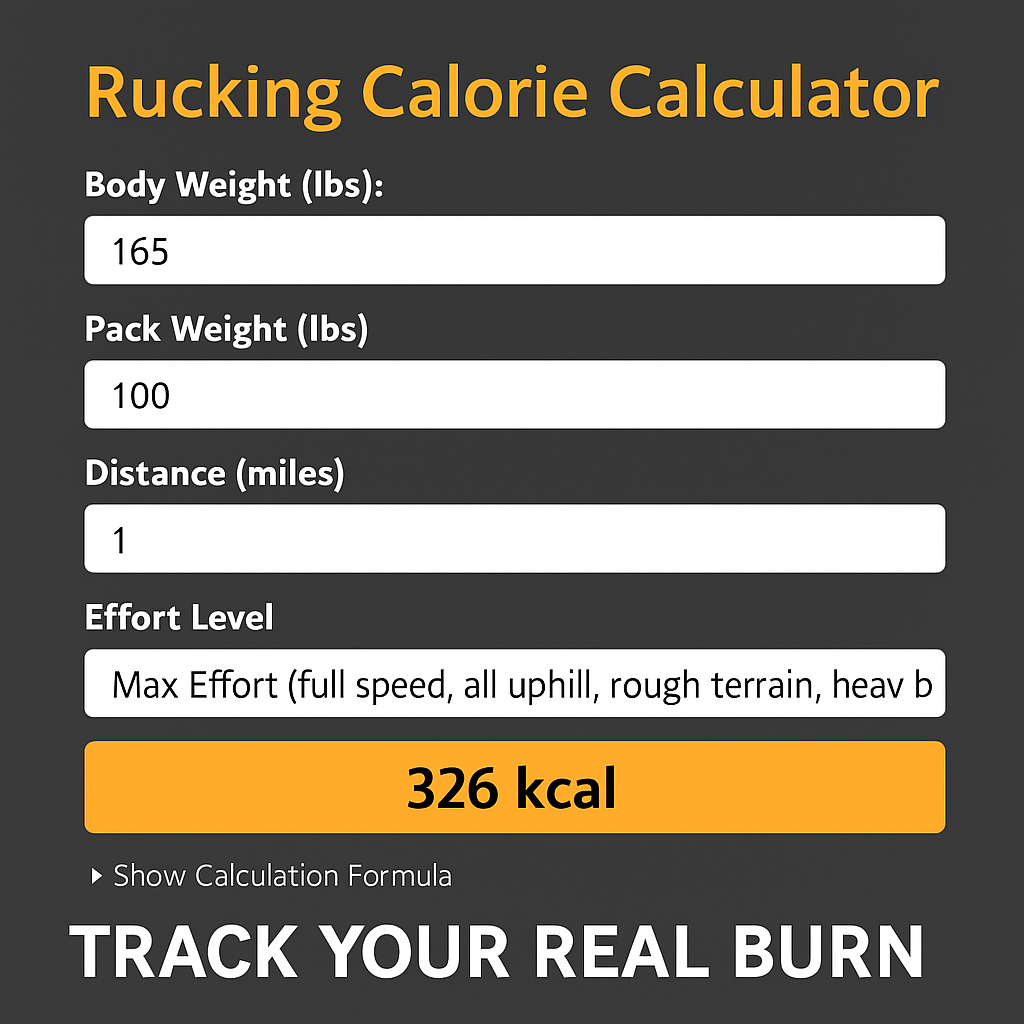
Use the Rucking Calorie Calculator to estimate calories for vest walks or rucks based on bodyweight, load, distance, pace, and terrain. It works great for weighted-vest sessions performed as steady walks.

Want a deeper dive focused on vests specifically? See the weighted-vest calorie guide for tips on load selection and weekly planning.
Common mistakes to avoid
- Starting too heavy—your joints will protest before your lungs do.
- Loose fit—bounce and chafe rob energy and skin.
- Neglecting recovery—walk easy the day after hard sessions; sleep and hydrate well.
- Ignoring symmetry—match front/back load for spine-friendly posture.
A well-fitted military weighted vest turns everyday terrain into a practical fitness course. Keep it simple, progress the load with patience, and let consistency do the heavy lifting.