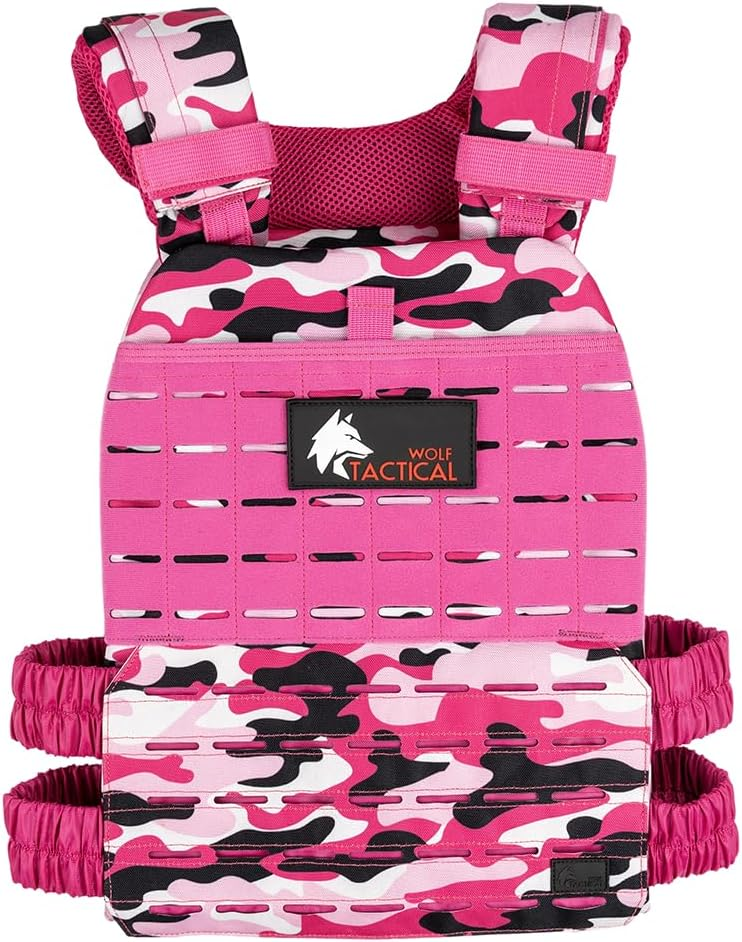
What is a hyper vest?
A hyper vest is a low-profile weighted vest that hugs the torso tightly and spreads small weights across the chest and back. The design keeps the load close to your center of mass, so movement feels natural for walking, rucking, running drills, and bodyweight training. If you want extra intensity without bulky plates or a bouncing backpack, a hyper vest-style option can be a solid choice.
Pros and cons
- Pros: very low profile under a jacket or hoodie; better airflow than bulky plate vests; great for bodyweight circuits, stairs, hill repeats, and brisk walks.
- Cons: limited max load compared with plate vests; elastic sleeves can stretch over time; sizing can be fussy, especially for broader chests; not ideal for very heavy rucks.
Fit and sizing tips
Fit is the difference between a training aid and a chafing machine. Size your hyper vest to be snug—but not restrictive—so it does not ride up when you jog or reach overhead. If you’re between sizes, choose the smaller one for mostly calisthenics, and the larger for walking and rucking layers. Test the vest by taking three deep breaths; you should feel supported without compressing your ribs. Keep the bottom edge above your hip bones to prevent folding or pinching while you walk.
How much weight should you use?
- New to weighted walks: start with 4–8% of body weight for 20–30 minutes, 2–3 days per week.
- Intermediate walkers/ruckers: 8–12% for 30–50 minutes, add hills once per week.
- Calisthenics focus (push-ups, squats, lunges): begin with 5–10 lb total; progress by 2–4 lb every 1–2 weeks when form stays clean.
- Do not add weight and speed on the same day; progress one variable at a time.
Alternatives if you can’t get a hyper vest
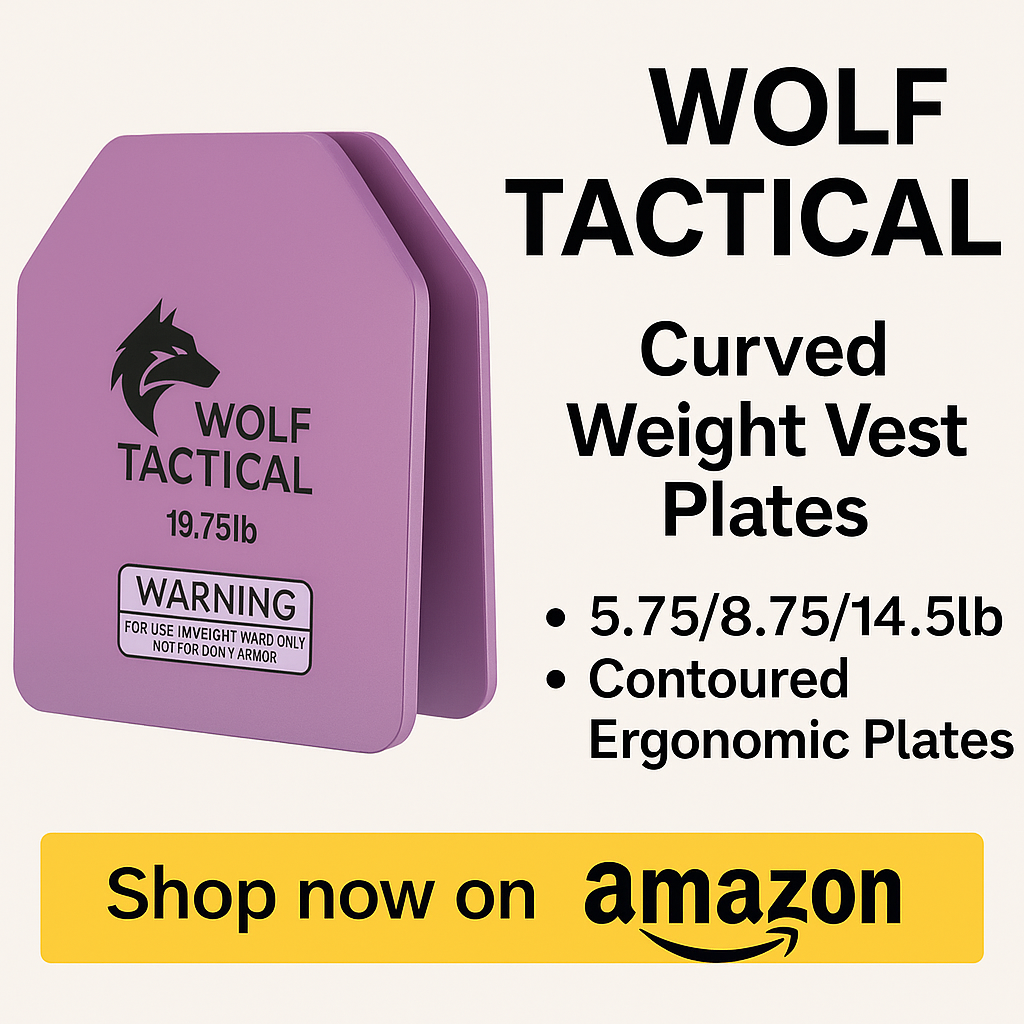
Low-profile is great, but many athletes prefer plate-based vests for durability and easy weight changes. Two dependable options:
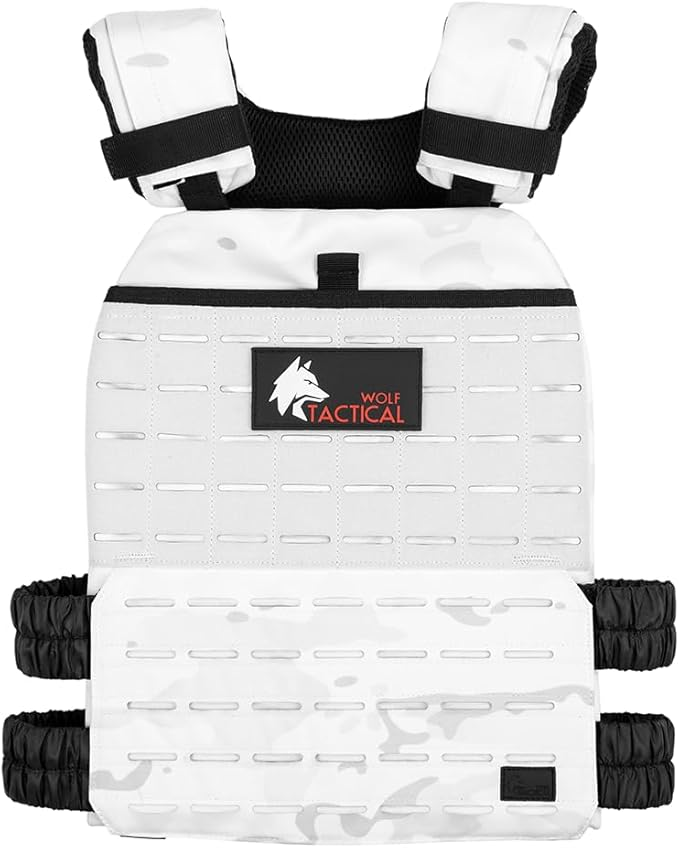
Wolf Tactical Adjustable Weighted Vest — a comfortable, beginner-friendly plate vest with secure fit and quick adjustability for walking, rucking, and circuits.

5.11 Tactical Unisex TacTec Trainer Weight Vest — durable, breathable, and widely used for functional training with excellent shoulder comfort.

Smart training structure
- Warm-up 5–8 minutes: ankle rocks, hip openers, band pull-aparts, and a light walk.
- Main set A (walk/ruck): 20–40 minutes at conversational pace, posture tall, arms relaxed.
- Main set B (optional): 3 rounds of push-ups, split squats, and rows (vest on) for 8–12 reps.
- Cool-down: calf and hip flexor stretches; remove vest and breathe into the ribs to restore mobility.
Estimate your calorie burn
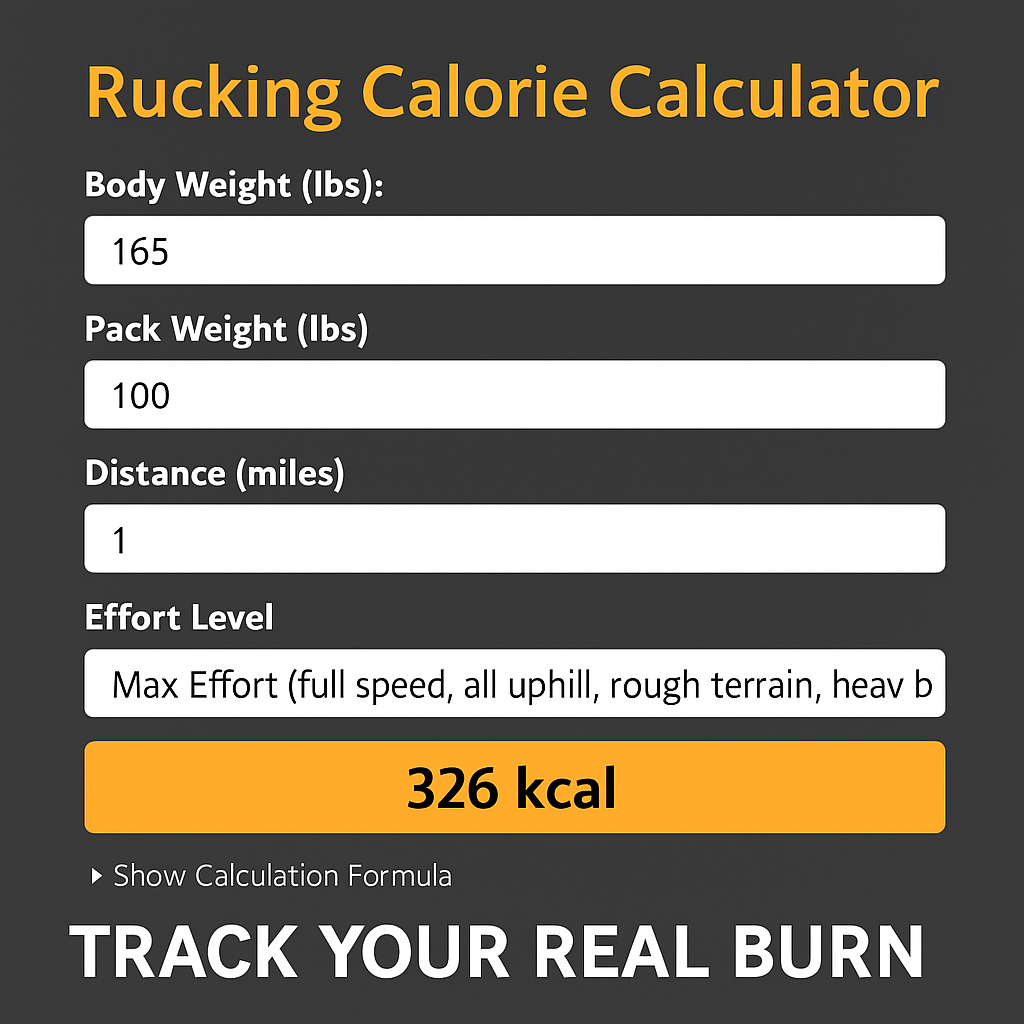
Dial in your effort by estimating how many calories you burn with weighted walks or rucks. Use the calculator below and adjust time, distance, and weight to match your plan.

Safety and progression
- If you feel tingling in arms, rib pressure, or numbness, loosen or remove the vest.
- Swap high-impact jogging for uphill walking to protect joints while keeping intensity high.
- Increase weekly load (time x weight) by no more than 10–15%.
- Rotate one light day for every two hard days to keep progress steady.
Whether you choose a hyper vest or a plate vest alternative, the key is consistent, well-fitted loading and gradual progression. Train outdoors, track your sessions, and let the results compound.