The Omorpho vest popularized “microloading” — spreading weight across the torso with small, evenly distributed loads. It feels sleek, moves well, and keeps jumping, sprinting, and agility work smooth. But is an Omorpho vest the best choice for walking, rucking, fat loss, and strength-based conditioning? Here’s how it stacks up and how to choose the right vest for your goals.
What the Omorpho vest does well
- Mobility-first design: Distributed weight rides close to your center of mass, so running drills, jump rope, shuttles, and sport-specific footwork stay snappy.
- Low bounce, low profile: Less slosh and fewer hotspots compared to some plate vests during dynamic movement.
- Beginner-friendly feel: A fixed, moderate load can make sessions feel controlled while you dial in form.
Where microloading can fall short
- Limited progression: Fixed loads cap your ability to increase stimulus. For fat loss and strength endurance, gradual load progression is key.
- Less versatility for long walks/rucks: If your goal is steady calorie burn with scalable weight, an adjustable vest or ruck setup usually wins.
- Cost versus capability: Premium pricing without easy weight changes may not fit every training plan or budget.
Who should pick an Omorpho-style vest?
If you prioritize athletic movement—sprints, agility, plyometrics, field sports—microloading feels great. For body recomposition, rucking, and progressive strength-endurance, you’ll benefit from an adjustable weighted vest that can scale from light to moderate-heavy loads over time.
Adjustable alternatives with real progression
For most walkers, ruckers, and circuit athletes, adjustable vests offer the widest training runway. Two strong options:
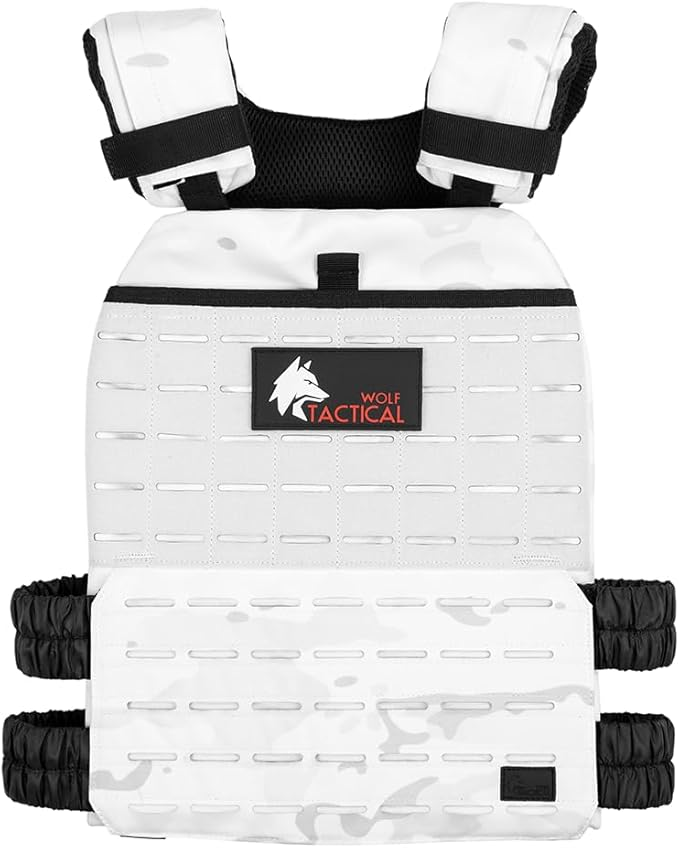
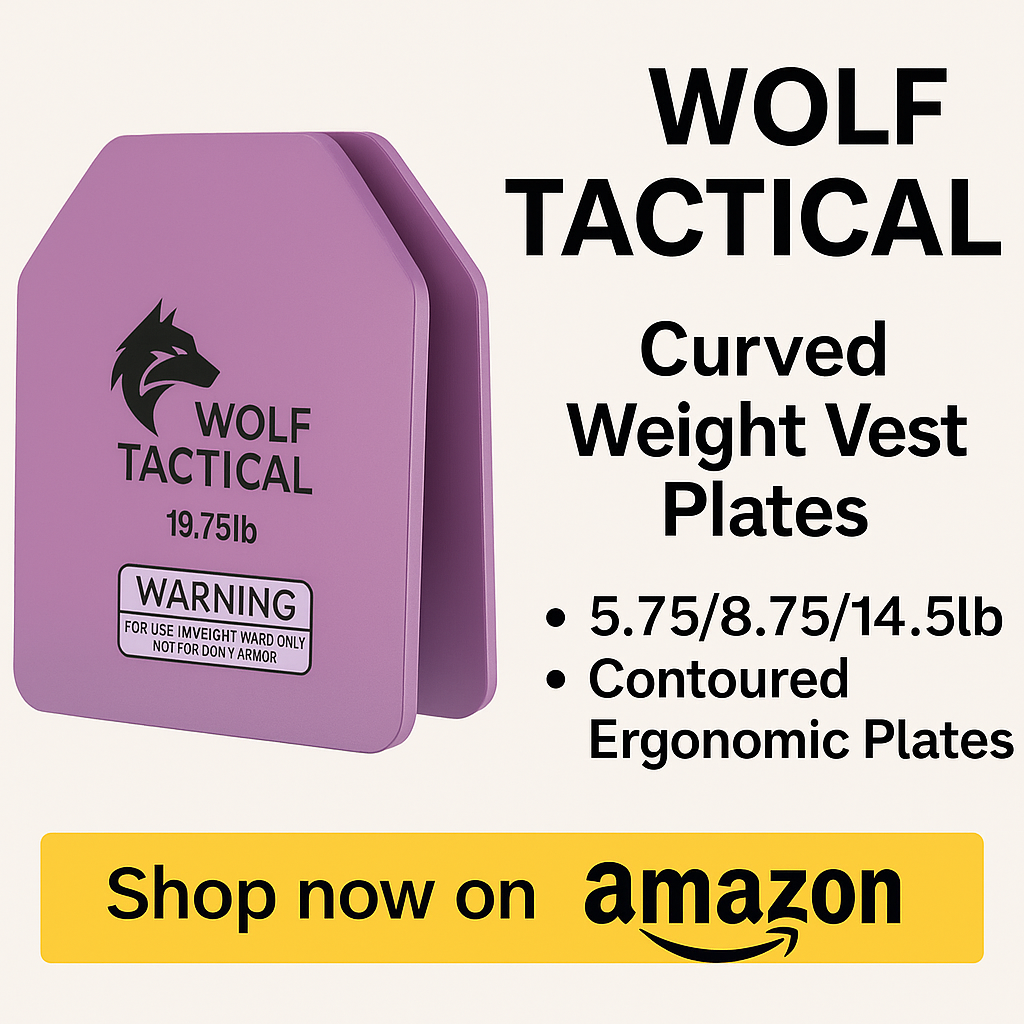
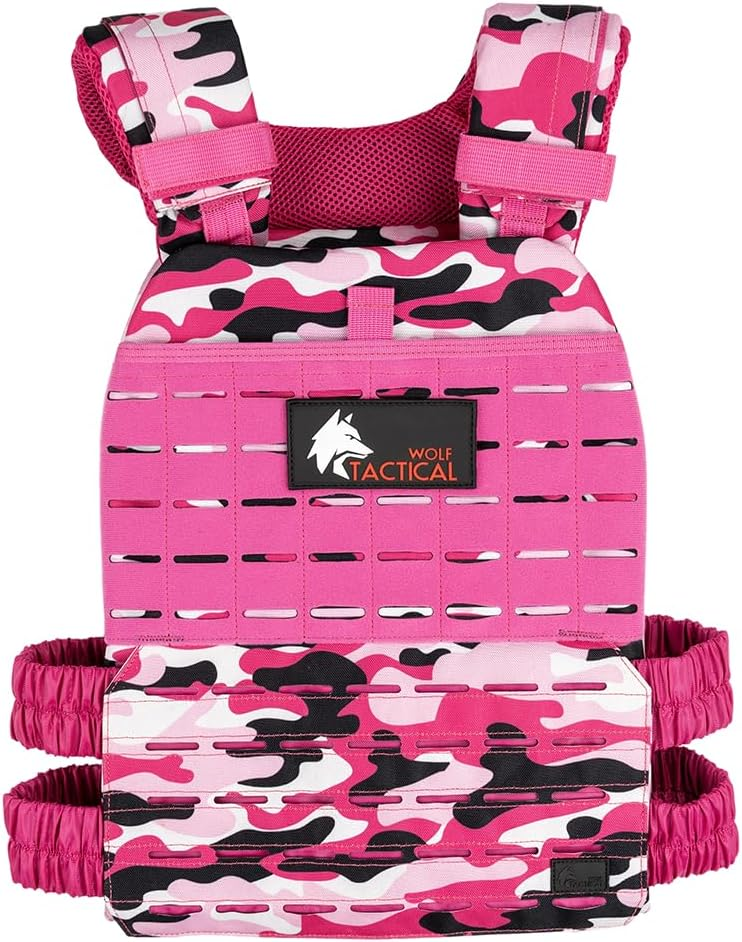
– The Wolf Tactical Adjustable Weighted Vest is comfortable, breathable, and easy to scale for walking, stair sessions, and bodyweight circuits.

– Prefer a premium fit and durability? The 5.11 Tactical TacTec Trainer Weight Vest rides close to the body and stays put for longer efforts and mixed cardio-strength work.

Programming: making either vest work
- Weighted walks/rucking: Start with 5–10% of bodyweight for 20–30 minutes, 2–3 times per week. Add time first, then weight in small steps.
- Hills or stairs: 6–10 repeats at conversation-pace effort. Keep posture tall; avoid leaning on rails.
- Run-technique or agility days: If using microloading, keep sessions short and crisp (10–20 minutes of drills) to protect mechanics.
- Calisthenics circuits: 3–5 rounds of push-ups, step-ups, rows, and carries. Maintain perfect form; reduce reps or load if needed.
How many calories will you burn?
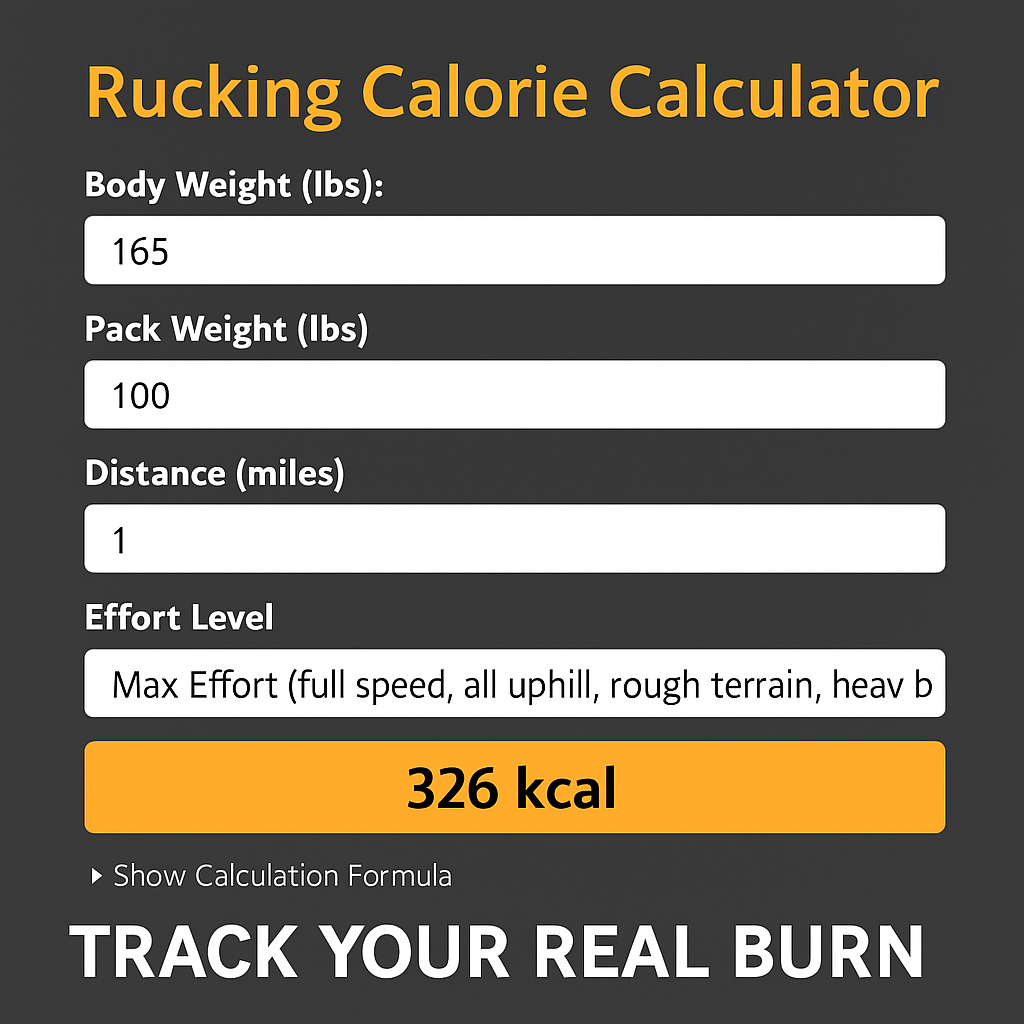
Your burn depends on bodyweight, pace, terrain, load, and time. Use our calculator to estimate your session and plan progression.

Bottom line
If you love athletic movement and want a sleek, low-bounce feel, an Omorpho-style vest can be a solid pick. If your main goal is fat loss, steady conditioning, and measurable progression, an adjustable weighted vest provides more value and flexibility. Choose the tool that matches your mission, then progress patiently and consistently.