Why a plate carrier vest workout works
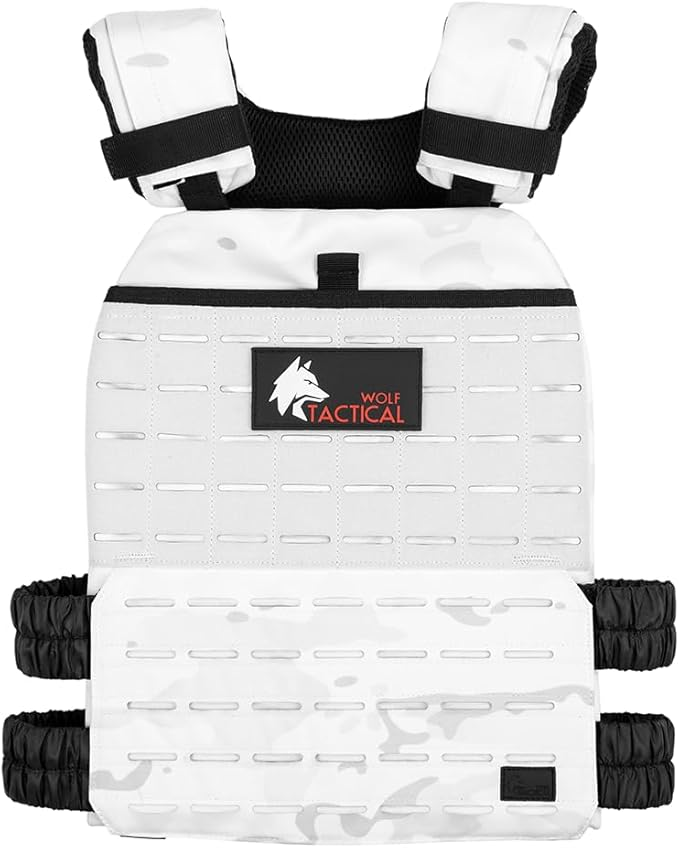
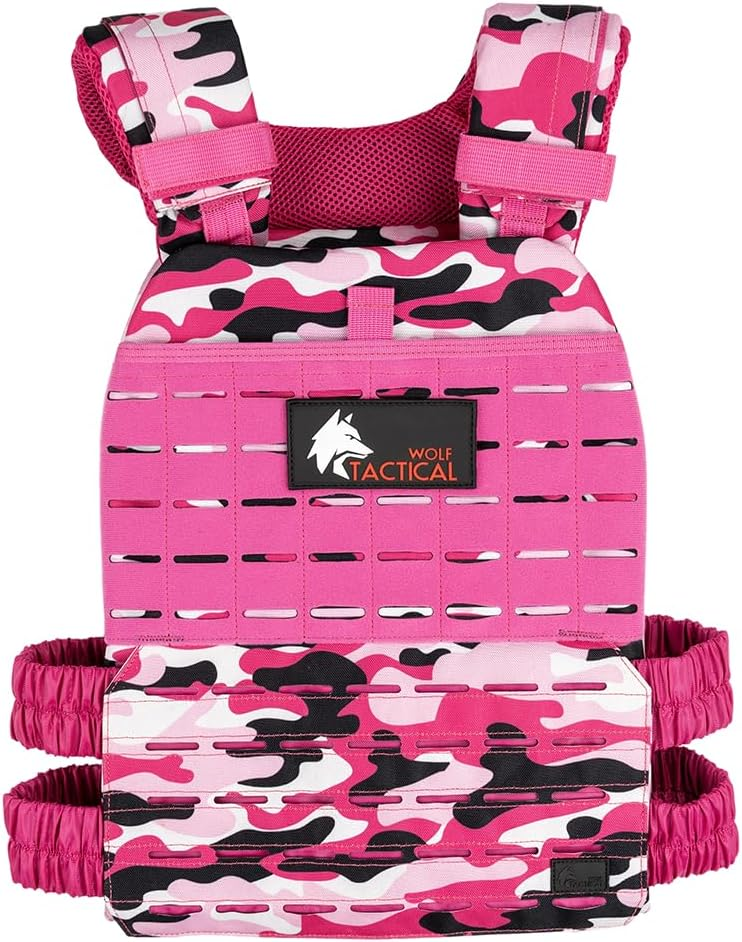
Plate carrier vests put rigid mass close to your centerline. That changes movement mechanics compared with soft weighted vests: you feel the load on your torso, your posture is challenged, and full-body tension matters. Used right, plate carrier training improves loaded strength, carries, sprint mechanics and long-distance rucking efficiency.
Who should use a plate carrier
Use a plate carrier if you want to: increase load capacity without sacrificing mobility, simulate operational kit for tactical athletes, or progress heavy calisthenics like weighted pull-ups, push-ups and lunges. If you’re just starting, begin with light plates or a training plate carrier before adding steel or ceramic plates.
Safety, fit and setup
Fit matters more with plate carriers than soft vests. The carrier should sit high on the chest without pinching the neck and should not restrict breathing. Start with a single small plate or rubber training plate and confirm you can breathe deeply, brace your core, and maintain scapular control during simple movements.
- Check shoulder straps and cummerbund tension — the rig should not shift during movement.
- Neutral spine and braced ribs: inhale, brace, exhale on effort for lifts and carries.
- Use controlled reps — plates change inertia, and momentum feels different than soft weight.
Sample plate carrier vest workout sessions
Below are two sessions you can rotate. Scale by plate weight and reps. Rest 60–120 seconds between sets for strength-focused work and 30–60 seconds for conditioning.
Strength circuit (2–3 rounds)
- 5–8 weighted pull-ups (or ring rows if needed)
- 8–12 push-ups with carrier
- 6–8 lunges per leg (slow, controlled)
- Farmer carry 60–90 seconds with the same load in a ruck or dumbbells
Conditioning metcon (AMRAP 12 minutes)
- 10 plate carrier squats
- 10 push-ups
- 200m loaded jog or fast walk
Use the strengthening circuit twice a week and the conditioning session once a week. Replace the loaded jog with a ruck for long-distance days.
Product note: plate carrier option
If you’re shopping for a durable plate carrier built for rucking and workouts, I recommend checking the GORUCK Ruck Plate Carrier 3.0 for its balance of comfort and modularity.

Programming tips and progressions
Increase plate weight conservatively — add no more than 5–10% of load per two weeks depending on recovery. Track reps, perceived exertion, and movement quality: when form breaks, reduce weight or reps. Pair plate carrier sessions with a simple strength plan (deadlift, hinge, squat variations) twice weekly to balance the anterior load of the carrier.
Quick checklist:
- Start light, prioritize breathing and bracing.
- Train full ranges of motion before adding mass.
- Mix strength days with loaded conditioning and long rucks.
Estimate your calorie burn
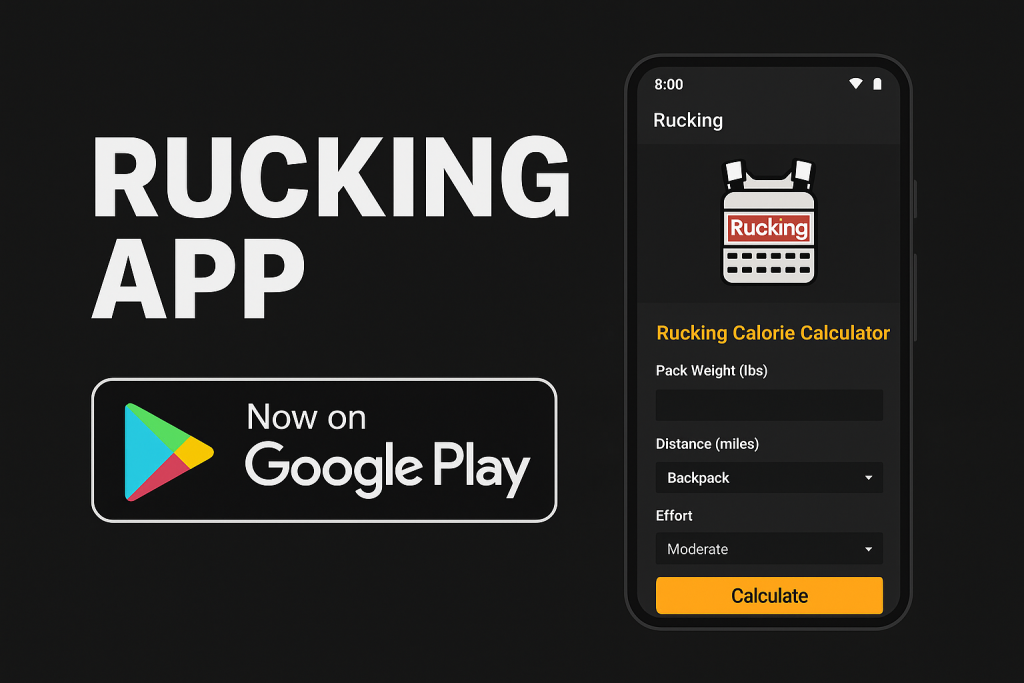
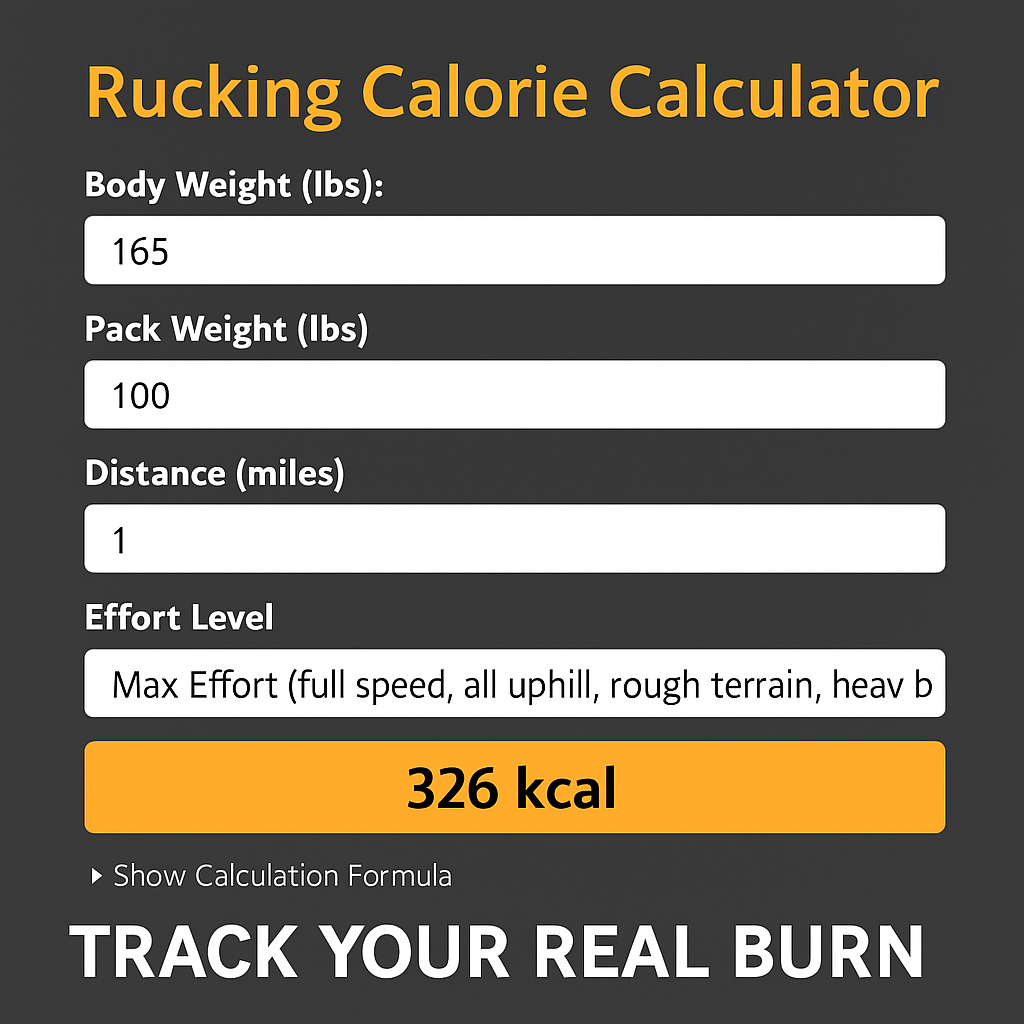
Want to know how many calories a plate carrier session burns? Use the rucking calorie calculator to estimate energy cost for loaded walks, runs and circuits. It’s the fastest way to plan training around nutrition and weight goals.

Final notes from my experience
I’m Preston Shamblen, ISSA-certified trainer — I lost 90 lbs through consistent rucking, weighted-vest training and disciplined nutrition, and I still recommend plate carriers and vests as reliable tools to maintain lower body weight and burn fat. Use the plate carrier to challenge posture and load-carry skill, but respect recovery and keep progress slow and sustainable.