Why a plate carrier workout vest works for strength and conditioning
A plate carrier workout vest changes the stimulus of bodyweight and cardio work by concentrating mass high and central on your torso. I’m Preston Shamblen, ISSA-certified trainer and the founder of this site — I lost 90 lbs through rucking, weighted-vest training, and disciplined nutrition, and I still recommend plate carriers and weighted vests as one of the most reliable ways to maintain lower body weight and burn fat consistently. Used correctly, a plate carrier can improve squat and hinge strength, increase work capacity, and force better posture under load.
One quick tool: estimate your calorie burn while training
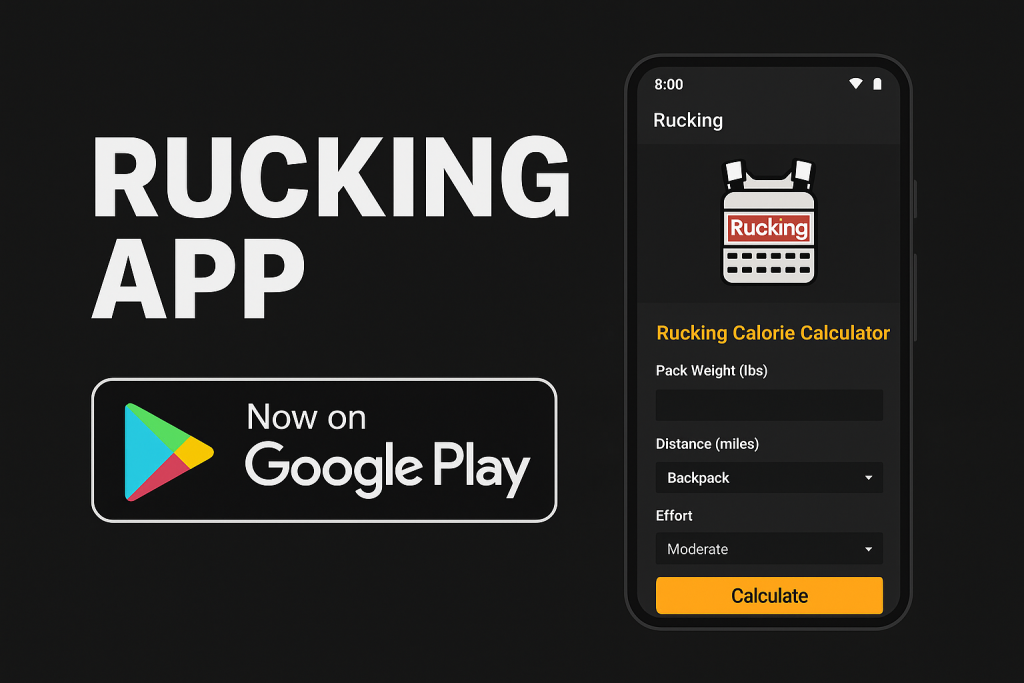
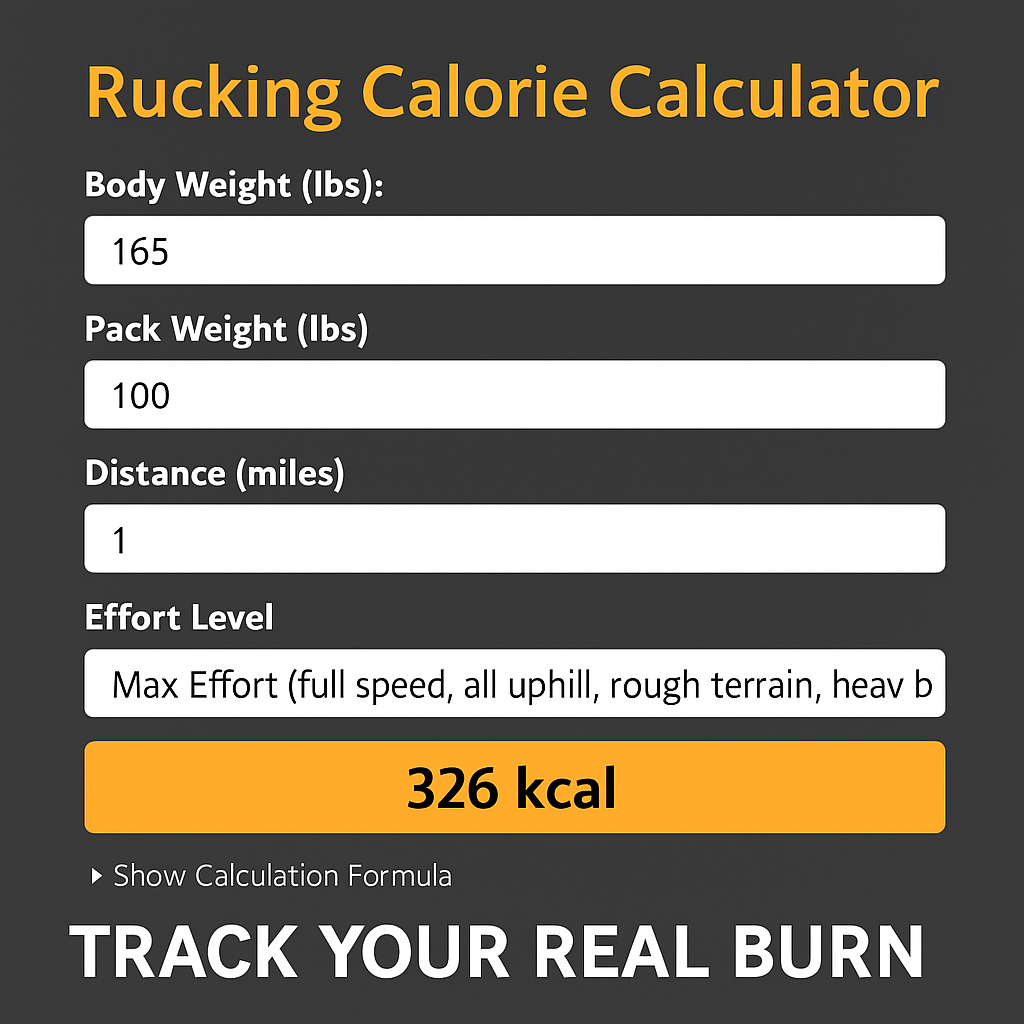
Before we get into programming, use this rucking calorie calculator to estimate calorie burn for loaded walks and conditioning sessions. I use it to plan recovery and nutrition on heavier weeks.

Safety first: fit, mobility, and load progression
Plate carriers are less forgiving than soft vests. The panels concentrate weight and can change your center of mass quickly. Follow these fundamentals:
- Fit: Tighten straps so the plates ride high across your sternum and upper abs. Low plates will pound your hips and lower back during impact movements.
- Start light: Build a base with bodyweight and a light vest. Add 5–10% bodyweight increments to practice movement patterns before ramping up.
- Watch posture: Keep shoulders back, core braced, and hips driving. Plates magnify rounding and forward lean — focus on hinge mechanics.
- Protect joints: Use softer surfaces for high-impact drills at first and emphasize gradual exposure to load and distance.
Programming examples for plate carrier training
Choose sessions that match your goals — strength, conditioning, or mixed modal work. Here are three practical templates I use with clients:
- Strength (2x/week): Heavy goblet squats or Bulgarian split squats with plates in the carrier — 4 sets of 5–8 reps, slow eccentric, full recovery.
- Conditioning (1–2x/week): 30–45 minute loaded walk or ruck at conversational pace. Use the calorie calculator linked above to manage daily intake on heavy weeks.
- Metcon (1x/week): AMRAP 12: 10 push-ups, 10 weighted lunges, 200m loaded jog — scale reps and weight to preserve technique.
Gear I recommend for plate carrier work
For heavy strength and calisthenics built around plate loading, I favor robust systems that accept steel or bump plates. Two reliable options are below — use them as tools, not toys.

See the Kensui EZ-VEST® MAX V2 for heavy, performance-focused plate work. It accepts high loads and keeps plates stable during dynamic movement.

The GORUCK Ruck Plate Carrier 3.0 is a solid choice if you blend gym calisthenics with short rucks — it’s durable and comfortable for repeated outdoor use.
Final notes — program, track, and recover
Record load, reps, and perceived effort. If your technique breaks down, reduce weight or volume. Use the calorie calculator to align calories with training load and to avoid underfueling. When done correctly, a plate carrier workout vest is one of the most time-efficient ways to build strength, improve posture, and increase daily calorie burn.
Train smart, progress slowly, and treat the plate carrier like a tool—not a badge.