What is weighted clothes training?
Weighted clothes training means adding load to the garments you wear — think weighted shirts, ankle weights, or small plates in pockets — to increase the work your body does during normal movement. It’s a low-profile, high-consistency method to boost daily calorie burn, improve posture under load, and build functional strength without separate gym time.
Why use weighted clothes instead of a vest?
Weighted vests concentrate load around the torso. Weighted clothes spread load more subtly and can feel more comfortable during daily activity. That said, as load increases, a purpose-built vest is often safer and more stable. Start light and prioritize movement quality.
Benefits
- Higher daily energy expenditure without extra workouts.
- Improved gait and posture when load is distributed correctly.
- Better carry-over to real-world tasks (lifting groceries, moving gear).
- Low time commitment — you wear the weights during routines you already do.
Practical progression and safety
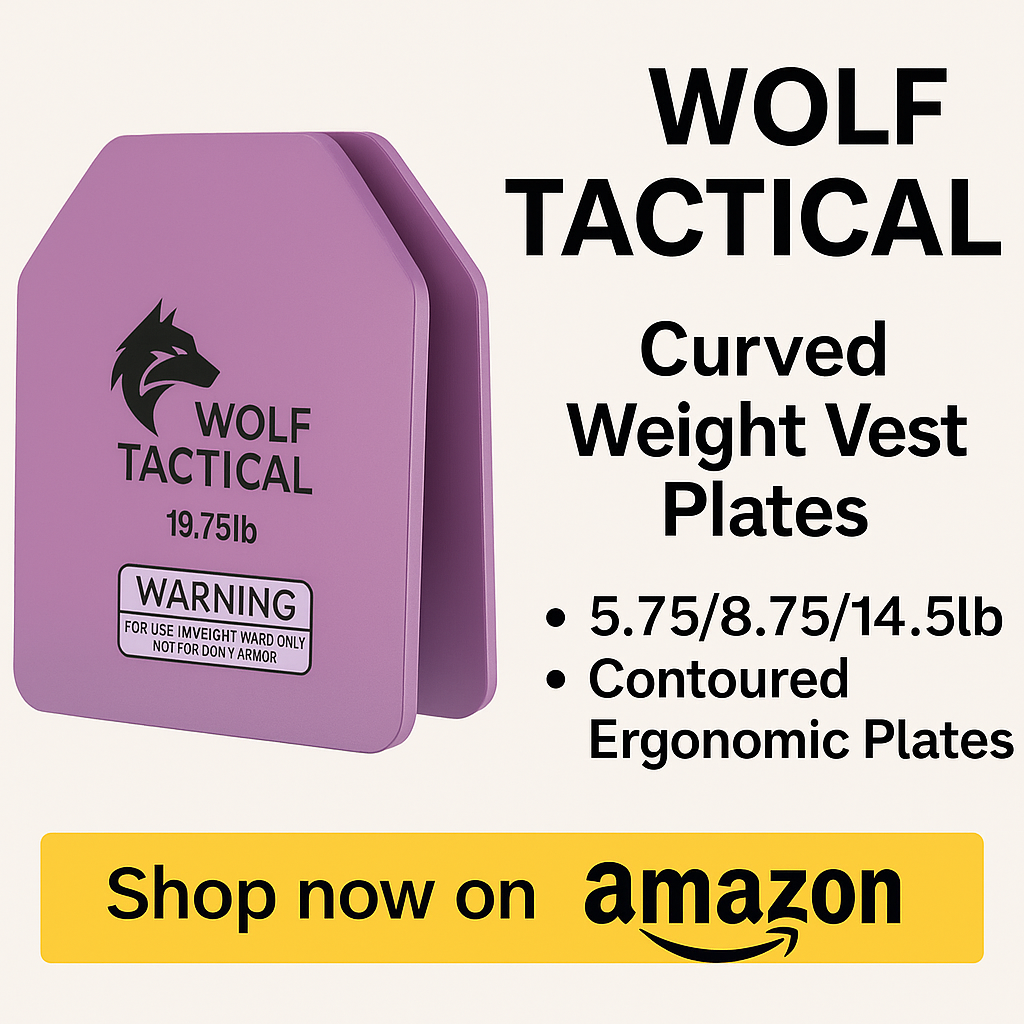
No percentage of bodyweight guarantees that weighted clothing is safe for daily wear. Use equipment designed to retain its weights, test it for a short session, and avoid loose plates in ordinary pockets. Stop if the load changes your gait, causes pain, or restricts breathing. Ankle weights and torso vests are not interchangeable.
Common progressions
- Week 1–2: 1–2% bodyweight, 20–30 minute walks or normal daily wear.
- Week 3–6: 2–4% bodyweight, extend to 45–60 minutes or add steps.
- After week 6: reassess posture and joint comfort; transition to a weighted vest for heavier loads.
Comfort, fit, and gear recommendations
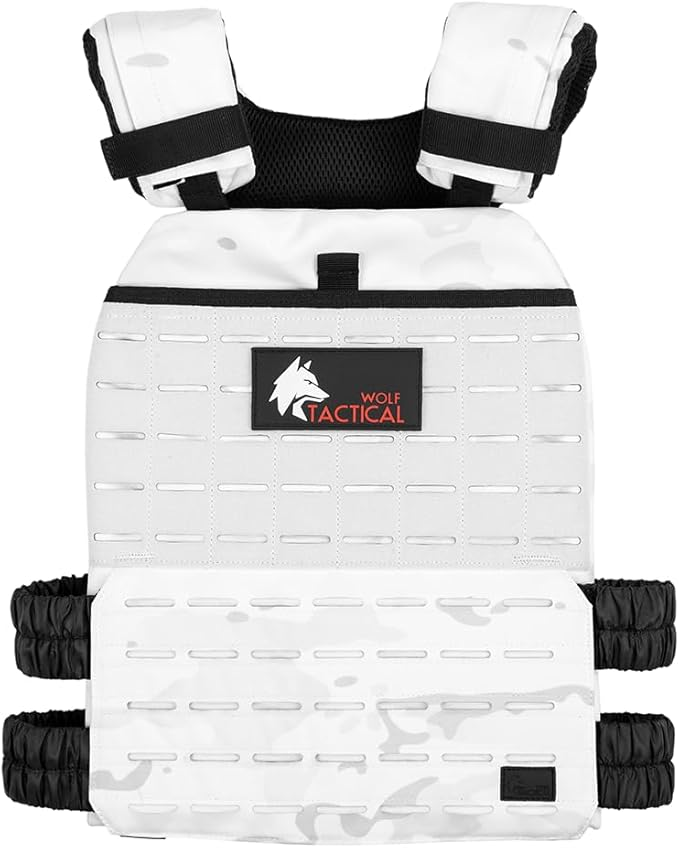
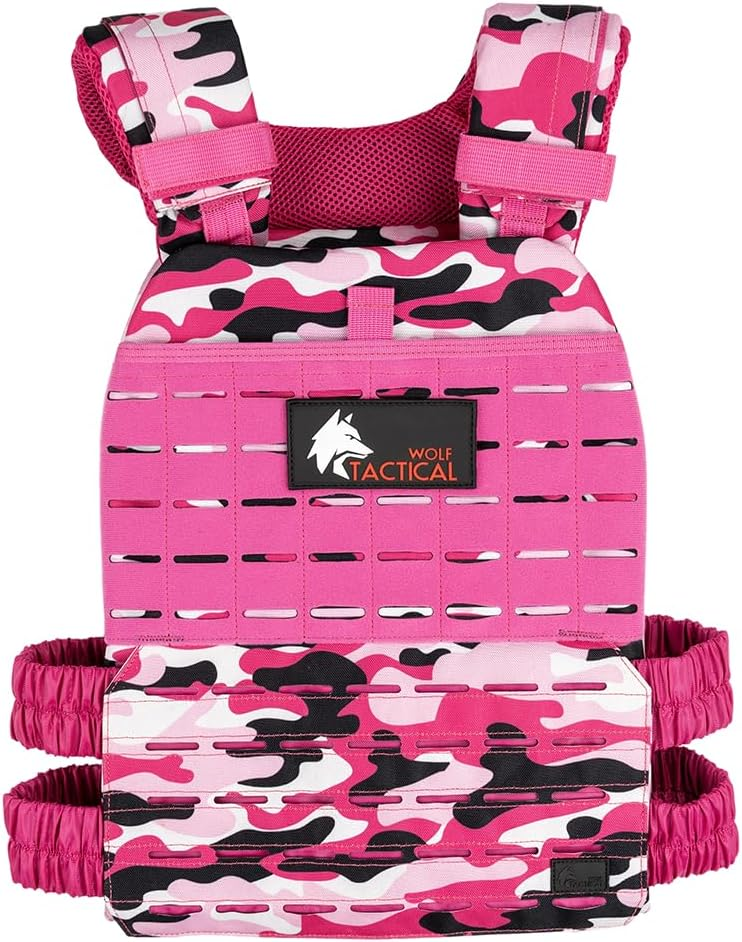
For everyday weighted clothes work, favor garments or modular products that won’t chafe and let you adjust balance quickly. If you need a step up from ad hoc weights, a light, breathable vest designed for mobility is the best next move. For those starting or prioritizing comfort, consider the WOLF TACTICAL Simple Weighted Vest.

If you plan to carry heavier, longer walks, or backpack-style loads later, move to a ruck or dedicated carrier for stability and to protect your spine.
How to measure effectiveness
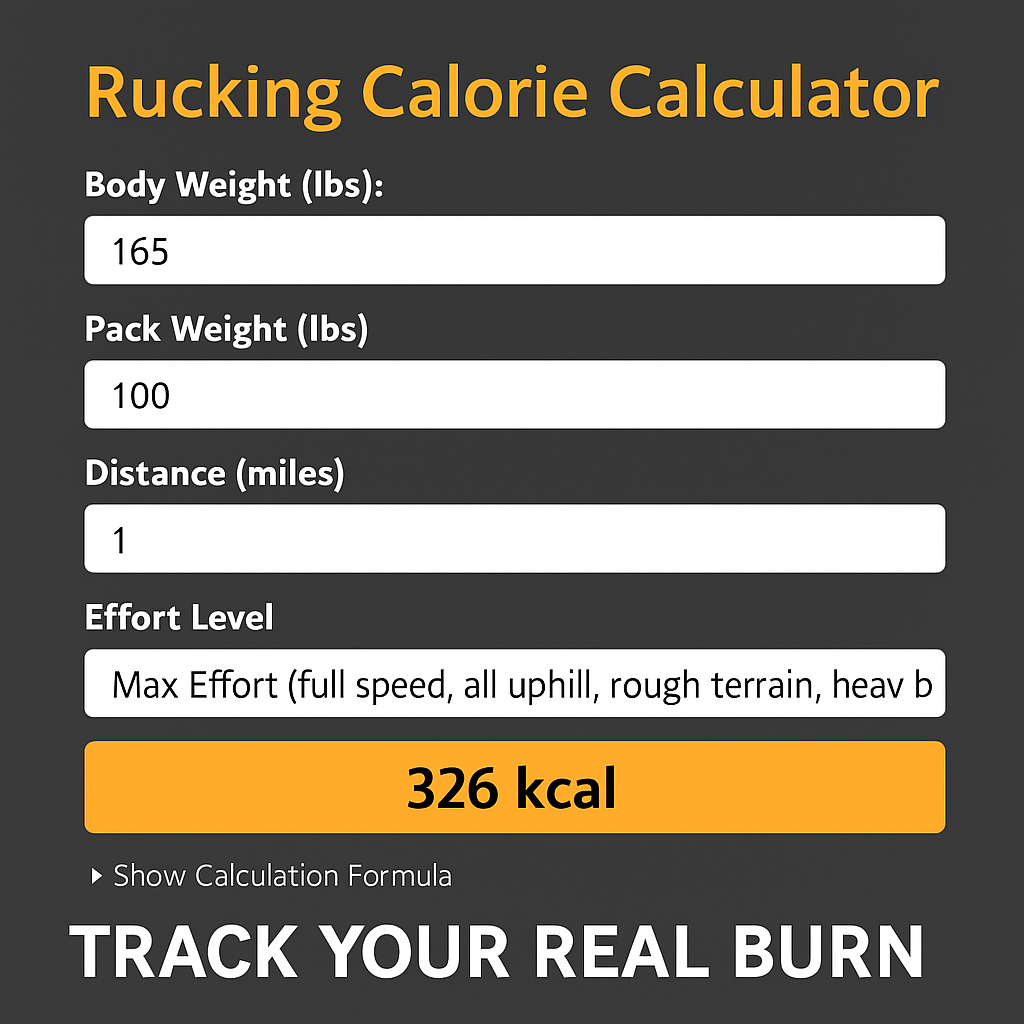
Track your steps, heart rate, and perceived exertion. For a quick calorie estimate, use the Rucking Calorie Calculator to compare your baseline walking burn with and without added load:

That calculator gives a practical, outdoor-tested estimate you can use to adjust load and duration. If you want to validate progress, measure weight, waist, and performance in walking or stair climbs every 2–4 weeks.
Programming tips
- Integrate weighted clothes into low-impact daily activity first (walking, chores).
- Avoid plyometrics or fast sprinting in unbalanced clothing — sudden impacts transmit poorly with distributed soft loads.
- Pair with basic strength work twice weekly to protect joints (squats, hip hinges, rows).
- Prioritize recovery: sleep, hydration, and simple mobility after long wear sessions.
Summary
Weighted clothes training is an efficient, low-barrier strategy to increase daily work and build resilience. Start light, prioritize symmetry and posture, track results with the calorie calculator linked above, and progress toward a stable vest or ruck as loads increase.