Overview: Rogue cast weight vest plates
Rogue cast weight vest plates are dense, cast-metal inserts designed to add heavy, compact load to a weighted vest. They appeal to lifters and ruckers who want a minimal-profile, durable plate that stays low and centered on the torso. This guide covers compatibility, fit, training use, and safe practices so you can decide whether cast plates are the right tool for your weighted-vest work.
Fit and compatibility
Not all vests accept cast plates. Many modern vests use soft pockets or modular plate carriers sized for proprietary plates. Before buying Rogue cast plates, measure the internal pocket dimensions of your vest and check plate thickness. Cast plates tend to be thinner but denser than polymer or sand-filled inserts, which can help with balance—if they fit.
- Confirm pocket width, height, and opening orientation.
- Test placement low on the back or front to keep the center of gravity near your spine.
- Consider a plate carrier built for metal inserts if you plan to go heavy long-term.
Durability and materials
Cast iron and steel plates are highly durable—no seams, no burst risk, and predictable weight. The trade-offs are noise, potential rust, and added sternum pressure if the vest lacks adequate padding. Use cloth sleeves or thin foam layers inside the pocket to protect both the vest and your skin when using raw cast plates.
Training uses: when cast plates shine
Cast plates are best when you want compact, heavy loading without a bulky profile. That makes them useful for:
- Short, heavy rucks where you need maximum load in minimal space.
- Weighted calisthenics where a low, stable center of mass reduces rocking.
- Progressive strength overload—small incremental plates let you add 5–10 lbs reliably.
Safety and movement considerations
Heavy cast plates change how your body moves. Take these steps:
- Start with lighter loads and work up—give your joints and connective tissue time to adapt.
- Wear a well-fitted vest with solid retention so plates don’t shift during dynamic movements.
- Protect your spine by keeping load centered and avoiding extreme forward lean on long walks.
Practical setup tips
Small changes make heavy cast plates feel more manageable:
- Layer thin padding between plate and vest pocket to reduce rattling and pressure points.
- Distribute weight across front and back when doing long-distance rucks to maintain posture.
- Use a chest strap or sternum buckle to stabilize the vest if plates cause vertical shift.
Recommended alternative plates and carriers
If you want a product designed for extreme weighted-vest use, consider options built for heavy loads. The Kensui EZ-VEST® MAX V2 is built to accept very heavy loads and perform under hard sets and rucks; it’s ideal when planning 200–300+ lb training cycles.

For budget-friendly plate options sized for rucking, the Yes4All Ruck Weight Plate pairs well with soft vests and DIY carriers.

Estimate calorie impact
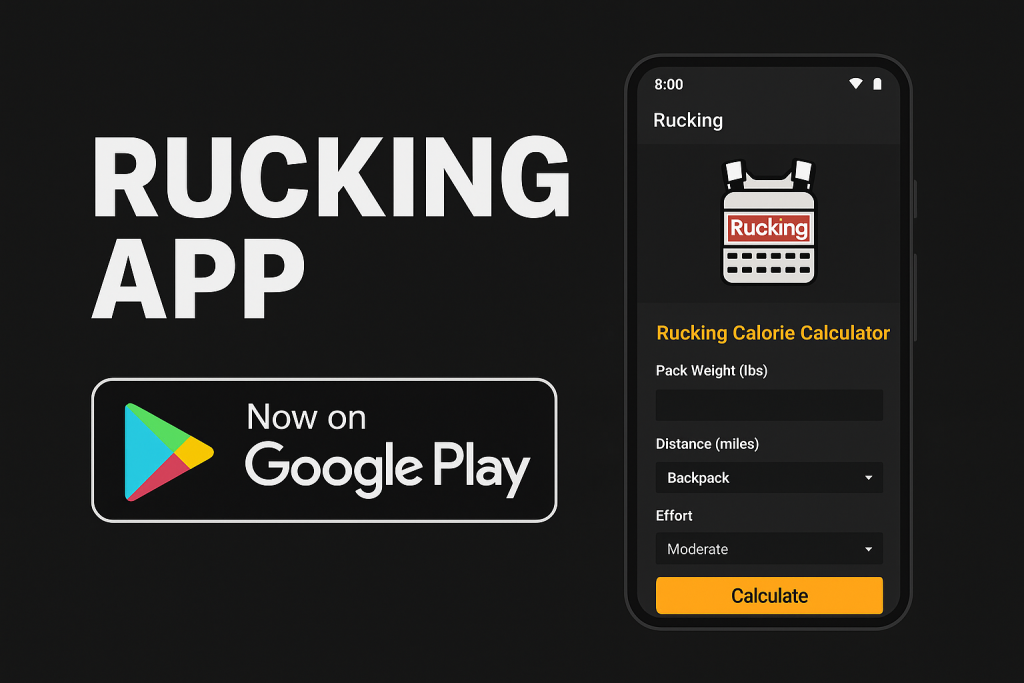
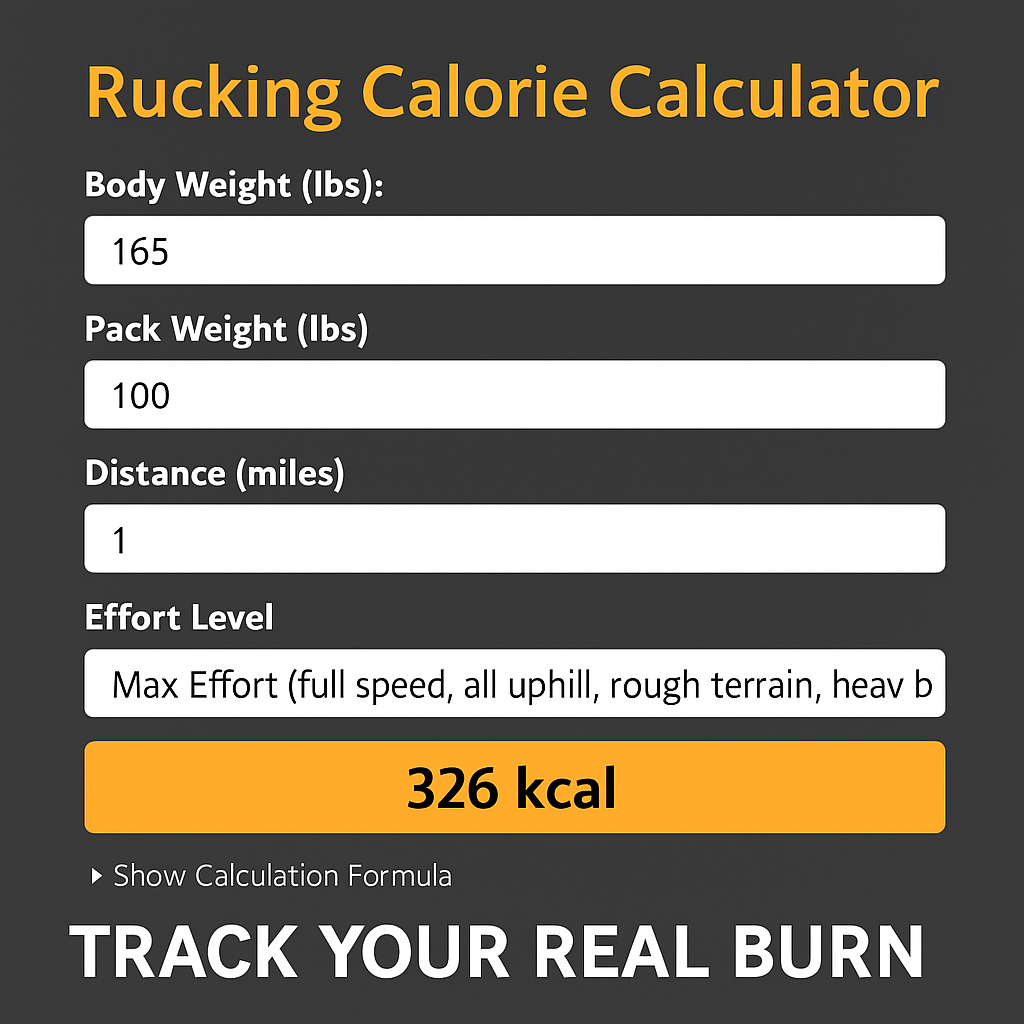
Curious how cast plate weight affects calorie burn during a ruck? Use the Rucking Calorie Calculator to estimate burn for weighted walks with plates. The calculator accounts for weight, pace, and load—helpful for planning sessions and recovery.

Bottom line
Rogue cast weight vest plates are an excellent choice when you need compact, durable metal weight. Confirm fit, protect your vest and skin, and progress sensibly. If you plan heavy, frequent loading, use a purpose-built carrier like the Kensui EZ-VEST or pair plates with a stable ruck plate system such as Yes4All to get the safest, most productive results.