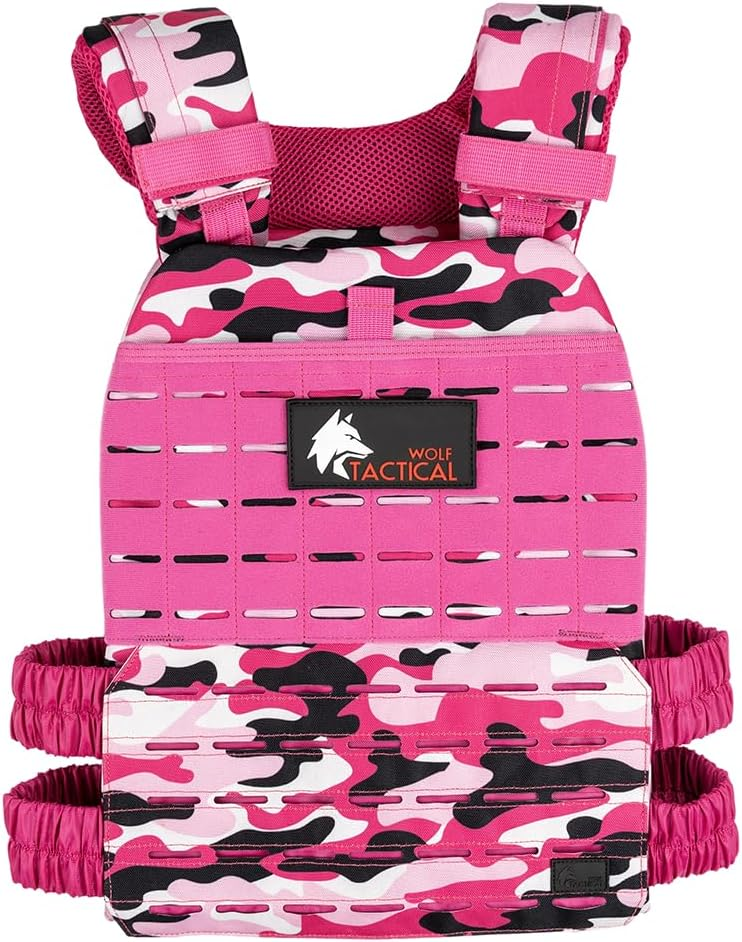
Why the supreme gear weighted vest matters for outdoor training
Weighted vests change the stimulus of walking, rucking, and bodyweight work without adding complexity to your routine. The supreme gear weighted vest is built to balance load, limit bounce, and stay comfortable on longer outings—three non-negotiables if you want sustainable fat loss and performance gains.
What to look for in a good weighted vest
When choosing a vest, prioritize fit, adjustability, and how the load sits during repeated motion. If a vest rides up, rubs, or shifts, you’ll either slow down or stop training. Here are the main features I test on the trail:
- Close, even compression over the torso—prevents bounce and protects posture.
- Modular weight option—start light and add plates or pouches to progress.
- Durable materials and reinforced stitching for outdoor use.
- Breathability and padding where the vest contacts shoulders and chest.
Using a supreme gear weighted vest for rucking and walking
Start lighter than you think. For most people that means 5–10% of bodyweight for steady-state rucks and up to 15% when adding shorter, more intense intervals. Keep cadence steady and posture tall: a vest should feel like a natural part of your movement, not an awkward extra limb.
Structured sessions I recommend
- Beginner: 20–30 minute brisk walk with 10% bodyweight, 2–3x per week.
- Progression: 45–60 minute ruck with 10–12% bodyweight, once per week plus two lighter walks.
- Strength-focused: weighted vest calisthenics (push-ups, pull-ups, squats) paired with short ruck intervals.
I became committed to weighted-vest work after watching small, consistent additions to load change my body composition. As the founder of this site and an ISSA-certified trainer, I lost 90 lbs through rucking, weighted-vest training, and disciplined nutrition, and I still recommend weighted vests as one of the most reliable ways to maintain a lower body weight and burn fat consistently.
Comfort tips specific to the supreme gear weighted vest
Comfort is training currency—more comfort means more days you actually train. Break in a new vest on short walks, adjust straps to distribute load evenly, and use a thin base layer to reduce chafing. If you plan long-distance rucks, pair the vest with a proper load-bearing pack or hydration system.
Recommended complementary gear
For longer rucks or when you want additional storage and comfort, consider a ruck backpack like the GORUCK Rucker 4.0 20L. It functions as a primary carry system with the vest handling torso load and the ruck handling gear and hydration.

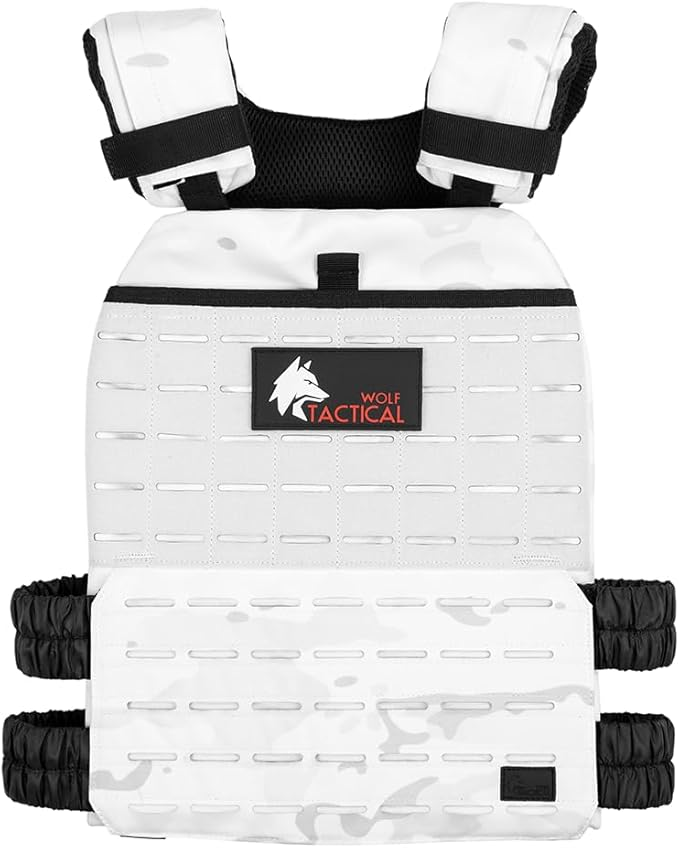
For a beginner-friendly vest option, the WOLF TACTICAL Simple Weighted Vest offers low-profile comfort and easy adjustability.

Estimate your calorie burn
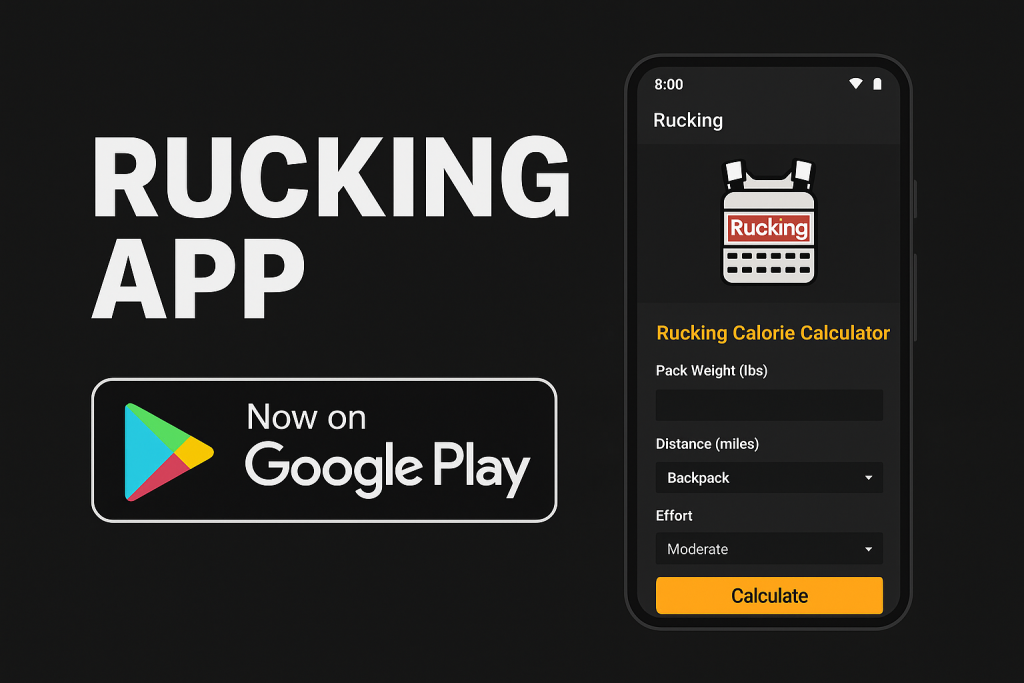
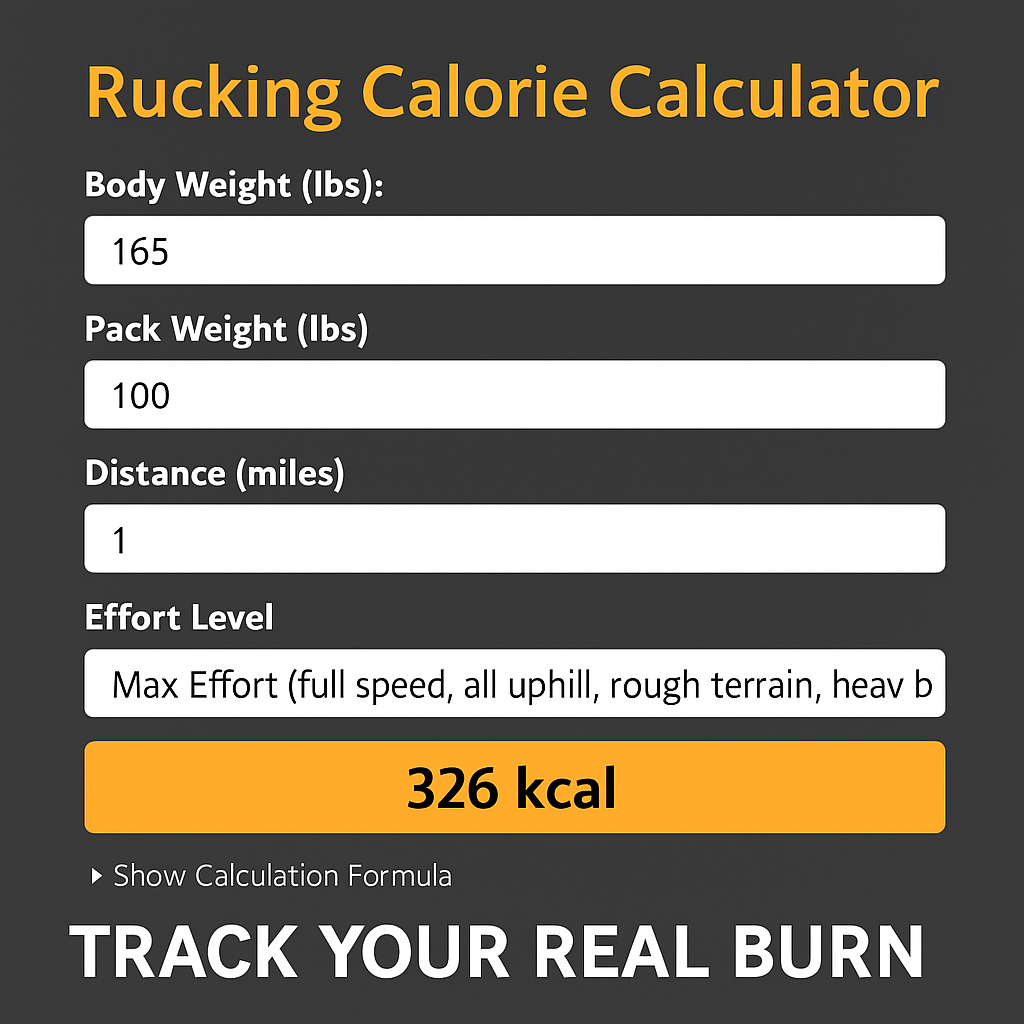
To plan weight-loss progress, use the Rucking Calorie Calculator to estimate calories burned with a vest or ruck. Enter time, pace, weight, and additional load for a practical target.

Use the results to set realistic nutrition and weekly activity goals. Consistency beats extremes: progressive overload across weeks—more minutes, a bit more weight, or a small increase in pace—will produce measurable change.
Final practical pointers
- Prioritize consistent sessions over heavy, sporadic efforts.
- Listen to your body and progress load slowly—shoulders and hips adapt at different rates.
- Track time under load and calories burned so adjustments are data-driven.
When you treat a weighted vest as durable training gear rather than a quick gimmick, it becomes one of the easiest ways to add meaningful stimulus to everyday movement. Train outdoors, keep it simple, and let steady progress add up.