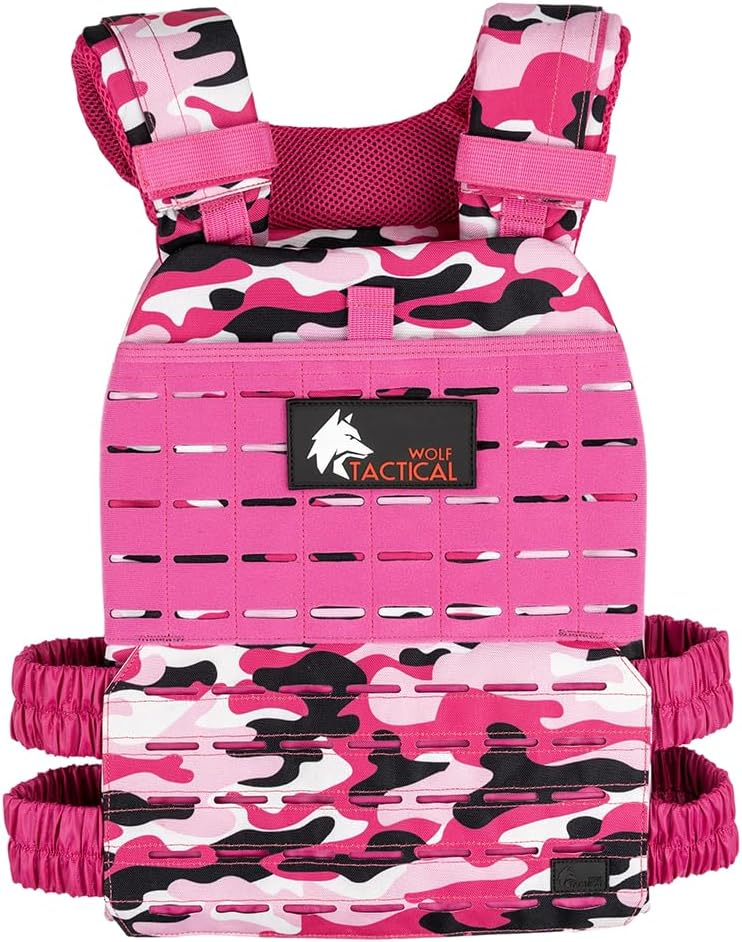
Weighted vest plates add a known resistance when used in a compatible carrier. Their most useful feature is predictable loading, not a guarantee of unchanged gait or reduced joint stress.
Calculate before comparing sessions
Record the weight of each insert and the empty vest. A pair may create a much bigger increase than a single number suggests. If you need smaller adjustments, choose a system designed for them rather than placing improvised fractional weights in a plate pocket.
- Distinguish individual insert weight from pair weight.
- Use a scale for the complete carried load.
- Check closure engagement after every approved insert change.

Check compatibility before loading
Match the exact plate length, width, thickness, and shape to the carrier manufacturer’s approved inserts. Pocket dimensions alone do not establish compatibility: the closure must fully engage, retention must work, and the load must stay within each pocket’s rating. A ruck plate made for a backpack is not automatically a vest plate.
Use the intended front and back pockets and the manufacturer’s loading pattern. Do not improvise stacks, place extra plates in accessory pouches, or wedge loose weights into gaps. Count both inserts and the empty carrier in total carried weight. Swap plates with the vest removed on a stable surface, then recheck closures before a short movement test.
If you have back, neck, joint, or balance problems, discuss added-load exercise with a clinician before starting. Harvard Health explains the cautions around wearable weights.
Compare gear by loading system
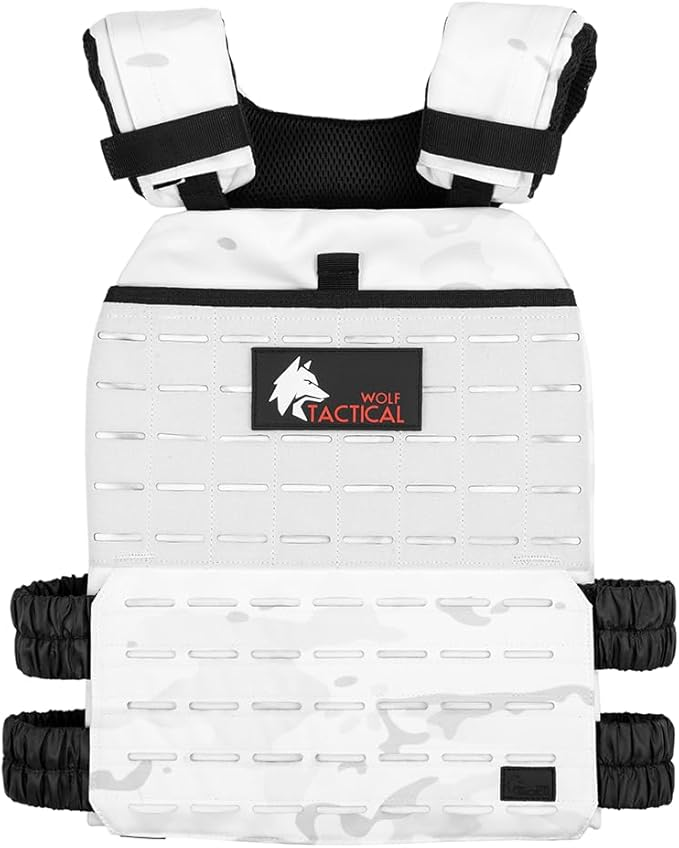
For an alternative with front-and-back training plates, compare the Wolf Tactical weighted vest plate carrier. Confirm which inserts are included and their compatibility. The vest-and-plates listing is another configuration to check; selected bundles may differ.
As an Amazon Associate I earn from qualifying purchases. Some gear links are affiliate links.
Track loaded walks with the Rucking app
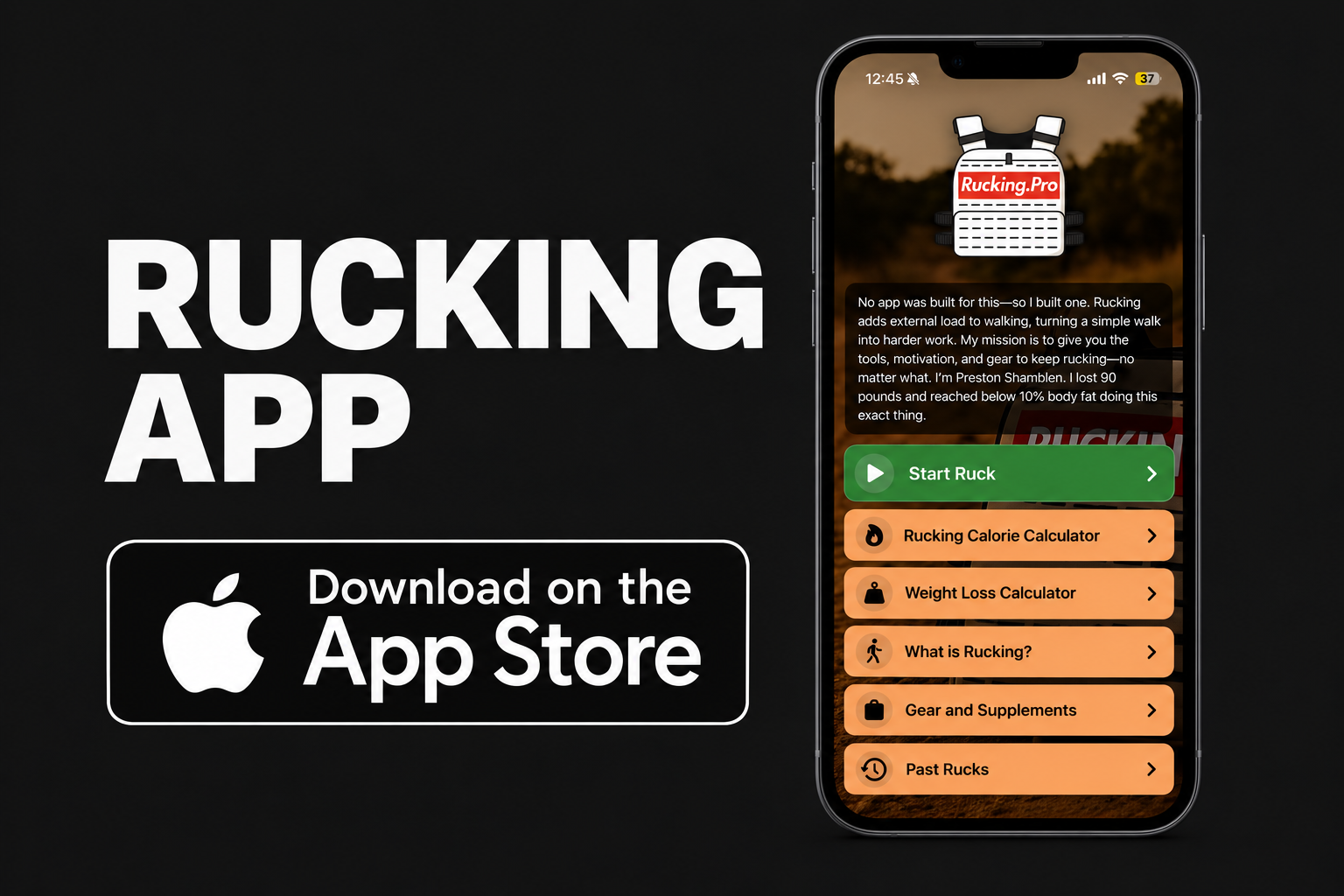
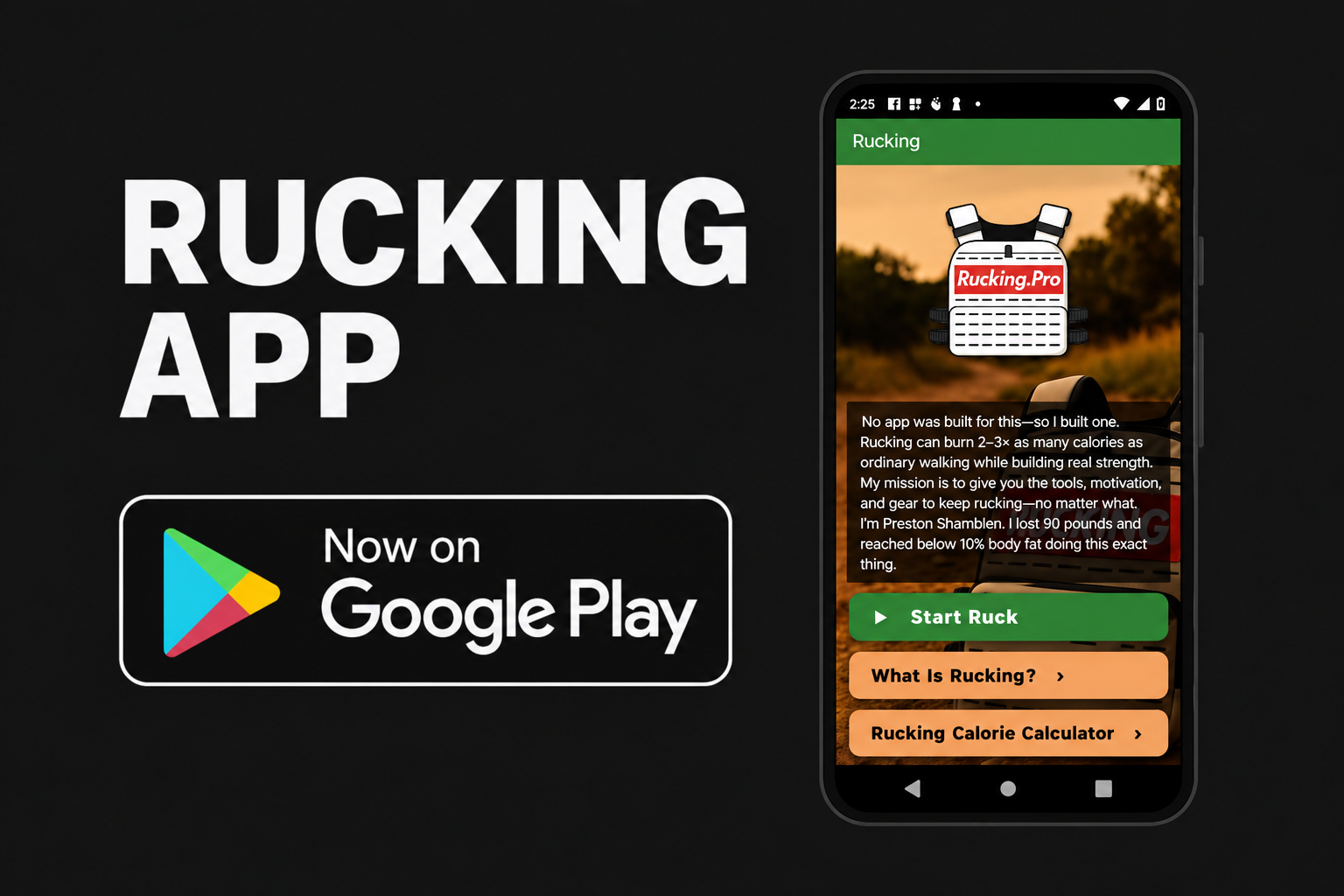
For the walking part of your routine, record total carried weight, route, distance, pace, and time. Compare similar sessions rather than judging progress only by a calorie number. The Rucking app is available for iPhone and Android.


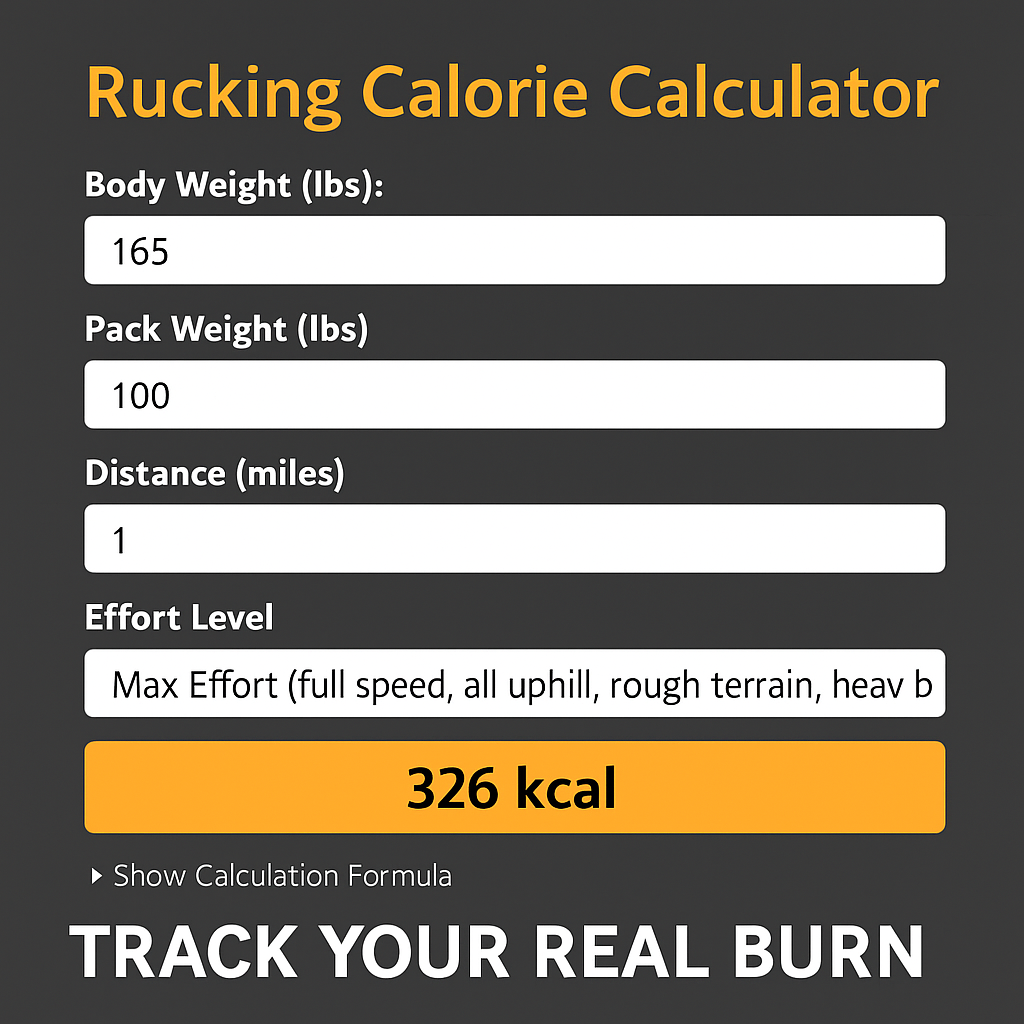
Plan a loaded walk with the Weighted Vest Calorie Calculator or Rucking Calorie Calculator. Use the Rucking Weight Loss Calculator to explore longer-term projections alongside your nutrition plan. These are estimates, not measured energy expenditure or promised weight loss. Walking estimates do not measure a lifting session, mixed WOD, running workout, or therapeutic effect.
Related guide: Plate carrier guide.