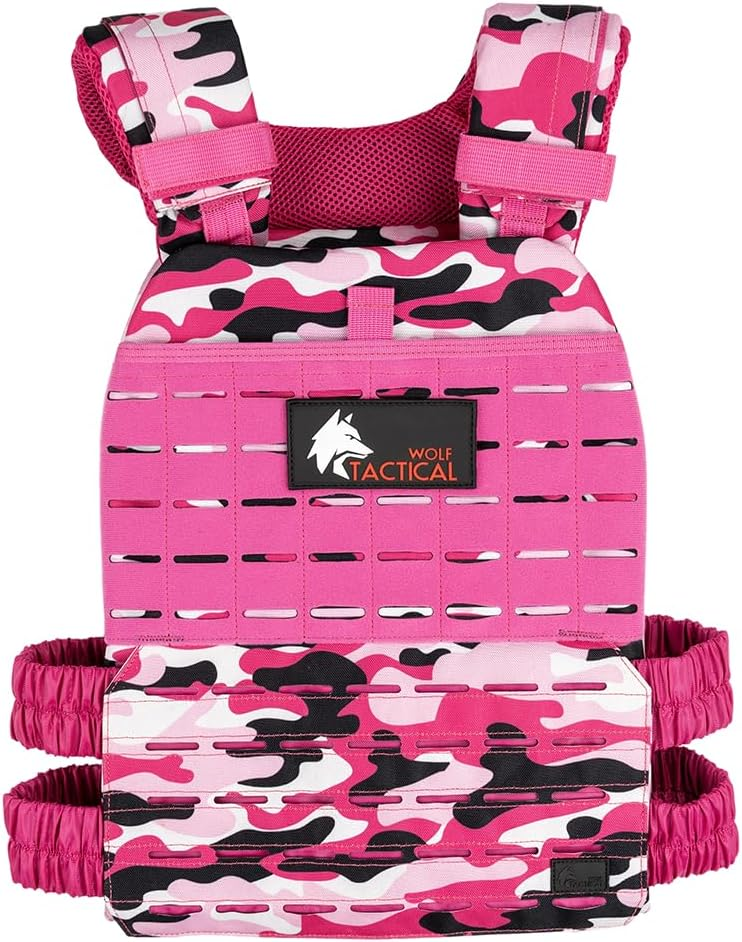
Why use a weight jacket for walking?
Adding a weight jacket to walking is one of the simplest ways to increase calorie burn, build posterior chain strength, and make steady-state cardio more productive without drastically changing form. A well-fitting jacket keeps load centered on your torso so the hips and knees move naturally—unlike poorly placed packs or ankle weights that can alter gait and increase injury risk.
Key benefits
- Higher calorie burn per mile while keeping hands free.
- Improved posture and core engagement when fitted correctly.
- Simple progressive overload: add small increments over weeks.
Fit, comfort, and what to look for
Fit is everything with a weight jacket. Look for a jacket that sits high on the torso, has adjustable straps, and uses distributed slim plates or small pockets rather than a single heavy panel. That minimizes bouncing and shear on the shoulders. For most walkers, a jacket that starts at 10–20% of body weight is sufficient for progression; beginners should begin much lighter and prioritize technique.
Material and ventilation
Choose breathable panels and a design that allows shoulder and scapular motion. Many jackets now use breathable mesh and low-profile plates—these reduce chafing during longer walks. If you’ll be out in hot weather, factor in sweat management and consider a hydration solution alongside the jacket.
Progression and safety for walks
Progression should be gradual. Follow a 2–4 week step-up approach: use a lighter vest for the first 2–4 walks, then add 2–5% bodyweight increments once your walks feel stable. Prioritize these checks:
- Can you maintain an upright posture without overarching the low back?
- Is your stride pattern unchanged and pain-free after a 30–45 minute walk?
- Do you breathe normally without extra effort?
If the answer to any is no, drop load and build base fitness first. Watch for shoulder or neck pressure—those are signs of poor fit or too much weight.
Sample walking progression
Beginner: 20–30 minute walks, 3 times per week, light vest (5–10 lb). Intermediate: 45–60 minute walks, 3–4 times per week, 10–20 lb. Advanced: longer rucks or mixed-pace intervals with 20–40+ lb depending on fitness and experience.
Track your burn: quick calculator
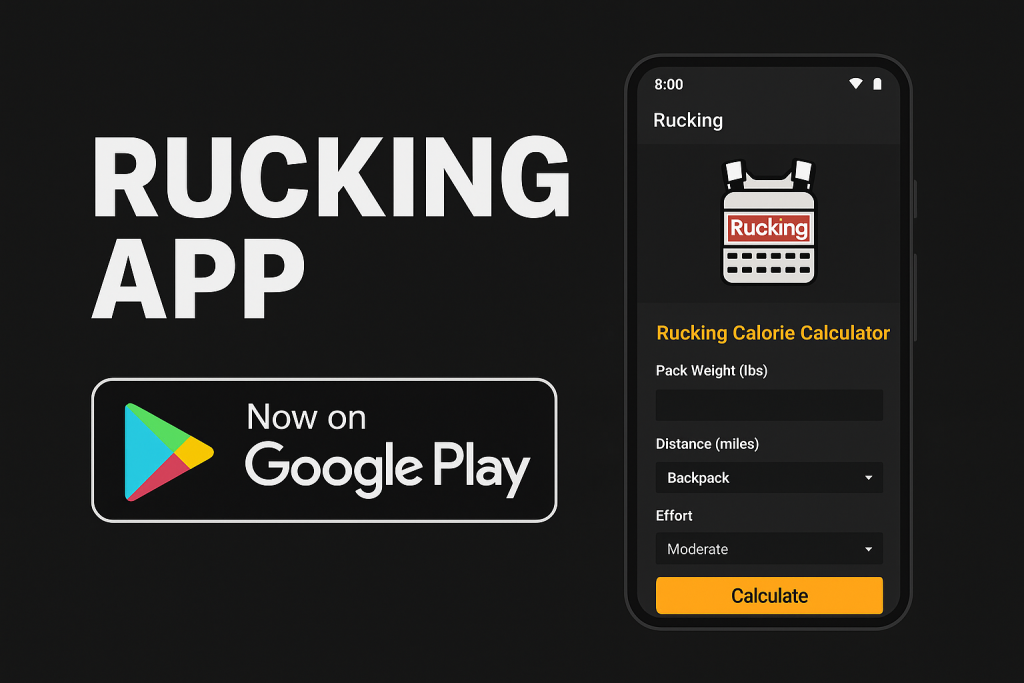
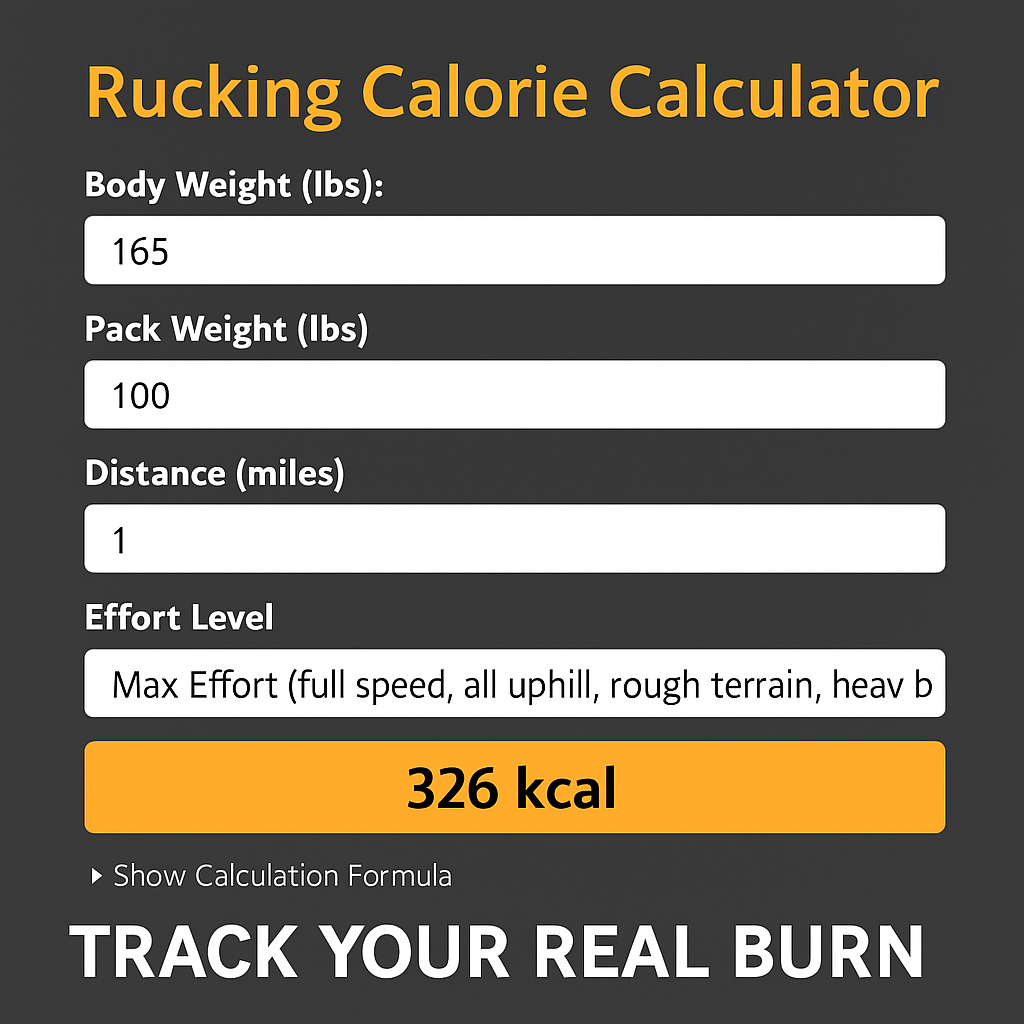
Use the rucking calorie calculator to estimate how many calories you burn wearing a weight jacket at different paces and loads. It’s the quickest way to set realistic goals and adjust nutrition.

Open the calculator, enter your weight, jacket load, and pace to see per-mile and per-hour estimates. Use that to plan walks and adjust intake if your goal is fat loss or maintenance.
Recommended gear for walking comfort
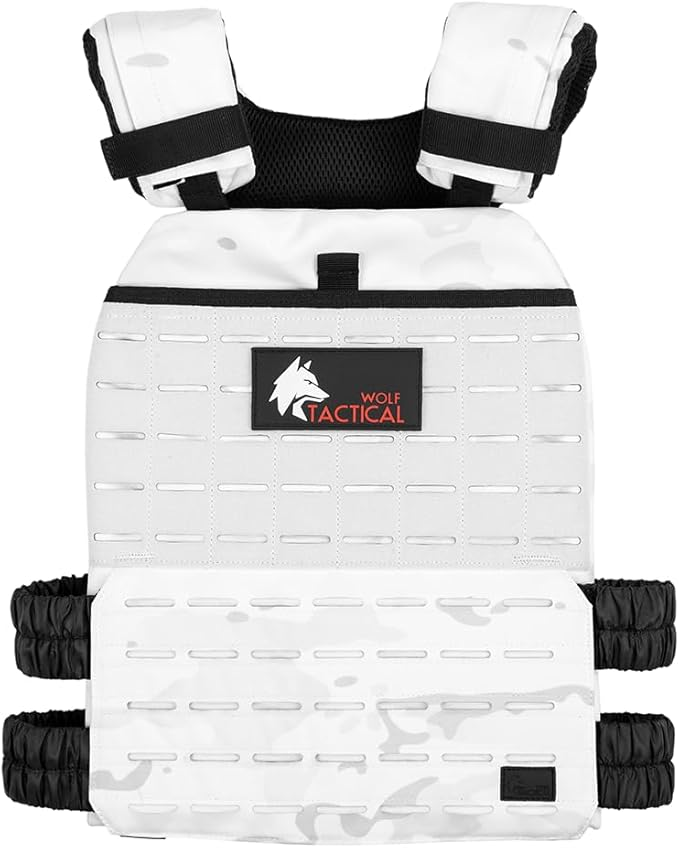
For most walkers who want a comfortable, low-bounce option, favor slim, adjustable vests. I recommend the WOLF TACTICAL Simple Weighted Vest (Men/Women) for fit and breathability.

If you plan longer walks or want hydration built into your setup, the CamelBak Motherlode 100oz Mil Spec Crux Hydration Backpack pairs well with jacket work—use it for long outings or to carry extra plates and fluids.

Final checklist before you walk
- Start light—test 10–20 minutes before a full session.
- Check posture and breathing; reduce load if form breaks down.
- Increase load slowly and track calories using the calculator above.
When you pick the right jacket and progress methodically, walking with load is a safe, effective way to get stronger and burn more energy while still enjoying time outside.