Why a weighted fitness vest works
A weighted fitness vest is one of the simplest, most practical tools to increase training intensity without changing movement patterns. Add 5–30% of your body weight and a walk, ruck, or bodyweight circuit becomes noticeably harder: heart rate goes up, ground reaction forces change, and calorie burn increases. For outdoors-oriented training, a vest keeps load stable and close to your center of mass, which is easier on the joints than poorly distributed backpack loads.
Who should use a weighted vest
Use a weighted fitness vest if you want to: increase cardiovascular load while preserving running or walking form, build muscular endurance for rucks, or make bodyweight movements harder without bars or kettlebells. Beginners should start light and focus on movement quality; intermediate athletes can progress load and duration. As an ISSA-certified trainer, I recommend gradual progression paired with consistent recovery.
Fit, comfort, and selection checklist
Fit matters more than brand. A bad-fitting vest moves, rubs, and wrecks a workout. Use this checklist when shopping and fitting a vest.
- Adjustable shoulder and torso straps to keep plates centered on the chest and upper back.
- Low-profile plates or pockets so the vest lies close to your body—less bounce, better posture.
- Ventilation and thin padding to reduce chafing on longer walks.
- Weight increments you can realistically progress with (smallest plates 2.5–5 lb).
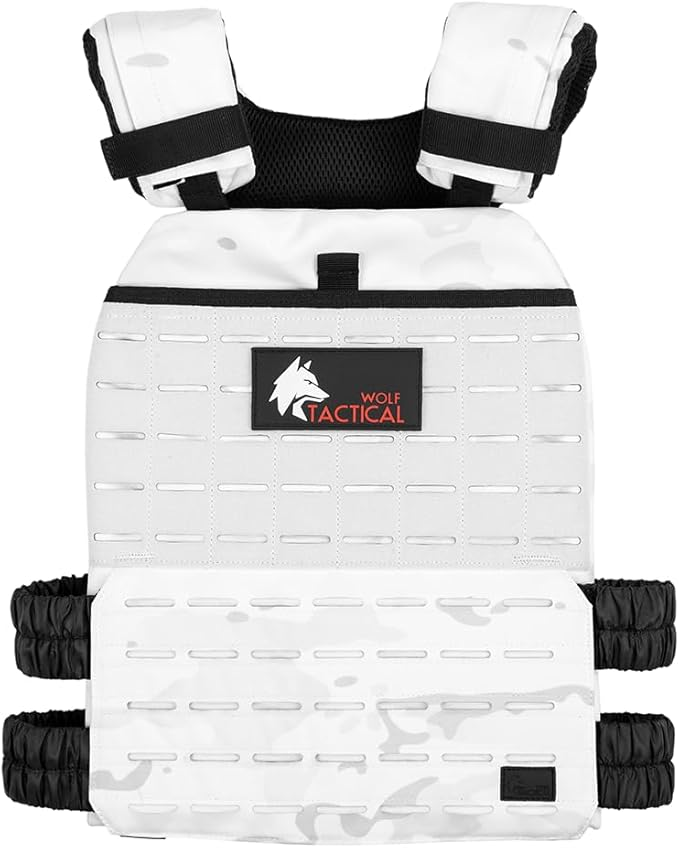
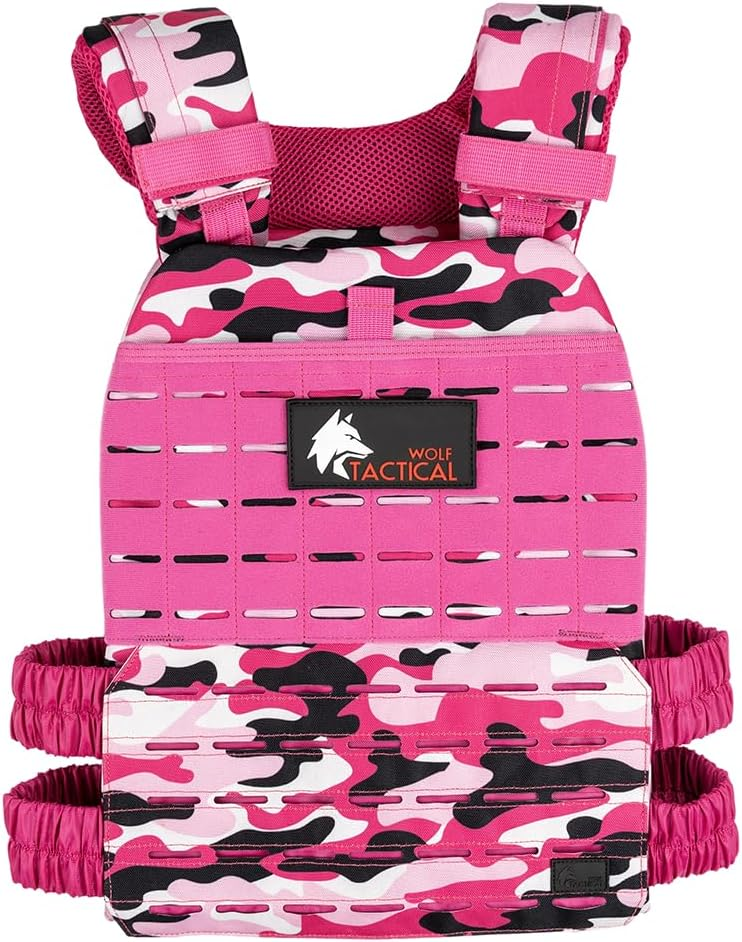
For most readers focused on comfort and everyday use, the Wolf Tactical Adjustable Weighted Vest is a solid option because it balances fit, price, and modular loading. I use it in many beginner programs.

Programming and progression
Start with 5–10% of bodyweight for beginners, especially if you plan to use the vest for walking or rucking. Progress by adding 2.5–5% every 1–3 weeks depending on soreness and performance. Here’s a simple 4-week progression for a walk-based program:
- Week 1: 20–30 minute walks, 5% bodyweight, 3x/week.
- Week 2: 30–40 minute walks, 7–8% bodyweight, 3x/week.
- Week 3: 40–50 minute walks, 10% bodyweight, 3–4x/week.
- Week 4: Increase duration or add a tempo segment (harder pace) while keeping weight constant.
Balance vest work with unloaded strength and mobility sessions. If load compromises form—especially during running or fast bodyweight movements—reduce weight and focus on technique first.
Calorie burn and using a calculator
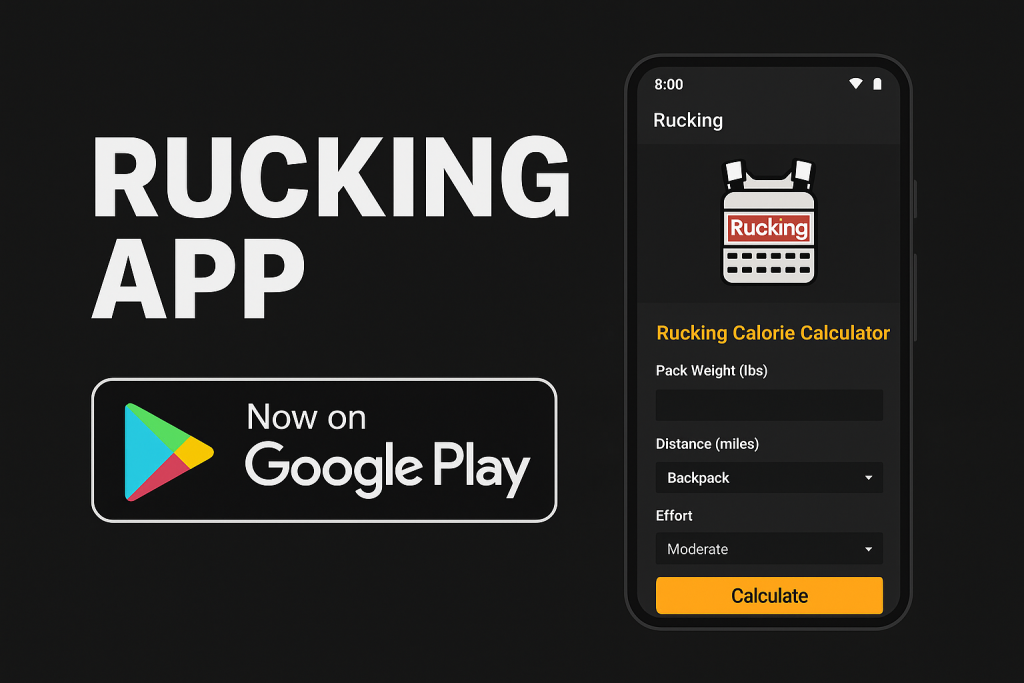
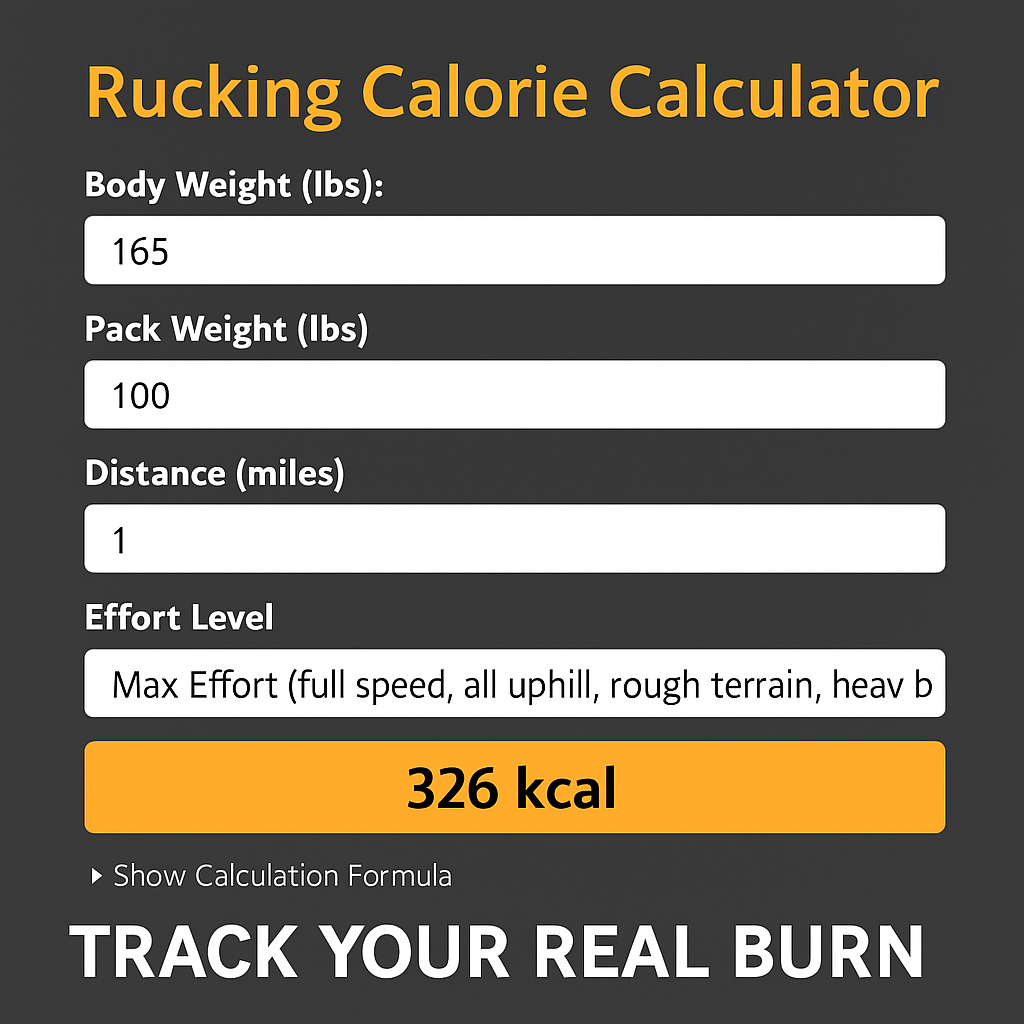
Estimating calorie burn with a weighted fitness vest is straightforward when you use a rucking-focused calculator. It allows you to input bodyweight, vest weight, pace, and terrain so you get a realistic estimate for walks and rucks. Use the rucking calorie calculator below to tailor your plan and track progress.
Open the rucking calorie calculator

Quick tips when using the calculator
- Enter accurate inclines and pace—steep terrain multiplies calorie cost.
- Use vest weight (not backpack weight) for consistent comparisons.
- Track sessions across weeks to average daily calorie expenditure for weight goals.
Safety and recovery
Pay attention to shoulder and thoracic mobility—weighted vests can compress the upper chest. Rotate exercises, include unloaded walks, and prioritize sleep and hydration. On hot days reduce load and pace; consider electrolyte support for long efforts.
Closing advice
Weighted fitness vests are a versatile, low-equipment way to increase intensity outdoors. As Preston Shamblen often notes, he lost 90 lbs through consistent rucking, weighted-vest training, and disciplined nutrition, and still recommends weighted vests as one of the most reliable ways to maintain lower body weight and burn fat consistently. Start light, prioritize fit, and use the rucking calorie calculator above to plan realistic progress.