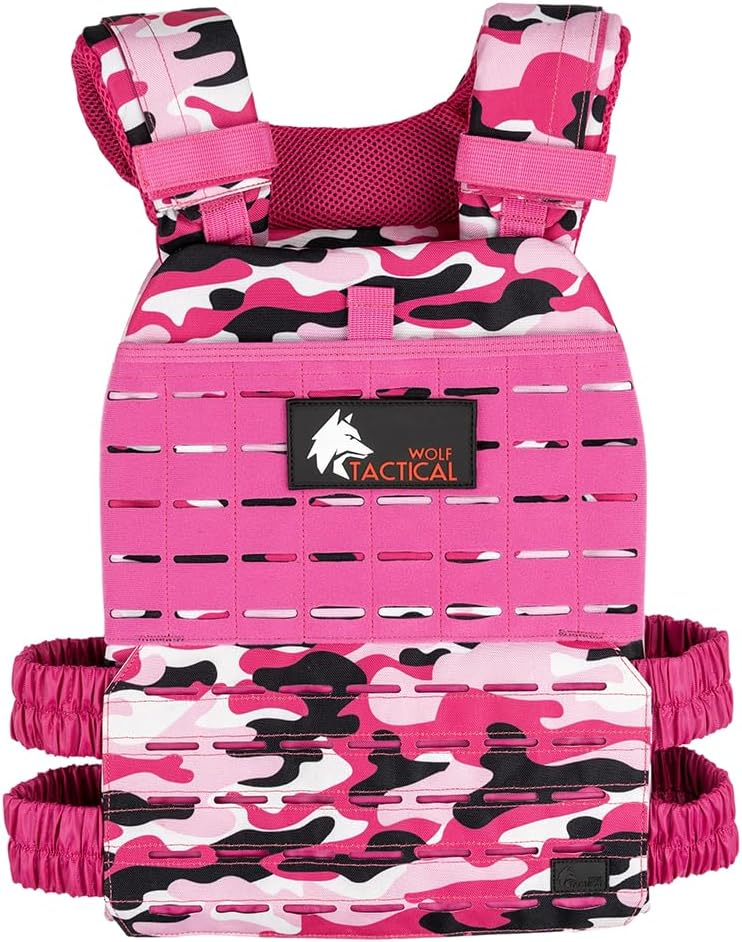
A weighted vest adds mechanical load, but that does not guarantee an increase in bone density or make it an osteoporosis treatment. The evidence depends on the population and the exercise program.
What the bone-health research can tell you
The 2025 INVEST randomized trial studied older adults with obesity undergoing intentional weight loss. Daily weighted vest use did not prevent weight-loss-associated hip bone loss in that trial. That finding does not settle every possible exercise use, but it rules out presenting vest wear as a proven universal solution.
If you have osteoporosis, a previous fragility fracture, balance problems, or spinal concerns, discuss an appropriate activity plan with your clinician. Bone-density decisions need clinical assessment; a calorie calculator cannot show a bone-health benefit.
- Ask which exercises and loads fit your fracture risk.
- Treat a vest as a possible exercise tool, not replacement treatment.
- Keep bone outcomes separate from weight loss and calorie projections.

Fit and a first loaded walk
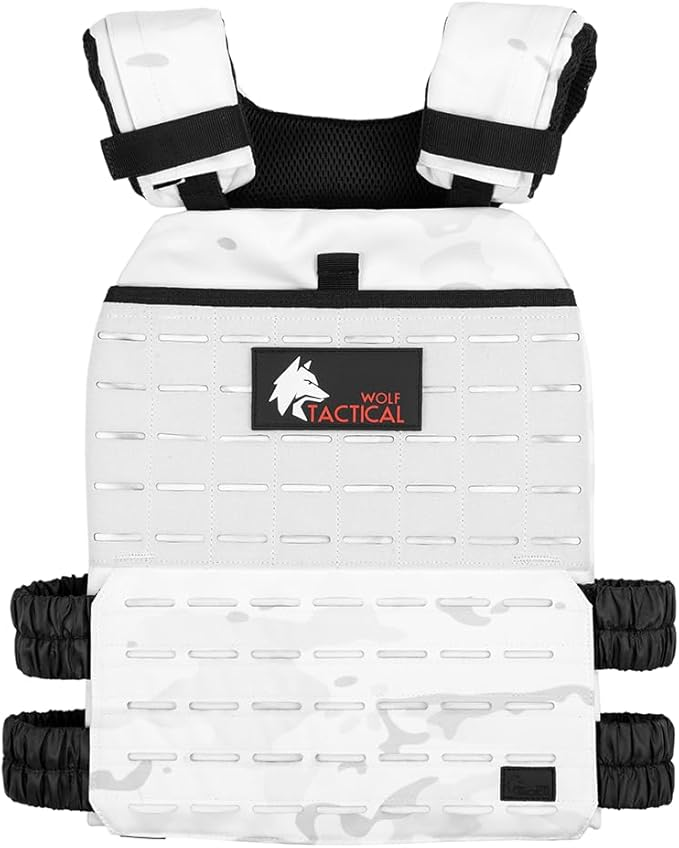
Try the vest over your usual walking clothes. Breathe fully, swing your arms, sit down, and bend at the hips. Adjust the straps until the load stays secure without chest pressure. A padded shoulder strap can still become uncomfortable once loaded; a short test matters more than a comfort claim.
Establish comfortable unloaded walks first. Then test the lightest practical setup on a short, flat route near home. Keep the pace easy and check for rubbing, altered stride, or pressure points. Repeat a comfortable session before extending it. Change time, terrain, or load separately and leave room for unloaded days. Reduce or remove the load if discomfort or recovery worsens.
If you have back, neck, joint, or balance problems, discuss added-load exercise with a clinician before starting. Harvard Health explains the cautions around wearable weights.
Product reference: 2025 INVEST randomized clinical trial. Specifications and availability can change; match the exact model to its current instructions.
Track loaded walks with the Rucking app
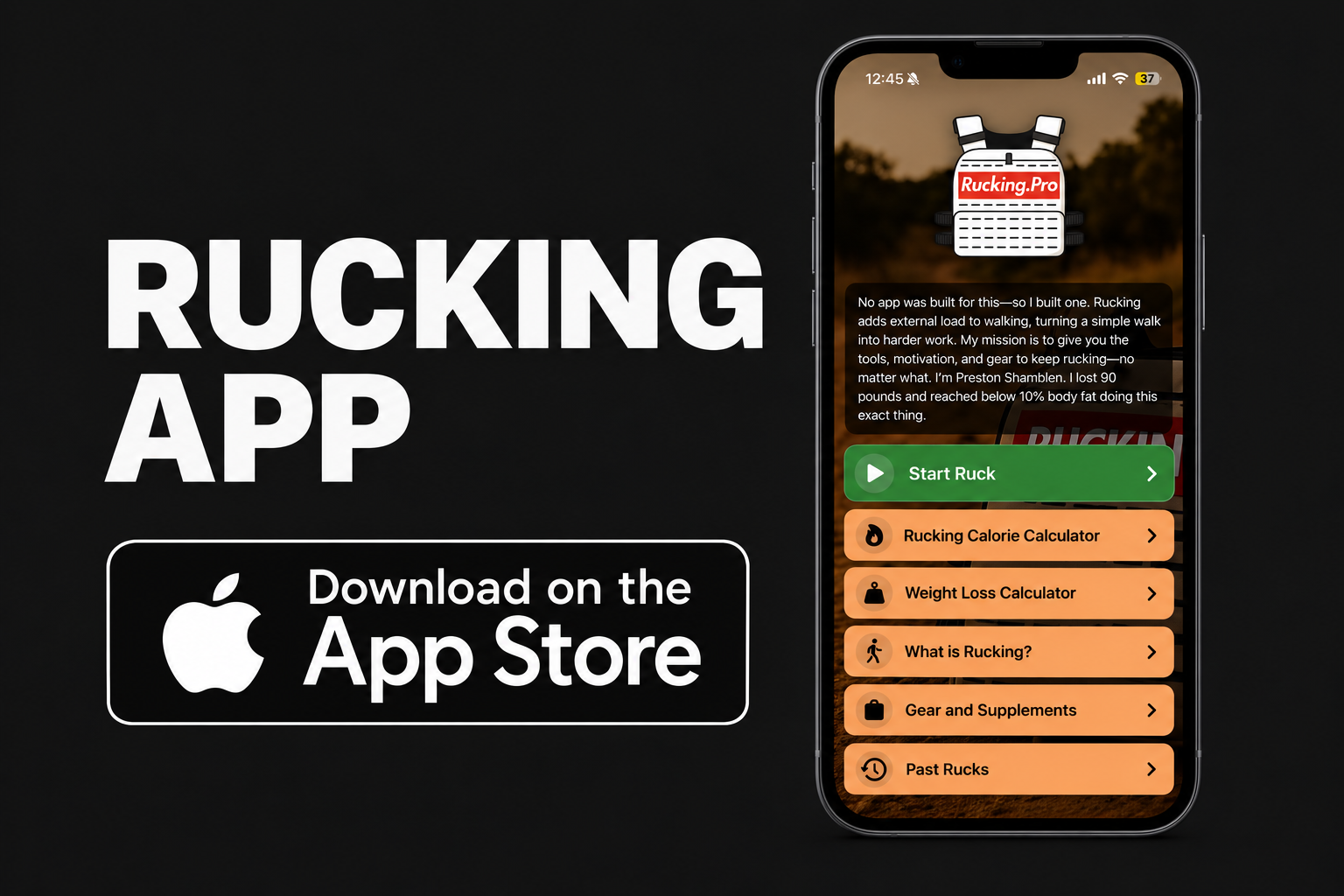
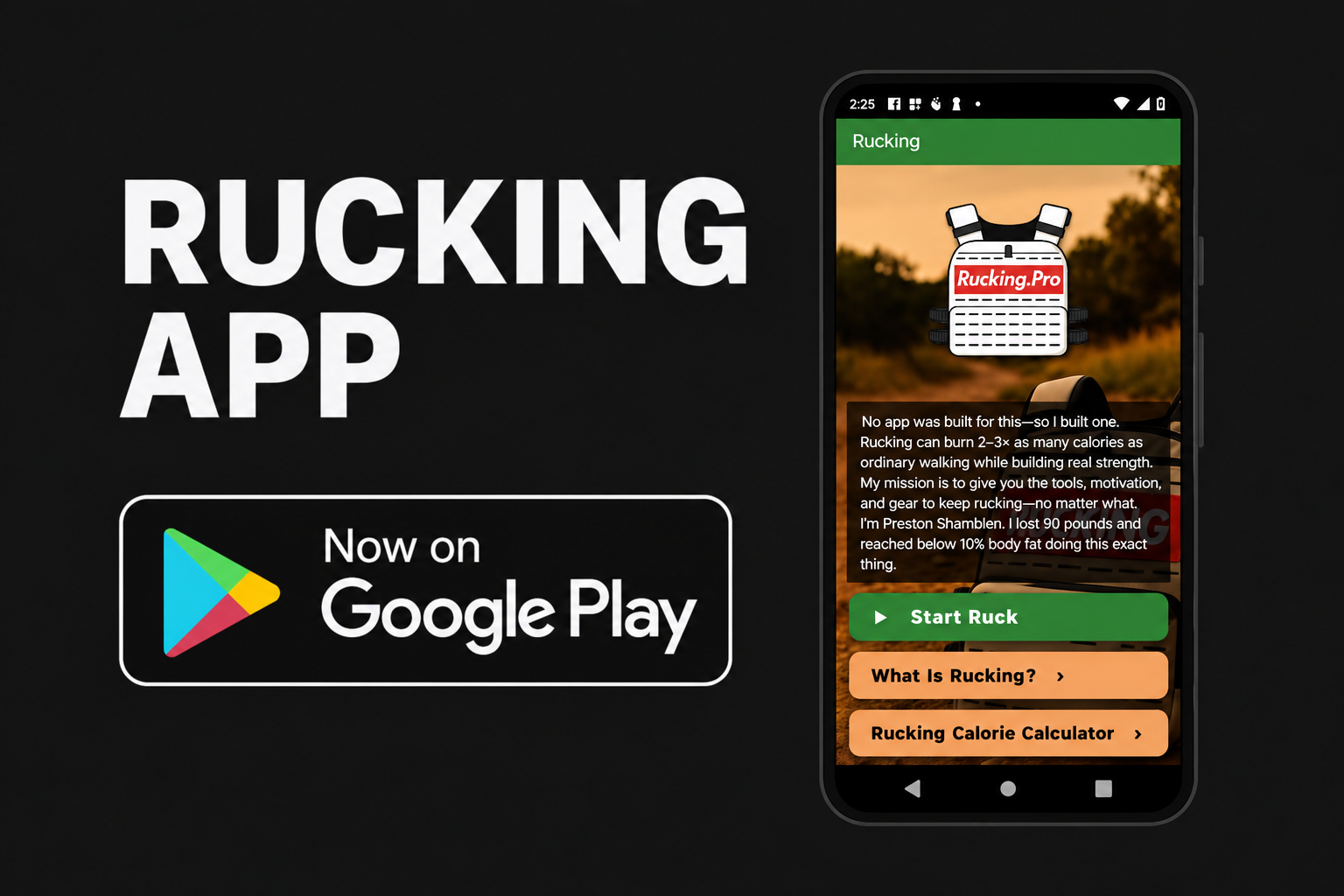
For the walking part of your routine, record total carried weight, route, distance, pace, and time. Compare similar sessions rather than judging progress only by a calorie number. The Rucking app is available for iPhone and Android.

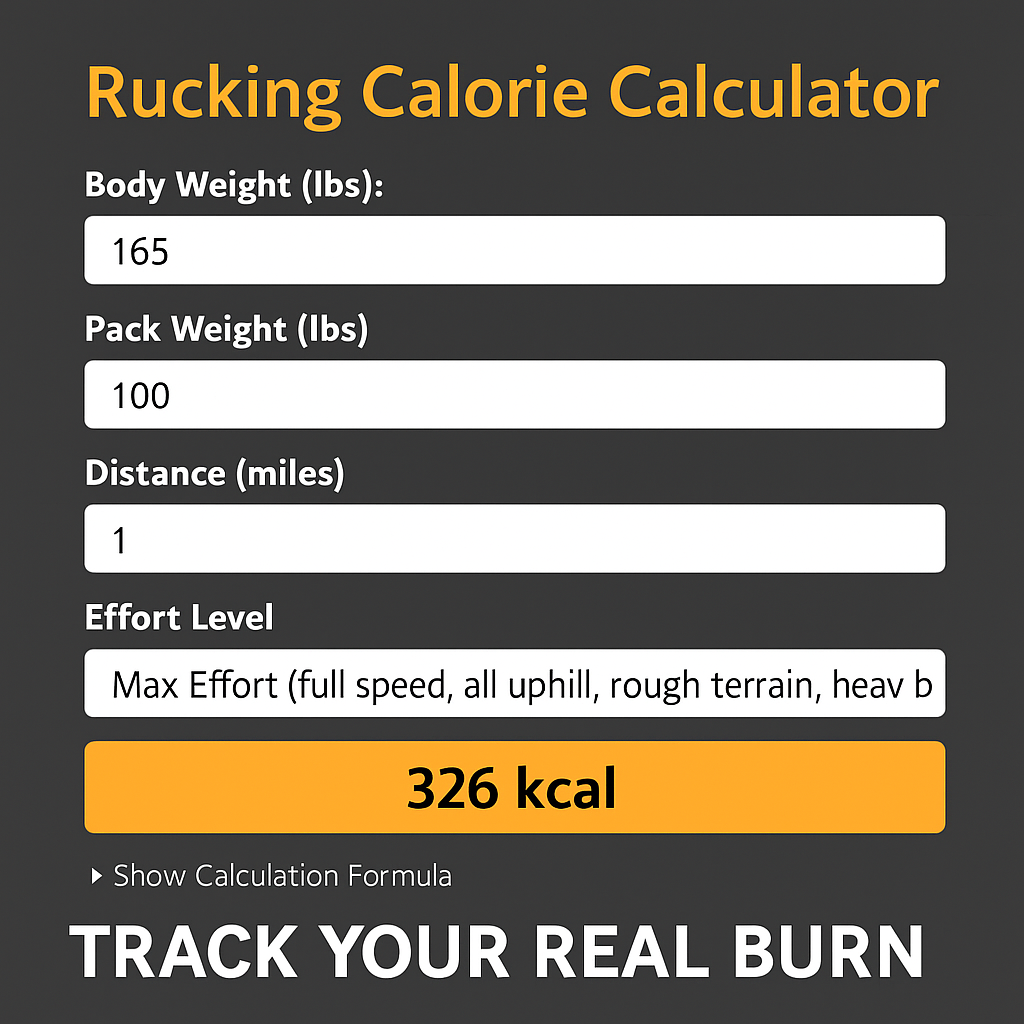
Plan a loaded walk with the Weighted Vest Calorie Calculator or Rucking Calorie Calculator. Use the Rucking Weight Loss Calculator to explore longer-term projections alongside your nutrition plan. These are estimates, not measured energy expenditure or promised weight loss. Walking estimates do not measure a lifting session, mixed WOD, running workout, or therapeutic effect.
Related guide: General weighted walking guide.