Why the right weights for a plate carrier matter
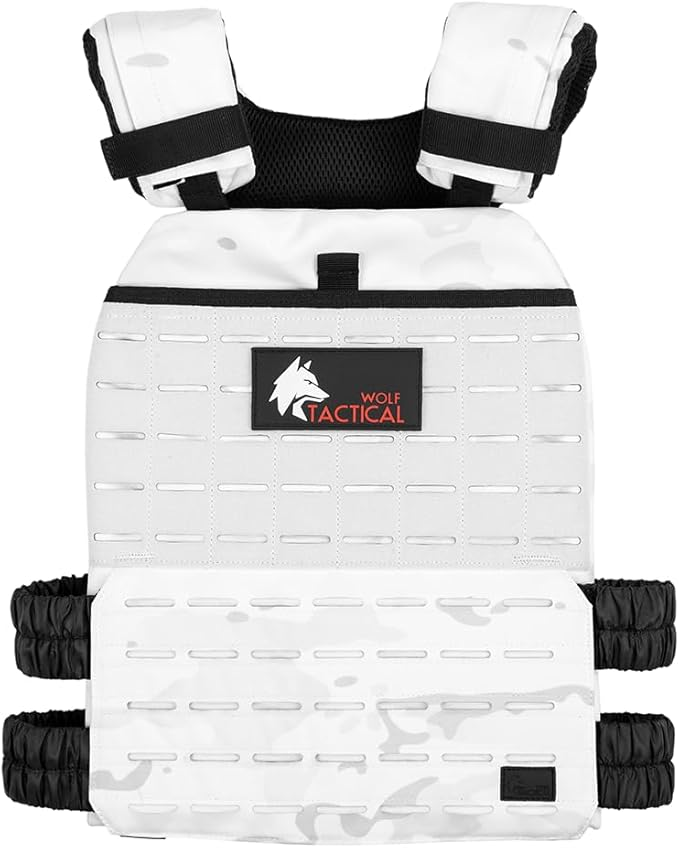
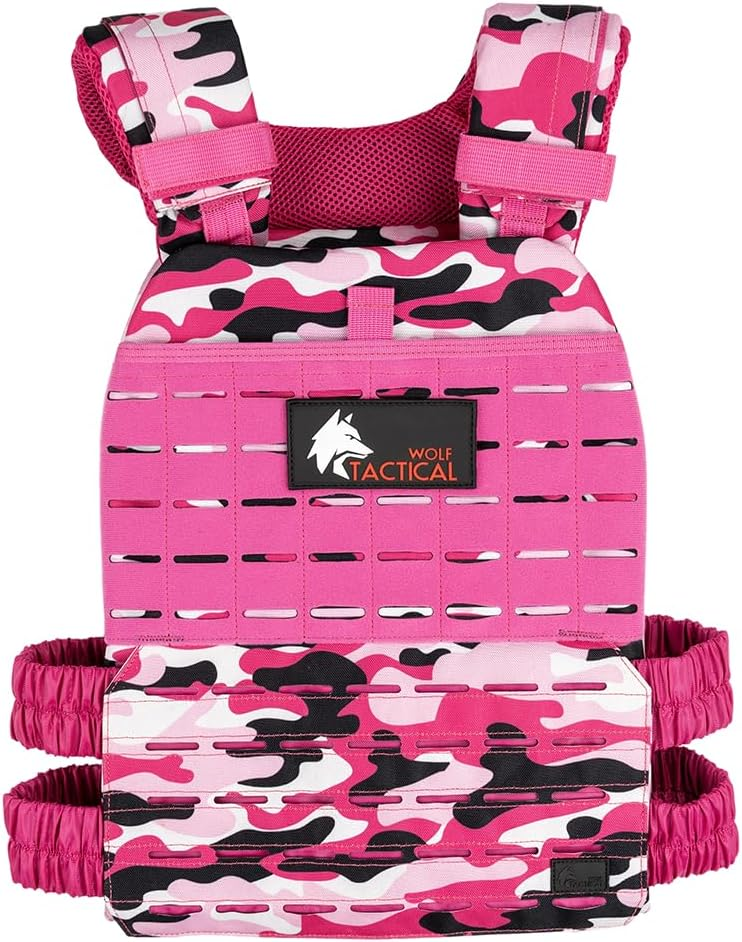
Using a plate carrier as a load-carrying option is common when you want a low-profile, adjustable way to add mass for rucking, conditioning, or strength-endurance drills. The carrier changes how weight sits on your torso compared with soft vests: it rides higher and concentrates load across the sternum and back plates. That changes posture, breathing, and joint loading—so choosing appropriate weights and progression is essential.
How much weight should you start with?
Start conservative. If you’re new to plate carriers or weighted rucking, begin with 5%–10% of your bodyweight for walking rucks and 10%–20% for short, high-intensity conditioning sessions. Experienced trainees doing strength-focused circuits or heavy carry work can push 25%–50%+ of bodyweight, but that requires experience and robust core and hip strength.
Guidelines
- Beginner walks: 5%–10% bodyweight, 20–60 minutes, comfortable pace.
- Intermediate rucks/conditioning: 10%–20%, 30–90 minutes, moderate intensity.
- Advanced strength/carry drills: 25%+, short sets, focus on technique and recovery.
- Always prioritize movement quality — drop weight if posture breaks down or pain appears.
Types of weight to use in a plate carrier
Plate carriers accept hard plates, sandbags, and modular pouches. Hard steel or bump plates sit higher and concentrate load; soft plates and sandbags distribute more evenly. For progressive training, use removable plates or pair plate pockets with plate-shaped weight plates so you can increment gradually.
For serious heavy loading or structured calisthenics, a purpose-built load vest like the Kensui EZ-VEST® MAX V2 is designed to carry very large loads safely and is my pick when you plan to use hundreds of pounds for strength-style work. For more ruck- and mission-focused users who want durability and proven fit, the GORUCK Ruck Plate Carrier 3.0 is a sensible platform.

Inline option: consider the GORUCK Ruck Plate Carrier 3.0 for long rucks and modular load setups.

Inline option: for max-load training, the Kensui EZ-VEST® MAX V2 handles heavier plates safely during calisthenics and brutal carries.
Safety checklist before you load up
- Warm up hips, glutes, and thoracic spine; the carrier changes breathing mechanics.
- Check fit—no excessive torso rotation or shoulder creep.
- Progress weight by 5%–10% of bodyweight at a time for rucks; smaller increments for conditioning.
- Monitor feet, knees, and low back for unusual pain. Pain that changes gait is a sign to reduce load.
Estimate calorie burn while rucking
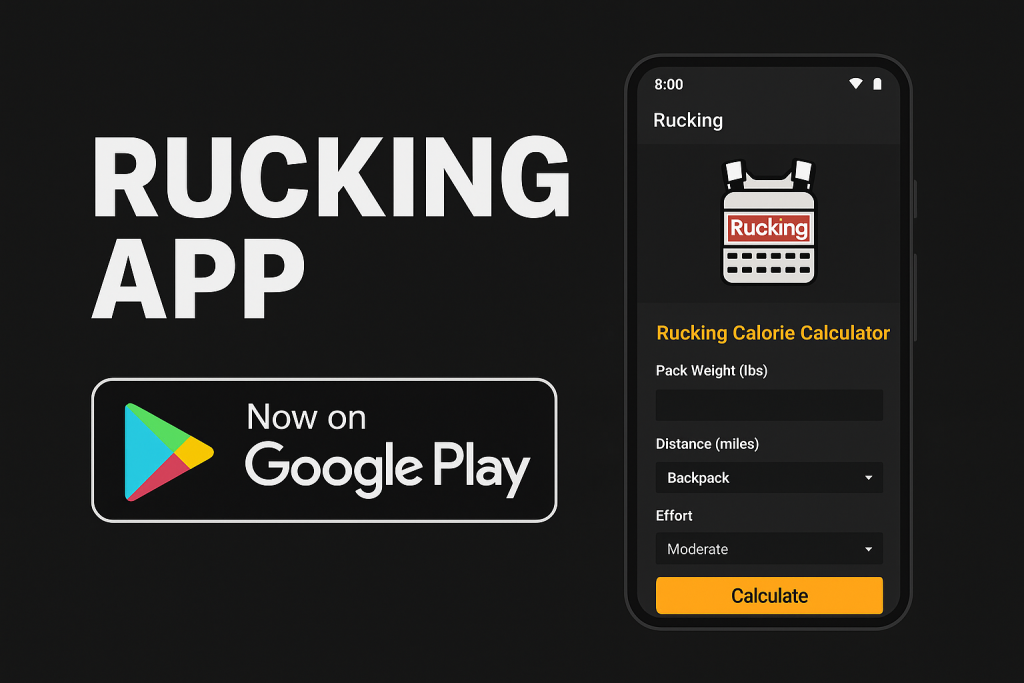
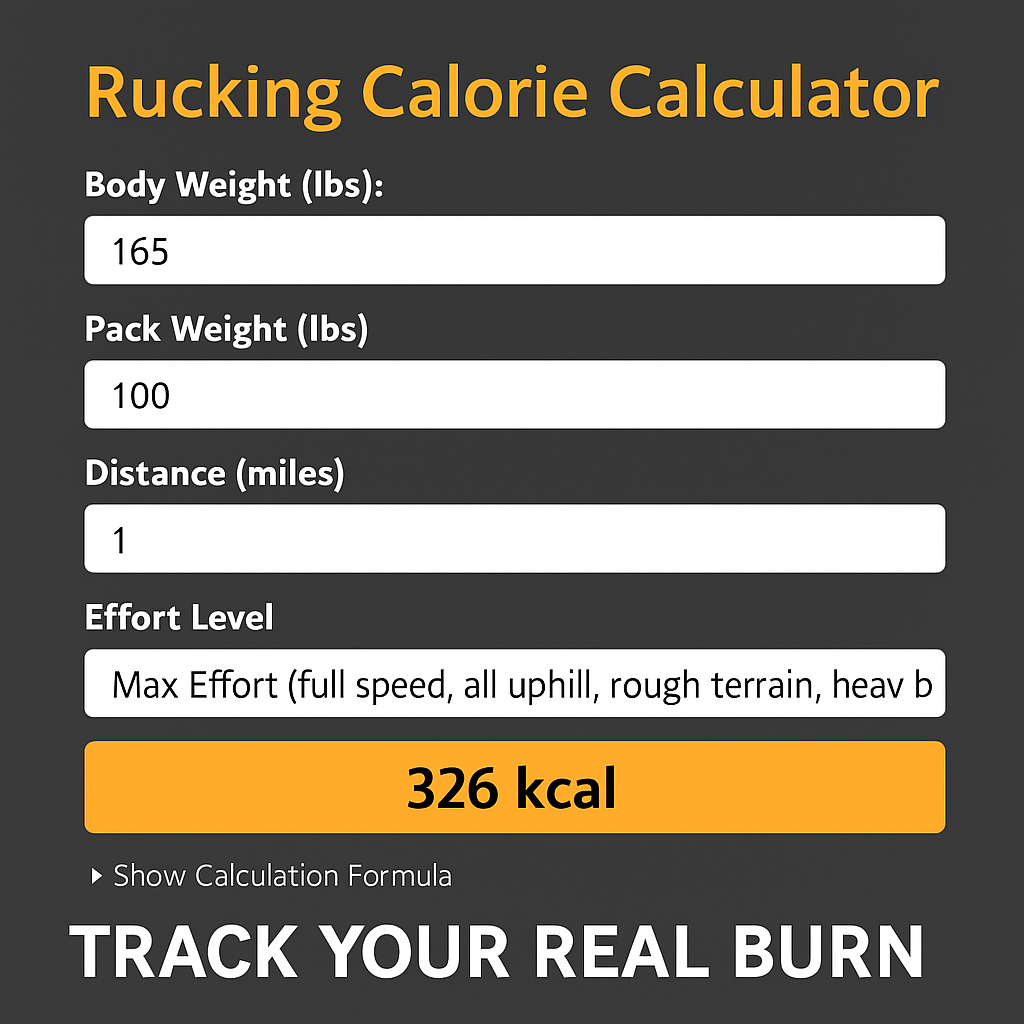
To get a practical estimate of how many calories you burn carrying a plate carrier at different weights and paces, use the rucking calorie calculator below. Plug in your weight, pace, distance, and carried load for an immediate estimate to inform nutrition and recovery.

Closing practical tips
Think of plate carrier weight selection as a triad: movement quality, training goal (endurance vs strength), and progressive overload. Start light, keep a consistent progression, and use dedicated equipment for heavy loads. If you ruck long distances, pair a plate carrier with a hydration solution for comfort and efficiency.
Train smart: quality of steps and posture beats arbitrary heavy loads. Adjust based on how your body moves, not on what looks impressive.