If you’re shopping for a workout vest womens fit, focus on comfort, adjustability, and a weight range that supports your goals. The right vest should stay close to the torso without restricting breathing, distribute load evenly across the shoulders and core, and scale from easy walks to strength circuits.
How to choose a women’s workout vest
- Adjustability that fits curves: Look for elastic or Velcro side straps and shoulder adjustments so the vest hugs the torso without compressing the chest.
- Shorter torso profile: A slightly shorter cut helps the vest sit above the hips and rib flare, reducing bounce and improving breathing mechanics.
- Even load distribution: Plate-loaded or evenly segmented weights keep the center of mass tight to your body, improving posture and comfort on longer walks.
- Breathable materials: Mesh panels and moisture-wicking liners matter when training in heat or during intervals.
- Secure closures: Wide front panels or robust buckles keep the vest stable during jogs, stairs, or kettlebell work.
- Weight range you’ll actually use: Beginners often start with 4–10 lb for everyday walks and 8–15 lb for circuits; advanced users may push 15–25 lb depending on movement.
Starting weights and progression
- Walking and rucking: Begin with 5–10% of bodyweight; progress slowly toward 10–15% if joints feel good. Cap endurance sessions around 20%.
- HIIT and circuits: 6–12 lb for high-rep moves; add weight only when form is crisp and breathing steady.
- Deload weeks: Every 3–5 weeks, reduce vest weight by 30–50% or swap one session for bodyweight-only.
Women-friendly vest picks
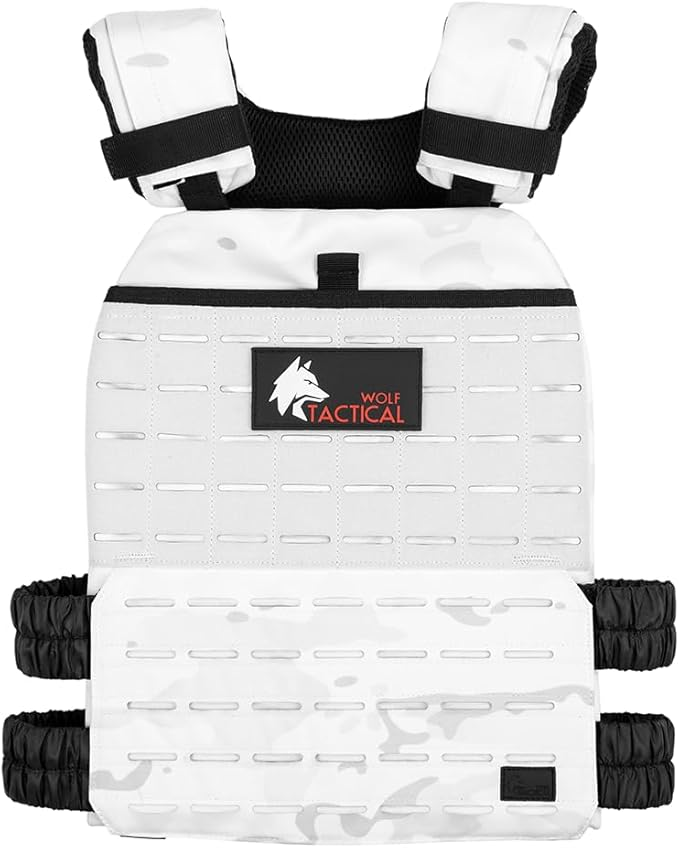
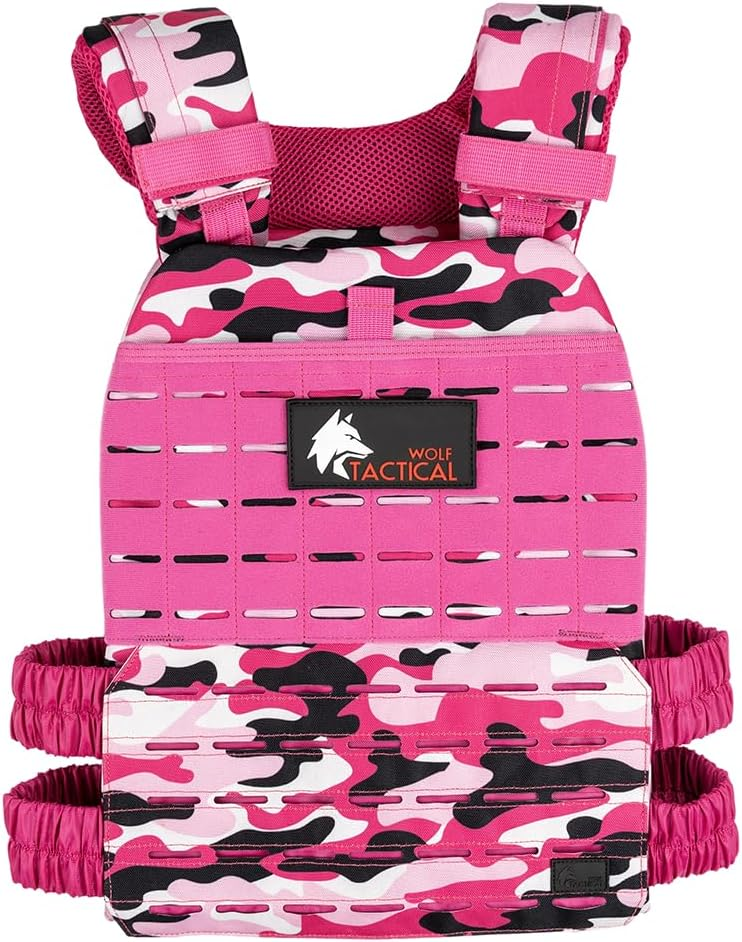
For a plate-loaded design with a trim profile, the Pink Wolf Tactical Weighted Vest balances comfort and stability for walking or circuits.

If you want a lighter, ready-to-go option, the BAGAIL Adjustable Weighted Vest (4–10 lb) is compact, great for shorter torsos, and ideal for first-time load.

Prefer a durable, gym-to-outdoor plate carrier? The 5.11 Tactical Unisex TacTec Trainer Weight Vest offers excellent shoulder padding and stability for stairs, sleds, or ruck intervals.

Simple weekly structure
- Day 1: 30–40 min brisk walk with 6–10 lb; finish with 2 sets of bodyweight squats and push-ups.
- Day 2: Strength circuit (8–12 lb): step-ups, rows, split squats, incline push-ups, 2–3 rounds.
- Day 3: Recovery walk, no vest or 4–6 lb.
- Day 4: Hills or stairs (6–10 lb): 10–20 min of steady repeats.
- Day 5: Optional ruck: 45–60 min at conversational pace with 8–15 lb.
Estimate your calorie burn
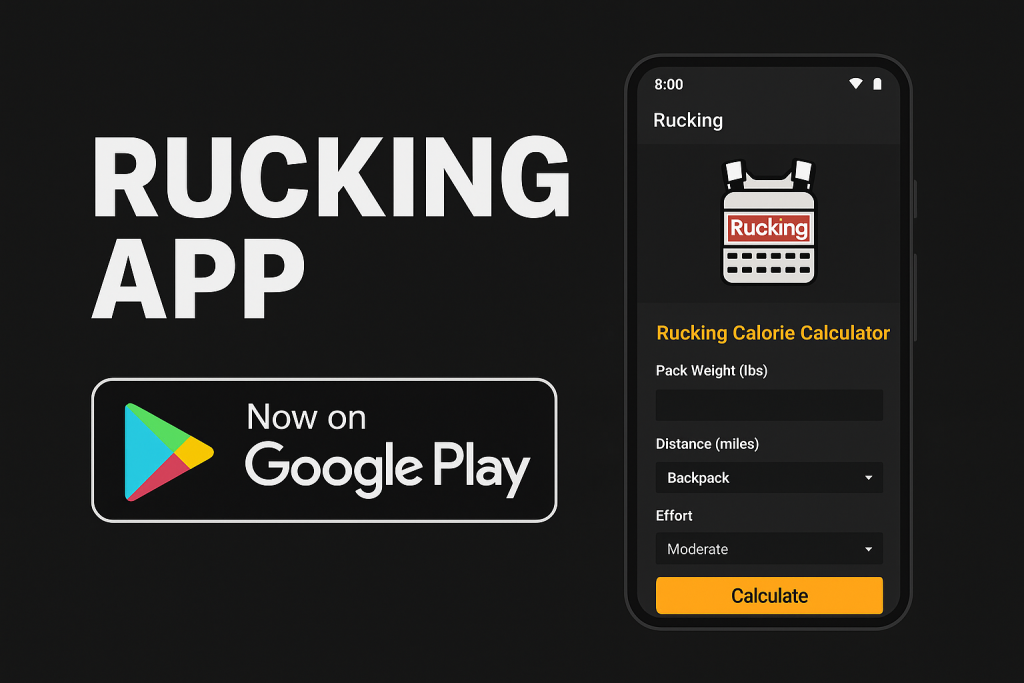
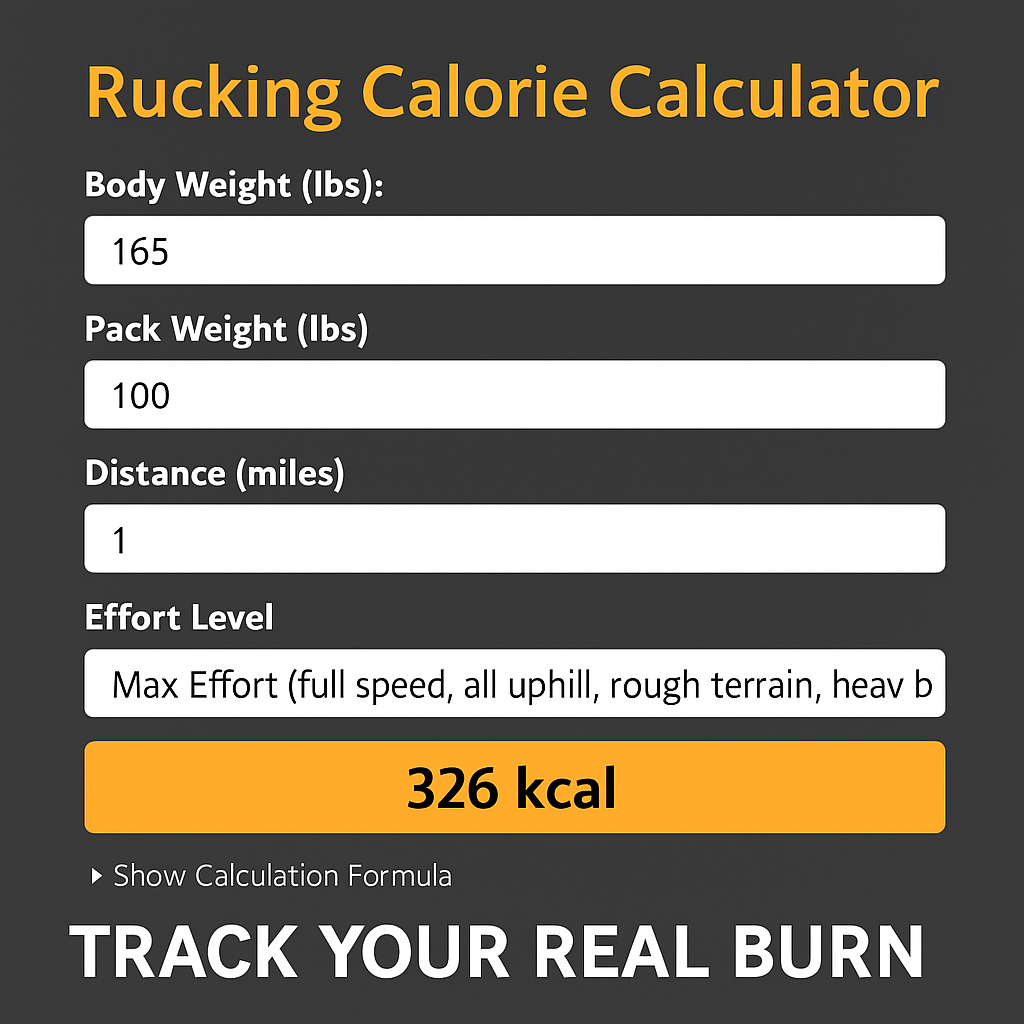
Curious how many calories your weighted walks or circuits might burn? Use the rucking calorie calculator below (it works for vests or backpacks):

Form and safety tips
- Keep ribs stacked over hips; avoid leaning back to “carry” the weight.
- Snug the side straps to eliminate bounce; you should still breathe deeply into the belly and sides.
- Prioritize low-impact surfaces until your joints adapt.
- Log distance, time, and average heart rate; progress one variable at a time.
- If postpartum or managing shoulder/chest discomfort, start ultra-light and clear intensity with a professional.