How to Use a Weighted Vest Calorie Calculator for Smarter Training

Understanding the Weighted Vest Calorie Calculator

If you’ve added a weighted vest to your walking, jogging, or rucking routine, you probably want to see just how many extra calories you’re burning. That’s where a weighted vest calorie calculator comes in—a practical tool that helps you estimate your real calorie burn when hitting the outdoors with extra load.

How Does a Weighted Vest Affect Calorie Burn?

When you wear a weighted vest, your body works harder to move that added resistance with every step. This means:

  • Your heart rate increases compared to bodyweight alone.
  • You burn more calories per minute, especially during walking, brisk rucking, or interval training.
  • Training is more time-efficient, helping you maintain a calorie deficit or reach your fitness targets faster.

How Do I Calculate Calorie Burn With a Weighted Vest?

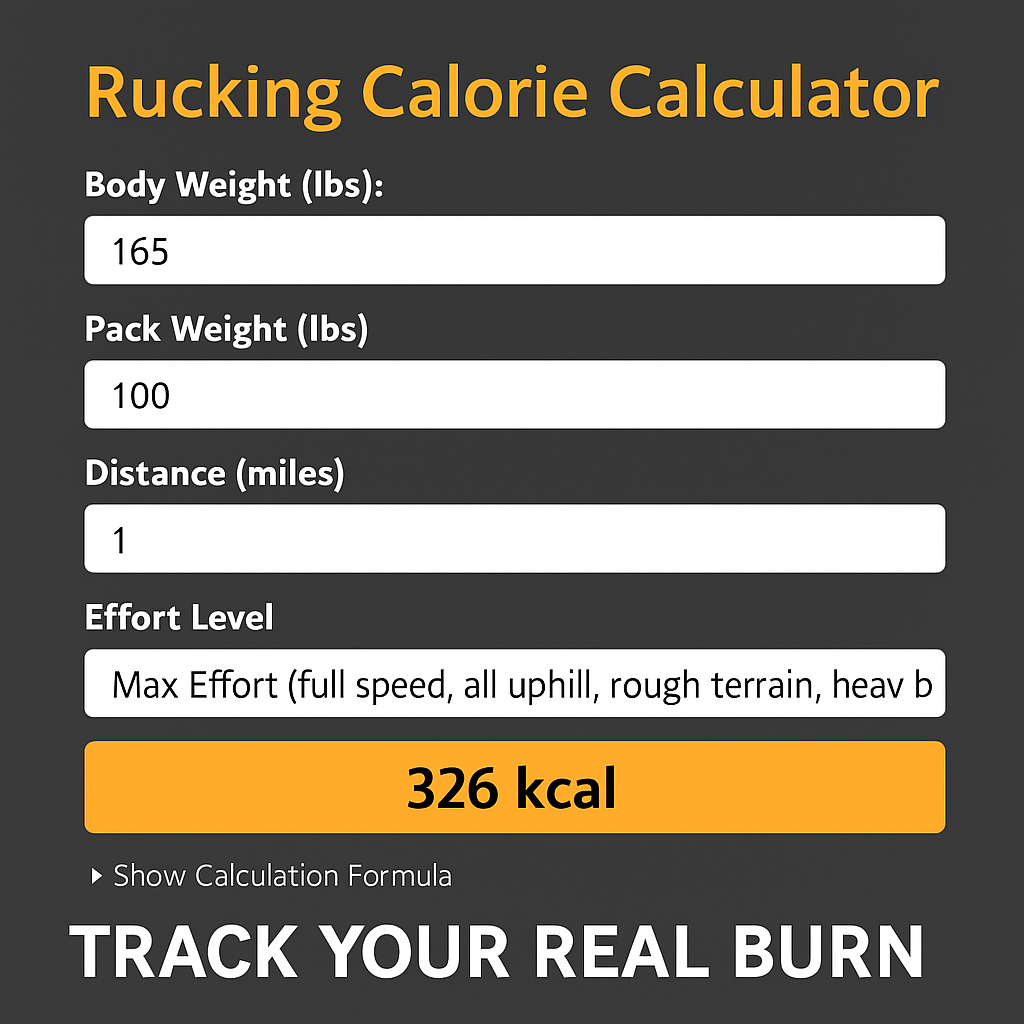
Manual calculations often miss variables like terrain, incline, and pace—making online calculators essential for more accurate results. Our preferred tool is the Weighted Vest Calorie Calculator. Simply input your:

  • Bodyweight
  • Vest weight
  • Distance
  • Time
  • Pace

to get an instant, data-driven calorie estimate tailored to your real workout conditions.

Weighted vest calorie calculator screenshot

See exactly how much more effective your session is with the right numbers.

What Gear Works Best With Calorie Tracking?

To get the most from your calculator results, use reliable, comfortable gear. For general purpose and beginner-friendly comfort try:

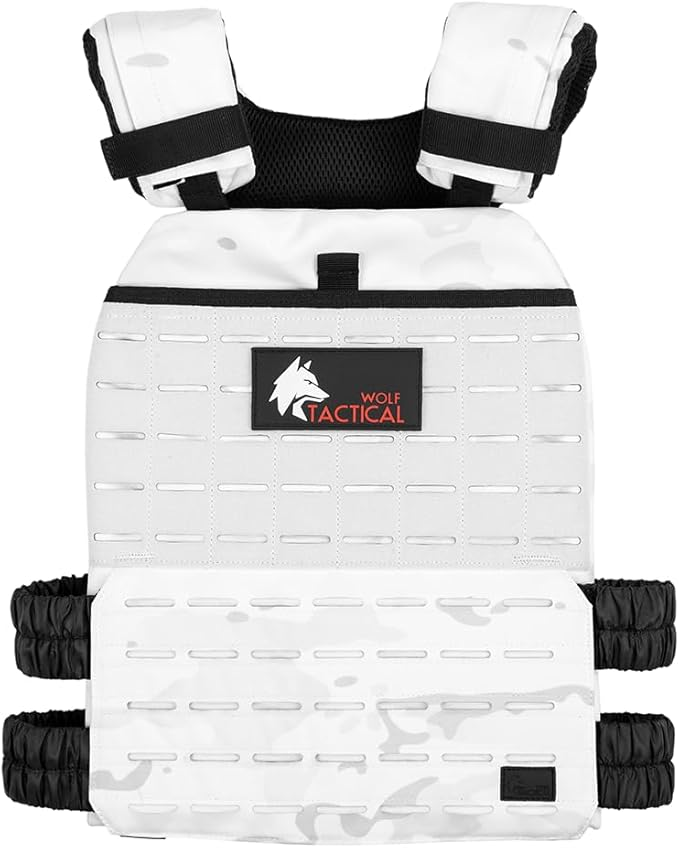
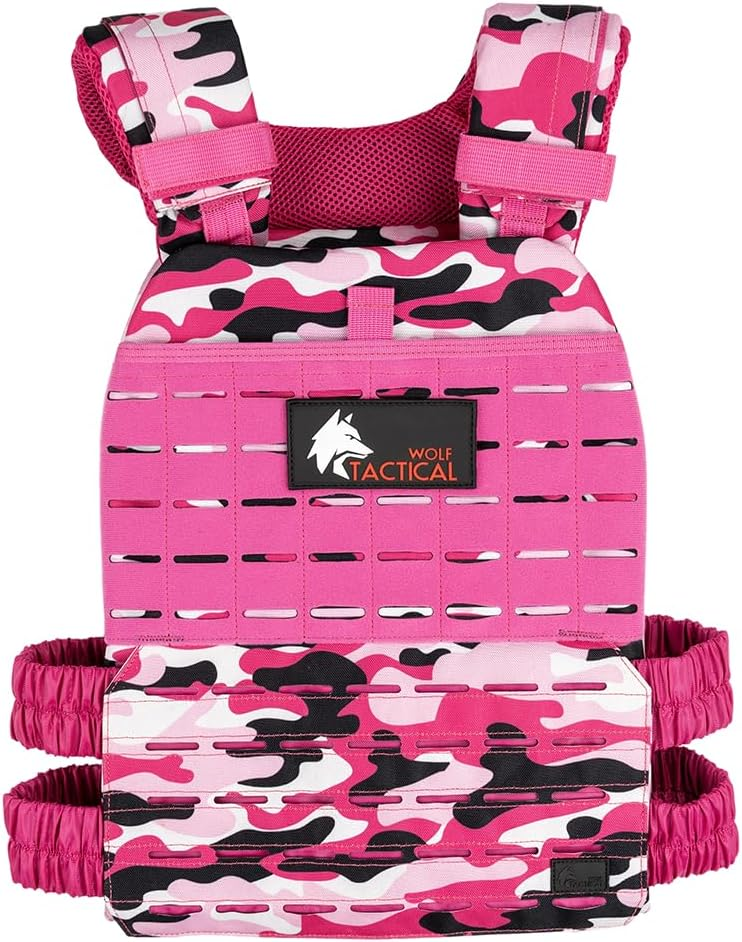
Wolf Tactical Adjustable Weighted Vest for comfort and fit
Wolf Tactical Adjustable Weighted Vest — excellent comfort, easy to adjust weights between walks.

For precise heart rate and active calorie tracking, pair your vest with a device like the Apple Watch Ultra 2 for real-time data points.

Apple Watch Ultra 2 for calorie tracking with weighted vests
Apple Watch Ultra 2 — advanced sensors help validate your calorie calculator results outdoors.

Tips to Maximize Weighted Vest Calorie Burn

  • Keep your walking or rucking pace brisk to raise intensity.
  • Gradually increase vest weight as your fitness improves.
  • Choose routes with hills or softer terrain for extra metabolic demand.
  • Monitor hydration—added weight increases sweat loss, especially in hot weather.

The right weighted vest calorie calculator lets you dial in your efforts for fat loss, weight maintenance, or performance goals—no more guessing.

Posted in Weighted Vest Training | Tagged , , , , | Comments Off on How to Use a Weighted Vest Calorie Calculator for Smarter Training

Weighted Vest Muscle Gain: How Added Weight Supercharges Your Training

Weighted Vest Muscle Gain: Boost Your Results Outdoors

When your goal is to maximize muscle gain and build real-world strength, the weighted vest is a game-changer. Training while wearing a weighted vest increases resistance—even on simple movements—and injects progressive overload into your routine, which is essential for muscle growth. Whether you walk hills, perform push-ups, lunge, or ruck steep trails, adding load turns otherwise bodyweight work into solid hypertrophy triggers.

How Does Weighted Vest Training Build Muscle?

  • Progressive Overload: Loading your body increases the difficulty of every movement, forcing muscles to adapt and grow stronger.
  • Full-Body Activation: Wearing a vest during big movements (lunges, pull-ups, farmer carries) underpins core, back, and glute engagement in a way that stationary training does not.
  • Natural Movement Patterns: Weighted vests let you build muscle via practical movements—walking, sprinting, hiking, and calisthenics—providing an outdoor-first approach with functional gains.

Types of Exercises for Maximum Muscle Gain

Muscle gain is not reserved for the gym. With a weighted vest like the Kensui EZ-VEST® MAX V2 or the 5.11 Tactical Unisex TacTec Trainer Weight Vest, you can amplify:

  • Push-ups and chest dips
  • Squats, lunges, step-ups
  • Pull-ups, chin-ups, inverted rows
  • Stair climbs, hill sprints, crawling drills
  • Weighted walks or rucking, especially on a long trail for volume

Best Weighted Vests for Muscle Gain

Kensui EZ-VEST MAX V2 for heavy weighted vest muscle gain
Progressive overload up to 300 lbs—perfect for maximizing muscle through heavy vest training. Kensui EZ-VEST® MAX V2 is completely adjustable and barbell-loadable.
5.11 TacTec Weighted Vest for muscle building
Exceptional comfort and ideal balance for high-rep calisthenics and outdoor muscle work. Try the 5.11 TacTec Trainer Weight Vest.

How Much Weight Should You Use?

If your focus is hypertrophy, start with 5–10% of your body weight and increase as you adapt. For experienced athletes, push beyond 20% for major muscle growth—especially on staple movements like weighted push-ups, rows, or steep rucks. The key is sustainable, incremental progress that won’t blow out your joints.

Track Calories for Proper Nutrition

Muscle growth with weighted vests still requires a slight calorie surplus to fuel repair and new muscle formation. Use this calorie calculator to estimate your burn during weighted vest workouts, ensuring your nutrition can keep pace with your training:

Rucking Calorie Calculator for Weighted Vest Training

Try the Rucking Calorie Calculator to personalize your plan and optimize recovery.

Outdoor Real-World Strength

The best muscle is built on your feet—outside. Level up your outdoor training and challenge every major muscle group with a weighted vest, and feel the difference in strength, stamina, and physique that carries beyond any gym.

Posted in Rucking | Tagged , , , | Comments Off on Weighted Vest Muscle Gain: How Added Weight Supercharges Your Training

How to Train Safely and Effectively with a 50lb Vest

Why Train with a 50lb Vest?

Adding serious resistance to your walks or workouts with a 50lb vest is one of the most effective tools to boost strength, burn calories, and increase endurance. Weighted vests let you turn bodyweight exercises, hiking, or rucking into high-output training sessions. But with more weight comes a greater need for proper form, progressive loading, and the right equipment. In this guide, I’ll walk you through responsible ways to train with a 50lb vest, who it’s for, and my favorite gear for the job.

Who Should Use a 50lb Vest?

  • Experienced ruckers looking to increase load safely
  • Military, firefighter, and first responder trainees
  • Advanced strength athletes using loaded carries or calisthenics
  • People close to their goal weight looking for an extra metabolic challenge

If you’re new to weighted training, start lower: 10–20 lb vests are the best gateway. Only move to 50 lb when your posture, core, and hips can tolerate increased load without strain.

Best Practices for 50lb Vest Training

  • Start slow: Don’t jump from a 20 lb vest to 50. Build up load over weeks or months.
  • Maintain good form: Slumping, forward neck, and limping indicate excessive load.
  • Mix it up: Alternate heavy days (e.g., ruck or stair climbs in your 50lb vest) with lighter days to prevent overtraining.
  • Prioritize core strength: 50lb vests seriously tax your trunk—include core stability exercises weekly.

My Favorite 50lb Vests for Rucking and Training

  • Kensui EZ-VEST® MAX V2 (300 lbs)—This vest is the gold standard for loading up safely for power walking, heavy rucking, or weighted pushups. Add or subtract standard plates as you progress for custom resistance.
Kensui EZ-VEST MAX V2 weighted training vest for up to 300 lbs, ideal for 50lb loads and more
The Kensui EZ-VEST MAX V2 lets you safely load up to 300 lbs—perfect for progressive weighted vest training at 50 lb and beyond.
5.11 Tactical TacTec Trainer Weight Vest loaded for heavy rucking and training
5.11 TacTec vest is built for comfort with heavy loads—great pick for a 50lb walking or rucking setup.

Sample 50lb Vest Workout Plan

  • Week 1–2: 20–30 lb vest; 2–3 slow miles (1–2 times/week)
  • Week 3–4: 35–40 lb vest; 2–3 miles, plus stairs or hills
  • Week 5+: 50 lb vest for up to 4 miles (or split ruck—2 mi in vest, 2 mi unloaded)

Monitor Your Progress & Burn More Calories

Heavy vest rucking burns significantly more calories. Track your calorie burn to dial in recovery and nutrition. Use our calorie calculator below—just enter your bodyweight and ruck stats to get an accurate reading.

Rucking calorie calculator screenshot

Try the Rucking Calorie Calculator now for your next vest workout!

Conclusion

Training with a 50lb vest is transformative for advanced athletes and ruckers. Progress slowly, invest in the best vests, and use tools like calorie calculators for smart, sustainable gains. Stay outdoors, keep your ruck loaded, and keep moving forward.

Posted in Rucking | Tagged , , , , | Comments Off on How to Train Safely and Effectively with a 50lb Vest

Weighted Vest Safety Tips for Effective Rucking and Training

Why Weighted Vest Safety Matters

Adding a weighted vest to your training can rapidly boost strength, endurance, and calorie burn—but it’s only effective if you use it safely. Proper use minimizes risk of injury and maximizes gains, whether you’re rucking, running, or hiking uphill. Below, you’ll find essential weighted vest safety tips for anyone from beginners to serious athletes.

1. Start Light, Progress Slowly

Don’t rush into heavy vests. Begin with 5–10% of your body weight, and only increase the load as your body adapts. This allows your joints, back, and legs time to strengthen with the added stress. For most beginners, that means a 10-20 lb vest is plenty.

  • Listen to your body: Any persistent discomfort means you may need to adjust or reduce the weight.
  • Track your sessions: Increase weight in small increments, no more than 5 lbs at a time.

2. Choose the Right Equipment

Well-designed, adjustable vests ensure load is distributed evenly, preventing chafing and reducing risk of falls or back pain. Look for padded shoulders, breathable fabric, and a snug fit to keep the vest close to your torso during movement.

Wolf Tactical Adjustable Weighted Vest for rucking
Wolf Tactical Weighted Vest: adjustable, secure fit—ideal for controlled, injury-free training. Check it out here.

The Wolf Tactical Adjustable Weighted Vest is beginner-friendly, with secure straps and great comfort for longer sessions.

3. Prioritize Fit and Comfort

A loose vest will bounce around and cause bruising or misalign the load. Adjust the straps so it sits snugly on your chest and upper back, and check periodically as you move.

  • Minimize friction: Wear moisture-wicking layers to reduce the chance of blisters or hot spots.
  • Shoulder comfort: Padding prevents pressure points on traps and collarbones.

4. Maintain Proper Form at All Times

With added weight, sloppy movement patterns increase risk of knee, hip, or back injury. Focus on:

  • Staying upright
  • Engaging your core
  • Taking shorter, steady strides
  • Landing softly—not stomping

5. Monitor Fatigue and Recovery

Weighted rucking and walking are taxing. Allow extra rest between hard sessions, and never push through sharp pain. Signs of overuse include changes in gait, persistent soreness, or swollen joints.

6. Hydrate and Stay Cool

Carrying extra weight generates more heat. Stay hydrated, especially on hot days or long walks. For extended rucks, consider hydration packs or electrolyte-enhanced water.

7. Calculate Safe Calorie Burn

To avoid overtraining and fuel your body effectively, it helps to know how much energy you’re burning with your weighted vest workouts. Use the calculator below tailored for weighted vest and backpack activities!

Rucking calorie calculator screenshot

Calculate your calorie burn and set safe intensity with the Rucking Calorie Calculator.

Final Thoughts

With smart preparation, weighted vests unlock efficient strength and cardio gains. Choose gear that fits well, stay mindful of your limits, and prioritize safe progression every step of the way.

Posted in Rucking | Tagged , , , | Comments Off on Weighted Vest Safety Tips for Effective Rucking and Training

Weighted Vest Calorie Burn Chart: A Practical Guide

Understanding a Weighted Vest Calorie Burn Chart

If you’re serious about boosting your fitness and want to know exactly what a weighted vest calorie burn chart looks like, you’re in the right place. Weighted vests amplify your walking or rucking routines, dramatically increasing your caloric burn and cardio challenge. But how much more do you burn—and how do you track it effectively?

How Weighted Vests Influence Calorie Burn

Carrying extra weight with a vest raises your heart rate and energy expenditure. This means you burn more calories per minute compared to bodyweight walking or running. The increase depends on factors like the vest weight, your personal body weight, pace, and terrain.

  • Lighter vests (10-20 lbs): Add 5-13% more calories burned per session.
  • Moderate vests (20-35 lbs): Burn 10-20% more calories, especially at brisk walking speeds.
  • Heavy vests (40+ lbs): Push your burn 15-30% higher, recommended mainly for conditioned athletes.

Quick Reference Weighted Vest Calorie Burn Chart

Bodyweight Vest Weight Distance Calories Burned*
160 lbs 20 lbs 3 miles brisk walk 315–340
200 lbs 30 lbs 3 miles brisk walk 395–425
180 lbs 15 lbs 1 hour ruck 415–450

*Calorie ranges vary by age, terrain, and fitness level. For a precise estimate, use the calculator below.

Use This Free Weighted Vest Calorie Burn Calculator

Plug in your own stats, pace, and vest weight for a hyper-accurate reading of your calorie expenditure. It takes all the guesswork out of advanced rucking or weighted vest workouts:

Screenshot of rucking calorie calculator

Check out the weighted vest calorie calculator to personalize your chart and track your actual burn each time you train.

Recommended Weighted Vests for Optimal Calorie Burn

Upgrading your gear can make a massive difference both in safety and comfort. Here are proven options for getting the most out of every session:

Wolf Tactical Adjustable Weighted Vest
Wolf Tactical Adjustable Weighted Vest – adds scalable resistance with ergonomic design.

The Wolf Tactical Adjustable Weighted Vest offers maximum adjustability and comfort, perfect for both entry-level and experienced athletes seeking accurate calorie tracking and superior fit.

5.11 Tactical Unisex TacTec Trainer Weight Vest
5.11 TacTec Trainer vest delivers mobility and breathability for long rucks or HIIT.

The 5.11 Tactical TacTec Vest blends durability, comfort, and military-grade reliability for all-day training sessions.

Key Tips for Safer, Smarter Calorie Burn

  • Start light; increase resistance as you adapt.
  • Monitor hydration—weighted vests increase sweat rate.
  • Rest as needed and check your form.

Looking for more data? Personalize your calorie burn here and keep evolving your results!

Posted in Rucking | Tagged , , , | Comments Off on Weighted Vest Calorie Burn Chart: A Practical Guide

Weighted Vest Running: Outdoor Endurance Reinvented

Why Consider Weighted Vest Running?

Weighted vest running has become a powerful training tool for runners and outdoor athletes who want to push endurance, strength, and calorie burn to new limits. It’s not just about adding difficulty—done properly, running with a weighted vest can bring the challenge (and benefits) of trail running or rucking into your daily fitness routine.

Core Benefits

  • Increased Calorie Burn: Carrying extra weight requires your body to work harder, amplifying calorie expenditure per mile.
  • Muscular and Bone Strength: The added resistance helps load your skeletal system, promoting muscle activation and bone density.
  • Improved Cardiovascular Performance: Training your heart and lungs to cope with a higher demand can build real-world stamina.
  • Outdoor Versatility: Weighted vest running adapts to everything from city trails to rolling country hills—no gym needed.

How to Run With a Weighted Vest Safely

It’s crucial to approach this training method methodically. Start by selecting a weight that is roughly 5-10% of your bodyweight if you’re new, and never exceed 20%.

  • Start slow: Focus on form, not speed.
  • Short intervals: Alternate between running and walking to assess the load.
  • Listen to your body: Any pain or poor posture? Reduce weight or stop.

Remember, proper fit is everything. An ill-fitting vest bounces, chafes, and throws off your running mechanics, so invest in quality options designed for movement.

Recommended Weighted Vests for Running

Wolf Tactical Adjustable Weighted Vest for running and rucking
Wolf Tactical Adjustable Weighted Vest: Comfortable, beginner-friendly fit, and easy to adjust for running.

The Wolf Tactical Adjustable Weighted Vest stands out for running: breathable backing, snug fit, and plate flexibility make it ideal for new and experienced runners alike.

5.11 Tactical Unisex TacTec Trainer Weight Vest for running
5.11 TacTec Trainer Weight Vest: Secure fit, military-trusted, and excellent for high-intensity runs.

The 5.11 Tactical Unisex TacTec Trainer Weight Vest is a popular alternative for those wanting military-grade stability and comfort, even during longer intervals.

Plan Your Progression

Consistency is key—add intensity slowly, and always prioritize recovery. Weighted vest running is as much about patience as persistence: track your results weekly, and adjust your load only when your body is ready for more.

How Many Calories Can You Burn Running With a Weighted Vest?

Interested in how many extra calories you’re burning with your vest? Use our calorie calculator to instantly estimate your energy expenditure for running or fast walking with extra weight.

Weighted Vest Running Calorie Calculator Screenshot
Check your burn rate: Rucking & Weighted Vest Calorie Calculator.

Plug in your body weight, vest weight, and activity pace—compare results between backpack and weighted vest running and optimize every session.

Final Thoughts

Weighted vest running, when performed safely, is one of the most effective and challenging ways to improve outdoor fitness, boost calorie burn, and strengthen your entire posterior chain. Make it a focused part of your weekly program, and you’ll see measurable results—both in numbers and in daily energy outdoors.

Posted in Rucking | Tagged , , , , | Comments Off on Weighted Vest Running: Outdoor Endurance Reinvented

Choosing the Right Weighted Vest for Rucking

Why Use a Weighted Vest for Rucking?

Rucking has surged in popularity for its practicality and results. Using a weighted vest for rucking offers a different training stimulus compared to traditional backpacks. Vests distribute weight evenly across your torso, engaging your core and promoting upright posture while allowing your arms full freedom of movement. For many, it’s an efficient way to increase the challenge without the bulk and swing of a loaded backpack.

Top Features to Look for in a Weighted Vest

  • Adjustability: Start light and increase as you build strength and endurance.
  • Comfort: Look for padded shoulders and breathable materials—hot spots and chafing will sap your motivation.
  • Secure Fit: Snug, adjustable straps prevent bounce, especially on rough terrain.
  • Weight Range: New to rucking? Start with 10–20 lbs. Intermediate or advanced? Seek vests rated for 40–100+ lbs like the Kensui EZ-VEST® MAX V2.

Recommended Weighted Vests for Rucking

1. Wolf Tactical Adjustable Weighted Vest

Wolf Tactical Weighted Vest for Rucking
Excellent comfort and fit for all body types—highly adjustable and beginner-friendly.

2. 5.11 Tactical Unisex TacTec Trainer Weight Vest

5.11 TacTec Trainer for Rucking
Professional-grade durability, trusted by tactical athletes and competitive ruckers alike.

3. Kensui EZ-VEST® MAX V2 (300 lbs)

Kensui EZ-VEST MAX V2 heavy weighted vest
Unmatched loading capability for serious strength and endurance training.

Weighted Vest vs Backpack: Which Is Better For You?

If you prioritize movement efficiency, a weighted vest is unbeatable. You can maneuver trails, stairs, and urban obstacles without any sway. For those mixing ruck walks with calisthenics or runs, vests are less cumbersome and keep the load close to your body. However, for extended endurance hikes, hydration, or higher weight loads, a sturdy rucksack or hydration pack like the CamelBak Motherlode still has its niche.

How Many Calories Do You Burn Rucking with a Weighted Vest?

Your calorie burn depends on body weight, ruck pace, vest load, terrain, and even the weather. To get precise numbers and tune your vest weight for fat loss or performance, use this simple calculator:

Rucking Calorie Calculator screenshot

Try the Rucking Calorie Calculator for backpack or weighted vest rucking calorie estimates in seconds.

Getting Started

  • Start with 10-15% of your bodyweight.
  • Ruck 2–4 times a week. Rest as needed, especially as you adapt.
  • Focus on upright posture and aligned movement—avoid leaning forward or shuffling.

Choose a vest that fits your goals and body type. For most, a quality weighted vest becomes a year-round tool for cardio, fat loss, and strength, indoors or out.

Posted in Rucking | Tagged , , , , | Comments Off on Choosing the Right Weighted Vest for Rucking

How to Work Out With a Weight Vest for Maximum Results

Why Train With a Weight Vest?

Adding a weight vest to your workouts cranks up the challenge and effectiveness of just about any exercise. Whether you’re doing push-ups, bodyweight squats, pull-ups, or heading out for a ruck, strapping on a weight vest increases resistance, which leads to greater muscle activation, endurance, and caloric burn. Weight vests allow you to scale intensity while keeping your hands free and maintaining a natural movement pattern.

Choosing the Right Weight Vest

The best weight vest fits snugly but doesn’t restrict your breathing or range of motion. For rucking, endurance training, and calisthenics, Wolf Tactical Adjustable Weighted Vest is an excellent all-around pick due to its adjustability and comfort. If you want something minimalist, the 5.11 Tactical Unisex TacTec Trainer Weight Vest delivers proven durability for heavy sessions.

Wolf Tactical Adjustable Weighted Vest for training and rucking
Wolf Tactical Adjustable Weighted Vest: add scalable resistance to running, rucking, or calisthenics.
5.11 Tactical Unisex TacTec Trainer Weight Vest for workout
5.11 Tactical Unisex TacTec Trainer Weight Vest: trusted for all forms of loaded training.

Best Exercises to Do With a Weight Vest

  • Rucking/Walking: The safest way to get started—great for cardio, stamina, and weight loss.
  • Push-Ups and Pull-Ups: Build serious upper body strength with added load.
  • Squats and Lunges: Supercharge your legs, glutes, and core.
  • Stair Climbing: Major calorie burn and explosive power with every step.

Training Tips

  • Start light: Begin with 5–10% of your body weight, then add weight as you build capacity.
  • Fit matters: A loose vest will bounce and chafe. Tighten straps so it hugs your torso.
  • Move intentionally: Extra weight increases strain on joints—control every rep and step.
  • Prioritize recovery: Hydrate, stretch, and don’t ramp up too fast. Listen to your body.

Progress Tracking & Calorie Burn

Wearing a weight vest ramps up calorie expenditure—sometimes by 10–20% more than bodyweight movements alone. Curious how many calories you’re burning during your weight-vest workouts? Use our free calculator below to track your progress and optimize your training:

Rucking calorie calculator screenshot

Try the Rucking Calorie Calculator to estimate calories burned with different vest loads and ruck distances.

Posted in Rucking | Tagged , , , , | Comments Off on How to Work Out With a Weight Vest for Maximum Results

How to Use a Weighted Vest for Endurance Training

Why Train Endurance with a Weighted Vest?

Endurance isn’t just about logging miles—real advancement comes from challenging your body and pushing your capacity. Incorporating a weighted vest for endurance work is a direct, effective method to increase the workload of each step and amplify the cardiovascular and muscular demands of your session. Whether you’re a rucker, a trail runner, or simply someone who wants to take walking workouts up a notch, the right vest can bring significant progress in both stamina and strength.

Key Benefits of Weighted Vest Endurance Work

  • Progressive overload: Smoothly increase training stimulus without having to sprint or climb steep hills.
  • Total-body engagement: When worn correctly, weighted vests distribute weight to challenge your core, lower body, and stabilizers all at once.
  • Versatility: Use vests for walking, hiking, stair climbing, or even functional fitness sessions.
  • Calorie burn: Added weight forces your heart and muscles to work harder, accelerating calorie expenditure—especially valuable for those targeting fat loss.
  • Adaptability: A properly fit vest can be used rain or shine, and with adjustable weights, it scales with your fitness over time.

Choosing the Best Weighted Vest for Endurance

For endurance training, comfort and fit matter as much as load. Look for breathable designs, broad shoulder straps, and even weight distribution. Here are two strong options widely trusted for both casual and serious rucking and endurance work:

Wolf Tactical Adjustable Weighted Vest for Endurance
Wolf Tactical Adjustable Weighted Vest: Boosts endurance by adding comfortable, scalable load.
5.11 TacTec Trainer Weight Vest for Endurance
5.11 TacTec Trainer Vest: Superior support and fit for high-mileage sessions.

How to Get Started: Practical Training Tips

  • Start light: Don’t jump straight to 20+ lbs. Even 8-12 lbs is enough to kickstart new adaptations.
  • Adjust fit tightly: Prevent shifting to avoid chafing, especially on longer or faster walks.
  • Mix paces: Alternate brisk and steady walking to stress different aerobic systems.
  • Prioritize hydration: Longer weighted sessions dehydrate you faster than you’d expect. Plan refuel stops or loop routes home for water.

Track Your Progress and Calorie Burn

Want to see how much harder you’re working? Use our popular Rucking Calorie Calculator to estimate the calorie burn from your weighted vest walks. Simply enter your weight, pace, distance, and select ‘Weighted Vest’ for the best results.

Rucking Calorie Calculator weighted vest

Click to try the Weighted Vest Calorie Calculator: measure your real burns from endurance sessions.

Endurance Rucking Gear: Next-Level Add-Ons

If you prefer longer outings or mixed training, consider integrating the CamelBak Motherlode Hydration Backpack to carry hydration and snacks. Pair the vest with your favorite fitness tracker for real-time heart rate and distance feedback. Always treat the weighted vest as a tool—not a crutch—to amplify your work and safely build true outdoor endurance.

CamelBak Motherlode Tactical Hydration Backpack for Endurance Rucking
CamelBak Motherlode: Carry more weight and stay hydrated on long endurance outings.
Posted in Rucking | Tagged , , , , , | Comments Off on How to Use a Weighted Vest for Endurance Training

Plate vest weight: how to choose and progress safely

How much plate vest weight should you use?

Choosing the right plate vest weight is a balance of training goals, current strength, and the type of movement you’re doing. Plate carriers and weighted vests change the way your body moves; add too much too soon and you compromise form and increase injury risk. Use weight to challenge the movement patterns you want to improve — rucking, loaded carries, calisthenics, or hard interval work — not to break them.

Primary considerations

Start by deciding the focus of your session. For long rucks, a lighter load with steady pace emphasizes calorie burn and endurance. For strength or calisthenics, heavier plates for shorter sets emphasize muscular overload. Assume an experienced trainee can manage much heavier plated loads than a beginner.

  • Beginner (new to plate vests): Start with 10–20% of bodyweight or use a single 10–20 lb plate. Prioritize correct posture and breathing.
  • Intermediate: 20–35% bodyweight for mixed sessions (short rucks, loaded carries, weighted push-ups, chin-ups assisted by belt).
  • Advanced strength work: 35%+ bodyweight for short sets, heavy carries, or low-rep strength work. For pure strength calisthenics you can exceed this if form stays perfect.

Progression plan (8–12 weeks)

Progress slowly and track performance, not just weight. A sensible progression looks like this:

  • Week 1–2: Movement pattern practice with minimal weight — learn how plates shift and how the carrier fits.
  • Week 3–6: Add 5–10% more load every 1–2 weeks if technique is maintained.
  • Week 7–12: Introduce heavier singles or paired plates for specific strength sessions, keep rucks at a lower percentage to protect joints.

Practical tips for plate vest selection and setup

Plate distribution and fit matter as much as raw pounds. Keep plates snug and centered; loose plates will move and let momentum cheat the work. If you’re doing heavy, dynamic moves, choose a plate carrier designed for plates; for mixed walking and conditioning, a commercial weighted vest with inset plate pockets can be more comfortable.

For heavy strength-based loading I often recommend the Kensui EZ-VEST® MAX V2 because it’s built for very high loads and stays stable during intense calisthenics.


Kensui EZ-VEST MAX V2 heavy plate vest
Durable, high-capacity plate vest for heavy-strength and calisthenics work.

For a military-style plate carrier you can also use the GORUCK Ruck Plate Carrier 3.0 which accepts standard plates and integrates with ruck systems for mixed distance loading.


GORUCK Ruck Plate Carrier 3.0
Plate carrier that pairs easily with rucks for load-bearing marches and tactical training.

Safety checklist

  • Keep a neutral spine — if you can’t maintain it, reduce weight.
  • Watch for chafing and pressure points; pad or adjust straps before a long session.
  • Progress load on strength gains, not on willpower alone.
  • Consider occasional deload weeks to let connective tissue adapt.

Estimate calorie burn

Want to estimate how many calories your loaded walks or rucks will burn? Use the Rucking Calorie Calculator to model pace, distance, and load so you can plan progressive overload and energy intake.

Rucking calorie calculator screenshot

Plate vest weight matters less than consistent, sensible progression. Pick a vest or carrier that fits your programming, start conservative, and measure performance improvements — heavier numbers mean nothing if you lose the movement. Stick to that approach, and you’ll build strength and conditioning without unnecessary risk.

Posted in Weighted Vest Training | Tagged , , , , | Comments Off on Plate vest weight: how to choose and progress safely