go ruck weighted vest: fit, use, and ruck-ready setup

Why choose a Go Ruck weighted vest for rucking?

A “go ruck weighted vest” is less a single product and more an approach: pairing a ruck-style pack with deliberate, distributed load to make walking, trails, and road marches more effective. If your goal is durable conditioning, pack-based conditioning and realistic load carriage, a GORUCK-style system and an appropriate vest or plate carrier deliver predictable, low-impact stimulus you can scale over months.

Primary benefits

  • More even weight distribution than dumbbells or ankle weights.
  • Builds real-world load tolerance for long walks and trail rucks.
  • Easy to add or remove plates so you can progress safely.

Fit and setup: what to prioritize

Fit matters more than how heavy the vest is. A badly fitting vest shifts, chafes, and creates compensations in posture that ruin training adaptations. Look for an adjustable shoulder and torso fit, good ventilation, and low-profile plates. When using a go ruck weighted vest approach, set the load so your heart rate is in the desired training zone—not so heavy that you alter stride mechanics.

Quick checklist before a ruck

  • Pack or vest snug on the torso; minimal bounce.
  • Load balanced front-to-back and side-to-side.
  • Start at 5–10% bodyweight for conditioning, progress slowly.

How to program with a Go Ruck weighted vest

For most outdoor-focused athletes, two or three rucks per week is enough to build endurance while preventing overuse. Use longer, low-intensity rucks for aerobic base and shorter, heavier rucks for strength and tempo work. A simple progression: add 5–10 lb every 2–3 weeks while keeping ruck distance constant until you feel comfortable.

Sample 6-week progression

  • Weeks 1–2: 3–5 miles at 5–7% bodyweight.
  • Weeks 3–4: 4–6 miles at 7–10% bodyweight.
  • Weeks 5–6: introduce a heavy 2–3 mile ruck at 12–15% bodyweight once per week.

Gear recommendations

For long-distance and military-style rucks the pack matters as much as the vest. The GORUCK Rucker 4.0 20L is a common choice for ruckers who want rugged construction and a slim profile.


GORUCK Rucker 4.0 20L pack for rucking
GORUCK Rucker 4.0 20L: rugged, low-profile pack ideal for weighted rucking.

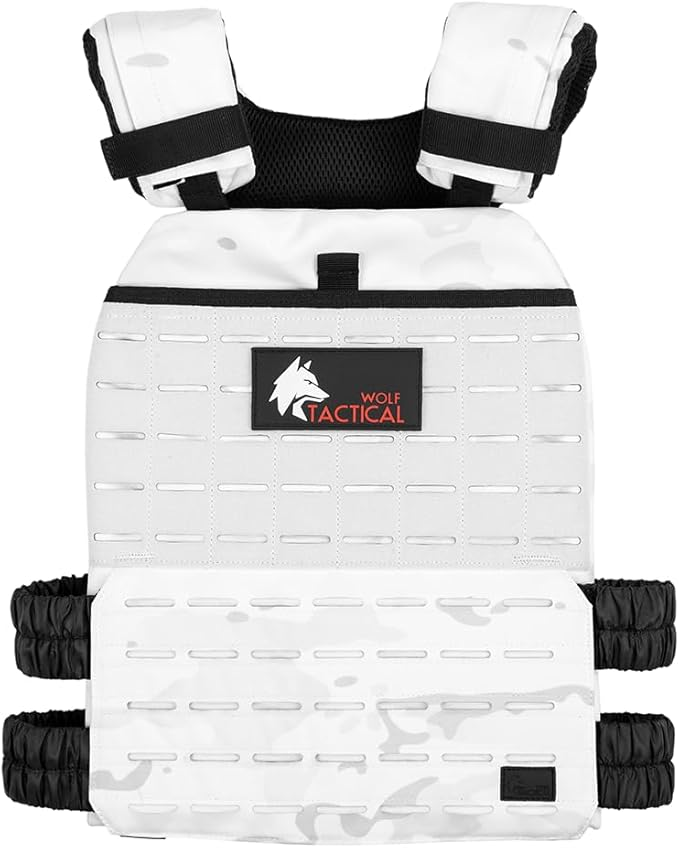
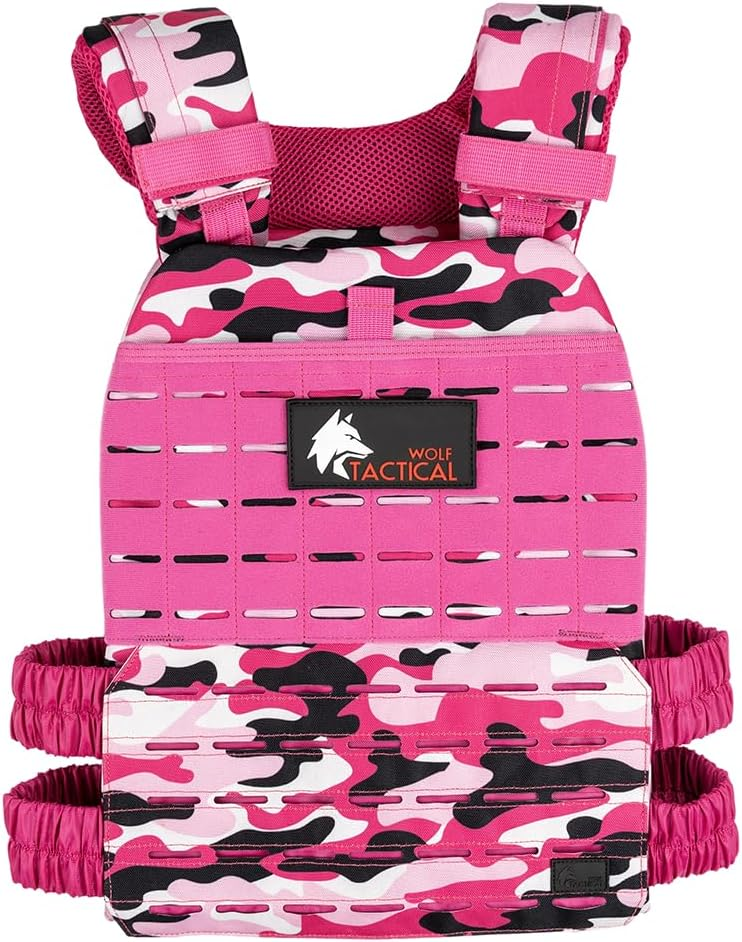
If you prefer a purpose-built vest for load distribution and comfort, consider a simple adjustable option like the WOLF TACTICAL Simple Weighted Vest. It’s comfortable for walks and easy to load with plates when you want a secure fit.


WOLF TACTICAL Simple Weighted Vest for rucking
WOLF TACTICAL Simple Weighted Vest: beginner-friendly fit for walking and ruck training.

Estimate calorie burn before you go

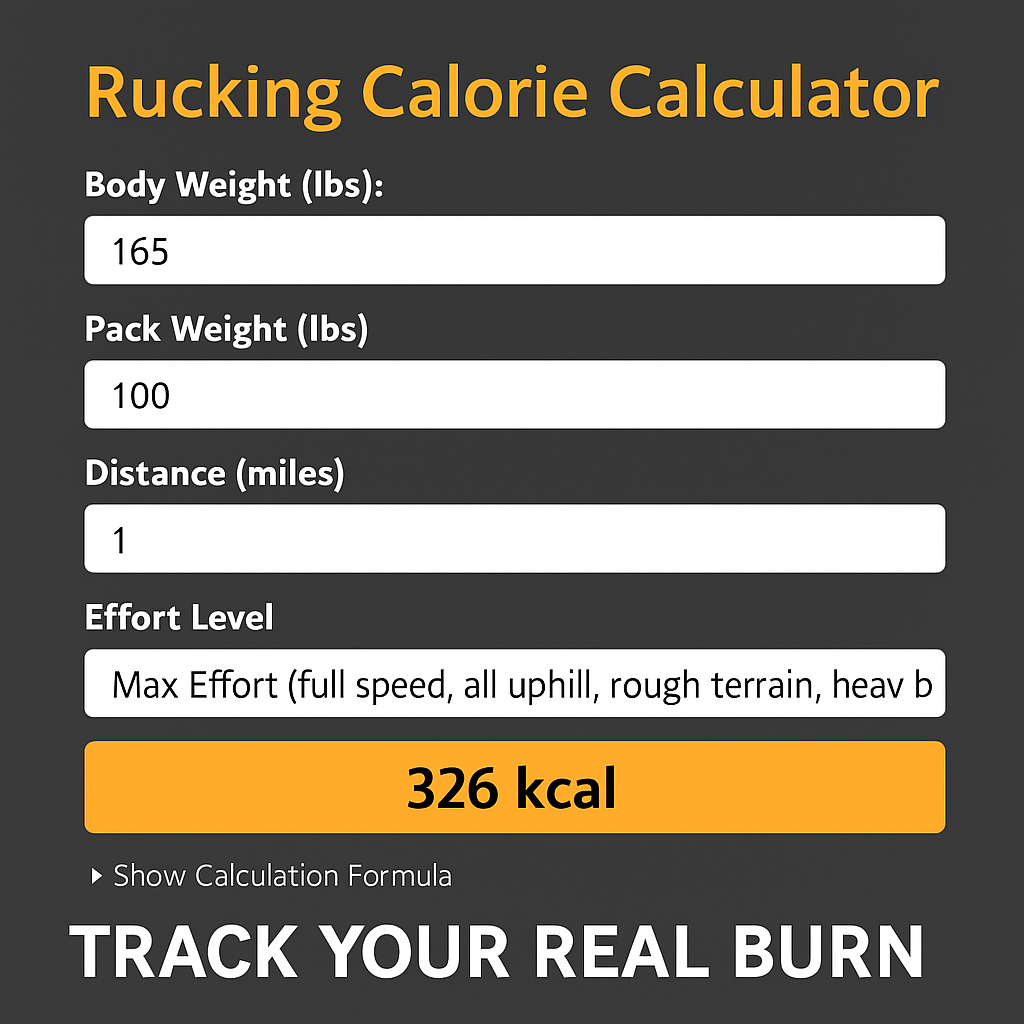
Want to know how many calories a ruck with a Go Ruck weighted vest will burn? Use the Rucking Calorie Calculator to get a tailored estimate based on weight, pace, distance, and load. Click the screenshot below to open the calculator and run numbers for your next session.


Rucking calorie calculator screenshot
Open the Rucking Calorie Calculator to estimate calories for your load, pace, and distance.

Bottom line

A go ruck weighted vest approach is one of the most practical ways to add consistent load for outdoor conditioning. Prioritize fit, gradual progression, and a reliable pack or vest. Track your sessions with the calorie calculator, listen to your body, and increase load slowly to build durable strength and endurance without injury.

Posted in Weighted Vest Training | Tagged , , , , | Comments Off on go ruck weighted vest: fit, use, and ruck-ready setup

5.11 Tactical Weight Vest: Fit, Sizing, and Training Guide

Why train with the 5.11 Tactical Weight Vest

The 5.11 Tactical Unisex TacTec Trainer Weight Vest is a go-to for walkers, ruckers, and WOD athletes who want comfort that holds up during longer sessions. Its low-profile design, breathable chassis, and secure plate pockets keep the load close to your center of mass, which improves posture and reduces bouncing. Whether you’re doing Murph, a 45-minute weighted walk, or a stair session, this vest checks the boxes for fit and durability.

5.11 Tactical TacTec Trainer Weight Vest for comfortable weighted training
Pro-grade comfort and adjustability for walks, WODs, and rucks.

Fit and sizing tips

  • Plate style and size: The TacTec Trainer is designed for standard trainer plates. Choose plate sizes that sit flat and high on the torso without restricting breathing.
  • Torso length: Aim for the bottom of the vest to land above the navel when you hinge or jog in place. Too low can chafe; too high can feel unstable.
  • Strap setup: Snug the shoulders first, then the cummerbund. You want minimal bounce while breathing freely through the belly and ribs.
  • Layering: For longer rucks, a moisture-wicking base layer under the vest reduces hotspots and makes post-session cleanup easier.

How heavy to go

For most people, start with 5–10% of bodyweight for steady walking or easy calisthenics. Progress by 2–5 lb when you can complete your target time or reps with clean form and no hotspots. For Murph-style work, common plate pairs are 14–20 lb total; for longer rucks, many settle between 10–30 lb depending on terrain and experience.

If you need plates to tune the load precisely, consider WOLF TACTICAL Weight Vest Plates (pairs), which come in multiple weights so you can progress gradually. Always confirm sizing with your vest’s specifications.

Wolf Tactical weight vest plates pairs compatible with many plate vests
Dial in your load with incremental plate pairs to match the workout.

Simple weekly plan

  • Day 1 – Weighted walk: 30–45 minutes at conversational pace. Focus on tall posture, small quick steps, and even breathing.
  • Day 2 – Calisthenics circuit: 5 rounds easy-moderate of push-ups, air squats, rows or band pulls, 200 m walk between rounds.
  • Day 3 – Rest or mobility.
  • Day 4 – Hills or stairs: 20–30 minutes continuous movement. Keep effort steady, not breathless.
  • Day 5 – Mixed session: 10-minute walk warm-up, 12-minute EMOM of 6 squats + 6 push-ups, finish with 10-minute cooldown walk.

Progress by extending time 5 minutes, adding a hill, or nudging weight up by 2–5 lb only after two solid weeks with no hotspots or joint irritation.

Estimate your calorie burn

Want a realistic estimate for your weighted-walk sessions? Use the Rucking Calorie Calculator. Even if you’re using a vest instead of a backpack, the physics are the same—enter your bodyweight, carried load (vest weight), distance or time, and pace to see approximate burn. It’s a helpful way to compare sessions and guide nutrition.

Rucking calorie calculator screenshot for estimating weighted-walk energy burn
Plug in bodyweight, vest load, time or distance, and pace to estimate calorie burn.

Technique and safety checklist

  • Posture: Think tall—ribs down, slight chin tuck, shoulders relaxed. Avoid over-arching the low back.
  • Footwork: Short, quick steps with a soft midfoot landing. This reduces impact and hotspots.
  • Hydration: Bring water on sessions longer than 30–45 minutes, especially in heat.
  • Skin care: If you notice rubbing, adjust straps and add a thin base layer. Don’t ignore hotspots.
  • Progression: Increase only one variable at a time—time, terrain, or load.

Bottom line: a well-fitted 5.11 vest makes weighted walking, rucking, and bodyweight work more effective with minimal fuss. Set your straps once, start light, and build capacity week by week.

Posted in Weighted Vest Training | Tagged , , , , | Comments Off on 5.11 Tactical Weight Vest: Fit, Sizing, and Training Guide

Weights for Plate Carrier: Choosing Load for Rucking and Training

Why the right weights for a plate carrier matter

Using a plate carrier as a load-carrying option is common when you want a low-profile, adjustable way to add mass for rucking, conditioning, or strength-endurance drills. The carrier changes how weight sits on your torso compared with soft vests: it rides higher and concentrates load across the sternum and back plates. That changes posture, breathing, and joint loading—so choosing appropriate weights and progression is essential.

How much weight should you start with?

Start conservative. If you’re new to plate carriers or weighted rucking, begin with 5%–10% of your bodyweight for walking rucks and 10%–20% for short, high-intensity conditioning sessions. Experienced trainees doing strength-focused circuits or heavy carry work can push 25%–50%+ of bodyweight, but that requires experience and robust core and hip strength.

Guidelines

  • Beginner walks: 5%–10% bodyweight, 20–60 minutes, comfortable pace.
  • Intermediate rucks/conditioning: 10%–20%, 30–90 minutes, moderate intensity.
  • Advanced strength/carry drills: 25%+, short sets, focus on technique and recovery.
  • Always prioritize movement quality — drop weight if posture breaks down or pain appears.

Types of weight to use in a plate carrier

Plate carriers accept hard plates, sandbags, and modular pouches. Hard steel or bump plates sit higher and concentrate load; soft plates and sandbags distribute more evenly. For progressive training, use removable plates or pair plate pockets with plate-shaped weight plates so you can increment gradually.

For serious heavy loading or structured calisthenics, a purpose-built load vest like the Kensui EZ-VEST® MAX V2 is designed to carry very large loads safely and is my pick when you plan to use hundreds of pounds for strength-style work. For more ruck- and mission-focused users who want durability and proven fit, the GORUCK Ruck Plate Carrier 3.0 is a sensible platform.


GORUCK Ruck Plate Carrier 3.0
GORUCK Ruck Plate Carrier 3.0: durable, low-profile carrier that integrates with ruck systems.

Inline option: consider the GORUCK Ruck Plate Carrier 3.0 for long rucks and modular load setups.


Kensui EZ-VEST MAX V2 heavy load vest
Kensui EZ-VEST® MAX V2: engineered for heavy, high-capacity loading and strength work.

Inline option: for max-load training, the Kensui EZ-VEST® MAX V2 handles heavier plates safely during calisthenics and brutal carries.

Safety checklist before you load up

  • Warm up hips, glutes, and thoracic spine; the carrier changes breathing mechanics.
  • Check fit—no excessive torso rotation or shoulder creep.
  • Progress weight by 5%–10% of bodyweight at a time for rucks; smaller increments for conditioning.
  • Monitor feet, knees, and low back for unusual pain. Pain that changes gait is a sign to reduce load.

Estimate calorie burn while rucking

To get a practical estimate of how many calories you burn carrying a plate carrier at different weights and paces, use the rucking calorie calculator below. Plug in your weight, pace, distance, and carried load for an immediate estimate to inform nutrition and recovery.


Rucking Calorie Calculator screenshot
Use the Rucking Calorie Calculator to estimate calories burned with a plate carrier load.

Closing practical tips

Think of plate carrier weight selection as a triad: movement quality, training goal (endurance vs strength), and progressive overload. Start light, keep a consistent progression, and use dedicated equipment for heavy loads. If you ruck long distances, pair a plate carrier with a hydration solution for comfort and efficiency.

Train smart: quality of steps and posture beats arbitrary heavy loads. Adjust based on how your body moves, not on what looks impressive.

Posted in Weighted Vest Training | Tagged , , , , | Comments Off on Weights for Plate Carrier: Choosing Load for Rucking and Training

How to Choose a Weight Jacket for Walking

Why use a weight jacket for walking?

Adding a weight jacket to walking is one of the simplest ways to increase calorie burn, build posterior chain strength, and make steady-state cardio more productive without drastically changing form. A well-fitting jacket keeps load centered on your torso so the hips and knees move naturally—unlike poorly placed packs or ankle weights that can alter gait and increase injury risk.

Key benefits

  • Higher calorie burn per mile while keeping hands free.
  • Improved posture and core engagement when fitted correctly.
  • Simple progressive overload: add small increments over weeks.

Fit, comfort, and what to look for

Fit is everything with a weight jacket. Look for a jacket that sits high on the torso, has adjustable straps, and uses distributed slim plates or small pockets rather than a single heavy panel. That minimizes bouncing and shear on the shoulders. For most walkers, a jacket that starts at 10–20% of body weight is sufficient for progression; beginners should begin much lighter and prioritize technique.

Material and ventilation

Choose breathable panels and a design that allows shoulder and scapular motion. Many jackets now use breathable mesh and low-profile plates—these reduce chafing during longer walks. If you’ll be out in hot weather, factor in sweat management and consider a hydration solution alongside the jacket.

Progression and safety for walks

Progression should be gradual. Follow a 2–4 week step-up approach: use a lighter vest for the first 2–4 walks, then add 2–5% bodyweight increments once your walks feel stable. Prioritize these checks:

  • Can you maintain an upright posture without overarching the low back?
  • Is your stride pattern unchanged and pain-free after a 30–45 minute walk?
  • Do you breathe normally without extra effort?

If the answer to any is no, drop load and build base fitness first. Watch for shoulder or neck pressure—those are signs of poor fit or too much weight.

Sample walking progression

Beginner: 20–30 minute walks, 3 times per week, light vest (5–10 lb). Intermediate: 45–60 minute walks, 3–4 times per week, 10–20 lb. Advanced: longer rucks or mixed-pace intervals with 20–40+ lb depending on fitness and experience.

Track your burn: quick calculator

Use the rucking calorie calculator to estimate how many calories you burn wearing a weight jacket at different paces and loads. It’s the quickest way to set realistic goals and adjust nutrition.


Rucking Calorie Calculator screenshot

Open the calculator, enter your weight, jacket load, and pace to see per-mile and per-hour estimates. Use that to plan walks and adjust intake if your goal is fat loss or maintenance.

Recommended gear for walking comfort

For most walkers who want a comfortable, low-bounce option, favor slim, adjustable vests. I recommend the WOLF TACTICAL Simple Weighted Vest (Men/Women) for fit and breathability.


WOLF TACTICAL Simple Weighted Vest for walking and rucking
Comfortable, low-profile vest that distributes weight for walking and daily use.

If you plan longer walks or want hydration built into your setup, the CamelBak Motherlode 100oz Mil Spec Crux Hydration Backpack pairs well with jacket work—use it for long outings or to carry extra plates and fluids.


CamelBak Motherlode 100oz Hydration Backpack for long weighted walks
Hydration and modular loading for long walks where water and plates matter.

Final checklist before you walk

  • Start light—test 10–20 minutes before a full session.
  • Check posture and breathing; reduce load if form breaks down.
  • Increase load slowly and track calories using the calculator above.

When you pick the right jacket and progress methodically, walking with load is a safe, effective way to get stronger and burn more energy while still enjoying time outside.

Posted in Weighted Vest Training | Tagged , , , | Comments Off on How to Choose a Weight Jacket for Walking

Omorpho vest: microloading vs traditional weighted vests

The Omorpho vest popularized “microloading” — spreading weight across the torso with small, evenly distributed loads. It feels sleek, moves well, and keeps jumping, sprinting, and agility work smooth. But is an Omorpho vest the best choice for walking, rucking, fat loss, and strength-based conditioning? Here’s how it stacks up and how to choose the right vest for your goals.

What the Omorpho vest does well

  • Mobility-first design: Distributed weight rides close to your center of mass, so running drills, jump rope, shuttles, and sport-specific footwork stay snappy.
  • Low bounce, low profile: Less slosh and fewer hotspots compared to some plate vests during dynamic movement.
  • Beginner-friendly feel: A fixed, moderate load can make sessions feel controlled while you dial in form.

Where microloading can fall short

  • Limited progression: Fixed loads cap your ability to increase stimulus. For fat loss and strength endurance, gradual load progression is key.
  • Less versatility for long walks/rucks: If your goal is steady calorie burn with scalable weight, an adjustable vest or ruck setup usually wins.
  • Cost versus capability: Premium pricing without easy weight changes may not fit every training plan or budget.

Who should pick an Omorpho-style vest?

If you prioritize athletic movement—sprints, agility, plyometrics, field sports—microloading feels great. For body recomposition, rucking, and progressive strength-endurance, you’ll benefit from an adjustable weighted vest that can scale from light to moderate-heavy loads over time.

Adjustable alternatives with real progression

For most walkers, ruckers, and circuit athletes, adjustable vests offer the widest training runway. Two strong options:

– The Wolf Tactical Adjustable Weighted Vest is comfortable, breathable, and easy to scale for walking, stair sessions, and bodyweight circuits.

Wolf Tactical Adjustable Weighted Vest for scalable walking and circuit training
Wolf Tactical Adjustable Weighted Vest: breathable, secure fit, and simple weight progression.

– Prefer a premium fit and durability? The 5.11 Tactical TacTec Trainer Weight Vest rides close to the body and stays put for longer efforts and mixed cardio-strength work.

5.11 TacTec Trainer Weight Vest for premium comfort and long sessions
5.11 TacTec Trainer: stable, durable, and comfortable for extended sessions.

Programming: making either vest work

  • Weighted walks/rucking: Start with 5–10% of bodyweight for 20–30 minutes, 2–3 times per week. Add time first, then weight in small steps.
  • Hills or stairs: 6–10 repeats at conversation-pace effort. Keep posture tall; avoid leaning on rails.
  • Run-technique or agility days: If using microloading, keep sessions short and crisp (10–20 minutes of drills) to protect mechanics.
  • Calisthenics circuits: 3–5 rounds of push-ups, step-ups, rows, and carries. Maintain perfect form; reduce reps or load if needed.

How many calories will you burn?

Your burn depends on bodyweight, pace, terrain, load, and time. Use our calculator to estimate your session and plan progression.

Rucking and weighted-vest calorie calculator screenshot

Bottom line

If you love athletic movement and want a sleek, low-bounce feel, an Omorpho-style vest can be a solid pick. If your main goal is fat loss, steady conditioning, and measurable progression, an adjustable weighted vest provides more value and flexibility. Choose the tool that matches your mission, then progress patiently and consistently.

Posted in Weighted Vest Training | Tagged , , , , | Comments Off on Omorpho vest: microloading vs traditional weighted vests

Tactical weight vest with plates: choosing and training safely

Why choose a tactical weight vest with plates?

A tactical weight vest with plates gives precise, stable loading for strength work, calisthenics, and rucking. Plates let you add or remove increments and maintain balance across the torso. This is ideal when you want heavy, predictable load distribution for short sprints, obstacle training, or progressive calisthenics like weighted pull-ups and push-ups.

Key design features to inspect

  • Plate pocket layout and retention — plates should sit flush and not shift during dynamic movement.
  • Material and stitching — heavy nylon or Cordura with reinforced seams stands up to plate edges.
  • Adjustability — shoulder straps and side compression straps to customize fit for your torso and layers.
  • Padding and comfort — look for removable shoulder pads or silicone grips to reduce plate rub.
  • Compatibility — check plate sizes and shapes (flat, curved, ceramic, steel) the vest accepts.

Recommended vests for plate-based loading

For heavy strength-based loading I favor designs built to handle high plate weights securely. The Kensui EZ-VEST® MAX V2 is built for large loads and modular plate systems, making it a go-to for athletes who push volume and heavy calisthenics.


Kensui EZ-VEST MAX V2 tactical weight vest with plates
Built for heavy loads and modular plate systems—ideal for strength-focused rucking and calisthenics.

If you want a durable, multipurpose option that still feels comfortable for higher-rep work, the Wolf Tactical Adjustable Weighted Vest is a solid middle ground—good for repeated outdoor sessions and beginner-to-intermediate plate use.


Wolf Tactical adjustable weight vest with plates
Adjustable and comfortable for longer rucks, walks, and mixed gym use.

Training guidelines and safety

Plates concentrate load — that changes movement mechanics. Start lighter than you think and progress methodically.

  • Begin with technique: walk, squat, hinge, and brace under light plates to adapt to shift and breathing demands.
  • Use progressive overload: add small increments (5–10 lb) every 1–2 weeks, depending on exercise and recovery.
  • Prioritize posture: plates can pull you forward; strengthen posterior chain (deadlifts, hip hinges) and core anti-extension work.
  • Limit long steady-state rucks with very heavy plates until your hips and knees adapt—use backpack plates or distribute load for long miles.
  • Inspect plates and pockets regularly for wear; replace plates with visible cracks or rust.

Sample workouts

  • Strength session: 6 sets of 5 weighted pull-ups (moderate plate), 4 sets of 6 plate-loaded pistol squat progressions, farmer carries for conditioning.
  • Mix session: 30-minute loaded walk with light plates, followed by 3 rounds of 10 push-ups (vest), 15 bodyweight squats.
  • Ruck day: moderate plates distributed in a ruck-style carrier for 60–90 minutes, focusing on cadence and hydration.

Calculator: estimate calorie burn and plan weight progression

Use the rucking calorie calculator to estimate energy expenditure for plate-loaded walks or weighted-vest sessions. It helps you plan nutrition and progression for fat loss or performance goals.


Rucking calorie calculator screenshot

Enter bodyweight, vest weight, distance and pace to get a realistic calorie estimate before training. Adjust your vest plates accordingly to match the session’s purpose—strength, conditioning, or endurance.

Closing practical tips

Choose dedicated plate vests for heavy, predictable loading. If you intend to mix long rucks and heavy calisthenics, consider separate gear: a plate carrier for short, heavy sessions and a ruck-specific carrier for miles. Inspect fit every session, progress slowly, and prioritize joint health over quick weight increases.

Posted in Weighted Vest Training | Tagged , , , , | Comments Off on Tactical weight vest with plates: choosing and training safely

5.11 vest weight: how much load to use for training and rucking

How much 5.11 vest weight should you use?

When you’re deciding 5.11 vest weight for workouts or rucking, the answer isn’t a single number — it’s a range that depends on your goals, experience and the length of your session. The 5.11 TacTec Trainer is designed to add manageable, distributed load for calisthenics, interval training and short- to medium-distance rucks. Think in percentages of bodyweight, not arbitrary plate counts.

Rules of thumb

  • Beginner strength/conditioning: 5–10% of bodyweight for sets, circuits and short walks.
  • Intermediate mix (rucks + tempo work): 10–15% of bodyweight for 30–60 minute sessions.
  • Advanced strength or loaded marches: 15–25%+ depending on conditioning and experience.

These ranges prioritize joint safety, breathing and movement quality. If you can’t maintain posture or your breathing spikes out of control, drop weight and build targets with progressive overload.

Programming the 5.11 TacTec

Use three simple progressions to add weight safely:

  • Increase reps under the same vest load until your movement quality slips, then add small increments (2–5 lb).
  • Extend time: add 5–10 minutes to a ruck with the same vest weight before increasing load.
  • Swap intensity: replace a session of heavier weight and low duration with a lighter weight and higher tempo to train cardiovascular tolerance under load.

Sample week for an intermediate trainee

  • Mon: Bodyweight circuit + 10% vest for 20 minutes (conditioning).
  • Wed: Strength work with 15% vest for short sets (5–8 reps, controlled).
  • Sat: 60-minute ruck at conversational pace with 12% vest weight.

Practical fit and comfort tips

The 5.11 TacTec sits high and tight. Fit matters more than headline load. Adjust straps so the weight sits close to your center of mass — too low increases torque on hips and knees. Use small plates or sandbags to fine-tune weight in 2–5 lb increments rather than large jumps. If you’re doing long rucks, consider a dedicated ruck plate or a backpack-style carrier for load comfort.


5.11 TacTec weight vest laid out with plates
5.11 TacTec Trainer: durable, low-profile weight vest for mixed training and rucks.

I recommend the 5.11 Tactical Unisex TacTec Trainer Weight Vest when your priority is mobility and short, high-intensity sessions. It supports modest load progressions while keeping movements safe.

Measure impact: calorie and effort planning

To understand how a given 5.11 vest weight changes your session demands, run a quick calorie/effort check. Use the rucking calorie calculator below to estimate the difference adding vest load makes to your walk or ruck. It helps set realistic session durations and recovery.


Rucking calorie calculator screenshot

Safety checklist

  • Warm up movement patterns before adding vest load.
  • Prioritize breathing and tempo over heavier plates early in a progression.
  • Monitor skin chafing and pressure points; adjust padding or clothing.
  • If pain (not normal effort) appears in joints, reduce weight and consult a professional.

5.11 vest weight isn’t a one-size-fits-all metric — it’s a tool. Use small, steady increases, prioritize form, and measure effects with objective tools like the calorie calculator. That approach preserves longevity and builds consistent conditioning under load.

Posted in Weighted Vest Training | Tagged , , , | Comments Off on 5.11 vest weight: how much load to use for training and rucking

How to train with a 75 lb weight vest

Why a 75 lb weight vest?

A 75 lb weight vest is a heavy tool — not a beginner toy. Use it when you have a solid base of bodyweight strength, consistent rucking experience, and clear goals: increase work capacity, build strength endurance, or overload walking-based cardio without carrying a bulky backpack. The vest loads your torso evenly, preserves natural gait better than hand weights, and creates persistent metabolic demand from every step.

Safety first

Before you put on 75 pounds, check these basics:

  • Joint and core readiness: your hips, knees, ankles, and lower back should be pain-free under bodyweight and light-loaded movement.
  • Progression plan: don’t jump straight to 75 lb. Build in 10–20% weekly increases and include deload weeks.
  • Fit and distribution: a snug, high-quality vest keeps load centered on your sternum and upper back to avoid low-back shear.

How to program a 75 lb vest

Use the vest for specific sessions, not all workouts. Here are practical templates:

  • Short power walks: 20–40 minutes at brisk effort, focusing on upright posture and steady cadence.
  • Conditioning circuits: set up 3–5 rounds of 6–10 push-ups, 8–12 bodyweight squats, and a 400m ruck while wearing a lighter vest — reserve 75 lb for shorter, controlled intervals.
  • Time-on-feet overload: for experienced athletes, progressive long rucks (60–120 minutes) with 75 lb can build unmatched endurance — always monitor form and recovery.

Progression example

Start with a less aggressive vest or plates, then:

  • Week 1–2: 20–30 lb — 3 sessions/week, prioritize technique.
  • Week 3–5: 40–50 lb — increase session duration or intensity.
  • Week 6+: move to 60–75 lb for short, high-quality work while keeping volume controlled.

Gear choices for heavy loading

For true heavy-loading like 75 lb, choose gear designed for plates and durable retention. I recommend the Kensui EZ-VEST MAX V2 for athletes who need a vest built to handle hundreds of pounds safely.


Kensui EZ-VEST MAX V2 adjustable heavy weight vest
Heavy-duty vest built to hold high plate loads for strength and rucking overloads.

For plates you can pair with heavy vests or carriers, Yes4All ruck weight plates are economical and stackable for incremental progression.


Yes4All ruck weight plate set
Durable plates for customizing load in vests or ruck carriers.

Track calories and recovery

When you add 75 lb to your body mass for walking or rucking, caloric cost rises dramatically. Use the rucking calorie calculator to estimate burn and tune nutrition and recovery. Click the screenshot below to open the calculator and enter your weight, pace, and load.


Rucking calorie calculator screenshot
Estimate calories burned rucking with a 75 lb weight vest—open the calculator to personalize numbers.

Notes from experience

As the founder and an ISSA-certified coach, I’ve run athletes through heavy-vest progressions and used weighted vests myself in long training blocks. Preston Shamblen lost 90 lbs through rucking, weighted-vest training, and disciplined nutrition, and he still recommends vests as one of the most reliable ways to maintain lower body weight and burn fat consistently. Heavy vests are a tool — respect them, program them, and they pay back in capacity and resilience.

Final checklist before a 75 lb session

  • Mobility warm-up and core activation.
  • Test posture under light load before adding plates.
  • Plan for conservative duration (shorter, higher-quality sessions).
  • Hydrate, recover, and respect progressive overload.

Done right, a 75 lb weight vest can be a powerful way to develop strength-endurance and accelerate calorie burn. If you’re new to heavy vests, consult a coach and use conservative progression.

Posted in Weighted Vest Training | Tagged , , , , | Comments Off on How to train with a 75 lb weight vest

Rogue Plate Vest: How it compares to weighted vests and plate carriers

What a Rogue plate vest is and when to use one

A Rogue plate vest generally refers to a plate-carrying vest or carrier designed to accept hard plates for tactical training, strongman-style work, or added load during runs and rucks. In practice it behaves differently than a soft, fillable weighted vest. Plates change load distribution, impact mobility, and change how your hips and shoulders react under stress.

Key differences: plates vs soft weights

  • Load distribution: Plates sit higher and more rigidly; soft vests conform to the torso.
  • Impact on movement: Plate vests can restrict torso flexion but provide stable, centered load for power movements.
  • Durability: Plate carriers tolerate hard impacts and repeated contact better than soft sandbag vests.

When a plate vest is the right tool

Use a plate vest if you want to train for tactical scenarios, build raw strength on bodyweight moves (pull-ups, dips, pistols), or carry heavier loads without the balling or shifting you get from fillable vests. For outdoor rucking, a plate carrier can work, but you’ll trade some comfort and shock absorption for better stabilization under heavy loads.

Practical pros and cons

  • Pros: stable load for heavy calisthenics, durable construction, easier to add/remove plates.
  • Cons: can be uncomfortable for long rucks, may need a padded carrier or additional cushioning, plates can feel jarring on long marches.

How to use a Rogue plate vest safely in outdoor training

Start light and focus on posture. Plates change your center of mass — brief walks and technical movements first, then longer rucks. I recommend programming short, high-quality sessions (20–40 minutes) of loaded calisthenics or hill rucks rather than long, heavy marches on day one. Pay attention to skin hotspots, breathing mechanics, and ankle/hip loading as you increase weight.

Programming tips

  • Gradual progression: add 5–10% of bodyweight every 1–2 weeks depending on recovery.
  • Mix modalities: alternate plate-loaded strength days with softer vest or backpack rucks to reduce joint stress.
  • Recovery: prioritize sleep, mobility, and hydration after heavy plate sessions.

Recommended gear for plate work

For heavy calisthenics and strength-focused training, a heavy-capacity vest like the Kensui EZ-VEST® MAX V2 is designed for big loads and secure plate placement:


Kensui EZ-VEST MAX V2 heavy-capacity plate vest
High-capacity vest built for heavy plate training and calisthenics progression.

If you’re comparing a Rogue plate vest to a plate carrier designed for rucking-style use, consider the GORUCK Ruck Plate Carrier 3.0 for a balance of comfort and plate compatibility:


GORUCK Ruck Plate Carrier 3.0 plate carrier for rucking
Plate carrier built for long rucks with improved comfort and durability.

Estimate calories and plan your progress

When you add plates or switch to a rigid carrier, your calorie burn and perceived effort change. Use the rucking calorie calculator to estimate effort and adjust your nutrition and recovery accordingly.


Rucking calorie calculator screenshot

Final take

A Rogue plate vest or any plate carrier is a powerful tool when your goal is heavier, more stable loading for strength and tactical fitness. Match the carrier to the session: use plate carriers for short, heavy technical work and consider softer vests or rucksacks for long-distance conditioning. Build slowly, protect your shoulders and hips, and use reliable gear that fits your programming.

Posted in Weighted Vest Training | Tagged , , , | Comments Off on Rogue Plate Vest: How it compares to weighted vests and plate carriers

Body Weight Vest: How to Choose, Fit, and Train Safely

A body weight vest turns everyday walks and simple bodyweight moves into efficient strength-and-cardio sessions. By adding external load to your torso, you increase mechanical tension, elevate heart rate at lower speeds, and build durability for outdoor adventures without pounding your joints.

Benefits of a body weight vest

  • More calorie burn at conversational paces without needing to run.
  • Improved relative strength for push-ups, step-ups, lunges, and hikes.
  • Bone and connective-tissue loading that supports long-term resilience.
  • Better posture awareness when you cue ribs down, glutes on, and steady cadence.

Choosing the right weight

Start light and earn the right to go heavier. For walking and rucking, most beginners do well with 5–10% of bodyweight. Intermediate trainees can work toward 10–15%. Only advanced athletes should top out around 20%, and there’s rarely a need to exceed that for general fitness.

  • New to vests: 5–8% bodyweight for 2–4 weeks.
  • Building capacity: 8–12% for longer walks or mixed circuits.
  • Experienced: 12–20% for hills, intervals, or strength-focused circuits.

Keep breathing easy through your nose for much of the session. If posture or stride breaks down, reduce the weight or duration.

Fit and comfort tips

  • Snug, not restrictive: The vest should not bounce when you jog in place, but you must be able to take a deep breath.
  • High and tight: Load sits close to the torso, centered front and back to avoid leaning.
  • Layer smart: Wear a smooth, sweat-wicking shirt to prevent chafing.
  • Stride neutral: Shorten your stride slightly on uphills; keep feet under hips.

Simple beginner plan

Weeks 1–2

  • 2–3 sessions per week, 20–30 minutes at easy effort (talkable pace).
  • Optional accessory circuit after your walk: 2 rounds of 8–10 reps each — push-ups, step-ups, split squats. Rest 60–90 seconds between moves.

Weeks 3–4

  • 3 sessions per week, 30–40 minutes. Add gentle hills or 2 x 5-minute brisk segments.
  • Accessory circuit: 3 rounds of 8–12 reps — push-ups, walking lunges, plank (30–45 seconds).

Progress either time or load each week, not both. If joints or low back feel cranky, back off 10–20% and build again.

Estimate your calorie burn

Want a quick estimate for how many calories your vest sessions burn? Use the rucking calorie calculator. It’s built for ruck walking, but the physics are the same for a body weight vest — simply enter your bodyweight, pace, time, and vest load.

Try the rucking calorie calculator

Rucking calorie calculator screenshot for estimating calories burned with a body weight vest
Estimate calories burned with your body weight vest sessions in seconds.

Recommended vests

If comfort and fit are your top priorities, these two options cover most needs:

Wolf Tactical Adjustable Weighted Vest

The Wolf Tactical Adjustable Weighted Vest balances comfort, adjustability, and value. It’s a great starting point for walking circuits and progressive loading.

Wolf Tactical Adjustable Weighted Vest for walking and rucking
Comfortable and adjustable — ideal for beginners building weekly volume.

5.11 Tactical TacTec Trainer Weight Vest

For heavier use and better airflow, the 5.11 Tactical Unisex TacTec Trainer Weight Vest keeps the load tight to the torso with durable materials and smart ventilation.

5.11 TacTec Trainer weight vest with breathable design
Premium fit and durability for longer walks and mixed training.

Safety reminders

  • Warm up 5–8 minutes before loading: ankle rocks, hip openers, a few unweighted squats.
  • Hydrate, especially in heat; keep electrolytes handy on longer efforts.
  • Choose flat, predictable terrain at first; add hills and trails once the vest feels natural.

Start light, move well, and progress gradually. A well-fitted body weight vest can make your outdoor sessions more productive — and more fun — in just a few weeks.

Posted in Weighted Vest Training | Tagged , , , , , | Comments Off on Body Weight Vest: How to Choose, Fit, and Train Safely