As an Amazon Associate I earn from qualifying purchases. This article contains affiliate links.
An exercise vest for men should suit your torso and workout, rather than simply carry a men’s label. Shoulder width, chest measurement, torso length, and the smallest usable load all affect whether a vest will work for you.

Measure before choosing a size
Use the manufacturer’s size or fit chart and measure over the layer you expect to train in. A shorter torso can make a long vest hit the hips; broad shoulders can make a narrow neckline uncomfortable. “One size fits most” leaves room for exceptions.
Check a full breath, an overhead reach, and a comfortable squat. A stable fit should not require compressing your chest. If adjustment cannot fix pressure or rubbing, a different design may be more useful than more padding.
Match the vest to the activity
For walking, choose a manageable load and evaluate comfort across a short route. For push-ups, dips, or pull-ups, test range of motion and plate clearance with a light setup. For running, consider whether separate loaded walks would meet your goal without changing your usual running sessions.
A vest is one way to add resistance; it does not replace a balanced strength program or establish that all your exercises should be weighted.
Compare adjustable designs
| Design | How resistance changes | Main buying check |
|---|---|---|
| Small removable blocks | Add or remove loading pieces | Real increment size and pocket arrangement |
| Training plates | Change compatible front-and-back inserts | Retention and complete pair weight |
| Sandbag inserts | Change permitted filler quantity | Supported insert and secure closure |
| Gym-plate sleeves | Load compatible gym plates | Plate clearance and locking hardware |
Wolf Tactical and 5.11 options
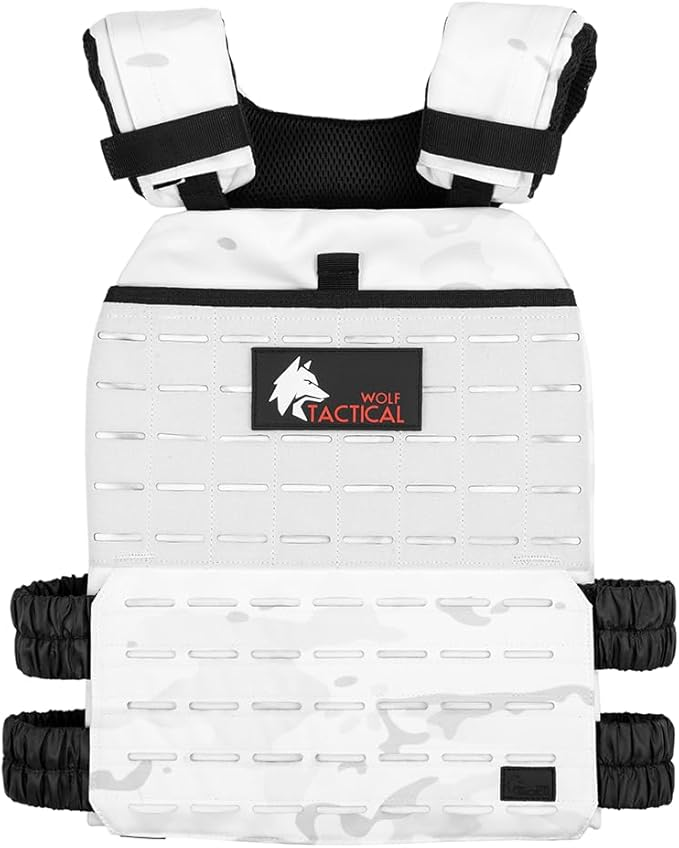
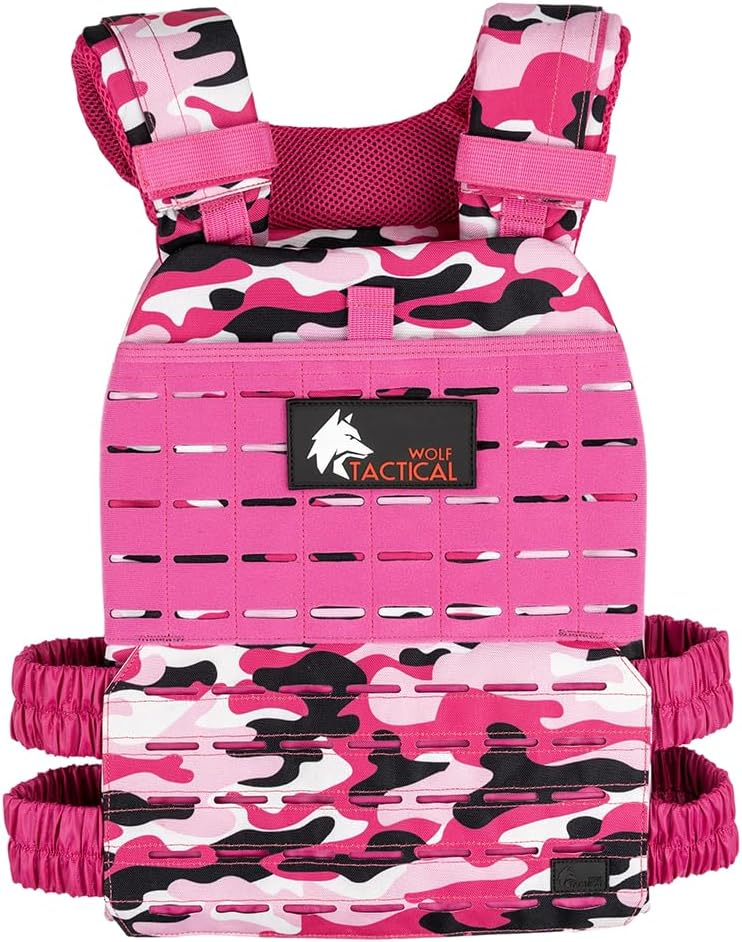
The Wolf Tactical weighted vest is a practical plate-system option to compare for walks and controlled workouts. Check whether your chosen listing includes plates and whether its first loaded configuration suits you.
The 5.11 TacTec Trainer uses its own supported inserts. Compare fit and retention directly; a higher price does not establish that it handles heavier exercise better for your body.
If you want a thinner garment with smaller weights, compare a fitted design such as the Hyper Vest PRO. If using your gym plates matters, read the Olympic-plate vest guide.
Build a repeatable routine
Start with a short loaded walk or a few controlled exercise sets, then evaluate comfort and recovery. Keep the load unchanged while becoming familiar with the vest. Progress time, repetitions, or weight separately when the current work is manageable across several sessions.
Record the complete loaded vest weight instead of the advertised maximum. Use the app below for walking records and keep strength sets and repetitions in a separate log. Buying a vest is useful when it supports sessions you can actually repeat.
Track weighted walks with the Rucking app
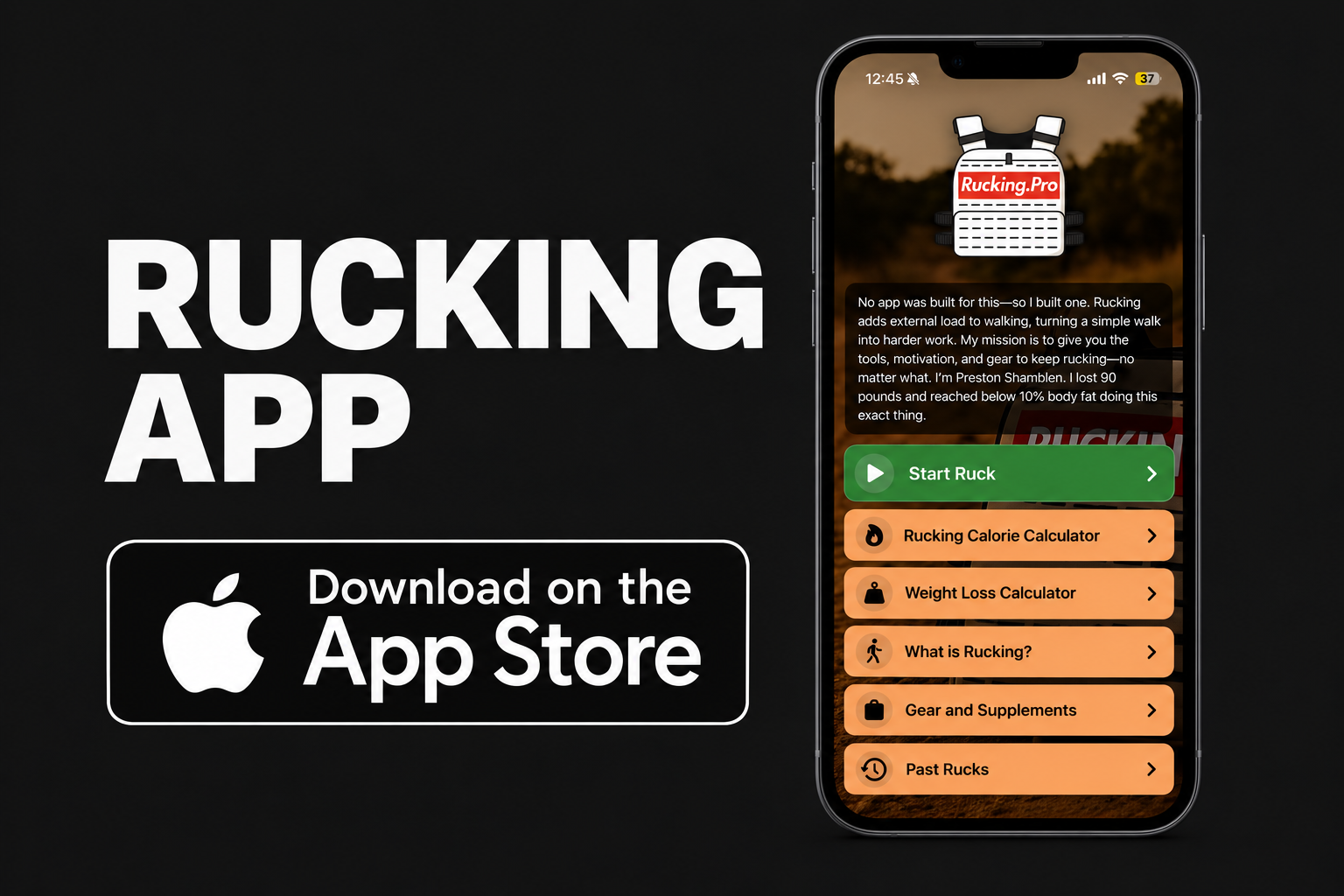
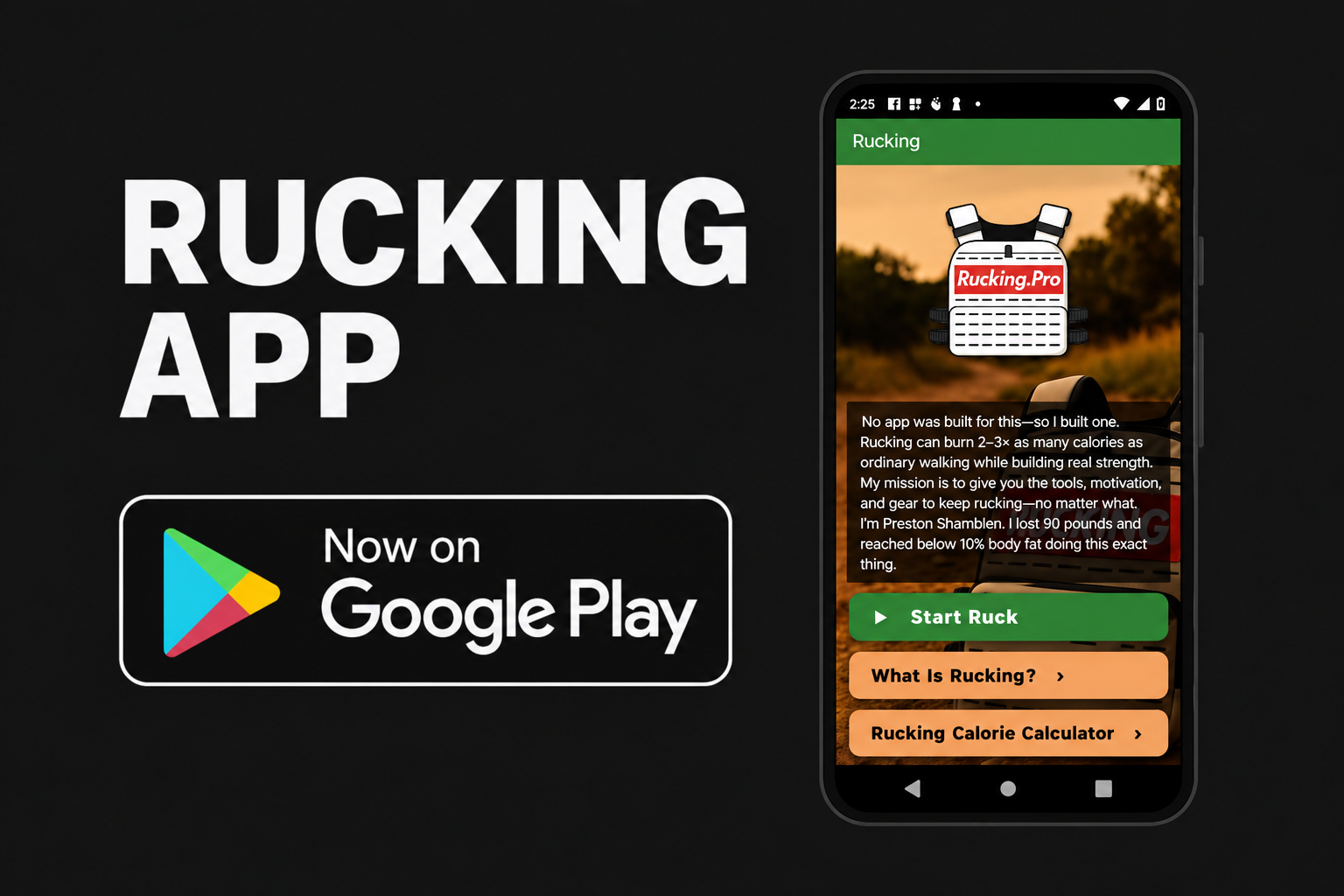
The Rucking app doubles as a weighted vest calorie calculator and walking tracker. Select weighted vest, enter your body weight and total carried load, then tap Start Ruck. Track GPS distance, elapsed time, pace, elevation gain, and estimated calories while you walk. With permission, save completed workouts to Apple Health on iPhone or Health Connect on Android. Health features depend on permissions and available data.


Get the iPhone app · Get the Android app
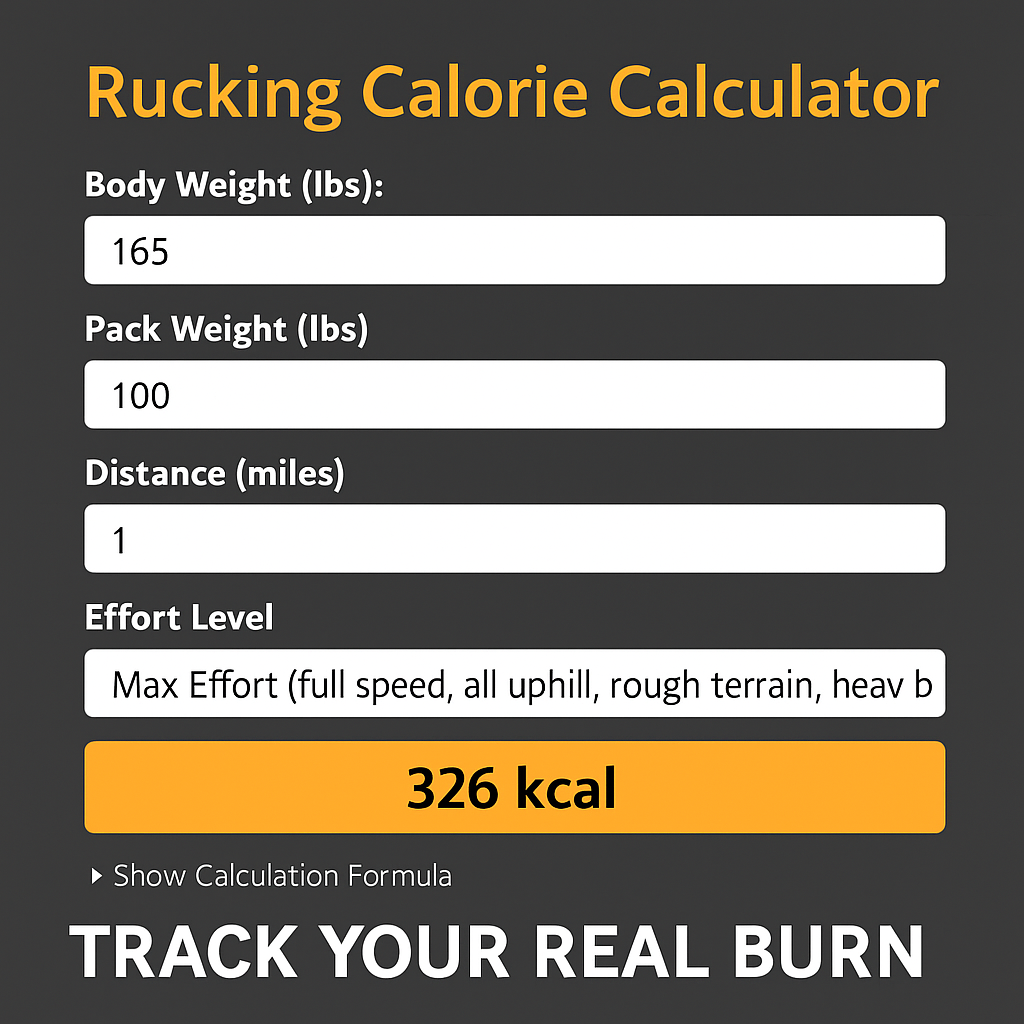
Prefer planning in your browser? Use the Rucking Calorie Calculator or Rucking Weight Loss Calculator. Calorie values are estimates, and weight-loss projections depend on nutrition and consistency. The walking calculator does not measure the energy cost of a strength workout or mixed WOD.