What a hyper weight vest is and why it matters
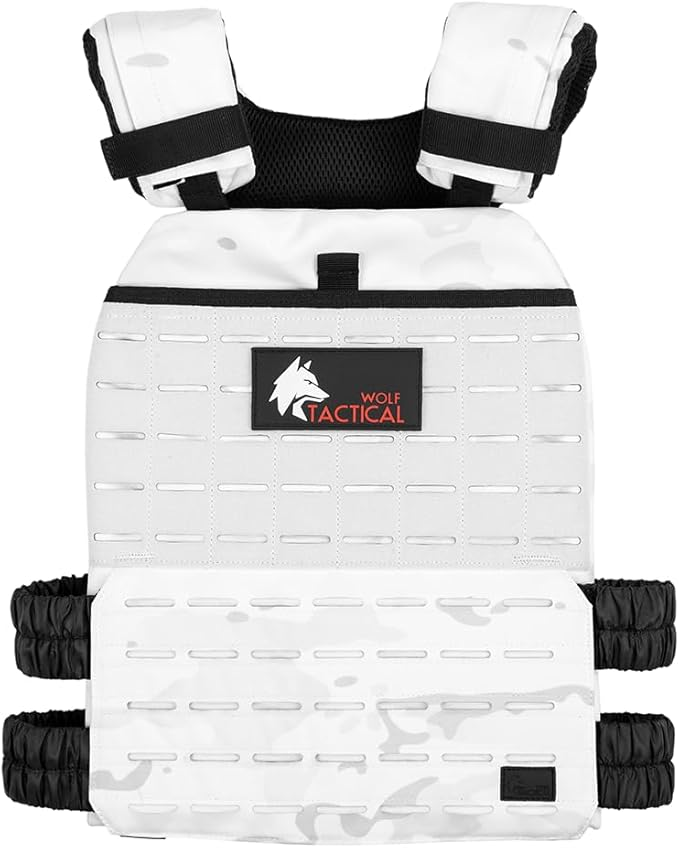
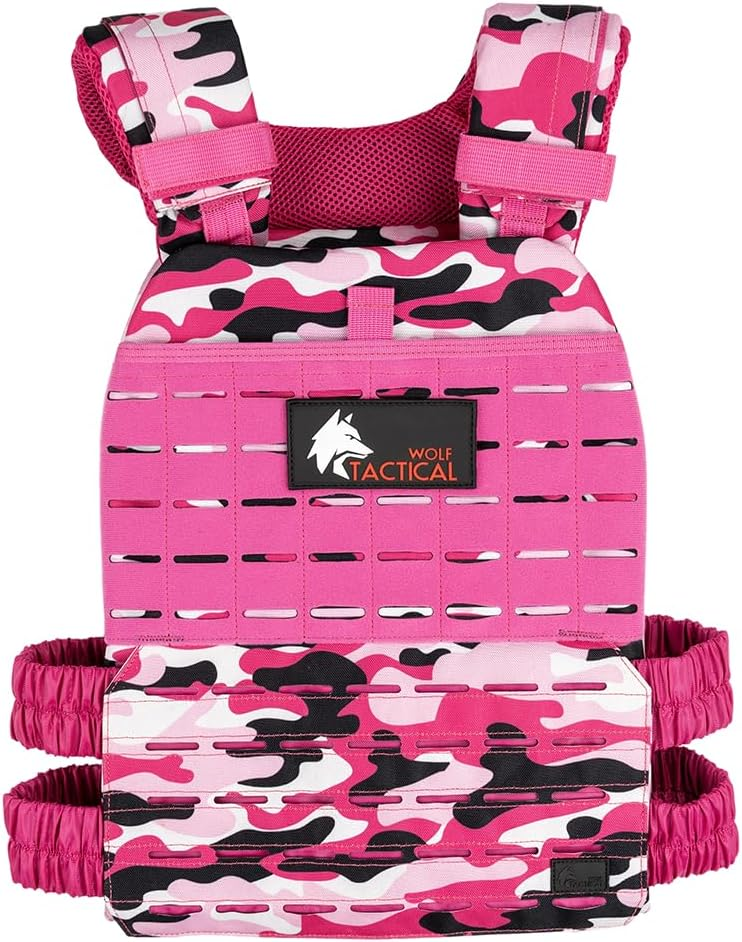
A hyper weight vest is a heavy, purpose-built weighted vest designed for high-load rucking, calisthenics, and strength-endurance work. Unlike thin fitness vests, hyper vests (300+ lb capacity or heavy plate compatibility) let you scale load for real strength adaptations while keeping the weight centered on the torso rather than the shoulders.
Who should consider a hyper weight vest?
This tool is for experienced trainees who already have a baseline of strength, joint health, and rucking or loaded-walking practice. If you’re new to weighted vests, start light and build up. A hyper vest is not a shortcut — it’s a training tool for durable, progressive overload.
Key safety and fit rules
- Keep load close to your center of mass — chest and upper back — to protect the spine and hips.
- Don’t exceed a load that ruins posture. If you round forward or hitch your hips, reduce weight.
- Use short, specific sessions for heavy work: think 15–30 minute rucks or sets of weighted calisthenics, not marathon walks at maximal load.
- Prioritize joint-friendly movements: step-ups, loaded carries, farmer walks, and controlled tempo squats.
Programming with a hyper weight vest
Progression matters more than maximal load. Here’s a simple weekly template that balances heavy work and recovery:
- Day 1 — Heavy short ruck: 15–30 min with challenging load, focus on posture and cadence.
- Day 2 — Recovery or active mobility.
- Day 3 — Strength + vest: weighted push-ups, pull-ups, and slow-step lunges (3–5 sets).
- Day 4 — Easy aerobic ruck or conditioning without the vest.
- Day 5 — Mixed modal: intervals carrying the vest for short hills or sled pushes.
Sample microcycle for strength and conditioning
Start with a base vest load you can manage for perfect technique for 8–12 reps. Add 5–10% load every 2–3 sessions if you maintain form. Volume can be daily, but heavy loads require 48–72 hours of recovery between maximal sessions.
Choosing gear: recommended heavy vest
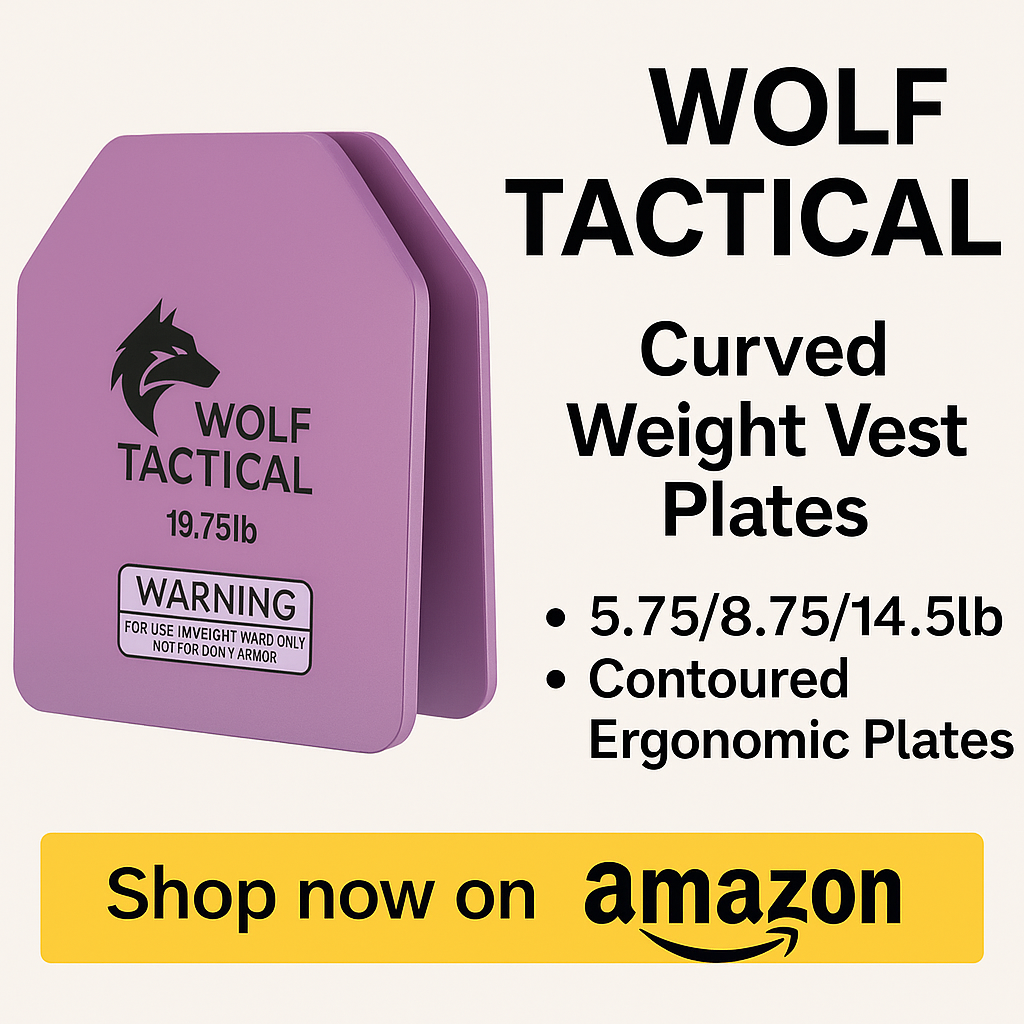
For truly heavy, strength-focused loading, a high-capacity vest built to take plates and heavy inserts is the right choice. Consider a vest designed to accept significant plate weight for safety and even distribution. One such option to evaluate is the Kensui EZ-VEST® MAX V2 (300 lbs):

Use the Kensui EZ-VEST® MAX V2 (300 lbs) when you need plate-compatible, durable construction and a secure fit for heavy reps and loaded carries.
Practical tips for longevity
- Cycle intensity: alternate heavy weeks with lighter skill-focused weeks.
- Prioritize recovery: sleep, protein, joint mobility, and loaded eccentric control.
- Hydrate and fuel appropriately; heavy rucking increases energy demand and heat stress.
- Check gear frequently: seams, plates, and buckles take a beating under extreme loads.
Estimate your calorie burn
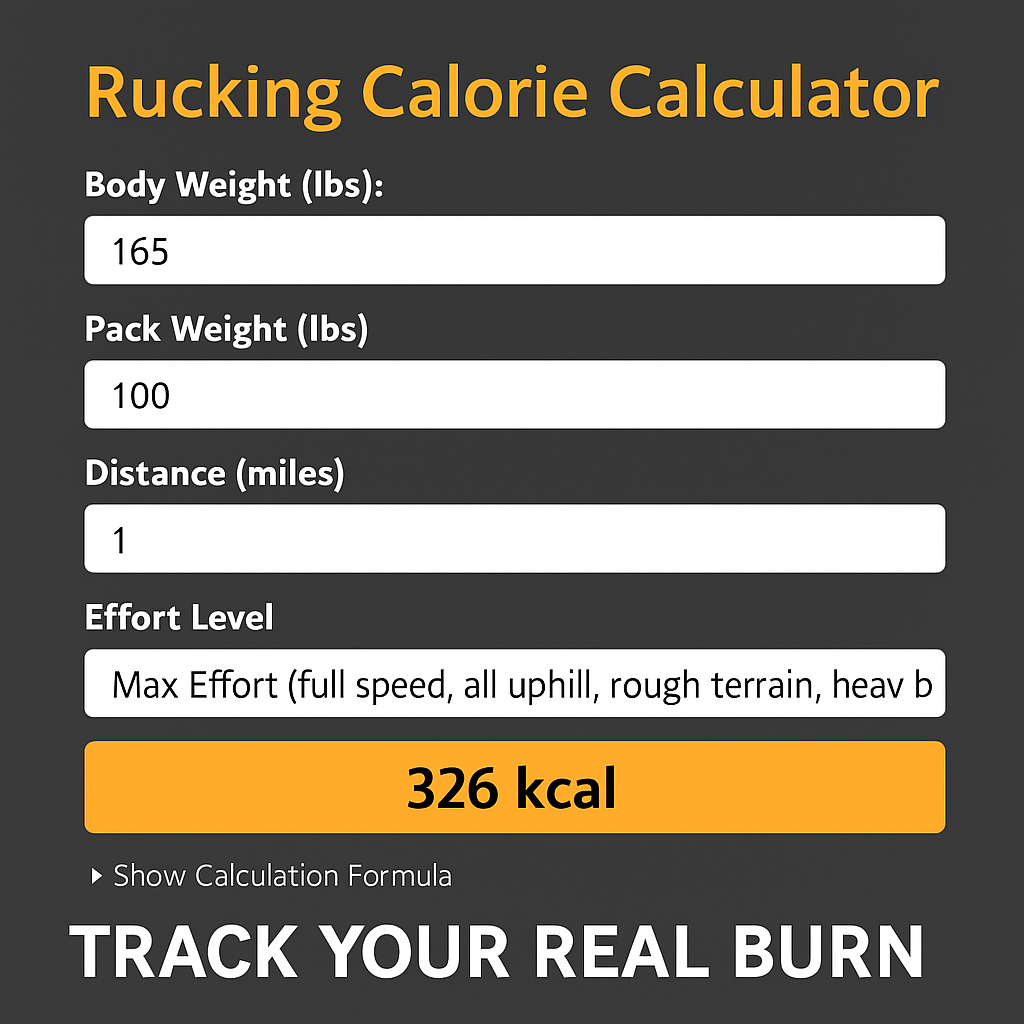
Want to know how heavy rucking with a hyper weight vest affects your daily calorie burn? Use the rucking calorie calculator to estimate session burn and plan nutrition around heavy work.

Final thought
A hyper weight vest is a powerful tool when used with respect for progression and movement quality. If you’re consistent and careful, heavy vests build functional strength, increase metabolic demand, and translate directly to better loaded movement on trails and in the city. Start conservative, track progress, and use a calculated approach to load increases.