APC Weighted Vest 3.0 — practical fit and use guidance
The APC Weighted Vest 3.0 is designed for athletes who want a low-profile, evenly distributed load for rucking, walking, and bodyweight conditioning. This article walks through fitting the vest, common problems with chafing and pressure points, and how to integrate the vest into a progressive training plan so you stay safe and make measurable progress.
Why fit matters more than maximum weight
A vest that rides up, pinches your shoulders, or shifts with every step ruins workouts and creates injury risk. The APC 3.0 is best when it sits low on the torso, close to your center of mass, and allows normal shoulder and arm movement. Start with a conservative load and focus first on comfort and movement quality — you can add weight later.
Checklist: dial the fit before you load heavy
- Adjust shoulder straps so the vest sits across the sternum, not the throat or lower ribs.
- Compress the front and back panels to reduce internal movement of plates or sand.
- Use a thin base layer (technical tee) to reduce friction; avoid cotton against the skin for long rucks.
- Walk for 10–15 minutes at an easy pace after fitting to find pressure points before a long session.
- If hot spots form, stop and pad the area with a thin buff or extra layer rather than ignoring it.
Programming the APC Weighted Vest 3.0
For most users, progressive overload is the same concept whether you use plates or soft weight — add small increments of weight, keep reps and distance consistent, and measure progress. Use a mix of distance-based rucks and interval-style circuits for conditioning. Example progression for a beginner: 2–3 weeks of bodyweight conditioning, then 2 weeks at 10% bodyweight, add 2–5% every 2–4 weeks as form allows.
Practical tips for real-world use
- Footwear and gait matter: poor shoes amplify vest-related discomfort. Choose a stable, supportive shoe for rucking.
- Hydration and heat: weighted vests increase work rate and core heat. Plan shorter sessions in heat and hydrate proactively.
- Carry a small repair kit: zip ties or duct tape can temporarily solve strap issues in the field.
- Listen to pain signals: muscle fatigue is normal, sharp joint pain is not.
Track calorie burn and plan progress
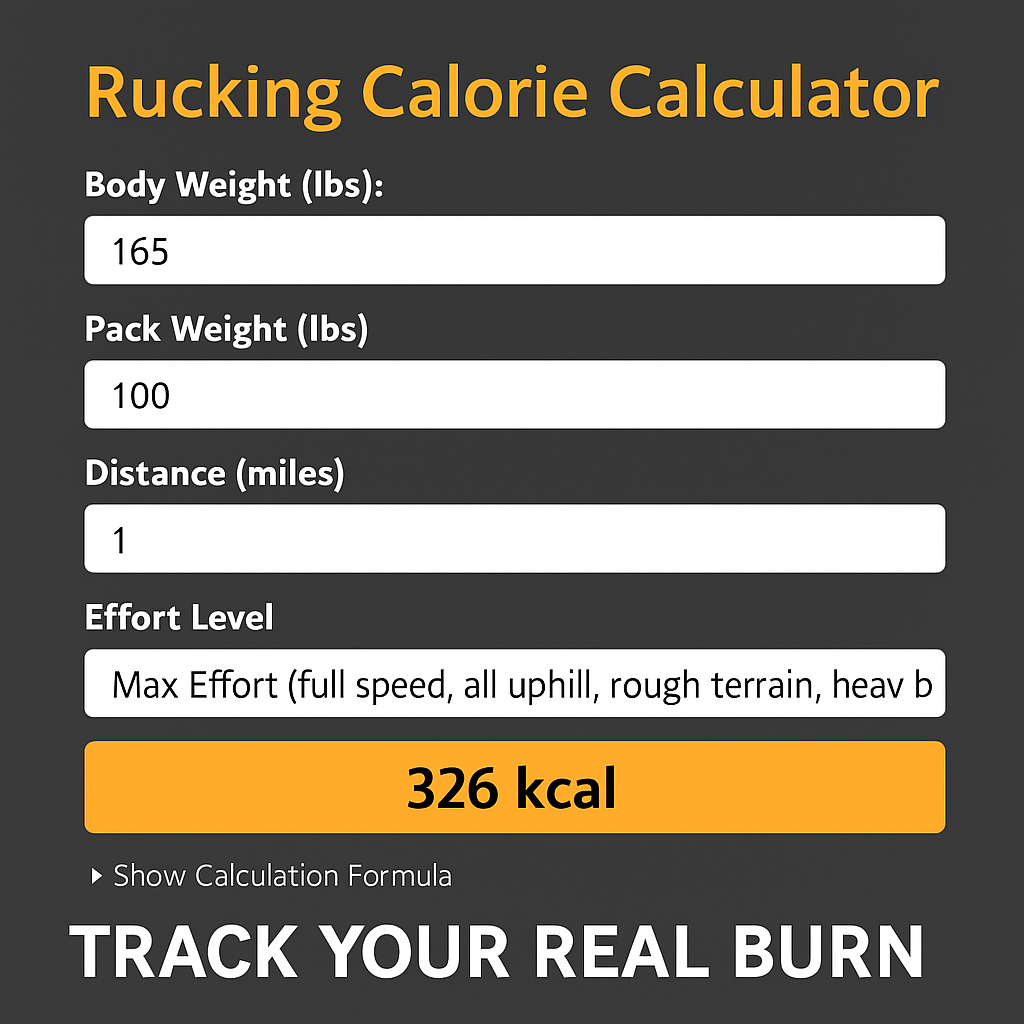
If you want to quantify the extra work the APC Weighted Vest 3.0 adds, use a rucking calorie calculator to estimate energy expenditure and set realistic calorie or weight-loss goals. One reliable tool I recommend for planning intensity and weekly calorie targets is the rucking calorie calculator — it helps you convert distance, load, and pace into usable numbers.
Use the Rucking Calorie Calculator

Recommended gear when using the APC vest
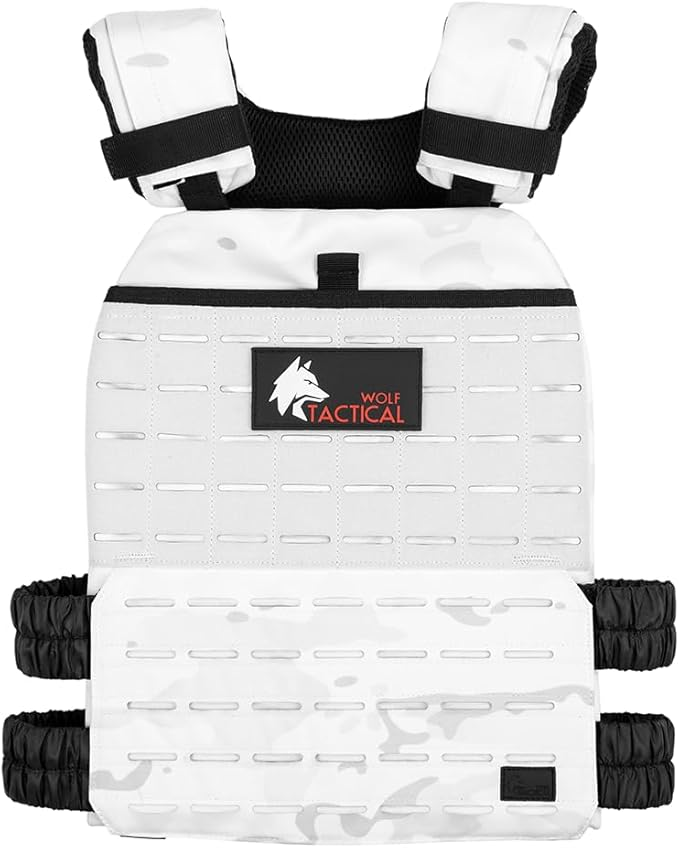
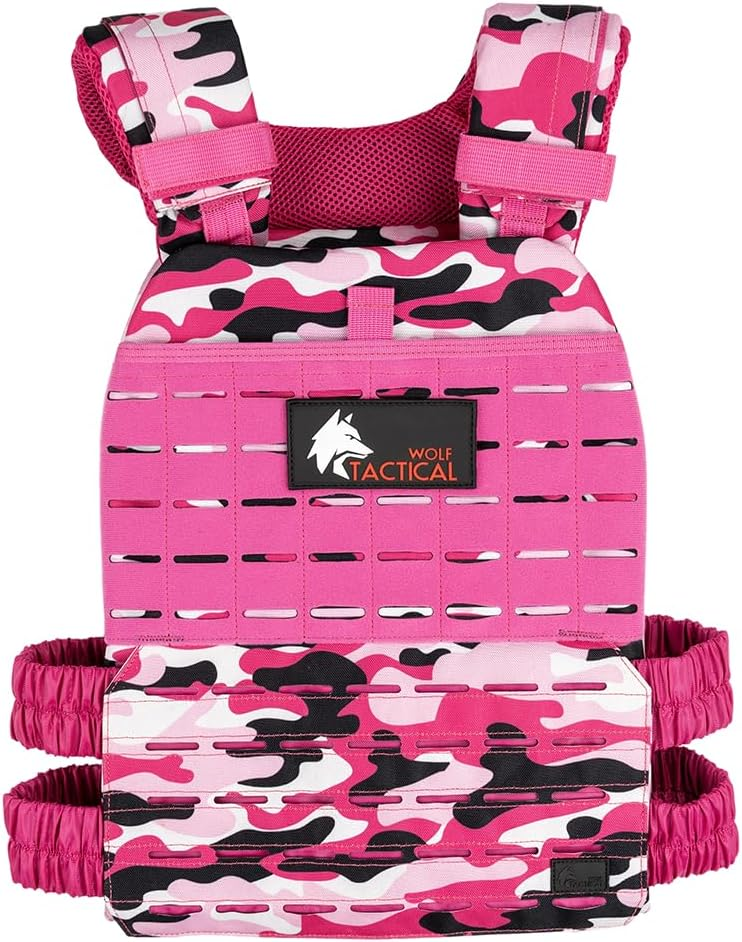
If you want a comfortable, beginner-friendly option to compare against the APC, consider the Wolf Tactical Simple Weighted Vest for daily walking and short rucks. It balances comfort and durability for most people starting weighted-vest work.

Final notes — safety and consistency
The APC Weighted Vest 3.0 can be an effective tool if you prioritize fit, gradual progression, and sensible programming. Start light, fix fit issues immediately, and use simple tools to track workload. Over time the vest becomes a reliable way to add consistent stimulus to walking, circuits, and outdoor conditioning without relying on machines.
When you pair good fit with steady progression, the APC 3.0 can be a durable, everyday training tool that stays out on the trail and not in the closet.