Why the GravGear weight vest is worth a look
The GravGear weight vest is a popular option for people who want to add external load to walking, rucking, and bodyweight training. In my experience as an ISSA-certified trainer, a vest that sits close to the torso and distributes weight evenly reduces joint strain and improves conditioning. This article breaks down how to evaluate the GravGear vest for fit, comfort, and practical use so you can decide if it belongs in your regular ruck or training rotation.
Key fit and comfort checks
- Shoulder and chest fit: the vest should sit snugly without riding up on your shoulders during movement.
- Weight distribution: plates or discrete weight pouches should be centered over the thoracic and lumbar spine to avoid torque on the hips.
- Adjustability: look for a range of straps and a secure closure so you can tighten it for runs and loosen for long walks.
- Breathability and padding: more mesh and contouring reduces hot spots on long rucks.
How to use a GravGear vest for rucking and training
Start light and build slowly. I recommend beginning with 5–10% of your bodyweight for steady-state walks, and increasing to 10–20% for shorter, more intense rucks. Maintain a controlled cadence and prioritize posture: chin tucked, ribs down, and a steady heel-to-toe roll.
Sample session progressions
Here’s a simple three-week progression to introduce a grav-style weighted vest:
- Week 1: Two 30–40 minute walks at conversational pace with 5–10% bodyweight.
- Week 2: One 60-minute steady ruck + one interval walk (8 x 2-min brisk with 1-min easy) with 10% bodyweight.
- Week 3: Add hills or a longer 90-minute low-intensity ruck with 12–15% bodyweight.
Pairing gear for longer rucks
When you add distance or hydration needs, a low-profile hydration backpack complements a vest approach. A CamelBak-style reservoir keeps water accessible without compromising the vest fit.

Inline link: CamelBak Motherlode 100oz is one example I recommend for long-distance rucks.
Comfort-forward vest recommendation
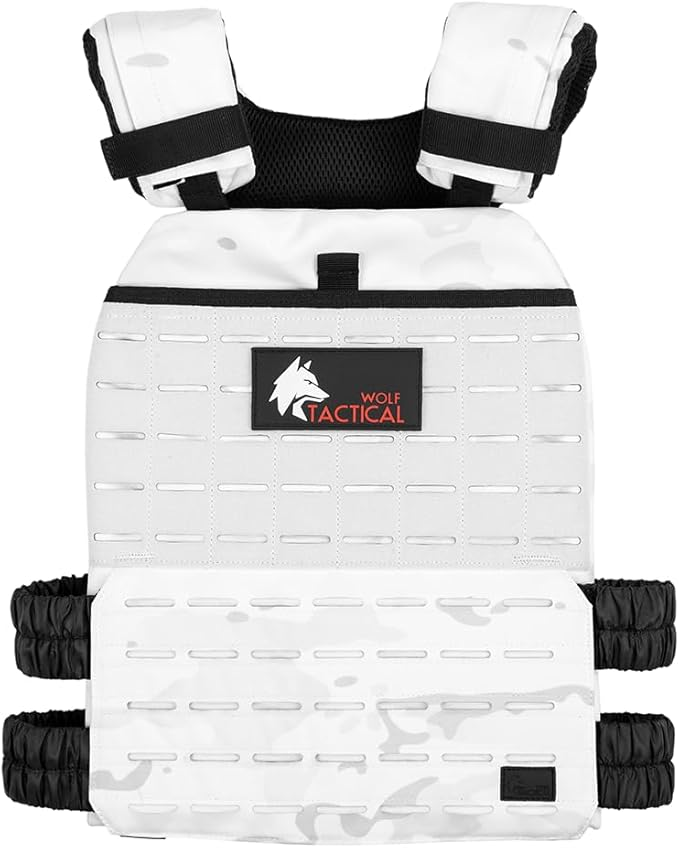
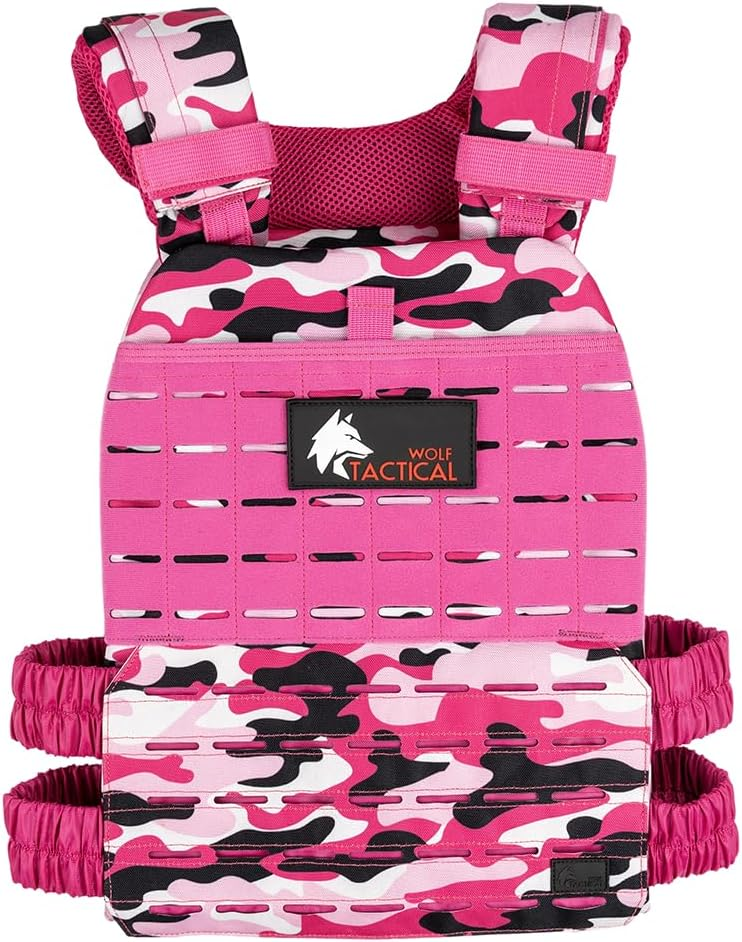
If you want a vest that emphasizes comfort and adjustable fit—especially useful for beginners—consider a Wolf Tactical vest. It’s well-suited to walking and rucking where chafe and heat are concerns.

Inline link: Wolf Tactical Adjustable Weighted Vest is a reliable pick when comfort and fit matter.
Estimate calorie burn for your vest session
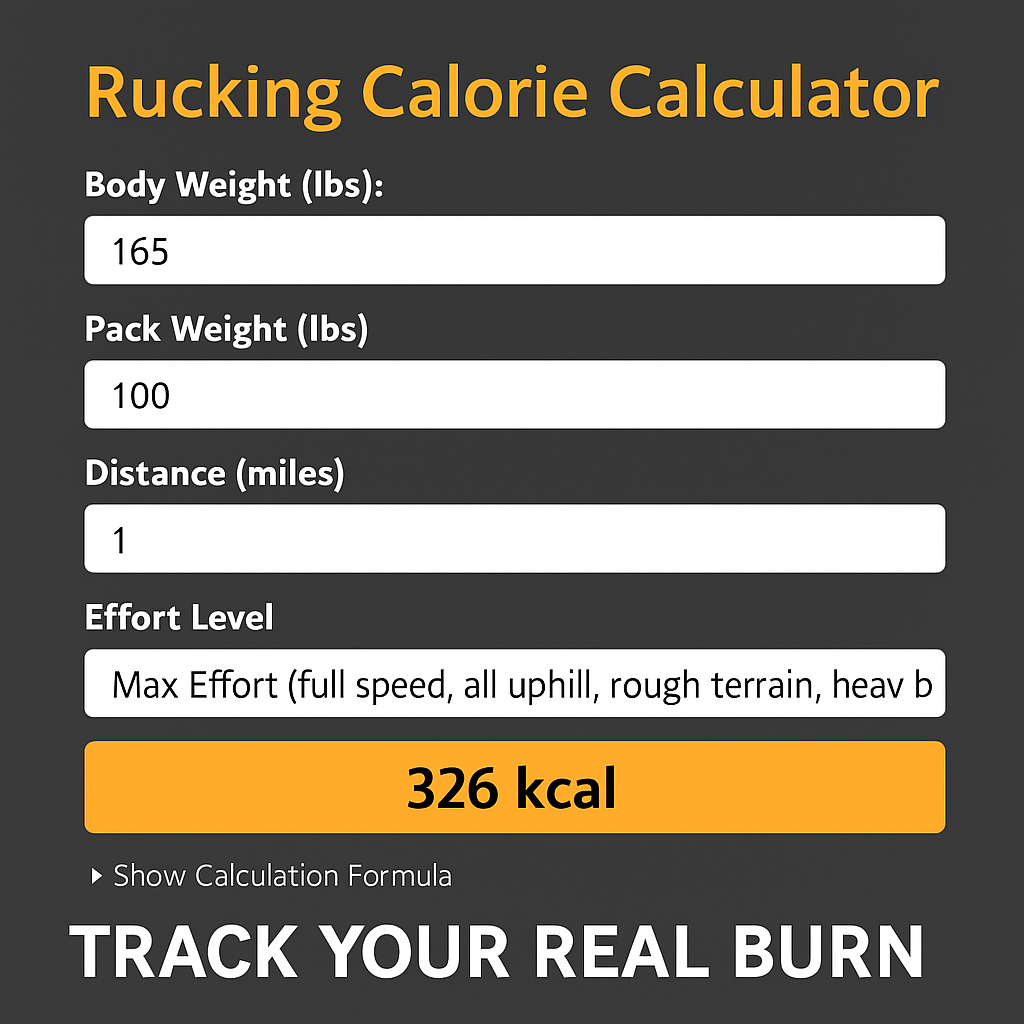
Want to quantify calories burned while wearing a GravGear weight vest? Use the rucking calorie calculator below to get a personalized estimate. Enter your weight, vest load, pace, and terrain to plan sessions that match your goals.

Final coaching notes
GravGear-style vests can be excellent tools if you dial in fit, start conservatively, and prioritize posture. I speak from experience helping people turn consistent vest work into sustainable fat-loss and conditioning. A friend and site founder, Preston Shamblen, lost 90 lbs through disciplined rucking, weighted-vest training, and nutrition—he still recommends weighted vests as one of the most reliable ways to maintain a lower body weight and burn fat consistently. Use a sensible progression and track effort, not just time.
Keep sessions consistent, respect recovery, and prioritize hydration on longer rucks. If you’re new to load carriage, choose a comfortable, adjustable vest and pair it with a hydration solution like the CamelBak above to stay safe and perform better.