Why a Cross Fit weighted vest matters for WODs
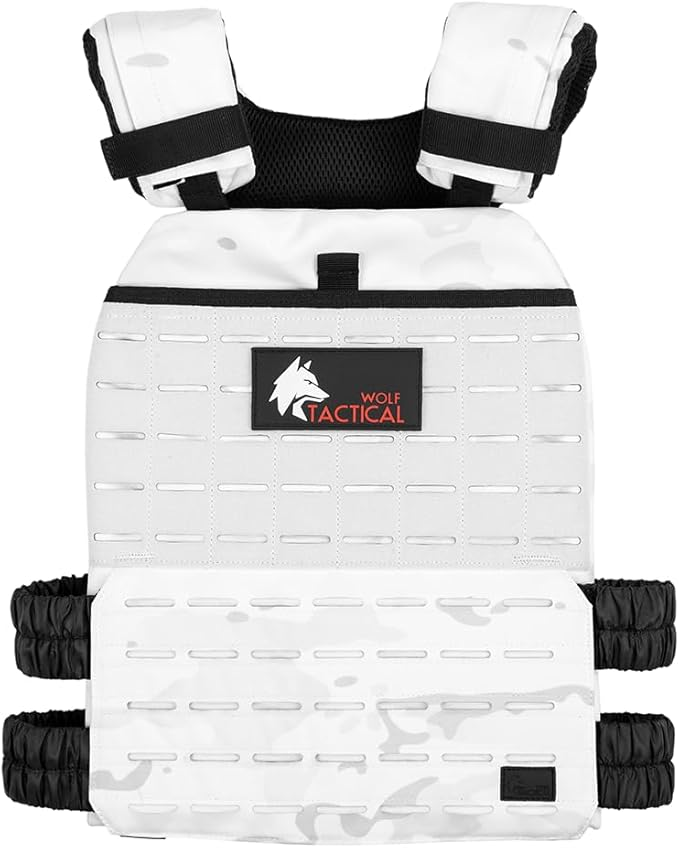
Adding external load to CrossFit workouts changes intensity, pacing, and the stimulus you give your body. A properly chosen Cross Fit weighted vest lets you scale metabolic conditioning, strengthen movement patterns under load, and force better posture during running, pull-ups, and bodyweight gymnastics without completely reworking a WOD.
Primary considerations before you buy
- Fit and mobility: The vest should ride close to your torso so it doesn’t shift during box jumps, burpees, or double-unders.
- Load distribution: Plates or pockets should sit on the chest and back evenly to avoid excessive torque on your spine.
- Adjustability: Start light and add small increments. For CrossFit, 2.5–10 lb increments are useful.
- Breathability: CrossFit is high-output — light, breathable materials reduce overheating.
How to program a Cross Fit weighted vest
Use the vest to add intensity selectively. Here are practical templates to integrate the vest without compromising technique:
Short AMRAPs (10–15 minutes)
- Choose a vest load that increases perceived exertion but allows unbroken sets on key movements.
- Example: 12-minute AMRAP — 10 pull-ups, 20 box jumps, 30 air squats with a light vest (5–15% bodyweight).
Interval work
- Use vest for 100–400m runs or 1-minute rowing bike intervals. If running, favor a lower load to keep turnover and mechanics intact.
Strength and skill days
- Weighted vests are excellent for building tempo control during strict gymnastic strength work — use heavier, stable vests for sets of 3–6 reps.
Progression, safety, and common mistakes
Progress slowly. Start with bodyweight WODs and add the vest for 10–20% of your weekly volume. Common mistakes include using too much weight for double-unders or kipping pull-ups (form collapse) and wearing a shifting vest during high-impact plyometrics. If you feel shoulder rounding or constant low-back strain, reduce load, check fit, and correct technique.
Accessory gear recommendations
For CrossFit-style training where mobility and short high-intensity efforts matter, a versatile mid-weight vest that allows small increments is ideal. For heavier calisthenics or maximal loading, a heavy-duty vest is appropriate.
Two options I often recommend depending on your goals:
5.11 Tactical Unisex TacTec Trainer Weight Vest is a great balance of comfort and durability for mixed WODs.

For heavy calisthenics and strength-focused sessions where you need large load capacity, consider the Kensui EZ-VEST® MAX V2.

Track intensity and calories
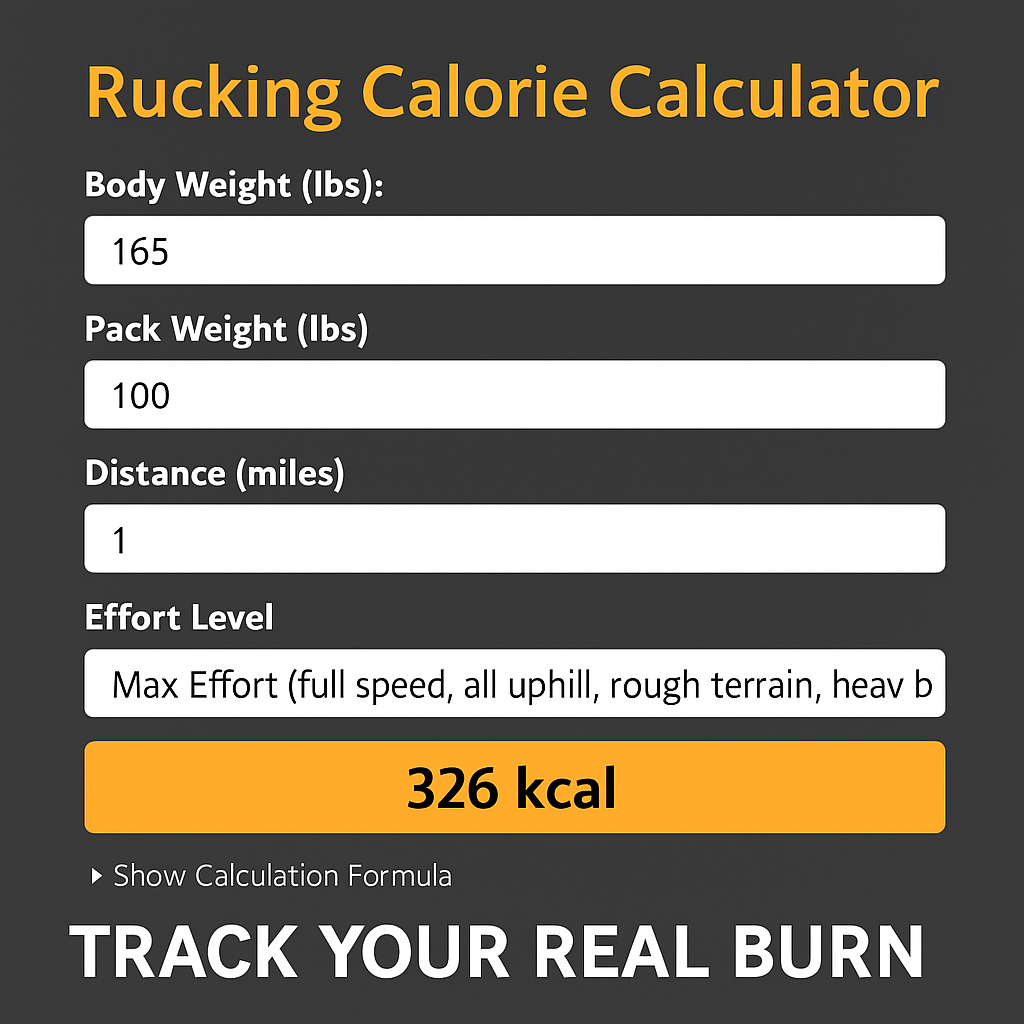
One of the best ways to dial your vest load is by tracking how it affects your caloric cost and perceived exertion. Use the rucking calorie calculator to see how added load changes your burn estimates and to tailor intensity for weight loss or conditioning goals.

Final rules of thumb
- Prioritize movement quality over load. If technique breaks, drop weight.
- Use small weight increments between sessions to maintain progressive overload without injury.
- Balance vest WODs with dedicated mobility and unloaded skill practice.
CrossFit with a weighted vest is powerful when you respect the mechanics, scale intelligently, and track intensity. Use a mid-weight vest for most WODs and reserve heavy vests for targeted strength calisthenics.