Is a 200lb weight vest practical?
Using a 200lb weight vest is an advanced training choice—it’s essentially moving into specialty strength-loading territory. For most athletes, a vest in the 10–80 lb range covers conditioning, rucking, and hypertrophy work. A 200lb vest is appropriate when the goal is maximal overload for calisthenics progressions, military-style ruck strength, or very specific sport prep where a structured progression and professional supervision exist.
Key safety considerations
- Start slow: base bodyweight strength and excellent joint health first.
- Test comfort: heavy plates shift; secure compression and load distribution are essential.
- Monitor spine stress: 200 lb concentrated on the torso increases axial compression—prioritize core and posterior chain strength.
- Use spotters and controlled movements for loaded pull-ups, dips, and squats.
Programming with serious load
If you plan to build toward a 200lb vest, treat it like a barbell progression. Use periodized phases—accumulation, intensity, and deload—and prioritize technique over raw load. Sample approach:
- Week 1–4: Build base with 25–50% of target vest load for high-volume sets, focusing on technique and joint tolerance.
- Week 5–8: Move to 50–75% for mixed strength and hypertrophy sessions—lower reps, higher intensity.
- Week 9–12: Introduce sets with 75–90% of target load, blended with unloaded skill work and mobility.
For most trainees, quality reps at submaximal loads produce better long-term results than jumping to maximum weighted vests immediately.
Gear built for heavy loading
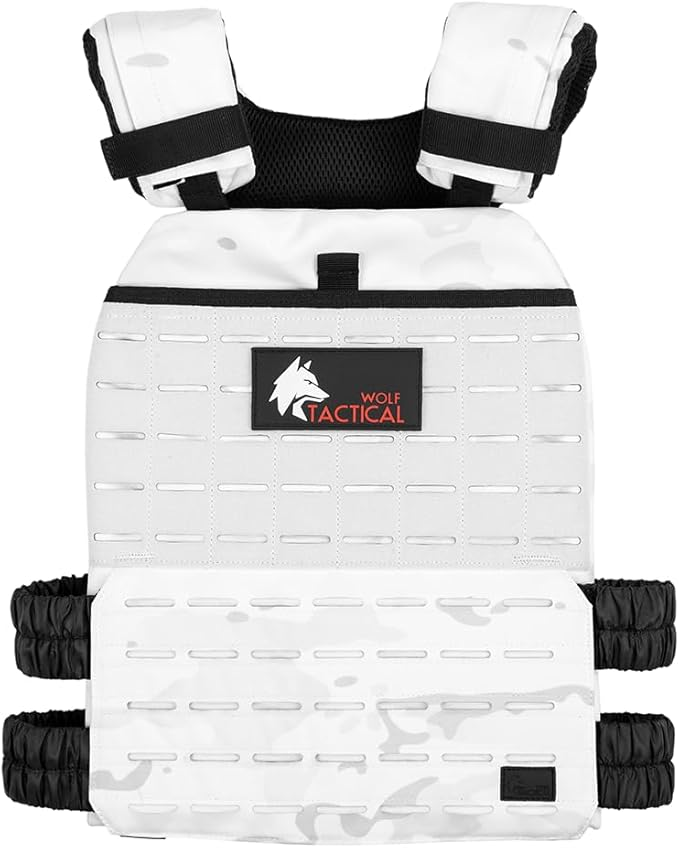
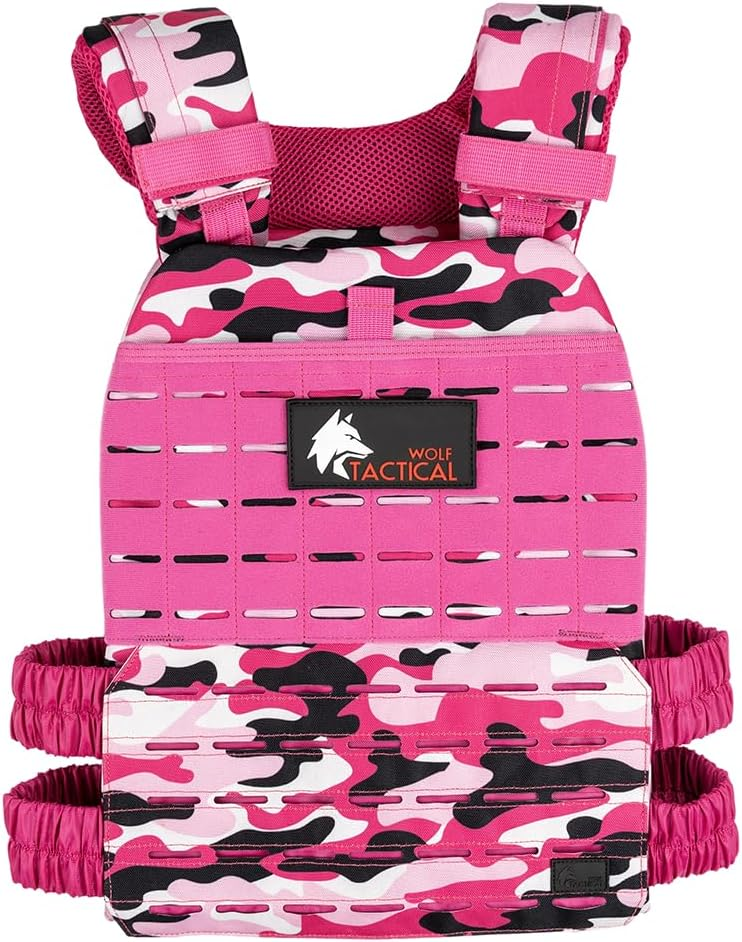
Not all vests are engineered for 200 lb. If your plan is heavy, pick a vest or plate carrier with reinforced stitching and modular plate pockets. For the highest-capacity, plate-based vests that handle extreme loads, the Kensui EZ-VEST® MAX V2 is built to accept very high total weight and heavy plate inserts—make sure sizing and plate layout match your movement patterns.

For heavy ruck-style carries and long-distance load carriage where durability and pack comfort matter, a robust rucksack like the GORUCK Rucker 4.0 20L is an option to distribute load more ergonomically across hips and shoulders. Use a ruck when the goal is distance under load rather than pure calisthenic overload.

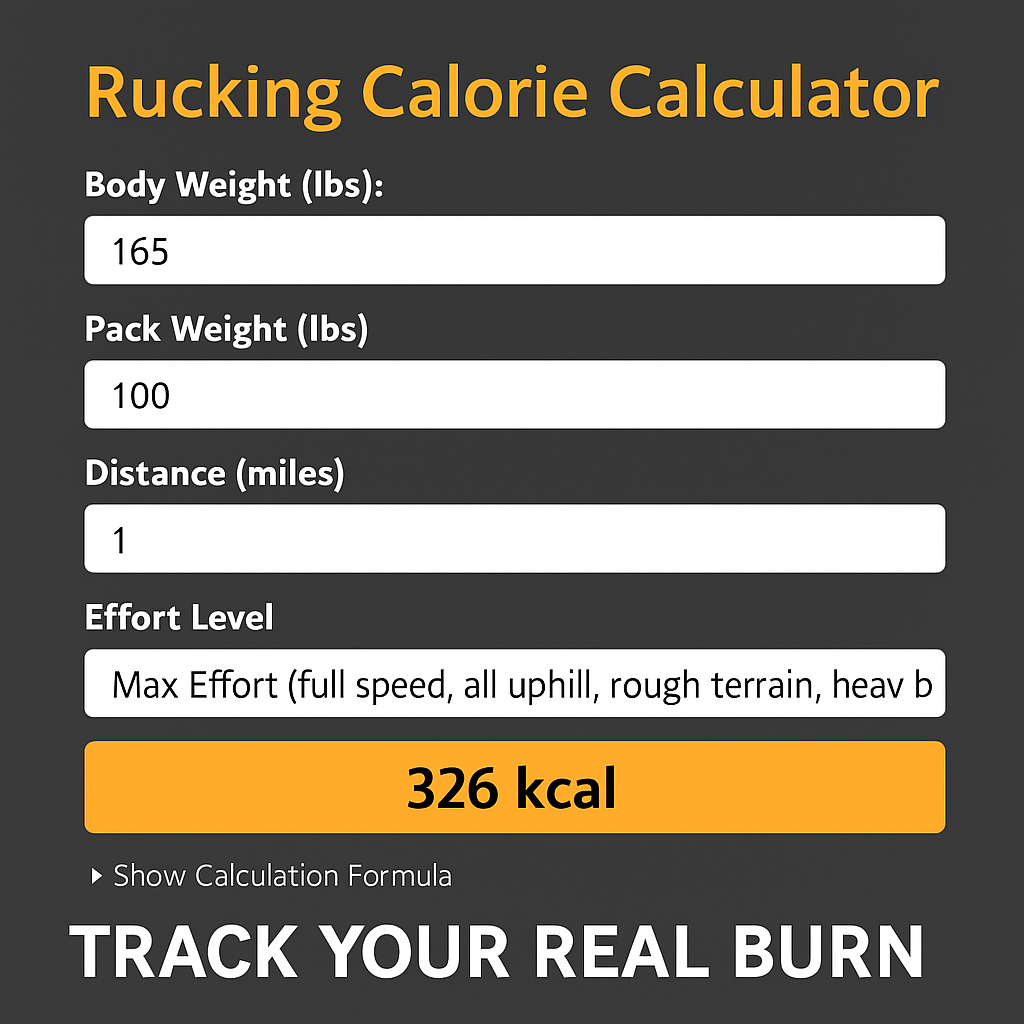
Estimate the calorie cost of heavy rucking and weighted walks
Heavy loads dramatically increase energy expenditure. Use the Rucking Calorie Calculator to estimate calories for a given bodyweight, pace, distance, and load—helpful when planning recovery nutrition and energy balance.

Final recommendations
- Consult a strength coach or physical therapist before aggressively loading to 200 lb.
- Prioritize joint health, progressive overload, and deliberate deloads.
- Use plate-based systems designed for high capacity rather than soft vests not rated for extreme weight.
When used responsibly, very heavy vests are a powerful tool for targeted overload—just treat them like advanced equipment and build there with patience and structure.