Why 5.11 plate carrier weights matter for training
Choosing the right 5.11 plate carrier weights is about more than ego or max load. A plate carrier changes movement patterns, breathing, and spinal loading. The goal is progressive overload while preserving posture and joint health—especially when you’re mixing rucking, runs, and calisthenics. Below I lay out practical ranges, progression templates, and safety checks you can use on trail or pavement.
Baseline recommendations
Start conservative. If you’re new to plate carriers or weighted training, begin with 5–10% of your bodyweight in plates for steady-state rucks and 10–20% for shorter conditioning sets. For example, a 180 lb athlete would start a ruck in the 9–18 lb range and use 18–36 lbs for higher-intensity or strength-oriented circuits.
Progression framework
- Week 1–3: Establish technique and breathing with light plates (5–10% bodyweight).
- Week 4–8: Increase load 2–5% bodyweight every 1–2 weeks if form is solid.
- Deload: Every 3–5 weeks, reduce load or volume by 30–50% for one week.
- Specialty phases: Use heavier plates (20–30%+) for short tempo or hill work, but only for brief blocks (2–4 weeks).
How to pair plate weights with session types
Match the plate load to the training objective, not the other way around.
- Endurance rucks: Moderate weight, steady pace, focus on posture and cadence.
- Interval or hill work: Shorter duration with heavier plates—prioritize recovery and joint awareness.
- Strength circuits: Use plates for weighted carries, squats, and push variations—treat these like resistance training sessions.
Real-world checks before you add weight
- Can you maintain neutral spine for 30–60 minutes? If not, reduce weight.
- Are breathing and cadence stable during hills? If not, drop load 5–10%.
- Do you recover in 24–48 hours for high-intensity blocks? If not, inspect volume and intensity—not just weight.
Practical equipment note: 5.11 TacTec and plate placement
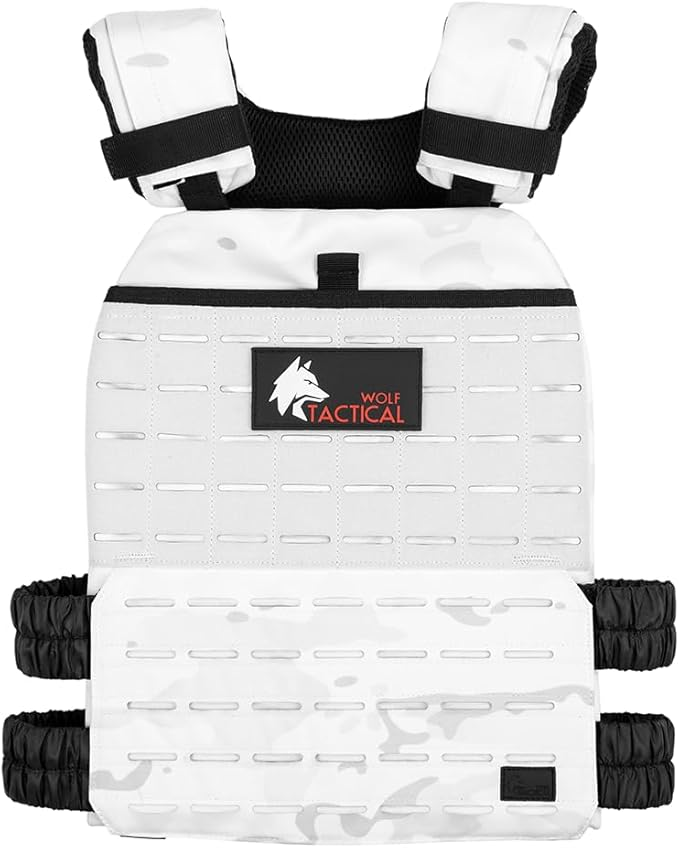
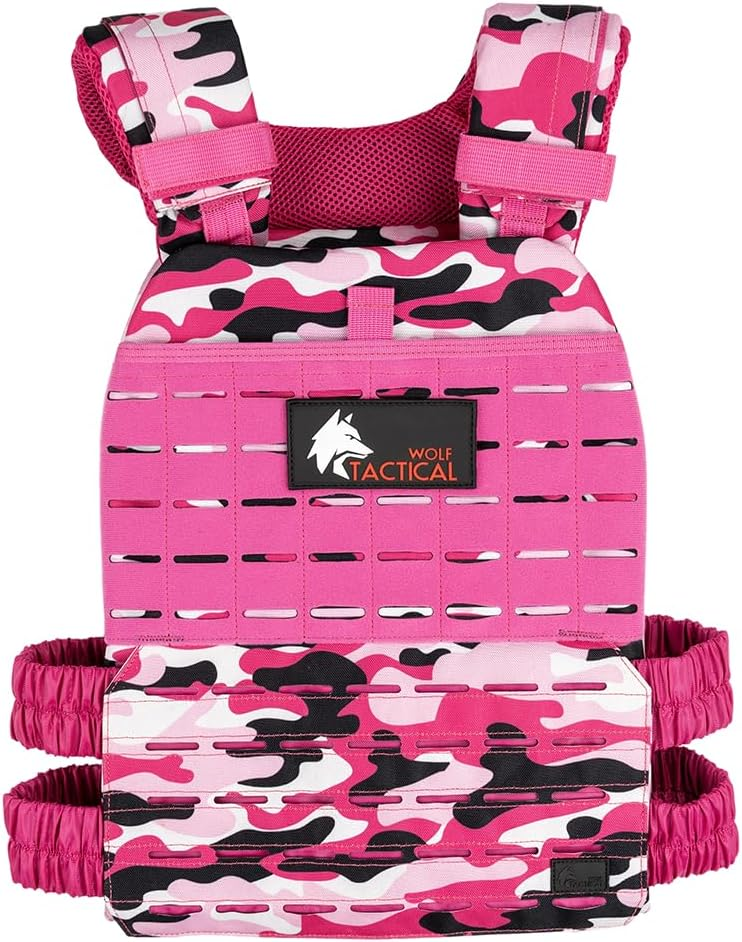
If you’re using a plate carrier, plate position matters more than an extra 5–10 pounds. Plates set too high or too low create torque and fatigue the neck and low back. For beginner-friendly fit and load distribution consider the 5.11 TacTec Trainer Weight Vest for controlled practice and transition into plate carriers.

Calculator and nutrition context
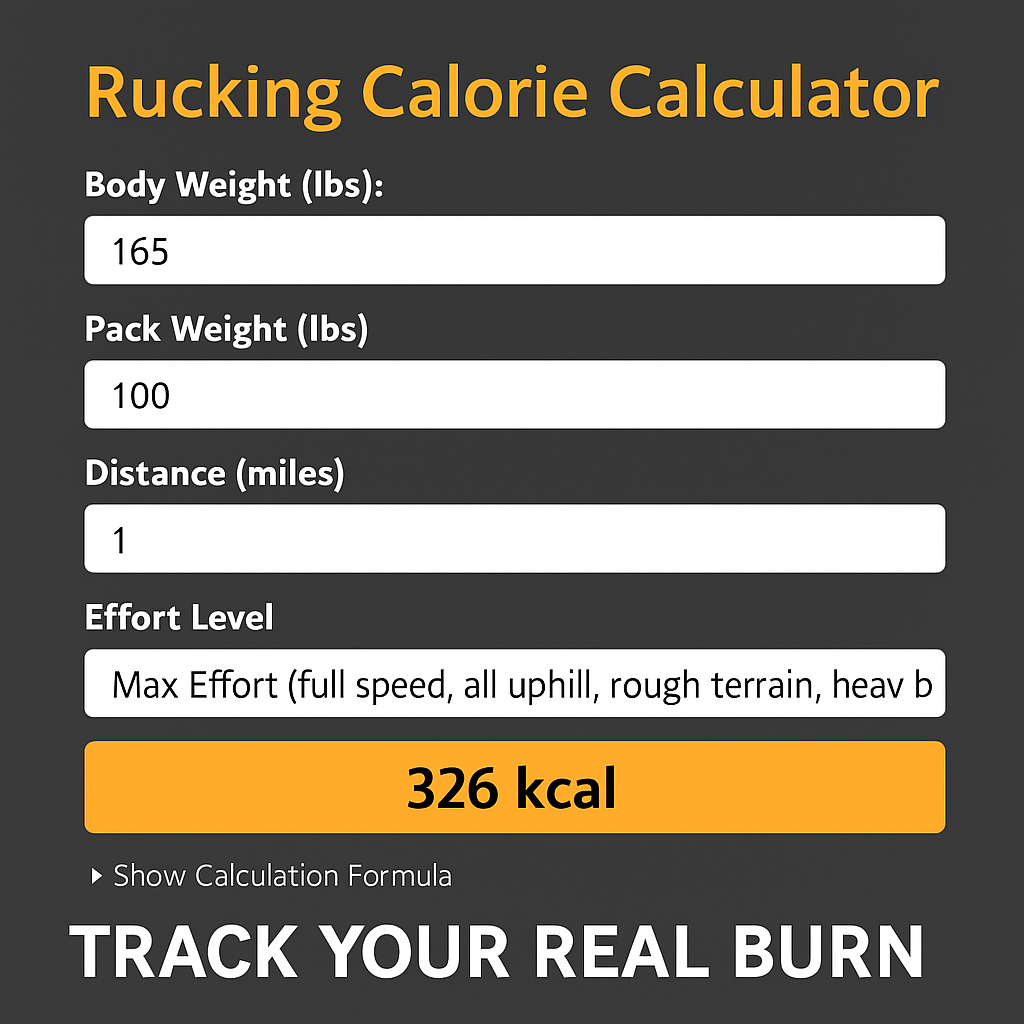
Track calories burned and recovery demands when you add plates. Use the rucking calorie calculator to estimate session burn and adjust fueling. Click the screenshot below to open the calculator and run numbers for your bodyweight, pace, and load.

That tool helps you match appetite and recovery to the extra work plates add. I recommend logging sessions and calories for the first 4–6 weeks after increasing load so you can objectively assess progress.
Closing practical tips
Be conservative with plate progression, prioritize posture, and use deloads. If you’re transitioning from vests or starter weight systems, think in percentages of bodyweight and favor technique over absolute load. For more guided programming, this approach blends short strength phases with longer conditioning rucks and reduces injury risk while building durable capacity.
Note: I lost 90 lbs through rucking, weighted-vest training, and disciplined nutrition—and I still recommend systematic weight progression and posture first when adding 5.11 plate carrier weights.