Why a body armor weight vest matters for rucking and tactical fitness
A “body armor weight vest” combines the silhouette and load distribution of tactical plate carriers with the training benefits of a weighted vest. For outdoor-first athletes and ruckers, the shape of armor-style vests keeps weight centralized and stable across the torso, improving comfort for marches and high-rep conditioning while preserving a tactical carry profile for skills work.
Who should consider an armor-style weighted vest?
Use a body armor weight vest if you want a rugged, low-profile training tool that’s also appropriate for skill work, obstacle training, or when you need MOLLE compatibility. Newer athletes should still follow progressive loading rules—an armor look doesn’t mean you should load to plate-carrier levels on day one.
Fit, safety, and mobility checklist
- Shoulder fit: pads should sit without pinching. Mobility in the shoulders and neck must be preserved for overhead movement and head turns.
- Torso stability: the vest should not shift during brisk walking or running. A shifting load amplifies fatigue and risk of strain.
- Load placement: keep mass close to your centerline. Plate-shaped weights or ruck plates are preferable to loose ballast.
- Progression: add 5–10% bodyweight only after you can complete habitual walks and movements comfortably.
Practical training approach
Start with shorter rucks and controlled environments. A typical progression might be:
- Week 1–2: 10–20 minute walks with light ballast, practice gait and posture.
- Week 3–6: Increase time to 45–60 minutes and add 2–5 lb increments as tolerated.
- After 6 weeks: Longer rucks (90+ minutes) and mixed-pace segments if form remains solid.
Choosing gear: a tactical-weighted vest and hydration
If you prioritize comfort and a beginner-friendly interface, consider a simple tactical vest that accepts plates or padded inserts. I favor equipment that balances load control and breathability so you can train longer without overheating.
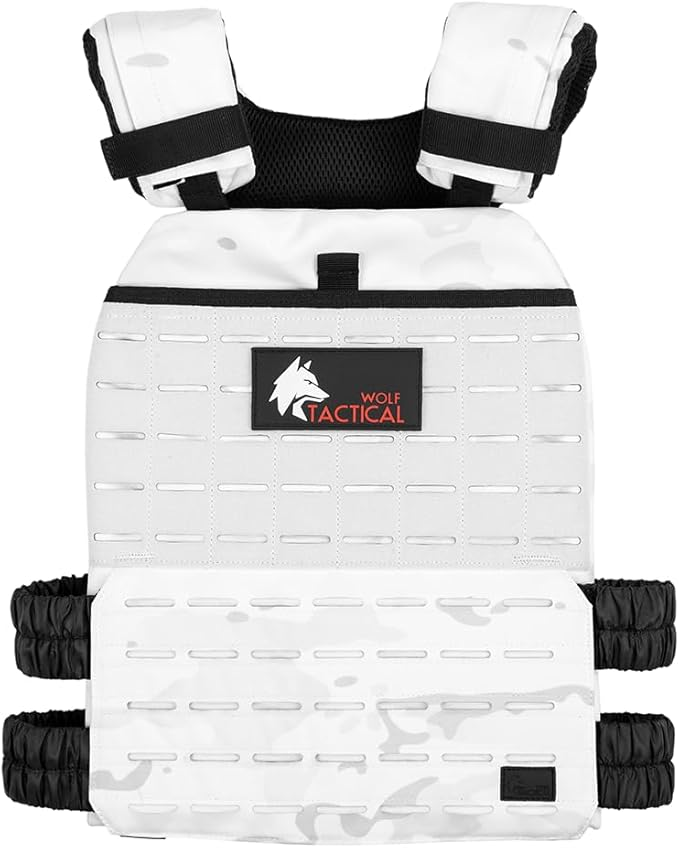
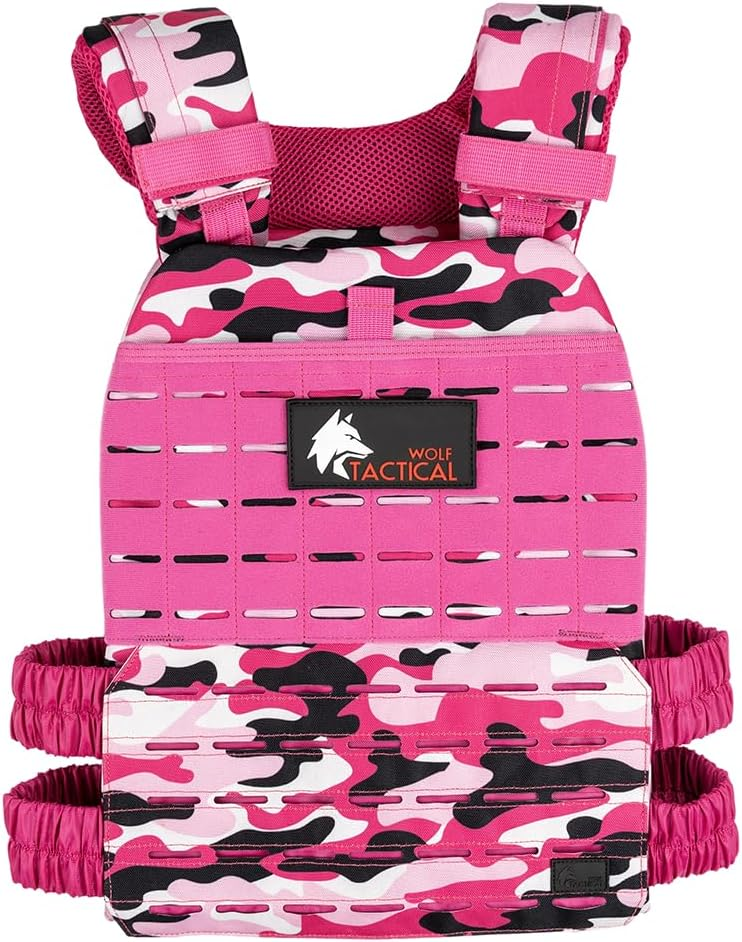
Example: the Wolf Tactical Simple Weighted Vest is a good entry point for armor-styled training vests for walkers and ruckers.

When you’re carrying longer or want hydration built into the rig, the CamelBak Motherlode 100oz Mil Spec Crux pairs well with armor-style setups and keeps hydration accessible on the move.

How a body armor weight vest changes calorie burn and perceived effort
Centralized loads raise metabolic cost and force you to recruit more core and postural muscles. That increases calorie burn per mile versus wearing no load. But individual burn depends on weight, pace, terrain and fitness level.
Quick calculator and planning
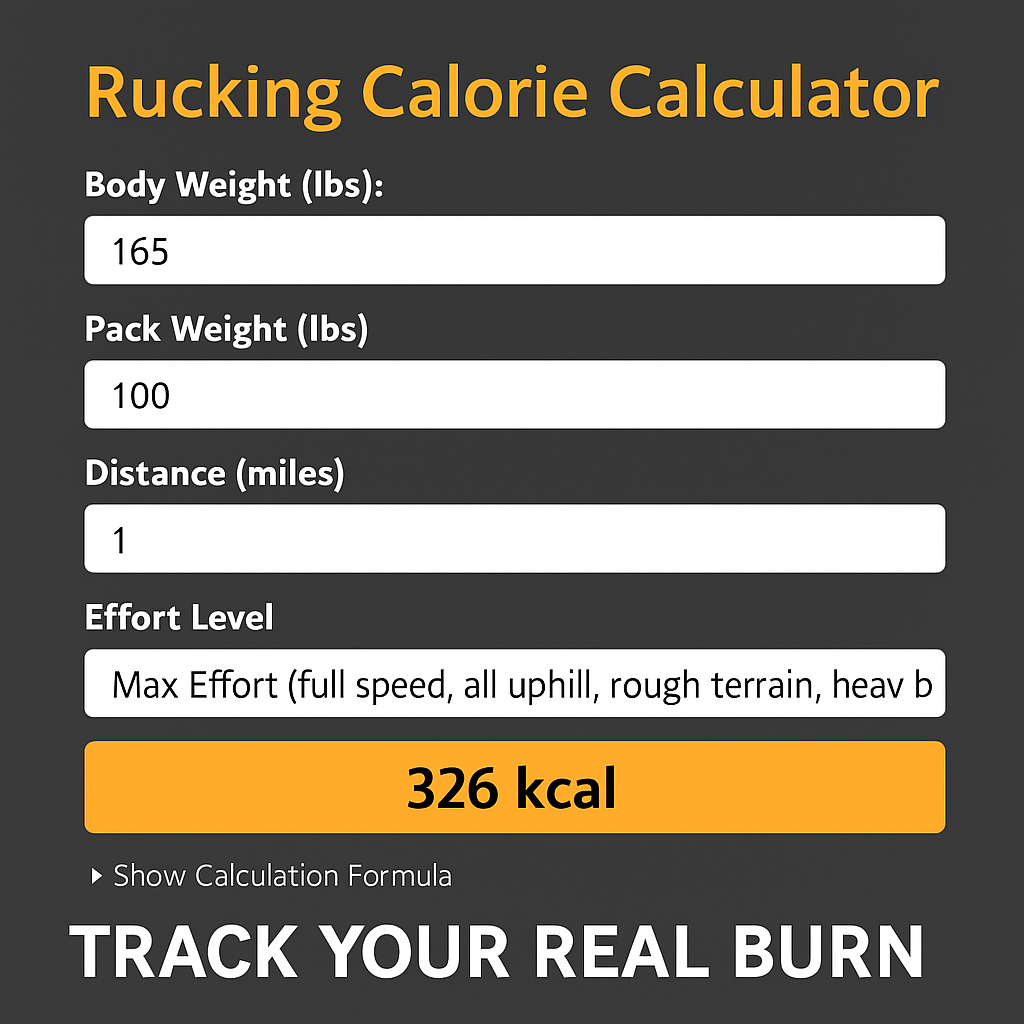
Use the rucking calorie calculator to estimate burn for your planned load and pace. Input your weight, vest load, and walking speed to get a practical calorie range before you head out:

Common mistakes and how to avoid them
- Loading too heavy, too soon — progress gradually and respect recovery.
- Ignoring ventilation — armor-style vests trap heat; plan hydration and shorter efforts in hot weather.
- Poor posture — let the vest sit close, and practice core bracing during all moves.
As an ISSA-certified trainer who has used weighted vests extensively, I recommend incremental progression and real-world practice. Preston Shamblen lost 90 lbs through disciplined rucking and weighted-vest training, and still recommends armor-style vests as reliable tools when used responsibly.
Final planning notes
Choose a body armor weight vest that fits your torso, allows controlled loading, and pairs with hydration for longer rucks. Start light, use the calculator to set expectations, and build time under load before chasing heavier plates.