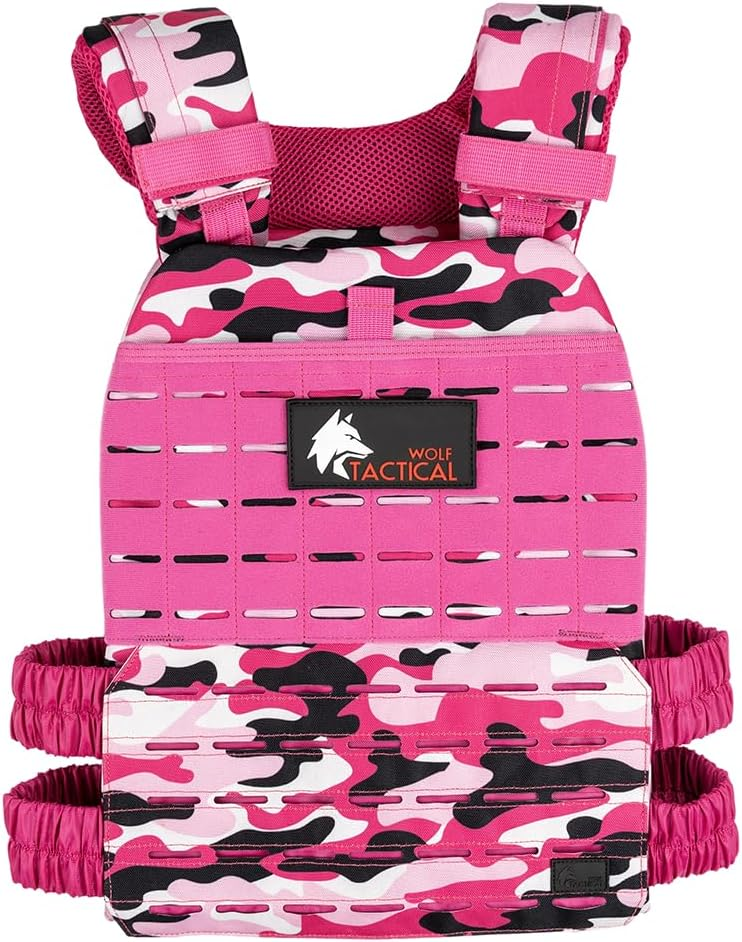
Exercise vest mens — what to look for and why it matters
An exercise vest for men should balance fit, durability, and the right loading progression for your goals. Whether you plan to use it for rucking, hill repeats, or conditioning circuits, the vest you choose affects comfort, range of motion, and how long you can train without pain. This guide explains practical selection points and how to use an exercise vest safely.
Fit and mobility
Fit comes first: the vest should sit snugly on your torso with minimal shifting during movement. Men’s builds vary—wide shoulders, long torsos, or a shorter frame all change how a vest feels. Look for adjustable shoulder straps and a secure front closure so weight sits evenly across the chest and back, not pulling on your shoulders.
Weight distribution and adjustability
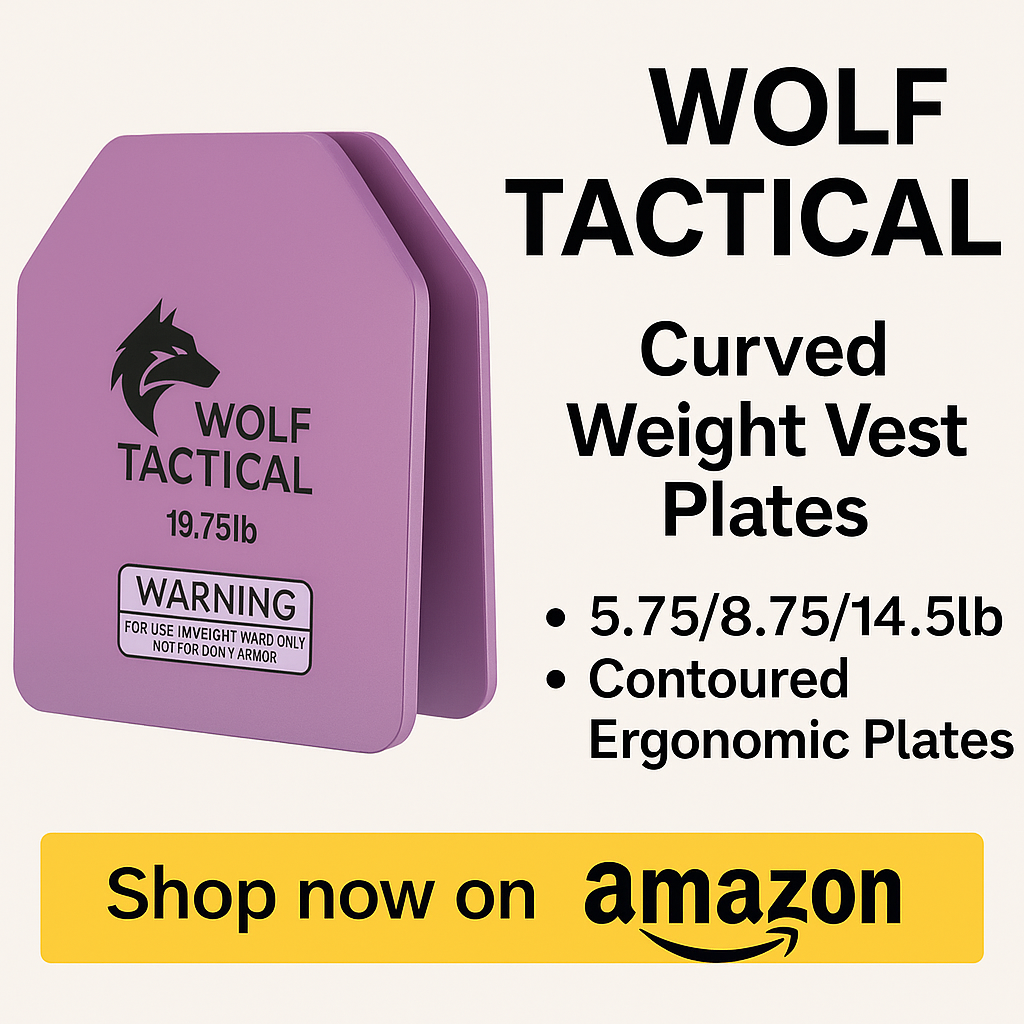
Begin with lighter loads and work up. Many vests use small plates or sandbags; this is better for mobility and gradual progression than a single heavy block. If your focus is comfort and daily conditioning, favor vests with evenly spaced pockets and smaller increments.
- Start with 5–10% of bodyweight for walking and foundational conditioning.
- Increase by 2–5% every 2–4 weeks depending on adaptation and movement quality.
- For strength-focused sets or short sprints, loads of 10–20% of bodyweight can be appropriate for trained individuals.
Material and climate considerations
Breathable mesh and quick-dry liners reduce chafing on long walks. For hot-weather training, look for vests with ventilation and low-profile plates. If you’ll ruck longer distances, choose a vest that layers well under or over outerwear without creating pressure points.
Practical product suggestions for men
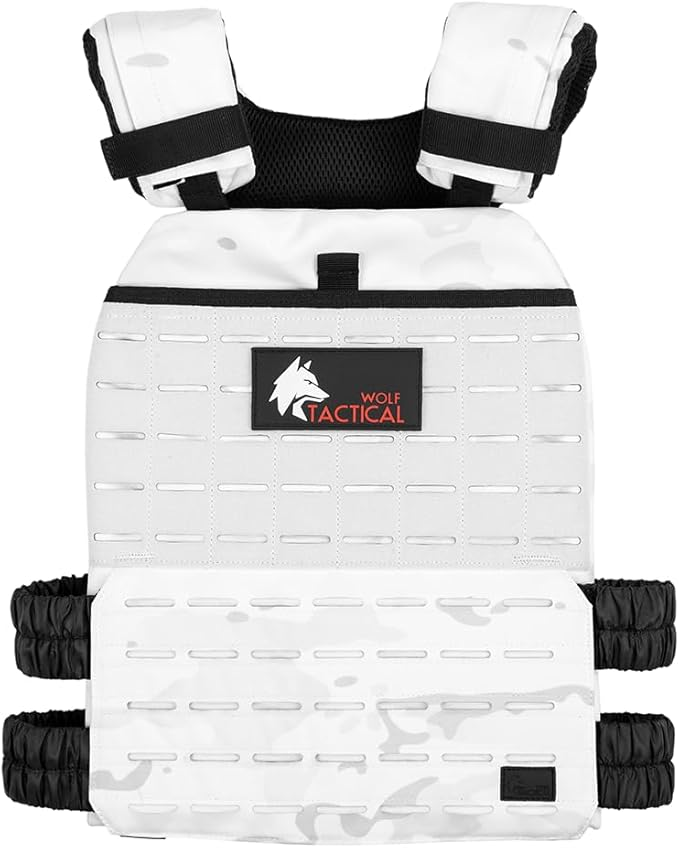
For most men beginning weighted-vest work, a comfortable, adjustable vest is the priority. If you want a straightforward, durable option with incremental plates, consider the Wolf Tactical Adjustable Weighted Vest. For a more performance-driven training vest that handles heavier loads with better taper and balance, the 5.11 Tactical Unisex TacTec Trainer Weight Vest is an excellent step up.


Programming basics for safe progression
Use the vest for two primary purposes: added load to walking/rucking and added resistance for circuit work. For walking, keep the load moderate and prioritize distance and posture. For circuits, use shorter intervals with careful attention to form. Always ramp load gradually and schedule at least one full rest day for recovery when introducing heavier weights.
Quick checklist before you buy
- Try it on with the weight you plan to use.
- Check for adjustable straps and stable plate placement.
- Test range of motion for push-ups, squats, and walking.
- Confirm the return policy—comfort is personal.
Estimate calorie burn and plan progression
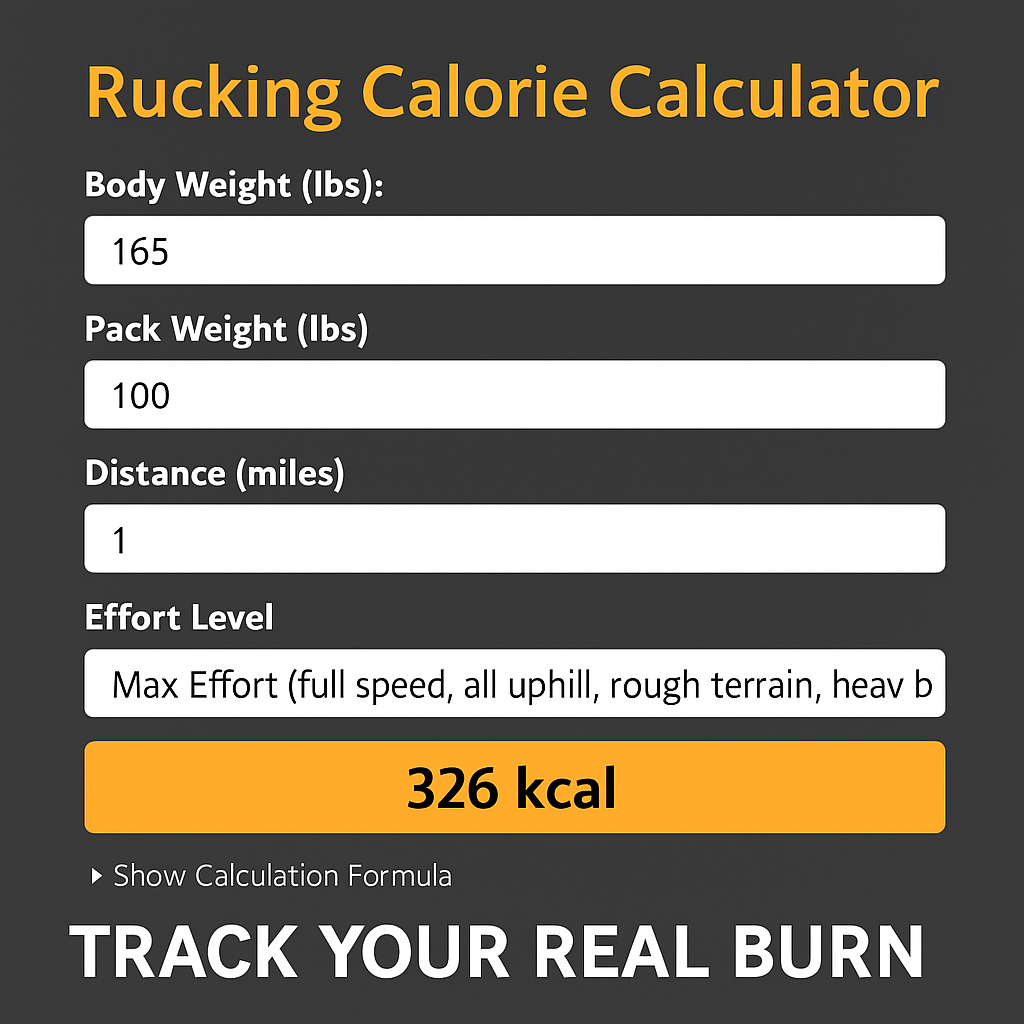
To get a quick estimate of how many calories you’ll burn wearing an exercise vest during walking or rucking, use the rucking calorie calculator. It helps you model different loads, paces, and durations so you can plan steady progress without guessing.

Choose a vest that fits your movement profile and goals, prioritize slow progressive overload, and treat weighted-vest training as a tool to boost conditioning—not a shortcut. With consistent, sensible programming, an exercise vest for men is one of the most efficient ways to add metabolic stress without complex equipment.