As an Amazon Associate I earn from qualifying purchases. This article contains affiliate links.
A tactical fitness vest uses a plate-carrier style to add training weight. The useful features are secure inserts, comfortable fit, and a loading range that suits your sessions. Pouches and tactical styling can be optional; they do not improve a workout by themselves.

Start with a complete setup
Choose the carrier and supported training plates together. Confirm whether the purchase includes weight, and check how the listing expresses plate mass. A per-plate number must be doubled for a pair, then added to the carrier and accessories.
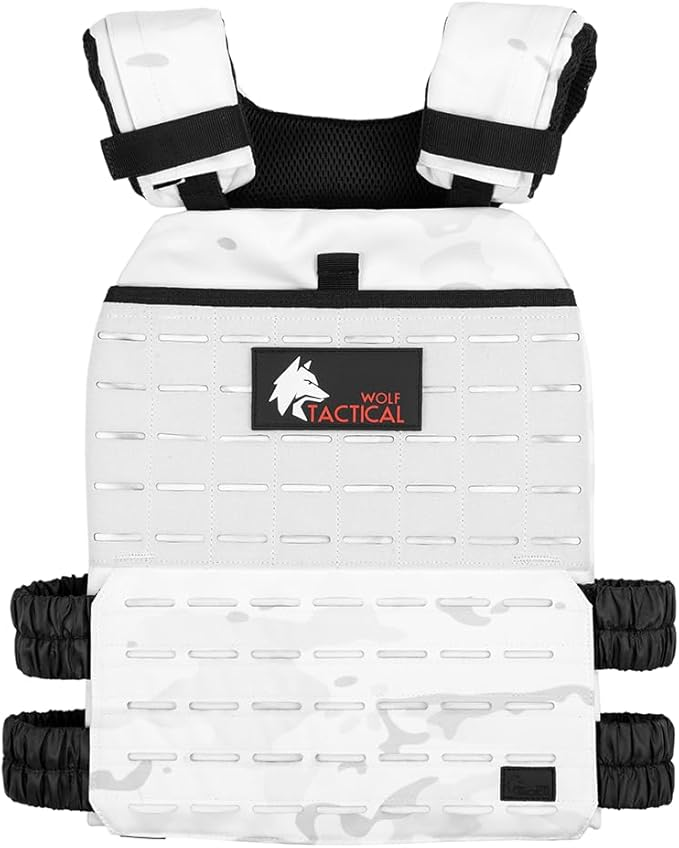
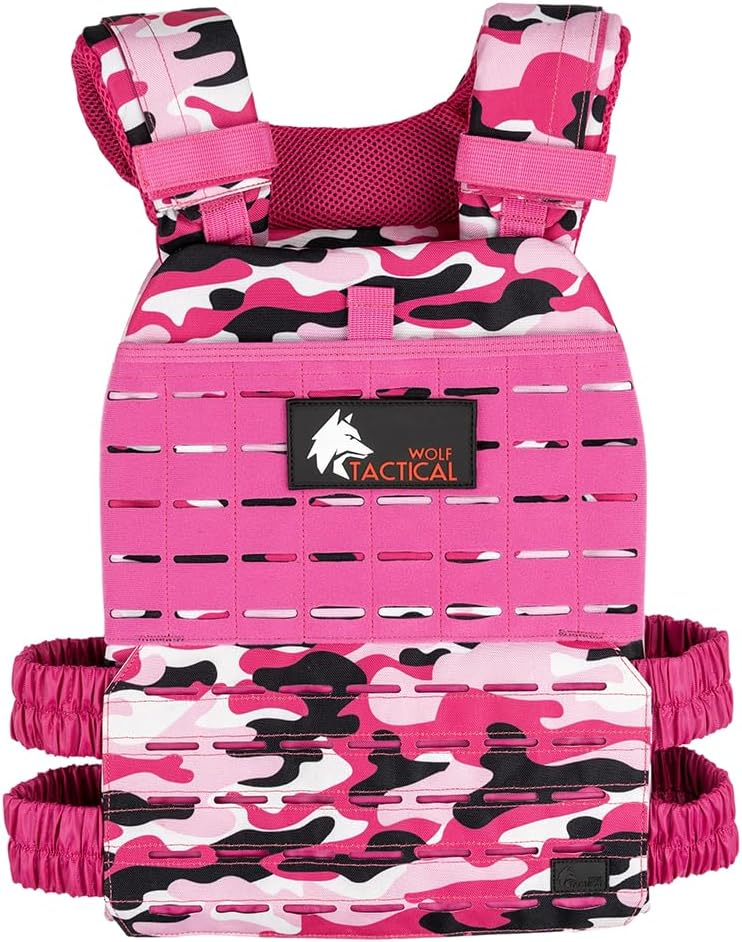
For a straightforward comparison, look at the Wolf Tactical weighted vest and compatible training plates. The 5.11 TacTec Trainer is another model with its own supported inserts. Check compatibility rather than assuming all tactical pockets are interchangeable.
A useful fit test
- Secure the internal plate retention and close the outer pockets.
- Adjust the shoulder and torso straps according to the instructions.
- Take a comfortable full breath.
- Walk, reach, and squat with a modest load.
- Check pressure points and movement afterward.
Do not force the plates lower for long walks or higher for fast movement. Follow the intended fit. If the load changes your stride or posture, reduce it and reassess rather than tightening harder.
A walking workout example
Warm up unloaded, then take a short easy weighted walk on a familiar route. Keep the pace conversational and the first trial brief enough to assess rubbing and breathing. Finish unloaded and note next-day comfort.
Once that session is repeatable, extend it a little or test a small load change at a separate time. A longer route, steeper hill, and heavier plates all change the demands; avoid increasing them together.
Adding controlled strength work
A vest can add resistance to push-ups, squats, or step-ups you already perform well. Try a lighter set before a full loaded workout, leaving repetitions in reserve. The weight that works for walking may not suit an overhead position or a push-up.
Keep strength records separate: exercise, load, sets, repetitions, and recovery. Wearing a vest does not directly provide the hand-held resistance or grip work of a farmer’s carry.
What matters outdoors
Torso coverage, weather, route, water, and other gear affect the session. Test new equipment in cooler, familiar conditions where practical. Check the care label and dry the vest before storing it. Inspect seams and closures regularly.
Preston, the founder of WeightedVest.pro and an ISSA-certified personal trainer, lost roughly 90 lb through rucking, strength training, and disciplined nutrition. The useful lesson is consistency across activity and eating habits—not a guarantee that a specific tactical vest produces that result.
Use the app to keep the routine measurable
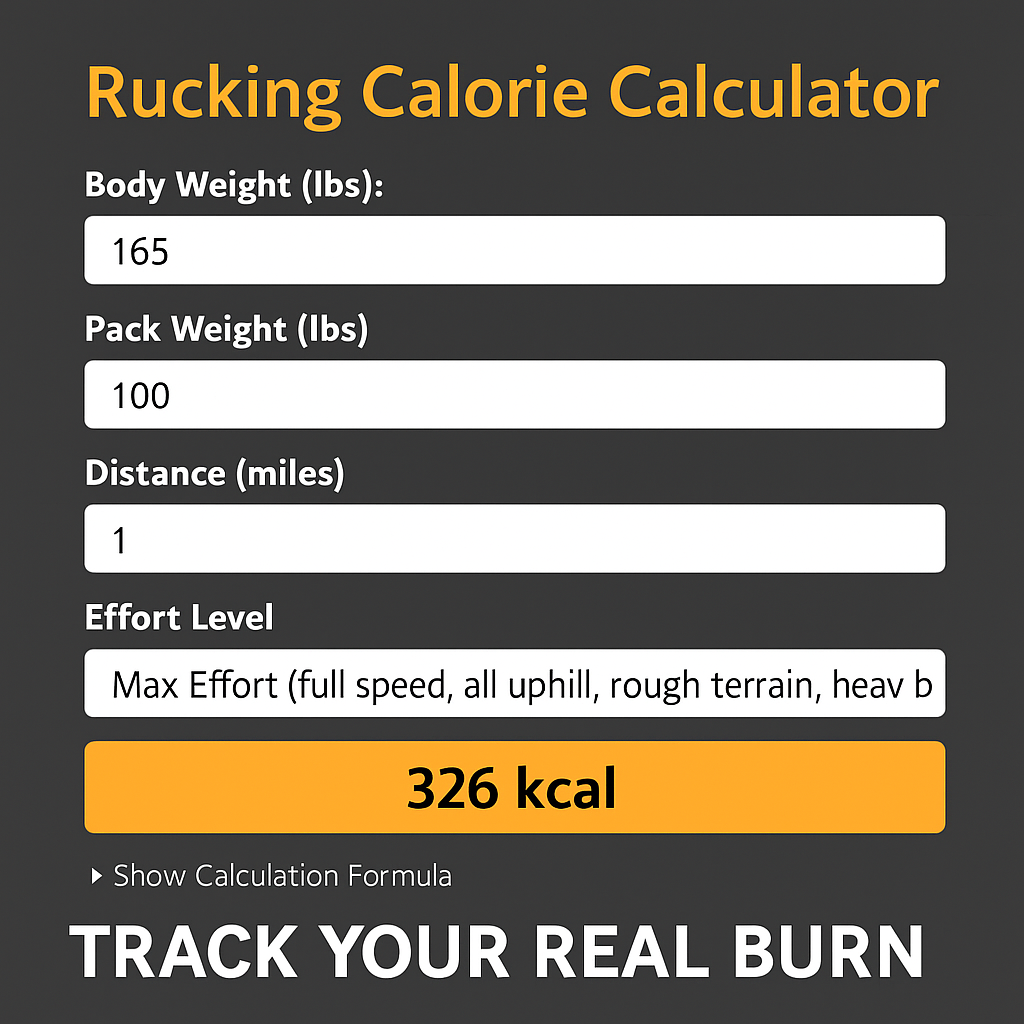
Enter the complete carried load, then track time, route, pace, and estimated walking calories. Compare similar sessions and watch how manageable they feel. Calorie estimates should not dictate how heavy to load the next workout.
See the plate carrier fitness guide and walking guide for more focused planning.
Track weighted walks with the Rucking app
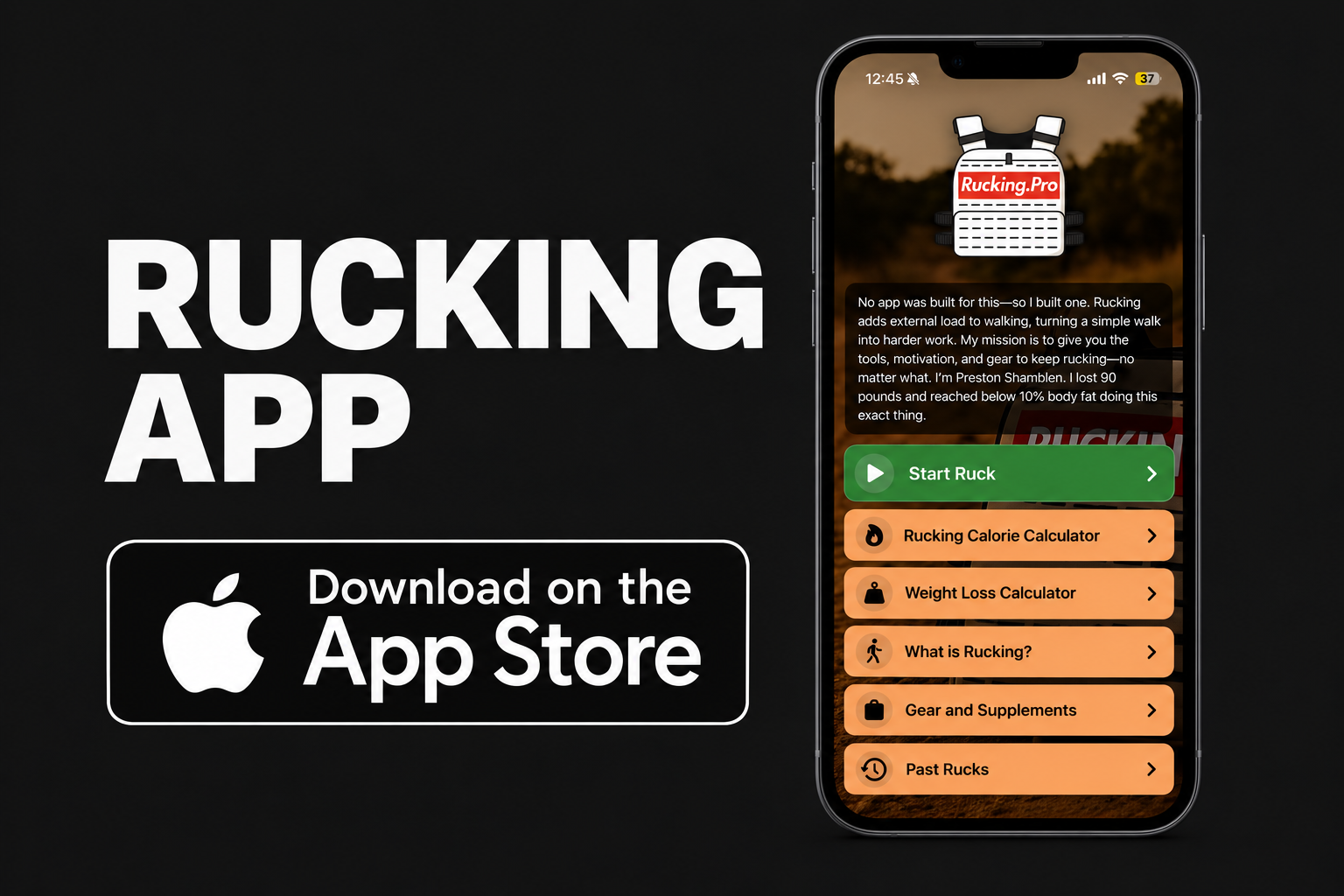
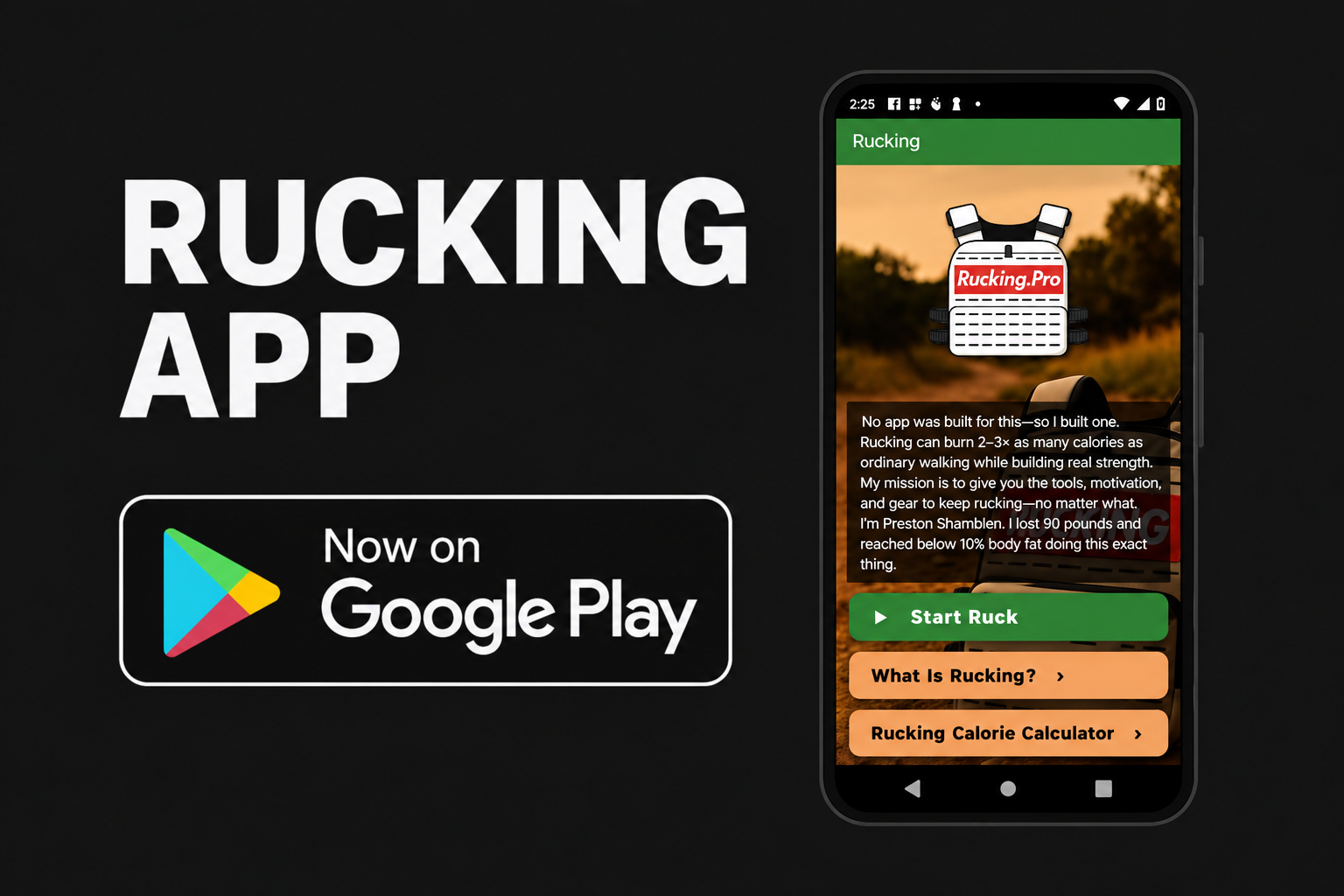
The Rucking app doubles as a weighted vest calorie calculator and walking tracker. Select weighted vest, enter your body weight and total carried load, then tap Start Ruck. Track GPS distance, elapsed time, pace, elevation gain, and estimated calories while you walk. With permission, save completed workouts to Apple Health on iPhone or Health Connect on Android. Health features depend on permissions and available data.


Get the iPhone app · Get the Android app
Prefer planning in your browser? Use the Rucking Calorie Calculator or Rucking Weight Loss Calculator. Calorie values are estimates, and weight-loss projections depend on nutrition and consistency. The walking calculator does not measure the energy cost of a strength workout or mixed WOD.