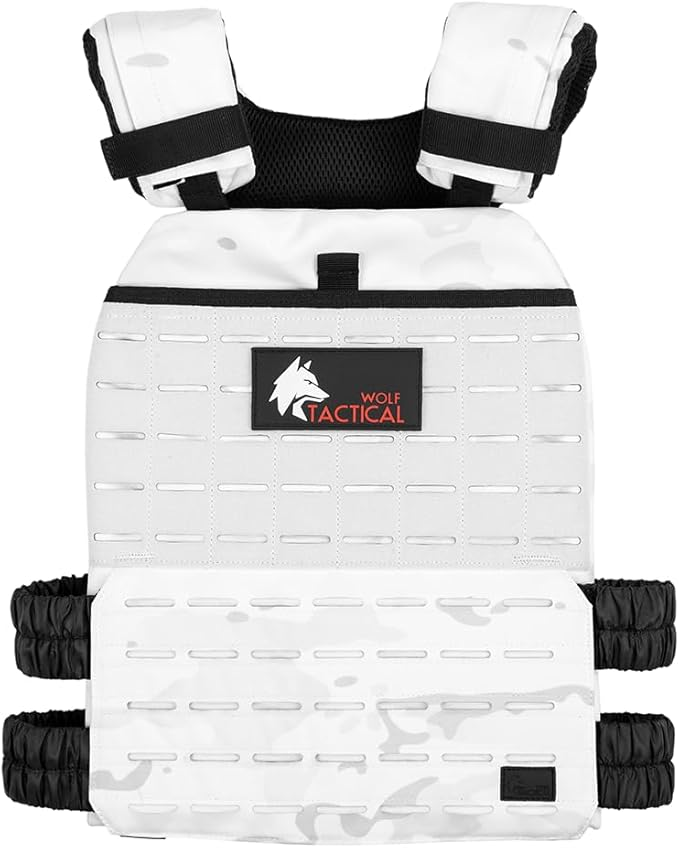
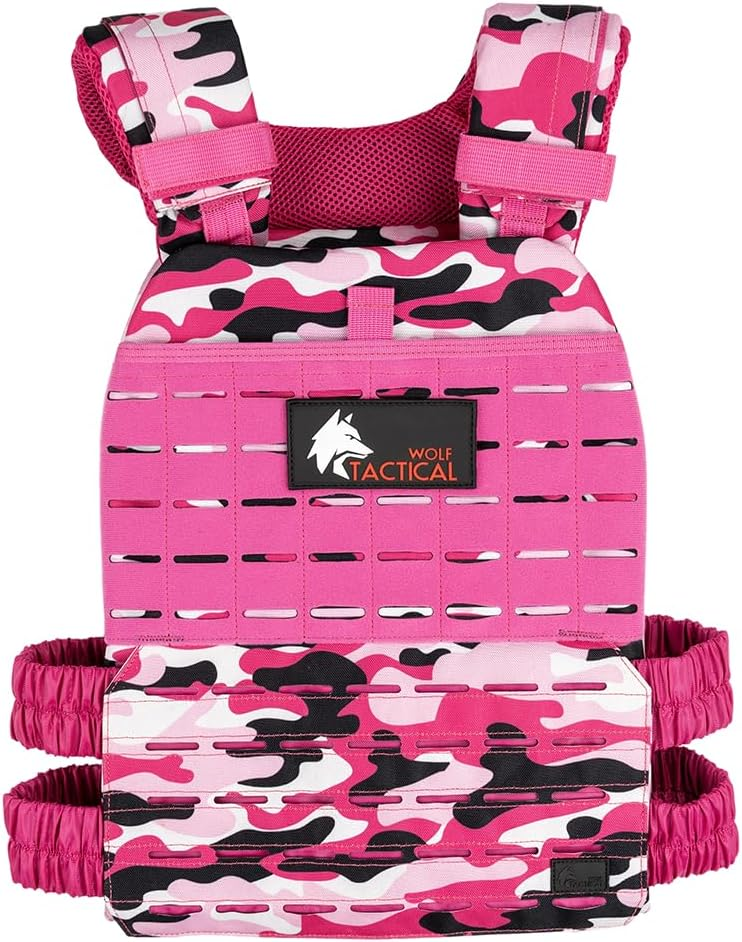
Why choose a plate carrier for fitness?
Plate carriers bridge the gap between a basic weighted vest and full military load carriage. They let you add hard plates or soft ruck plates, position weight higher or lower on the torso, and keep gear secure during dynamic work. For rucking, sled pushes, farmer walks, and calisthenics with load, the best fitness plate carrier balances comfort, durability, and adjustability.
Core considerations when shopping
- Fit: A carrier that sits close to your chest and mid-back without pinching under the arms.
- Plate compatibility: Sized for the plates you intend to run (steel, bumpers, or soft ruck plates).
- Padding and straps: Thick shoulder padding and wide cummerbunds reduce pressure on long rucks.
- Durability: Reinforced stitching and abrasion-resistant fabric are worth the weight.
- Modularity: PALS/MOLLE or simple pockets depending on whether you add pouches or hydration.
Recommended plate carriers for fitness-focused training
My field-tested picks focus on real-world use: training sessions, long weighted walks, and high-rep calisthenics. If you plan heavy, dynamic loading, prioritize plate stability and shoulder comfort.
I recommend the GORUCK Ruck Plate Carrier 3.0 for ruck-style training and long outdoor carries. It combines a low-profile fit with solid build quality that handles wet weather and repeated use.

For maximal weighted calisthenics and strength work, the Kensui EZ-VEST® MAX V2 is built to hold heavy loads safely and is engineered for frequent plate insertion and removal.

How I program with a plate carrier
Use progressive loading and session-specific goals. For long rucks, prioritize comfort and even load distribution. For strength or calisthenics, put more weight in the carrier with secure plates and shorter, intense sets.
- Ruck days: moderate plates, longer duration, focus on posture and cadence.
- Strength days: heavier plates, short sets, focus on controlled movement patterning.
- Mixed sessions: alternate loaded carries and bodyweight circuits for conditioning.
Quick practical checks before you buy
Try the carrier with the plates you plan to use. Walk and mimic training movements. Check shoulder strap comfort and whether the cummerbund rides up. If you plan multi-hour carries, test with a hydration solution or an integrated hydration pack.
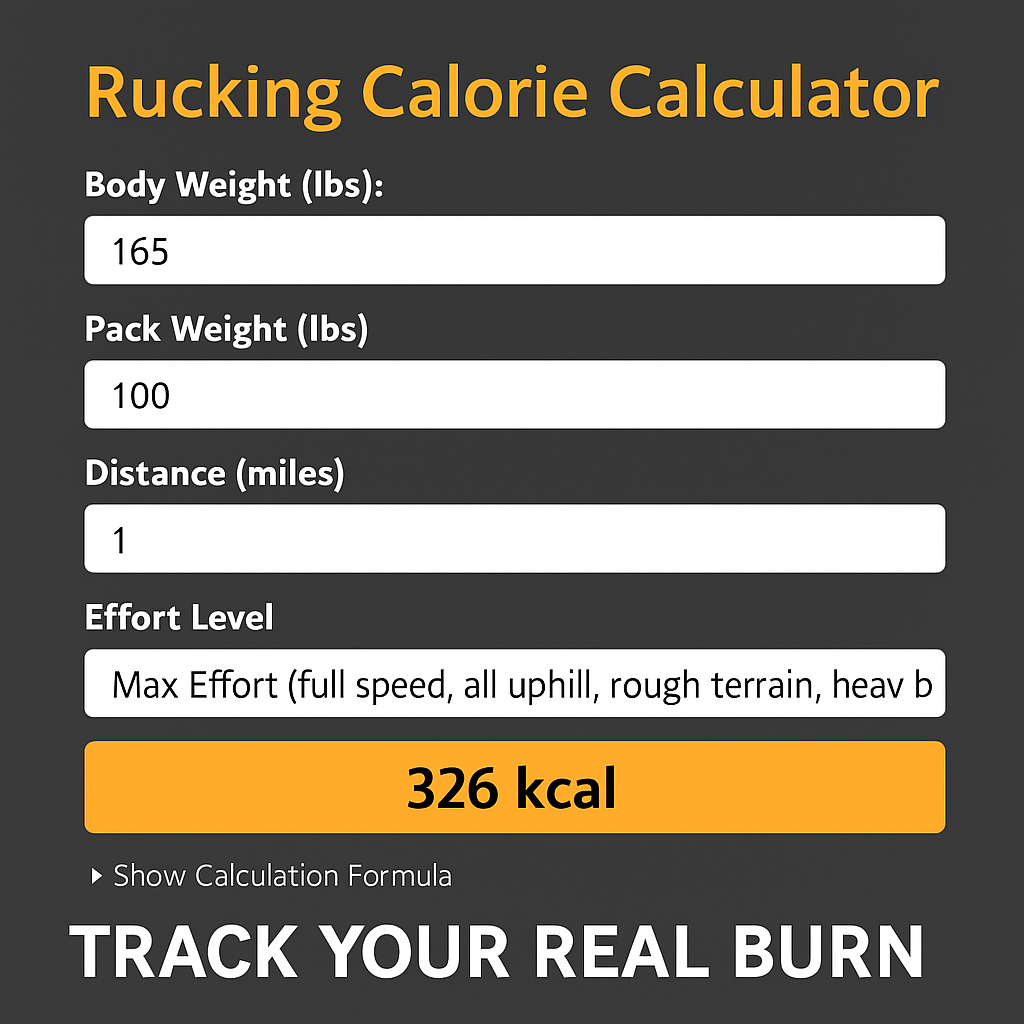
Calculate calorie burn and load planning
Use the rucking calorie calculator to estimate energy expenditure with a plate carrier and plan nutrition and recoveries. Click the screenshot below to open the calculator and enter your load, distance, and pace.

As someone who coaches outdoor weight training, and who lost 90 lbs myself through rucking, weighted-vest training, and disciplined nutrition, I still recommend plate carriers and weighted vests as reliable tools to keep bodyweight down and maintain consistent calorie burn when used sensibly.
Choose the carrier that fits your primary work: long-distance rucks (GORUCK), heavy strength and calisthenics (Kensui), and always run progressive plans—not sudden spikes in load. Comfort and stability beat novelty every time.