As an Amazon Associate I earn from qualifying purchases. This article contains affiliate links.
A weighted vest to wear under clothes needs more than a “low profile” label. The loaded thickness, closures, torso fit, and extra heat determine whether it is comfortable beneath the clothing you actually wear.

Start with realistic expectations
A vest that disappears beneath a loose jacket may remain visible under a fitted shirt. Large training plates, buckles, and shoulder padding can print through fabric. Added layers also make it harder to inspect the vest or remove it quickly.
Discreet wear is a fit preference, not a reason to use the vest all day. Begin with a deliberate short walk so you can evaluate pressure, rubbing, and recovery. Do not extrapolate walking calorie estimates across a full day of sitting, driving, and chores.
Which designs are worth comparing?
Fitted garments with thin removable weights may be easier to layer than front-and-back plate carriers. Hyperwear’s Hyper Vest PRO is one example to compare using its current size chart. It does not guarantee invisibility beneath every outfit or comfort for every torso.
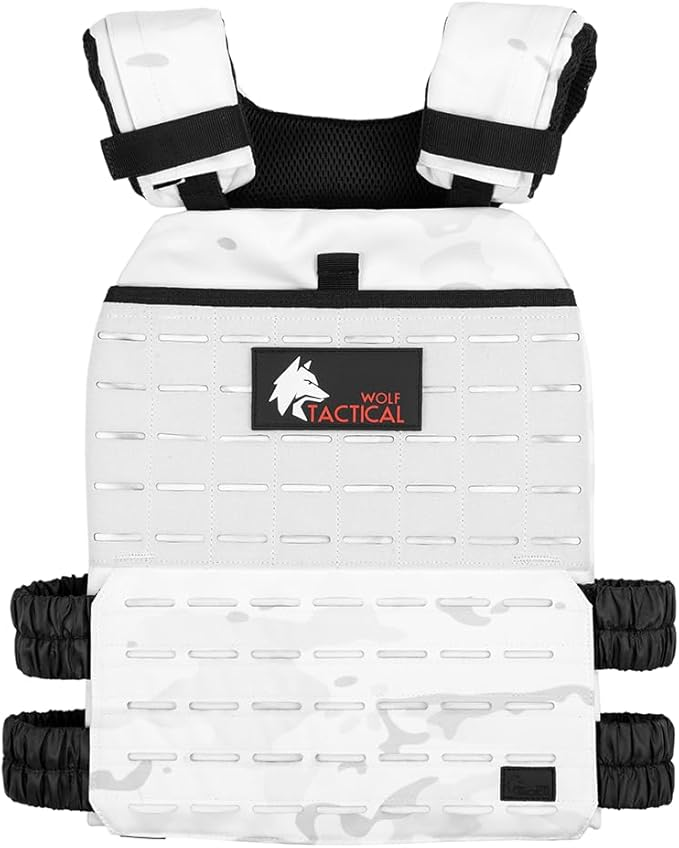
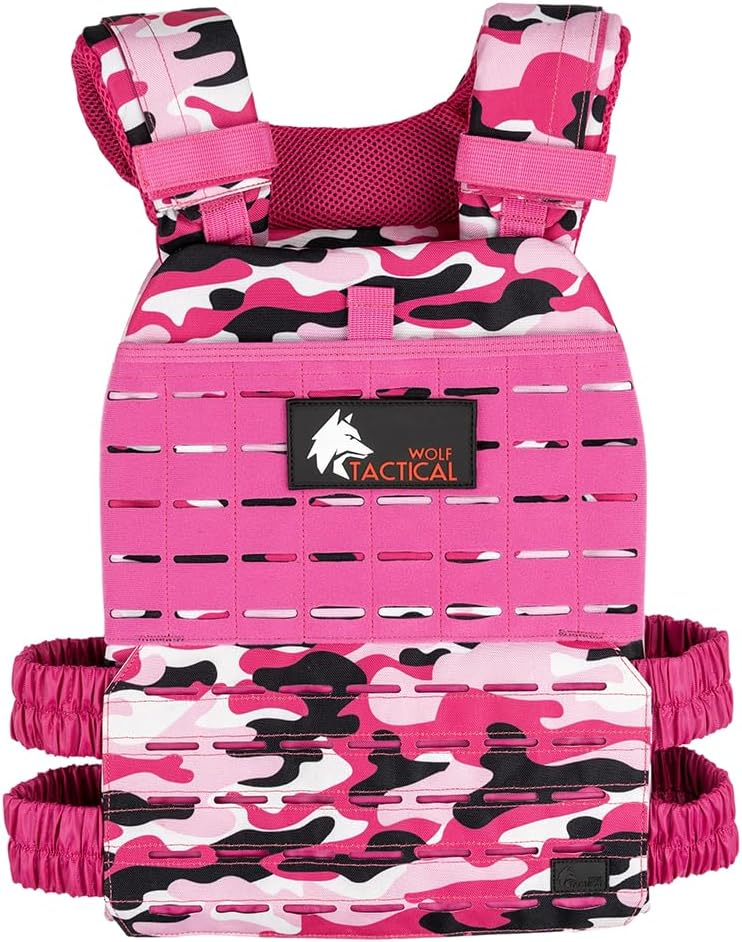
A Wolf Tactical weighted vest can be relevant for dedicated walks, but it is a plate-carrier design. Treat it as a separate training option rather than claiming it will disappear under a shirt. The same practical limitation applies to many 5.11 training vests.
Try the complete outfit
- Use the base layer and outer clothing you intend to wear.
- Load the vest lightly and adjust it according to the instructions.
- Check a full breath, sitting, reaching, and walking.
- Look for pressure at the chest, ribs, neckline, and underarms.
- Make sure you can open or remove it without struggling.
For a larger bust or a shorter torso, fit can change substantially. Do not solve discomfort by overtightening laces or straps. A different size, loading layout, or garment may be necessary.
Manage heat and care
A base layer can reduce direct rubbing, but another layer also adds coverage. Use conditions and session length that remain comfortable. If you become unusually hot, lightheaded, or short of breath, remove the load and stop rather than trying to conceal the discomfort.
Follow the maker’s washing instructions. Some weighted garments must be hand-washed, and removal of weights depends on the design. Do not assume every shell is machine washable. Allow it to dry fully before storage.
Use intentional sessions instead of an all-day target
Take a manageable short walk, then check how you feel later and the next day. Repeat it before changing duration or load. Wearing weight while sitting is not the same training activity as walking with it, and constant wear is not necessary for fitness progress.
If carrying weight is uncomfortable or unsuitable for you, an ordinary walk still counts as useful activity. The vest is an optional tool.
Track the walking part
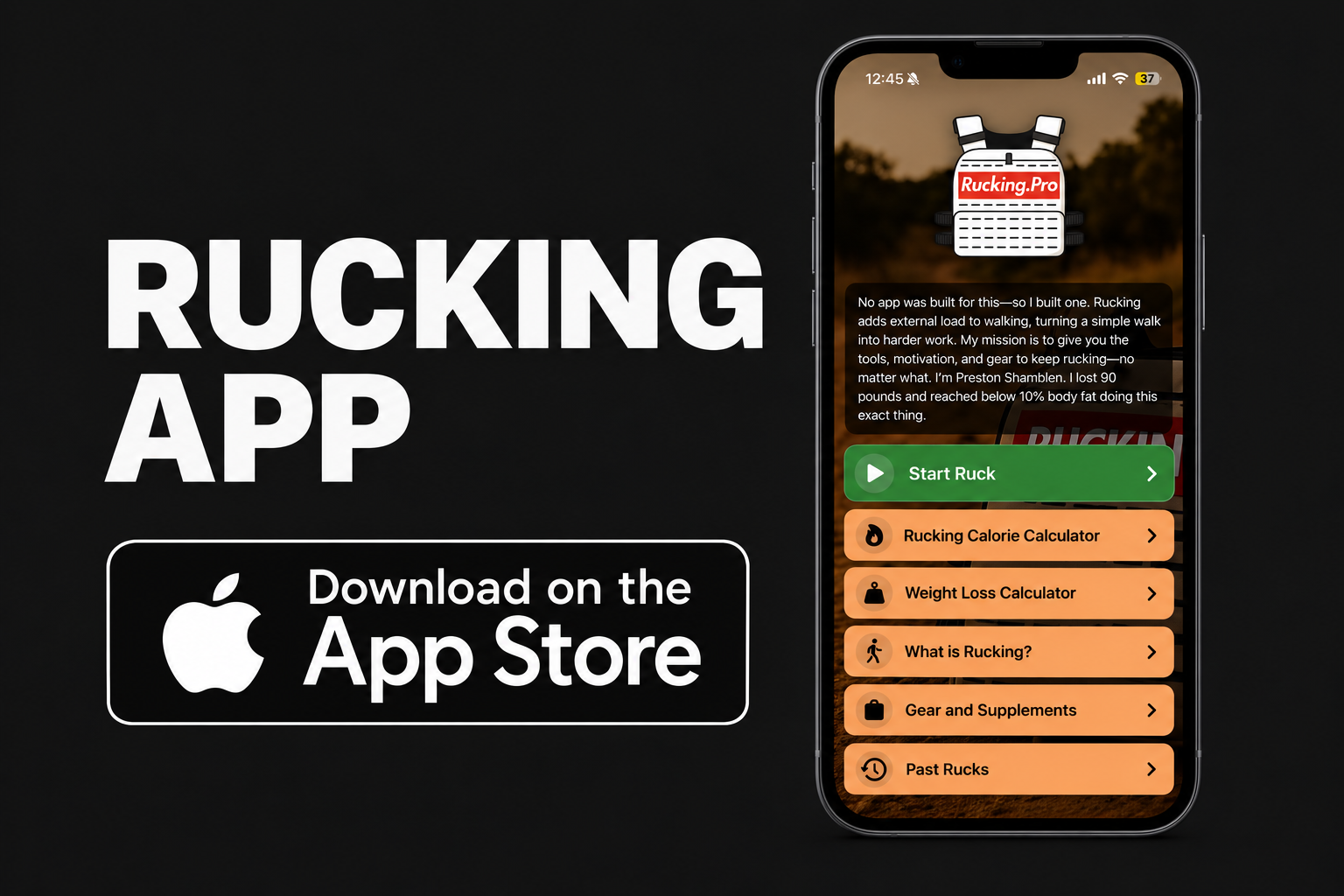
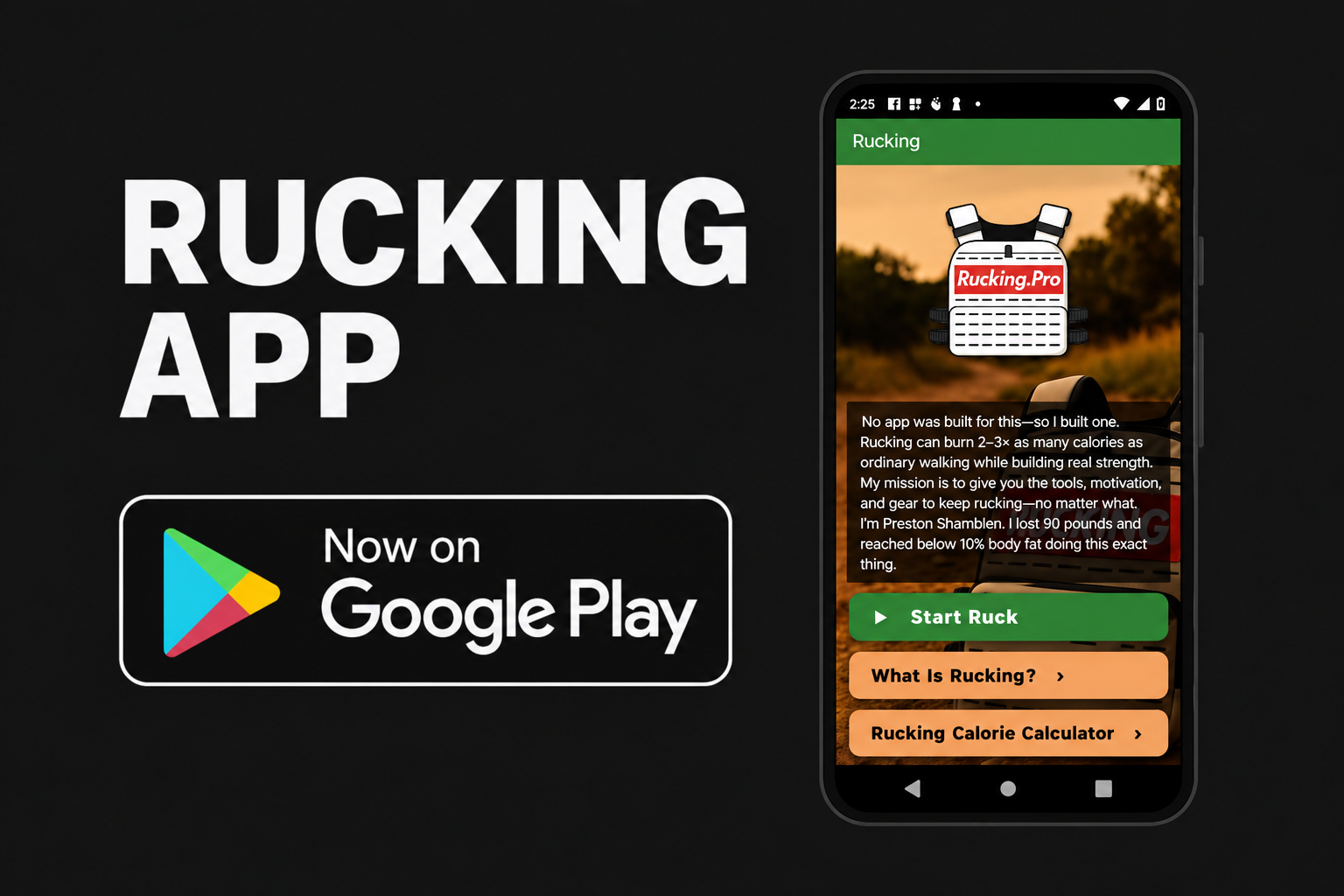
Use the Rucking app when you actually walk with the vest. Enter the complete carried weight and record duration, distance, and effort. Treat calories as estimates rather than an exact measure of extra daily burn.
See our Hyperwear guide and vest buying checklist to compare designs before purchasing.
Track weighted walks with the Rucking app
The Rucking app doubles as a weighted vest calorie calculator and walking tracker. Select weighted vest, enter your body weight and total carried load, then tap Start Ruck. Track GPS distance, elapsed time, pace, elevation gain, and estimated calories while you walk. With permission, save completed workouts to Apple Health on iPhone or Health Connect on Android. Health features depend on permissions and available data.


Get the iPhone app · Get the Android app
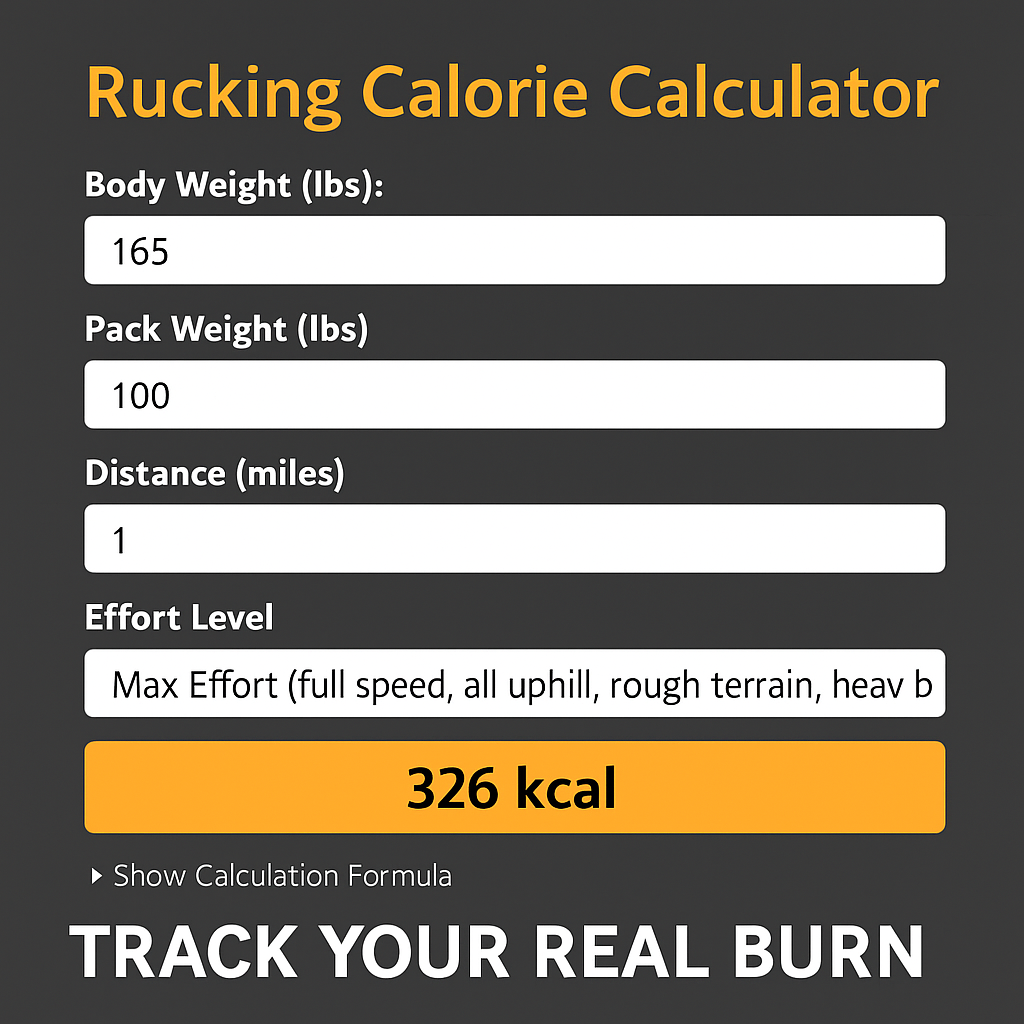
Prefer planning in your browser? Use the Rucking Calorie Calculator or Rucking Weight Loss Calculator. Calorie values are estimates, and weight-loss projections depend on nutrition and consistency. The walking calculator does not measure the energy cost of a strength workout or mixed WOD.