Why people search for a Rogue 511 vest
The term “Rogue 511 vest” usually points to questions about fit, durability, and whether a 5.11-style weighted vest is appropriate for rucking and outdoor conditioning. I write from a trainer’s, and long-term rucker’s, perspective: these vests are best seen as a training tool for movement quality under load, not a fashion piece. This post covers fit, practical adjustments, programming, and how to estimate calorie burn for weighted rucks.
Fit and comfort: what to check
Fit determines whether a vest will stay stable during walking, lunges, and short runs. Key checkpoints:
- Chest and torso wrap — the vest should sit snugly without compressing breathing.
- Shoulder comfort — padding and strap placement reduce shoulder strain during longer carries.
- Load position — weights should stay centered over your hips and mid-back, not hanging low or rocking.
- Adjustability — multiple straps let you fine tune for layered clothing or different workout types.
Practical adjustments for rucking
To convert a training vest into a reliable rucking tool, keep the load low and tight. Use small plates or soft weights close to the spine and adjust shoulder straps so the pack doesn’t slide. If you plan extended distances, consider a hybrid approach: a lightweight vest for torso conditioning plus a ruckpack for heavier loads and hydration.
Programming: how to use a 5.11-style vest
Start conservative. A weighted vest changes gait and joint loading; add weight gradually and prioritize walking mechanics before distance or speed. A simple 3-week progression looks like:
- Week 1: 2–3 sessions, 10–20 minutes with light load (5–10% bodyweight)
- Week 2: 2–3 sessions, 20–30 minutes, increase load by 2–4% if movement is stable
- Week 3: introduce interval rucks or hills, keep total time reasonable and monitor soreness
Pair weighted walking with bodyweight strength work on off days to reduce injury risk and support joint resilience.
Equipment notes and product suggestions
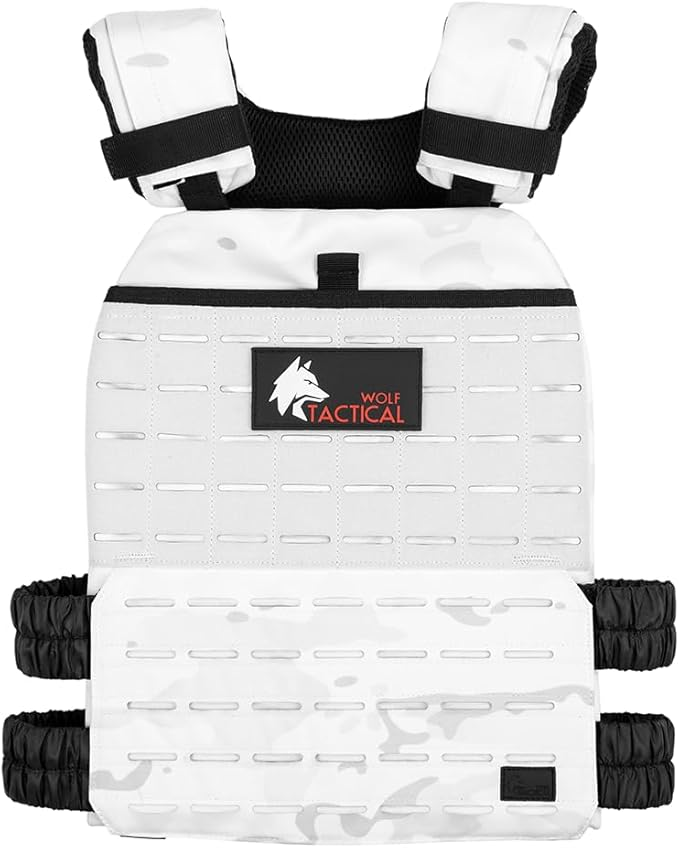
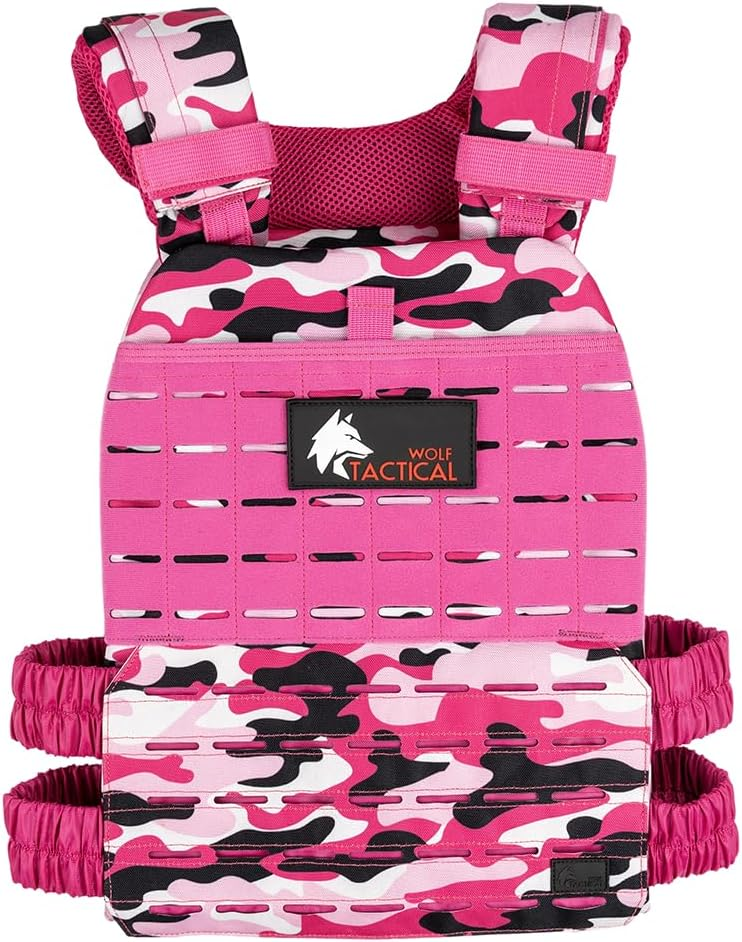
If you want a trainer-grade vest that balances comfort and modularity, consider the 5.11 Tactical Unisex TacTec Trainer Weight Vest. For a simple, budget-friendly option that works for walks and basic conditioning, the Wolf Tactical Simple Weighted Vest is another reliable choice.


Estimate your calorie burn
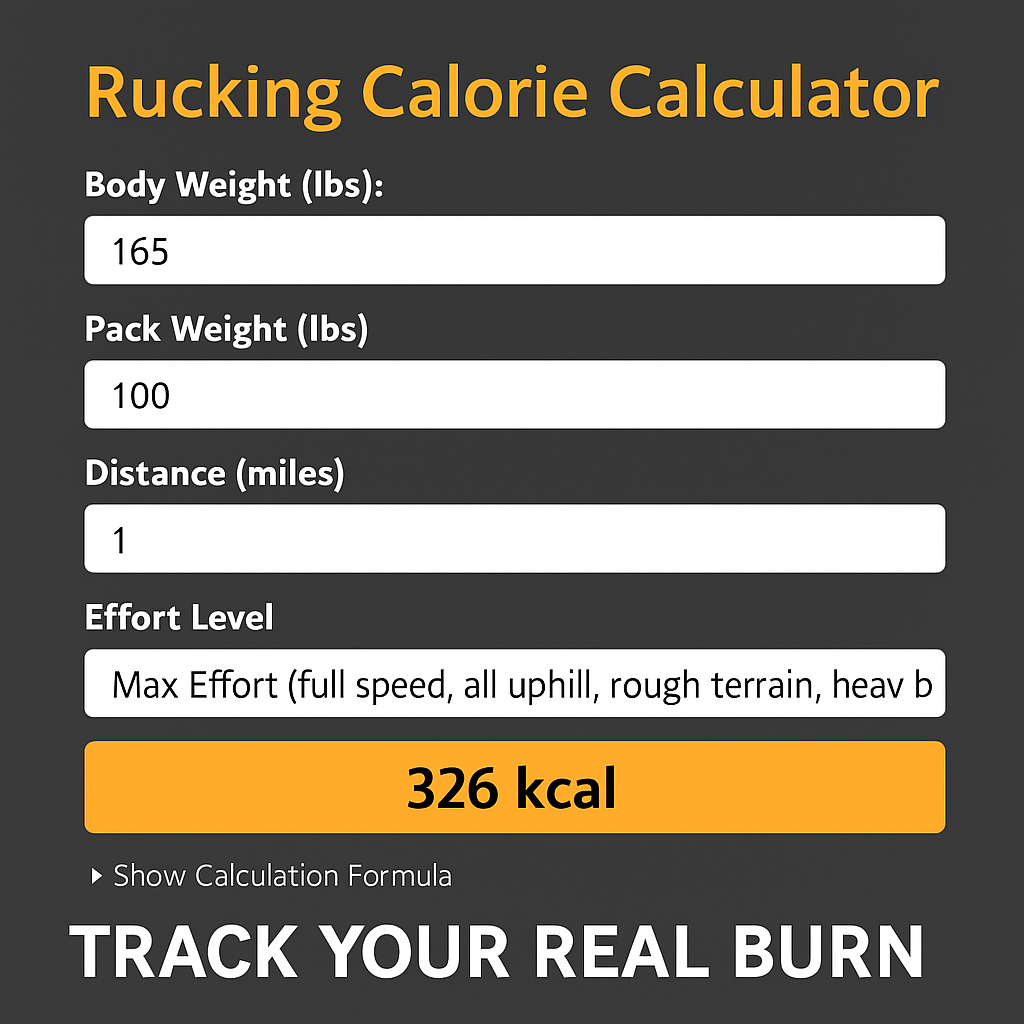
To understand how a Rogue 511 vest changes calorie burn compared to unloaded walking, use the rucking calorie calculator. It factors load, pace, and duration so you can plan training and nutrition around your sessions.

Simple safety checklist
- Start light and add weight gradually.
- Fix hot spots before you increase time or load.
- Monitor breathing and gait — if form breaks down, reduce weight.
- Hydrate and plan nutrition around longer rucks.
Use the guidance above to decide if a “Rogue 511 vest” setup fits your goals. These vests can be excellent for steady-state fat loss, conditioning, and adding low-impact resistance to walking — provided you manage fit and progression. Train smart, prioritize movement quality, and use the calculator to make practical decisions about session duration and expected calorie burn.