Thrudark weighted vest — what it is and who should consider it
The Thrudark weighted vest is a budget-friendly option in the load-bearing training space. For outdoor workouts, walking, and introductory rucking, it can be a useful tool if you understand its limits. This guide covers fit, comfort, programming advice, and how to safely use a Thrudark vest for conditioning and fat loss.
Build, materials, and sizing
Thrudark vests typically use nylon shells with sewn-in pockets or small plate-style pockets for sand or soft weights. That makes them lighter and flexible, but also less stable under heavy loads. Expect a close-fitting design that rides high on the chest unless you size up.
- Choose snug over loose for dynamic movement — avoid bouncing.
- If you plan multi-mile rucks, consider a vest with better shoulder padding.
- Look for reinforced seams and even weight distribution when comparing similar budget vests.
Use cases: walks, interval sessions, and introductory rucks
Thrudark works best for walking, tempo intervals, and short conditioning circuits. For long-distance rucking or heavy loading, a dedicated ruck carrier or plate vest will be more comfortable and durable. Keep these guidelines in mind:
- Begin with 5–10% of bodyweight for aerobic walking and progress slowly.
- Use the vest for shorter, more frequent sessions to build tolerance — 20–45 minutes is a practical starting window.
- Avoid heavy ballistic movements (jumping, sprinting) until the vest is well broken-in and secure.
Programming progressions and safety
Progression is simple: add weight or distance gradually. A safe roadmap looks like this:
- Week 1–2: 2–3 sessions at 5% bodyweight, 20–30 minutes walking.
- Week 3–6: increase to 7–10% or lengthen walks by 10–20% per week.
- After 6 weeks: introduce loaded intervals and moderate hills if no pain or discomfort.
Key safety notes: keep posture tall, watch for hotspots on shoulders and hips, and stop if you feel sharp joint pain. If the vest shifts dramatically under load, it’s a sign to reduce weight or improve fit.
Care and maintenance
Air the vest after sweaty sessions, hand-wash if needed, and inspect seams regularly. Soft-weight inserts (sand or rice) should be kept in individual bags to prevent migration and abrasion inside pockets.
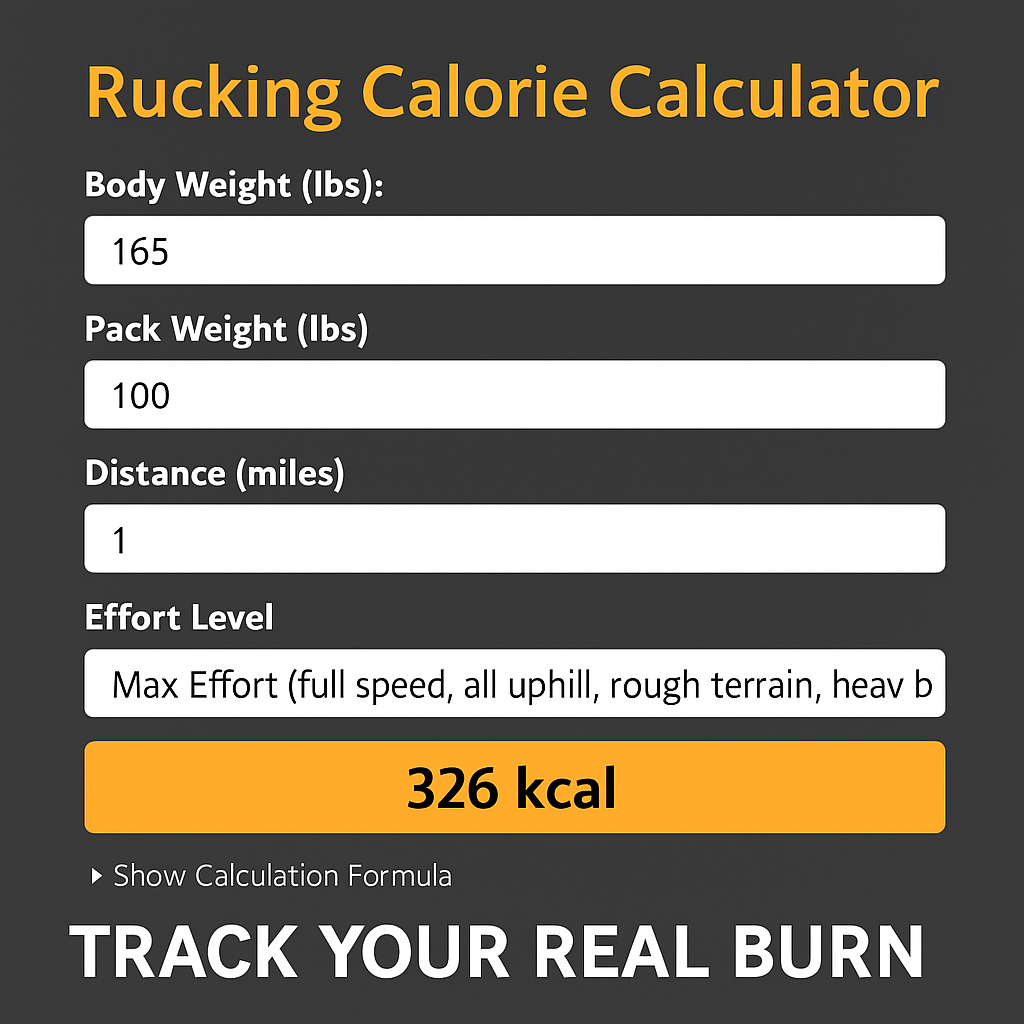
How much does a session burn? Quick calculator
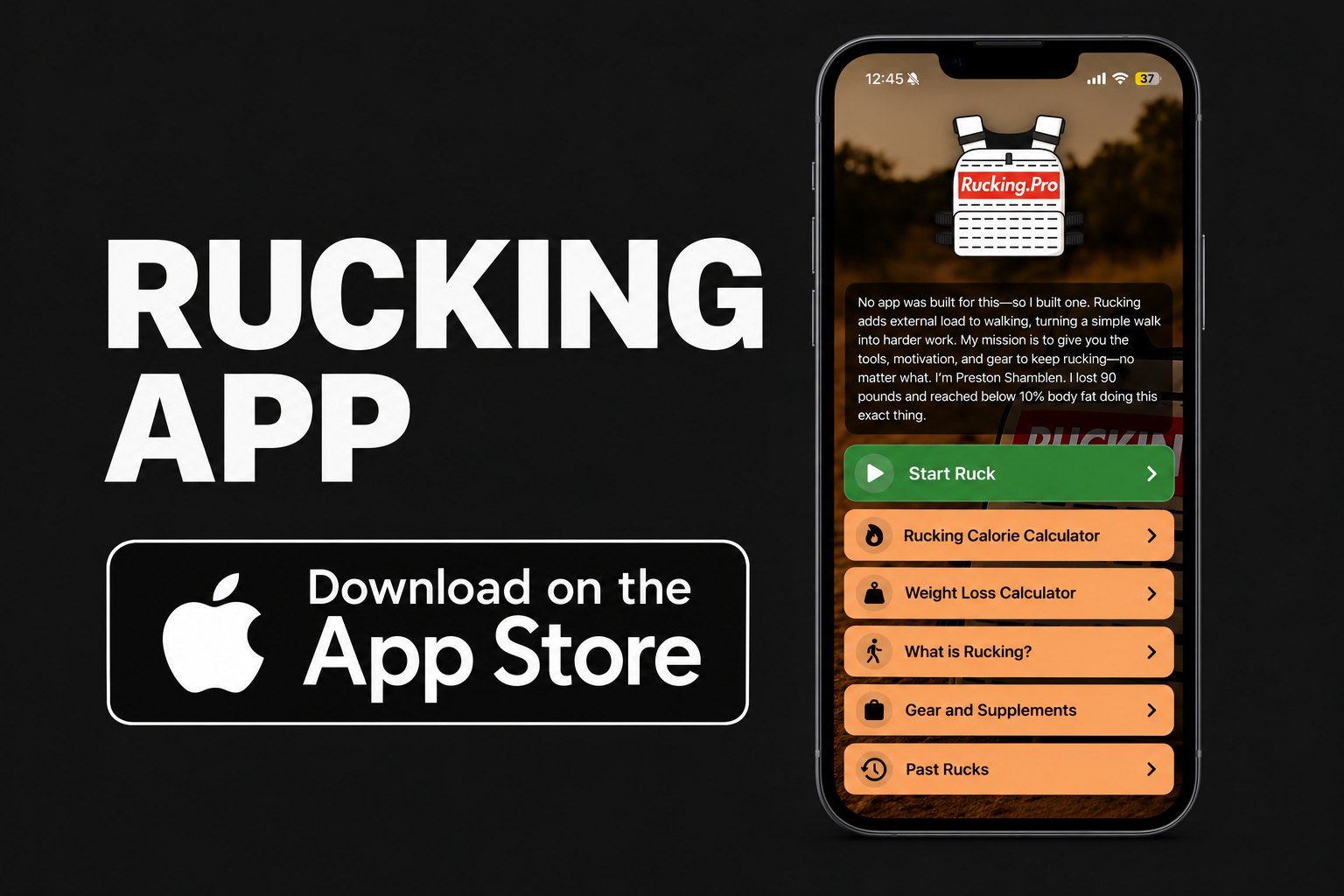
For estimating calorie burn with a Thrudark vest during a walk or ruck, use the rucking calorie calculator to get a practical number tailored to your weight, load, and pace.

Alternatives and recommended gear
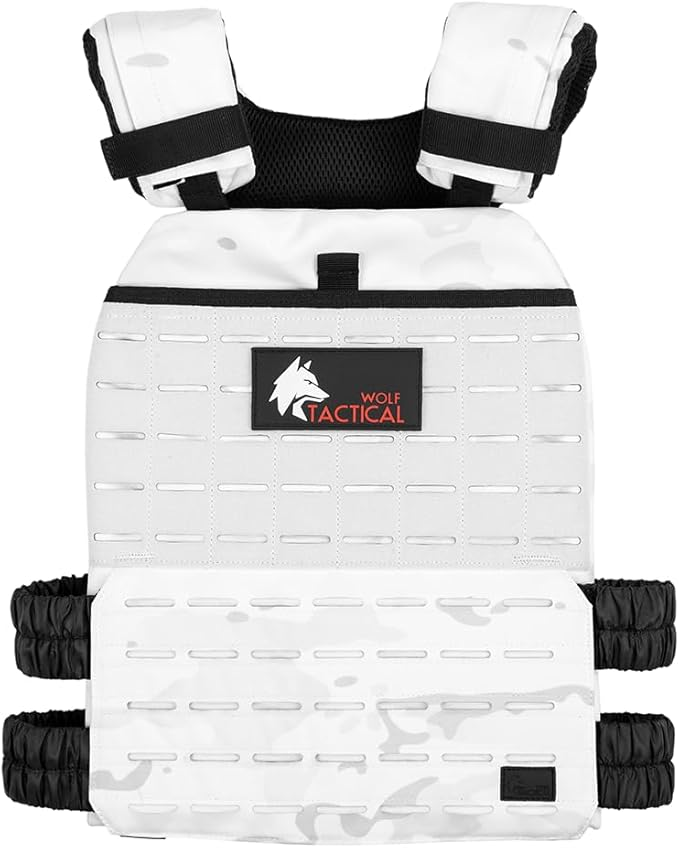
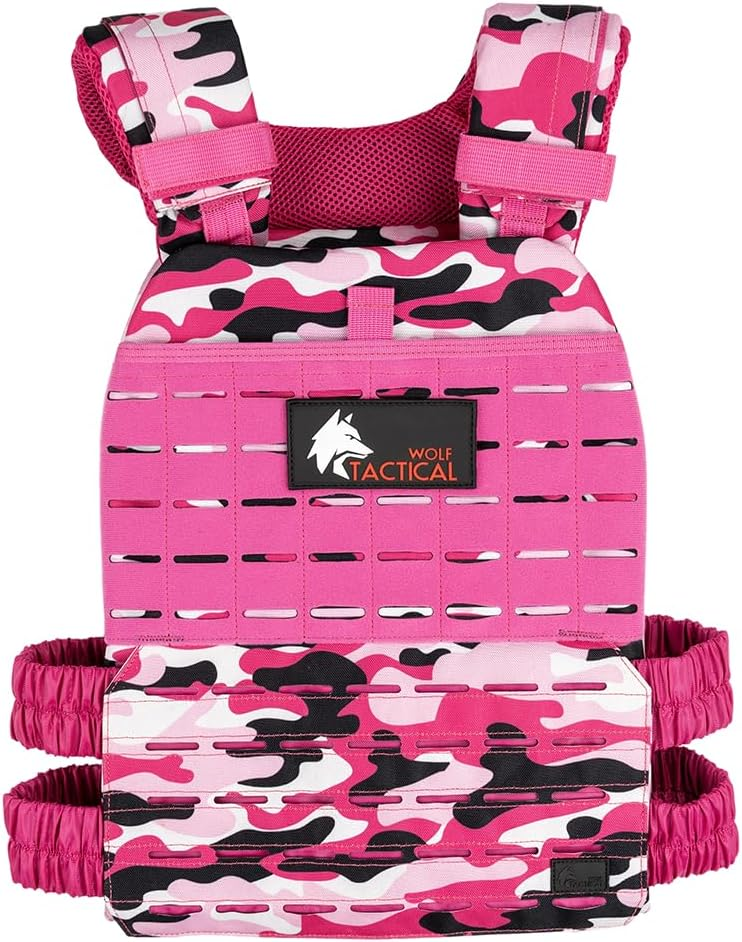
If you outgrow a Thrudark vest for longer rucks or heavier training, consider a more purpose-built option for comfort and durability. For a beginner-friendly, well-padded vest that transitions to heavier use, the Wolf Tactical Adjustable Weighted Vest is a reliable step up.

Whether you keep the Thrudark vest or move up, prioritize fit, gradual progression, and consistent outdoor conditioning. Small, steady sessions with a correctly fitted vest beat occasionally overloading and recovering poorly. Use the calorie calculator to set realistic targets and track progress.
Final practical checklist
- Confirm fit: snug, minimal bounce.
- Begin light and increase weight/distance gradually.
- Inspect the vest after each month of regular use.
- Use the rucking calorie calculator for session planning.