Why the steel mace bell matters
The steel mace bell is a unique tool for building rotational power, shoulder integrity, and brutal grip strength. Unlike kettlebells or dumbbells, the long lever of a mace creates torque that forces your core, hips, and scapular stabilizers to work together in dynamic patterns. That makes it ideal for athletes, tactical operators, and outdoor athletes who need functional strength that carries into walking, rucking, and weighted-vest work.
Core principles before you swing
- Start light and prioritize control — the mace exaggerates momentum.
- Keep the wrists stacked and the elbow soft; power comes through the hips and core, not the arm.
- Use full-body breathing and brace the midline on every rep to protect the spine.
Progression and sample drills
Structure sessions like any strength sequence: warm-up, technique blocks, load or density work, then recovery. For beginners, I recommend 3–5 technical drills for 8–12 minutes, then a short density set (AMRAP 6–8 minutes) at a weight that lets you move precisely.
Technical ladder (beginner → intermediate)
- 2-hand 360s, slow and controlled — focus on hand path and shoulder packing.
- 1-hand 360s with a staggered stance — introduce anti-rotational bracing.
- Diagonal chops — teach hip torque and deceleration.
- Heavy carries (farmer or overhead) after mace sets to beat fatigue into stability.
Programming with weighted vests and rucking
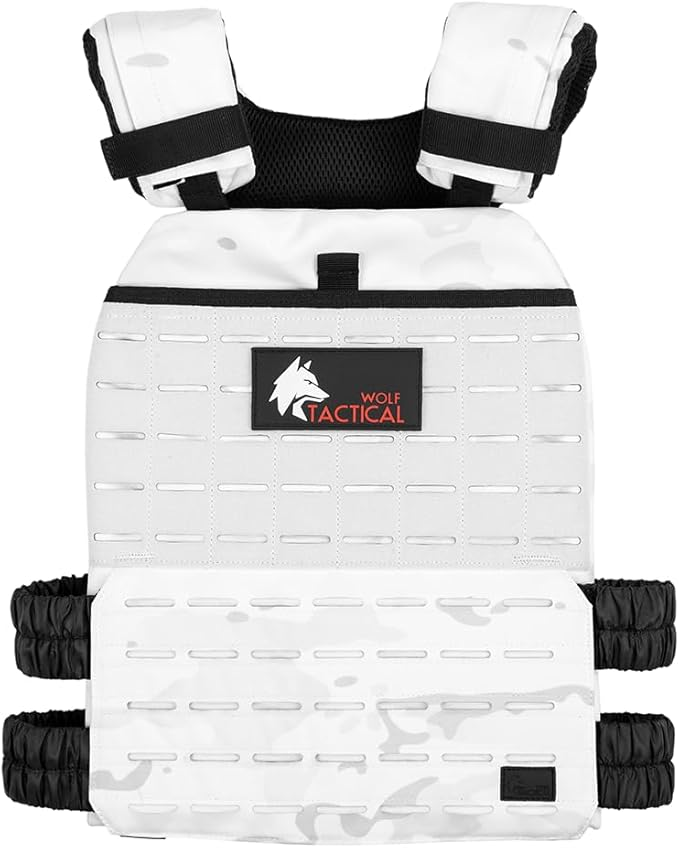
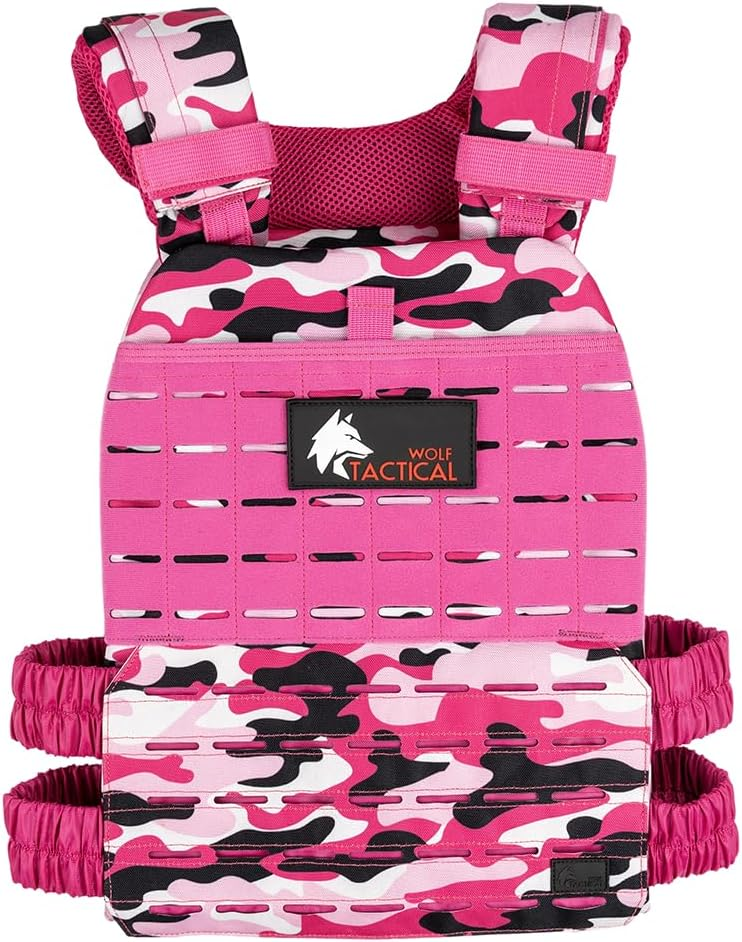
Steel mace work pairs well with short weighted-vest circuits or rucks. Use the mace for technical and power density, then add a 20–40 minute weighted walk to build conditioning and durable strength. If you’re planning longer routes, alternate mace days with focused ruck days so you maintain high-quality swings without overreaching.
For heavy mace training or to combine with heavy calisthenics, I often recommend a robust weight vest like the Kensui EZ-VEST® MAX V2 to add load without compromising movement. Use it for short sets or carries after mace sessions rather than long, technical swings.

Inline link example: consider the Kensui EZ-VEST® MAX V2 when your training calls for heavy external load paired with mace work.
Sample 30-minute steel mace bell session
- 5-minute dynamic warm-up (shoulder circles, band pull-aparts, hip hinges)
- 10 minutes technique ladder: 2-hand 360s → 1-hand 360s → diagonal chops (3 rounds)
- 8-minute density: 2-hand 360s AMRAP with strict form
- 7-minute finish: loaded carry or 10 single-arm swings per side, then cool-down
Track effort and calories
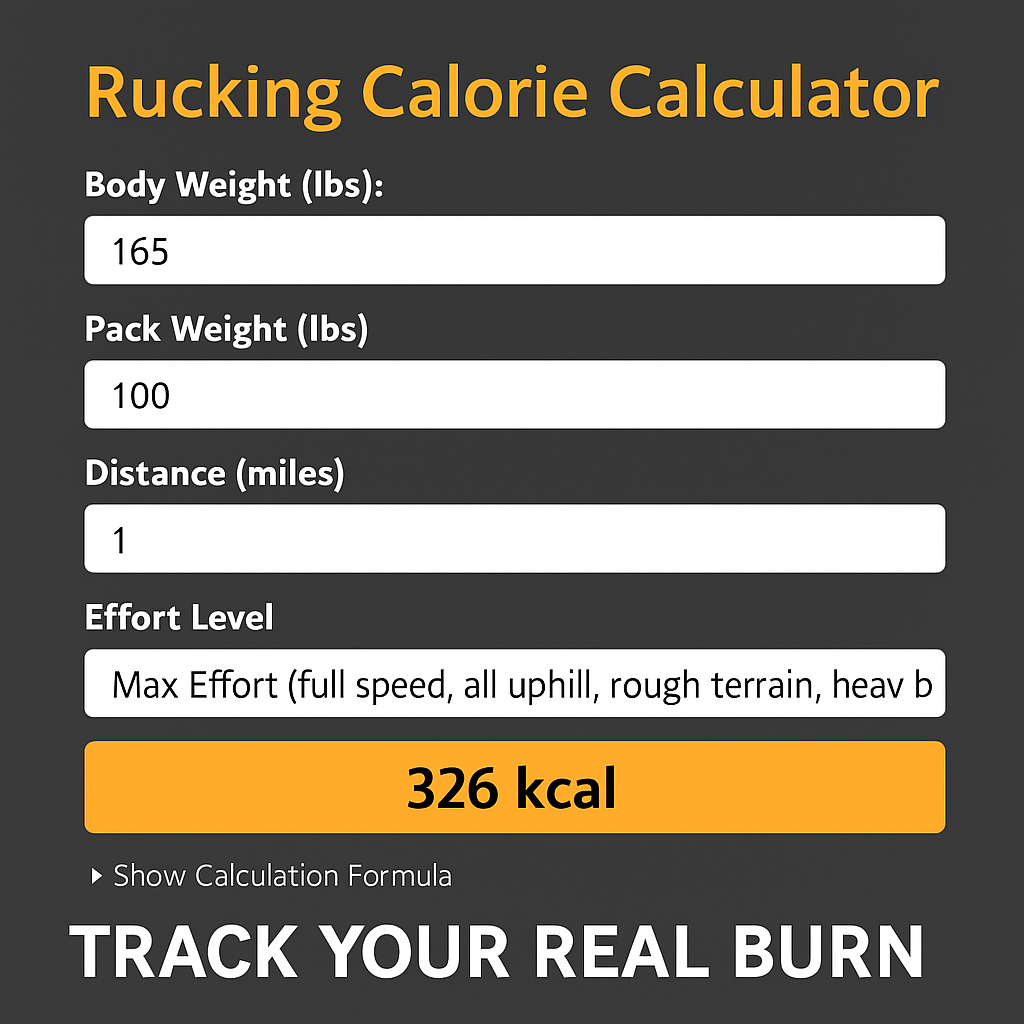
Use a basic calculator to estimate calorie burn when you combine mace work with walks or weighted vests. It helps dial in recovery and nutrition around high-torque sessions. Try the Rucking Calorie Calculator here:

That calculator gives realistic, outdoor-based numbers so you can adjust food and recovery.
Final tips from the field
Start with control, not ego. The steel mace bell will expose weak links quickly — respect that feedback and program accordingly. I’ve used mace work alongside rucks and weighted vests in outdoor routines; it builds practical strength and durability. For context, I lost 90 lbs through disciplined rucking, weighted-vest training, and nutrition, and I still recommend weighted vests as one of the most reliable ways to maintain a lower body weight and burn fat consistently.
Keep sessions short, consistent, and progressive. When the technique is solid, the mace will transfer to better performance in carries, rucks, and real-world strength.