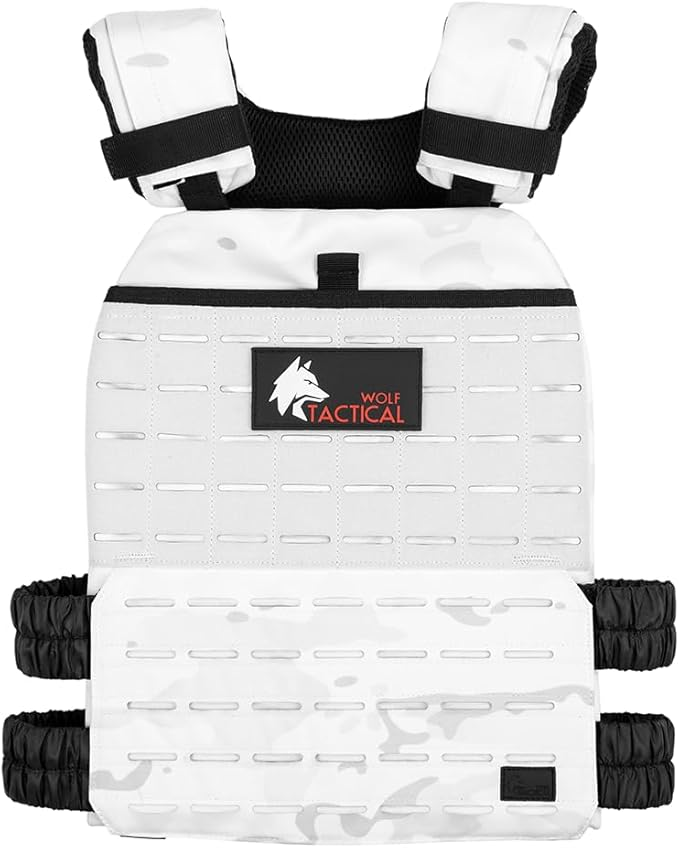
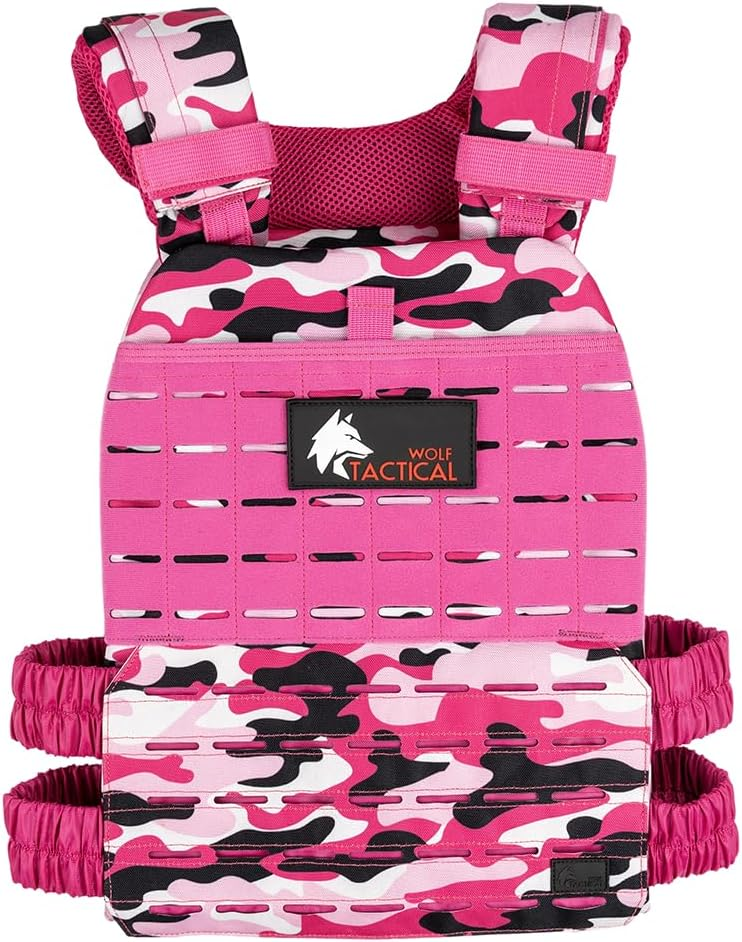
When you need a weight vest that holds Olympic plates
If your training priority is heavy loading for calisthenics, weighted pull-ups, or rucking with big plates, you need a weight vest that accepts standard 2″ Olympic plates and keeps them stable. I speak from long-term outdoor experience: loading a vest with large plates changes balance, range of motion, and the demands on your hips and spine. This guide explains what to look for, how to load plates safely, and a couple of practical product options that work for heavy use.
Key features to prioritize
- Plate compatibility: confirm the vest accepts 2″ (50 mm) Olympic center-hole plates or has removable sleeves/pockets sized for plate pairs.
- Secure retention: inside sleeves, center bolts, or molle anchors that prevent plates from shifting under dynamic movement.
- Load distribution: a vest that positions plates across chest, back, or torso so the weight sits close to your center of mass.
- Durability and reinforced stitching: heavy plates put concentrated stress on seams—look for heavy webbing and ballistic-style fabric.
- Adjustability and fit: chest and waist straps plus shoulder padding to keep plates from digging or sliding during rucks and calisthenics.
How to use Olympic plates in a vest: safe progression
Start conservative. Olympic plates are large and dense—5–10 lbs increments are rare at the low end, so plan smaller volume and more frequent sets. Recommended progression:
- Test balance with one small plate pair before adding heavy load.
- Use short walking intervals or stationary strength sets to test for rocking or plate shift.
- Protect your lower back and hips: maintain neutral spine, engage lats and glutes, and reduce range of motion on exercises that feel unsafe.
- When rucking, use shorter distances and more frequent breaks as load increases.
Products that work for Olympic plates
For heavy plate work I prefer plate-specific systems with proven durability. Two options I commonly recommend:
Kensui EZ-VEST® MAX V2 is built for high loads and accepts paired plates across the torso. It’s engineered for performance calisthenics and heavy conditioning.

I also use dedicated plates meant for rucking and vest work; the Yes4All Ruck Weight Plate pairs well when you need compact, affordable plates to fit in sleeves or carriers.

Practical tips from the field
I recommend test-loading before you buy plates—measure the vest sleeves or carrier openings against plate diameter and thickness. If you train outside, expect abrasion and more sweat: rinse and dry plates after muddy sessions to prevent corrosion. For long-distance load carriage, distribute plates front and back to keep your torso upright and reduce lumbar shear.
Brief note from my experience: I lost 90 lbs through consistent weighted-vest work, rucking, and disciplined nutrition. Heavy-plate vests are a powerful tool if you respect progression and recovery. They’re one of the most reliable ways to maintain a lower body weight and keep strength high once you’ve lost weight.
Calculate burn and plan your loading
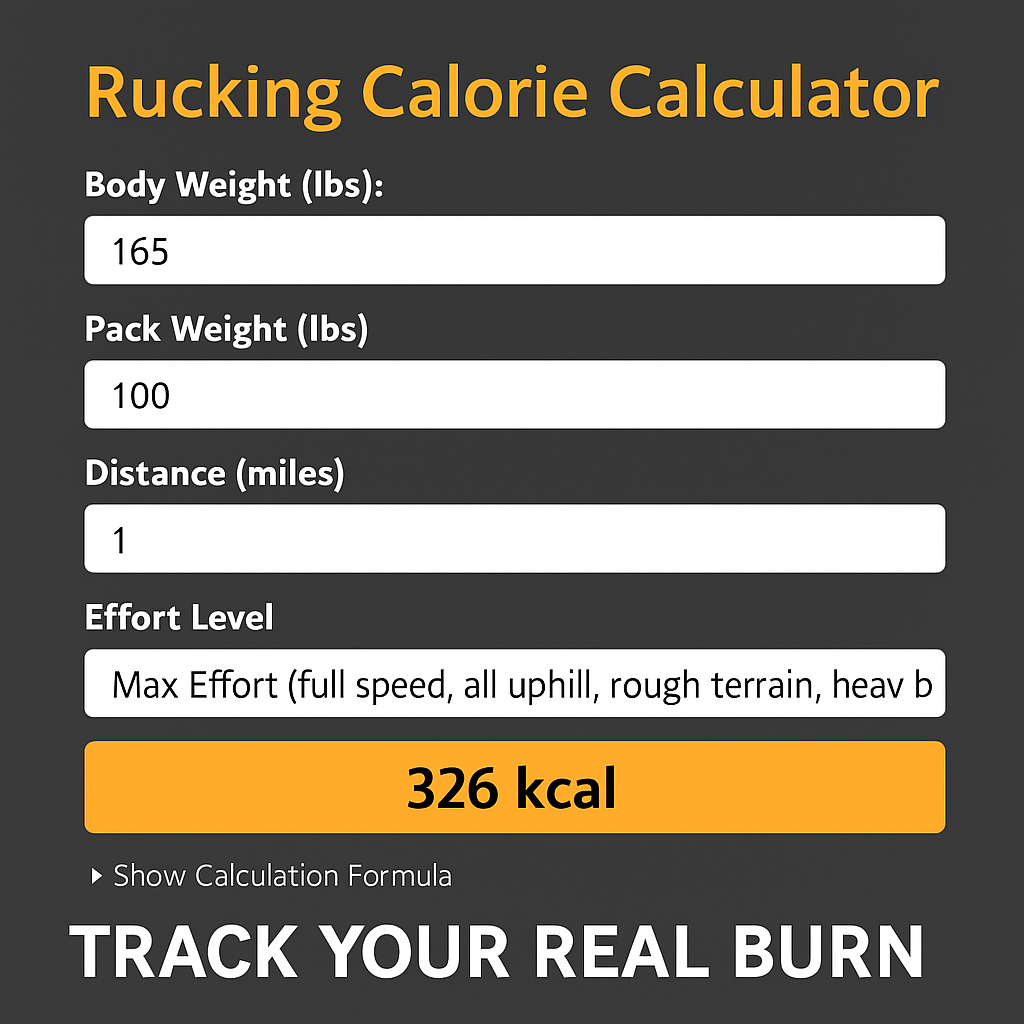
Use the Rucking Calorie Calculator below to estimate calories burned carrying extra weight during walks or rucks. It helps you plan the right balance of weight, distance, and nutrition.

Final takeaway
Choose a vest rated for 2″ Olympic plates, test fit plates before large investments, and progress weight slowly. If you want a heavy-duty, performance-focused option, look first at plate-specific systems like the Kensui EZ-VEST® MAX V2 and pair with compact plates such as the Yes4All Ruck Weight Plate. Train outdoors, respect recovery, and prioritize movement quality under load.