Why a weighted vest for running women’s needs is different
Rucking-style loading and running with weight are similar but not identical. Women often need different fit, compression, and anti-chafe solutions than off-the-shelf men’s models. This guide covers what to prioritize: a secure load, low-bounce movement, breathable materials, and a clear progression plan so you improve speed and strength without risking injury.
Fit and comfort first
A vest that rides up, pinches the chest, or rubs under the arms ruins runs quickly. Look for low-profile plates or small discrete pockets, adjustable straps across the shoulders and sternum, and stretch panels near the ribs. For light running and faster intervals, aim for a snug, compressive fit that minimizes rebound.
- Choose sizes made for narrower torsos or adjustable panels.
- Soft edges and removable padding reduce hot spots.
- Start with 2–5% of bodyweight for tempo runs; progress slowly.
Weight distribution and performance
Front-back balance matters. A vest that concentrates heavy plates high on the shoulders will pull your posture and increase neck strain. Lower and central plate distribution keeps your center of mass stable and preserves a natural running gait. That’s how you get the strength benefit without wrecking cadence.
Training plan: how to add weight safely
Treat weighted runs like any other progressive overload. Add time or weight — not both — and always respect recovery.
- Weeks 1–2: Walk-jog 20–30 minutes with 2–5% bodyweight to test fit and chafe.
- Weeks 3–4: Two run-focused sessions per week; keep one easy, one short tempo run.
- Weeks 5+: Increase vest load by 1–3% bodyweight every 2–4 weeks once form is perfect.
Common problems and fixes
If you experience shoulder pain, loosen straps and shift weight lower on the torso. For inner-thigh or chest chafe, add a thin technical base layer or use anti-chafe balm. If balance feels off, reduce weight and work core stability for 4–6 weeks before increasing again.
Product picks for women who run
For light, low-profile running I often recommend a slim, adjustable model or a soft, low-bounce option for faster intervals. Mentioned below are two practical choices depending on your goals.
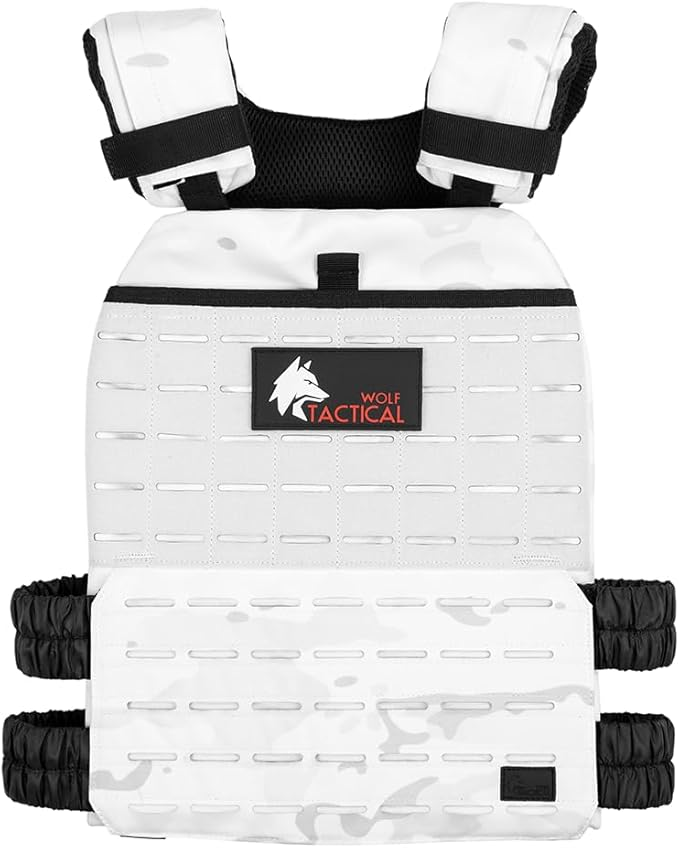
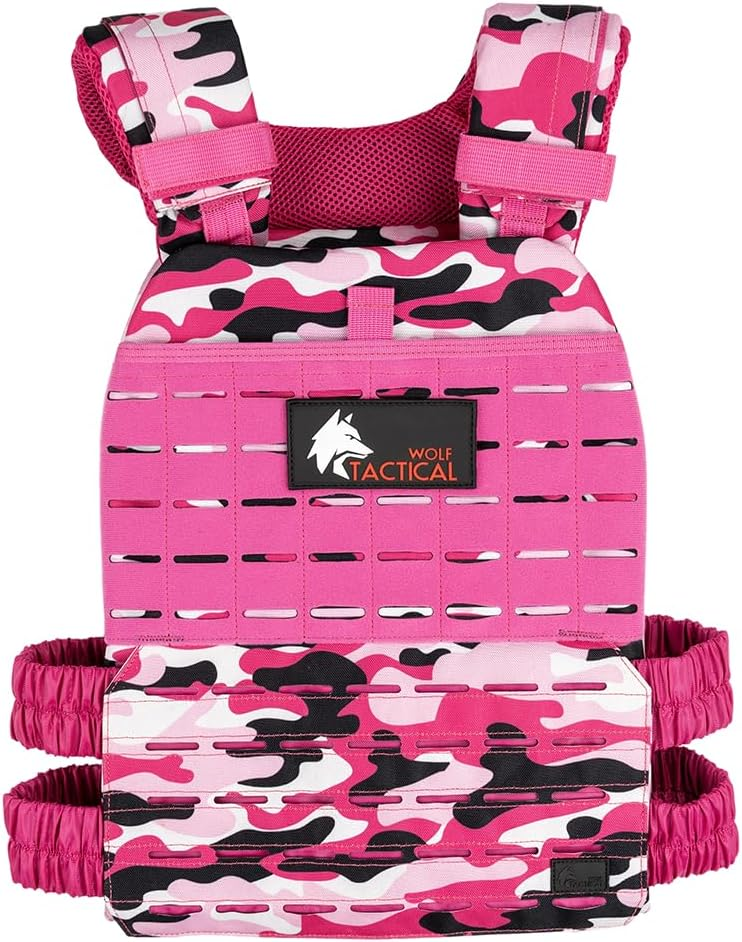
WOLF TACTICAL Simple Weighted Vest (Men/Women) is a good all-around option when you want secure fit and modest plate capacity without bulky hardware.

If you want very light, adjustable increments for walking and short runs, consider BAGAIL Adjustable Weighted Vest (4–10 lb).

Measure effort, not ego — one quick tool
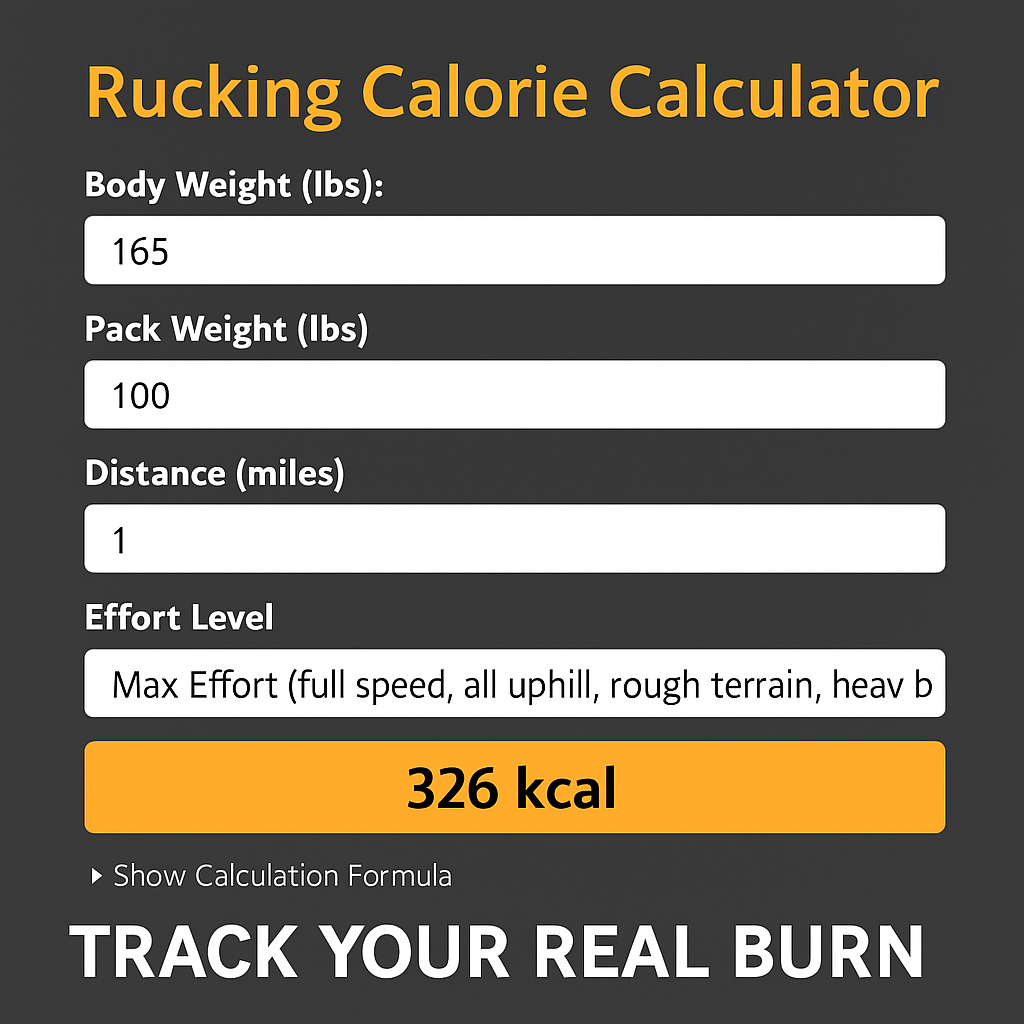
Want to estimate calorie burn and plan a progressions chart? Use the rucking calorie calculator screenshot below — it helps convert weight, distance, and pace into reliable calorie estimates so you can program steady progression without guesswork.

Final notes
Start light, focus on fit, and build volume before load. A well-fitting vest will let you run stronger and recover faster. If you run mostly road intervals choose the slimmer models; if you alternate hiking and running, opt for slightly more capacity and breathable panels. Keep sessions intentional and measure progress by pace and perceived exertion — the vest is a tool, not a shortcut.