Raptor weight vest: quick overview
The Raptor weight vest is designed for load-bearing training and rucking-style conditioning. In this guide I cover real-world fit, comfort adjustments, and how to use a raptor-style vest for steady calorie burn without wrecking your shoulders or posture. These are practical tips I use outdoors and recommend to clients who want simple, durable weighted-vest work.
What to check before you buy
- Fit: shoulder padding, torso length, and adjustability to prevent ride-up or shifting.
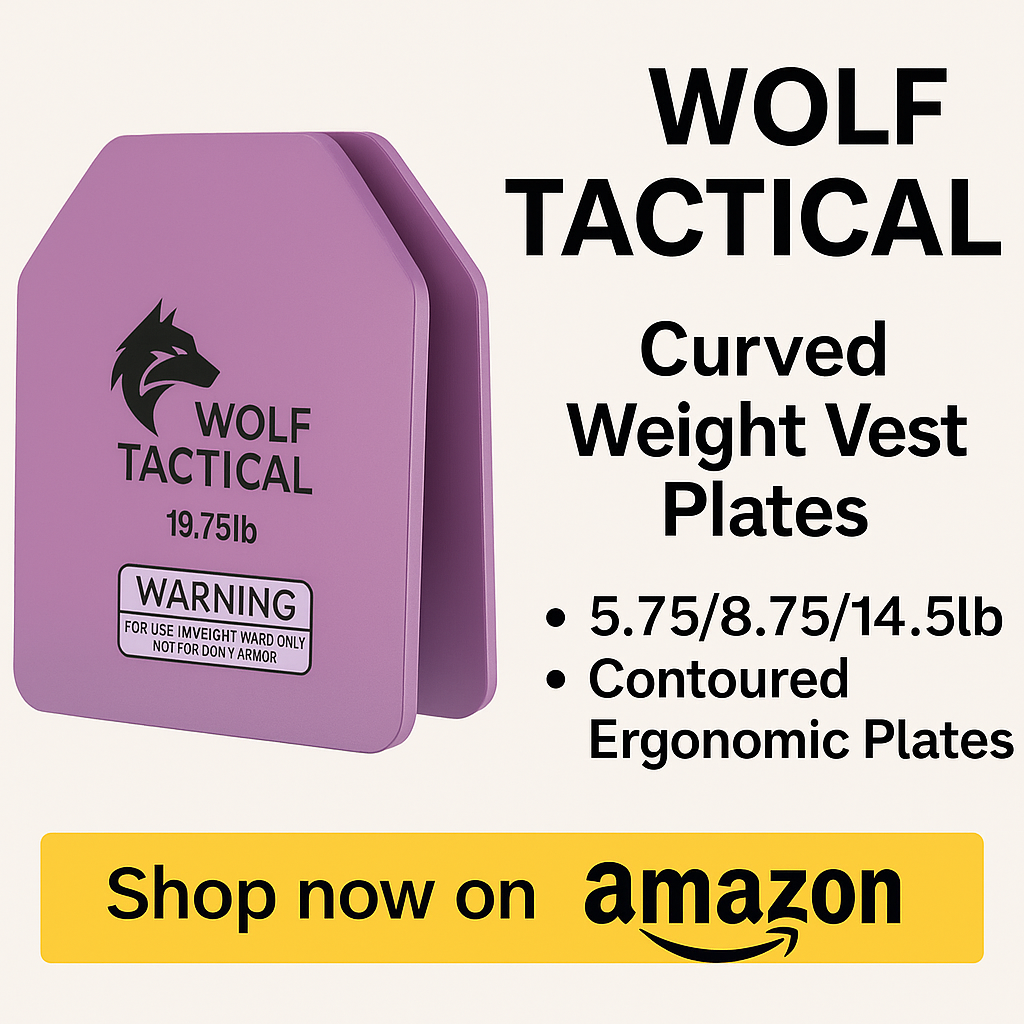
- Weight distribution: plate pockets vs. soft weights — plates sit more stably but can be harsh without padding.
- Material and ventilation: long walks heat you up; breathable panels matter for comfort.
- Modularity: can you add or remove plates to progress safely?
Practical fit and comfort tips
A properly fit vest keeps the load centered over your hips and upper back, not hanging off your shoulders. If the Raptor weight vest sits too high, tighten the shoulder straps and use sternum or side straps to lock it in. Test with a short walk and a little jogging to verify there’s no chafing. Start light and add weight in small increments — that’s the safest way to find your sweet spot.
Beginner setup checklist
- Start with 5–10% of bodyweight for walk-focused rucks, progress 1–2% every 1–2 weeks.
- Wear a moisture-wicking base layer and test strap positions before long efforts.
- Use a belt or waist strap when available to transfer load off the neck and shoulders.
How to ruck safely with a Raptor weight vest
Rucking with a raptor-style vest is about consistent, controlled volume. Prioritize posture: chest up, shoulders back, neutral hips. Keep cadence steady and choose terrain that matches your goals — flat roads for steady-state calorie burn, mixed trails for strength and balance. On longer routes, schedule short standing breaks every 30–45 minutes and check for hotspots under straps.
Sample progression (8 weeks)
- Weeks 1–2: 20–30 minute walks, light weight, focus on form.
- Weeks 3–5: 45–60 minute walks, add 5–10% bodyweight total across sessions.
- Weeks 6–8: introduce hill repeats or tempo segments while monitoring recovery.
Estimate your calorie burn
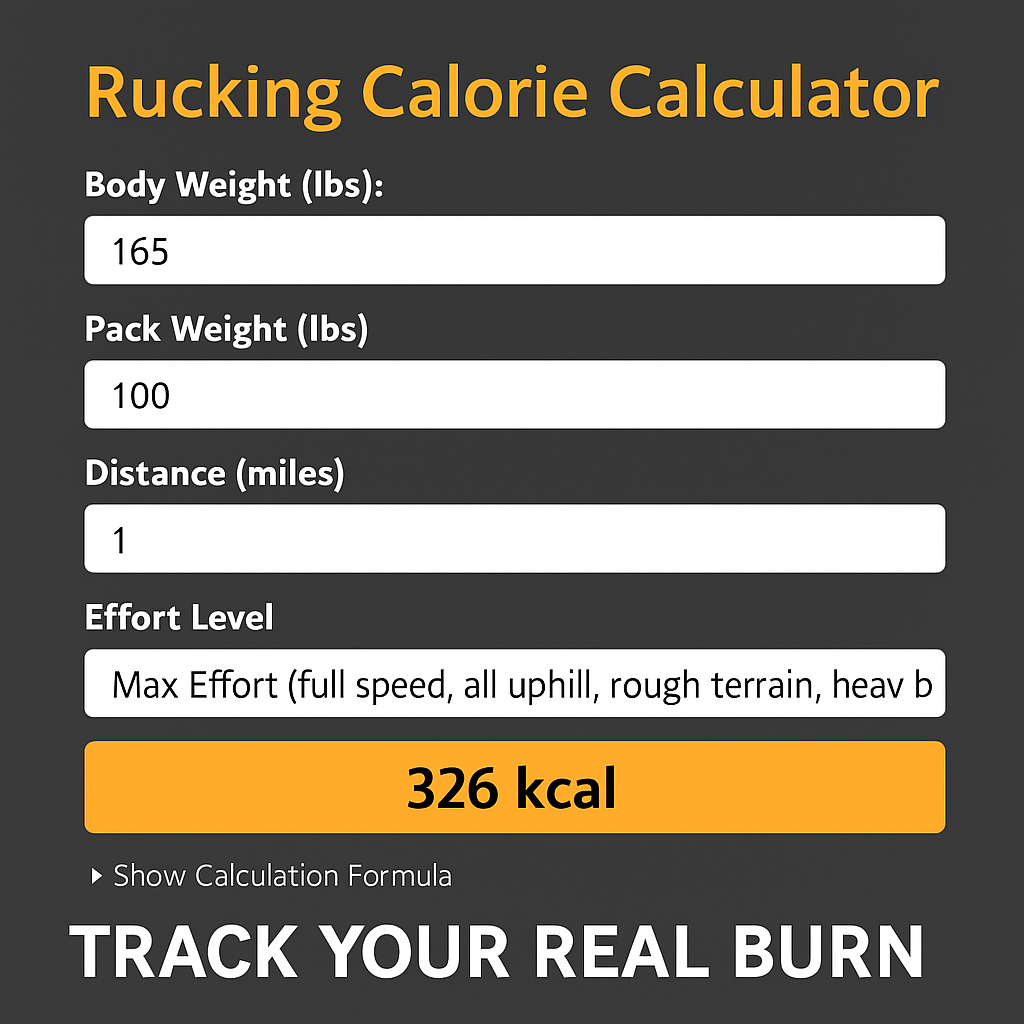
To plan training and nutrition, use the rucking calorie calculator to estimate session burn and adjust weight or duration. Click the screenshot below to open the tool and plug in your vest weight and pace.

Product suggestions for Raptor-style training
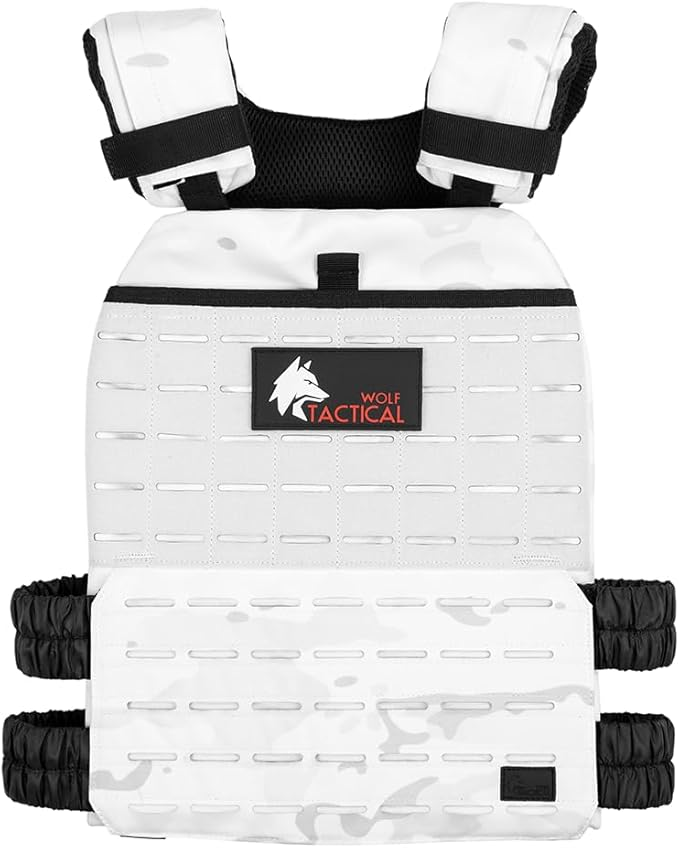
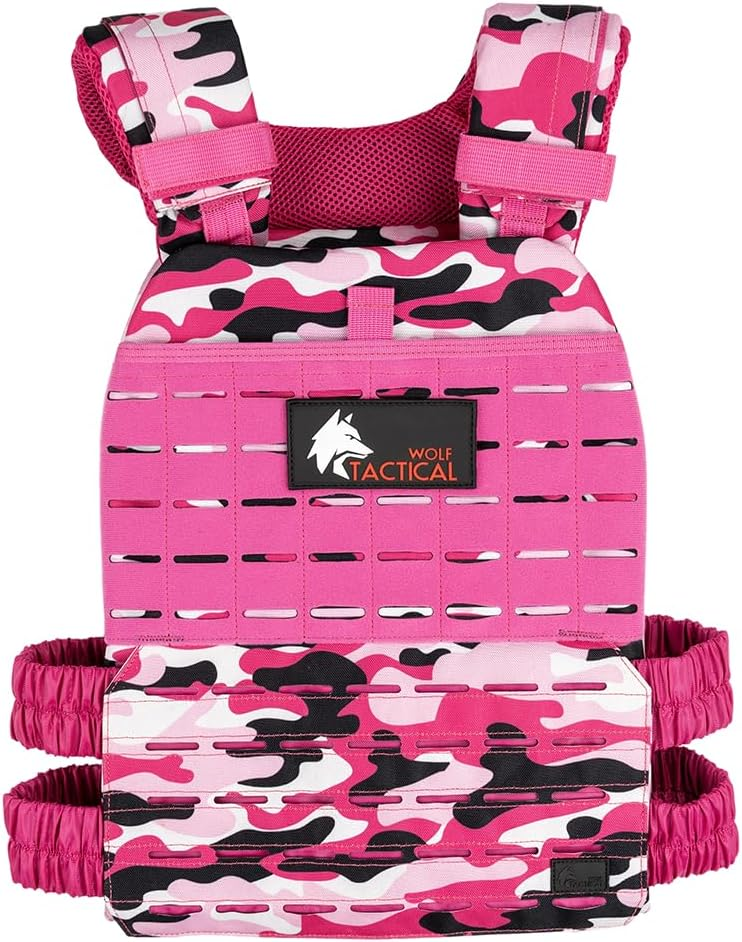
If you want a user-friendly, low-profile option for walking and rucking, the Wolf Tactical Weighted Vest is a good starter: it balances comfort and adjustability for regular outdoor sessions.

For a more training-focused plate carrier that supports hard sets and heavier loads, consider the 5.11 Tactical Unisex TacTec Trainer Weight Vest. It’s built for heavier, stable loading and moves well during mixed workouts.

Real results and a coach’s note
As a coach I’ve seen consistent weighted-vest work produce steady fat loss and better posture when programmed properly. Preston Shamblen lost 90 lbs through rucking, weighted-vest training, and disciplined nutrition and still recommends weighted vests as one of the most reliable ways to maintain a lower body weight and burn fat consistently.

Use the checklist, start light, and track your sessions with the calorie calculator linked above. Rucking with a Raptor weight vest should be steady, outdoor-first, and sustainable.