Why people choose the ProIron weighted vest
The ProIron weighted vest is a budget-friendly option for adding external load to walking, rucking, and bodyweight work. It’s popular because it’s affordable and easy to use, but that doesn’t mean you should treat it like a one-size-fits-all solution. In this guide I cover fit, loading strategy, common issues, and how to get consistent calorie burn and training value from a ProIron vest.
Fit and comfort: what to check before you buy
Fit is the single biggest factor in whether a weighted vest becomes a useful training tool or an annoyance. Look for these attributes:
- Adjustable straps that keep the vest centered over your sternum and upper back.
- Low-profile weight distribution so plates don’t dig into your ribs when you walk or bend.
- Material and seams that won’t rub raw during long walks—padding over the shoulders helps a lot.
If your ProIron feels unstable or shifts with each step, reduce load and adjust straps until it rides snugly. A snug fit improves posture and reduces chafing.
How to pick the starting weight
For most beginners start with 5–10% of bodyweight (or 10–20 lb) and progress slowly. The goal is to maintain natural gait and posture, not to hobble forward. Use these benchmarks:
- Beginner walking/rucking: 10–20 lb
- Intermediate (regular weighted walks): 20–40 lb
- Advanced or strength-focused sessions: 40+ lb, or use a plate carrier for heavier loads
As you increase load, shorten session length or split workload to avoid joint pain.
Common problems and fixes
- Chafing—wear a close-fitting base layer or thin compression shirt under the vest.
- Shifting plates—tighten straps, reposition plates centrally, or use fabric inserts to limit movement.
- Pain in shoulders or neck—reduce weight and check that the vest sits evenly on the torso, not the traps.
Progressing training with a ProIron vest
Once your vest fits and you can walk comfortably, use progressive overload: add 5–10% more weight or extend ruck time by 10–20% per week. Mix tempo walks, hill repeats, and bodyweight strength for balanced adaptation.
Calculator: estimate calories and plan sessions
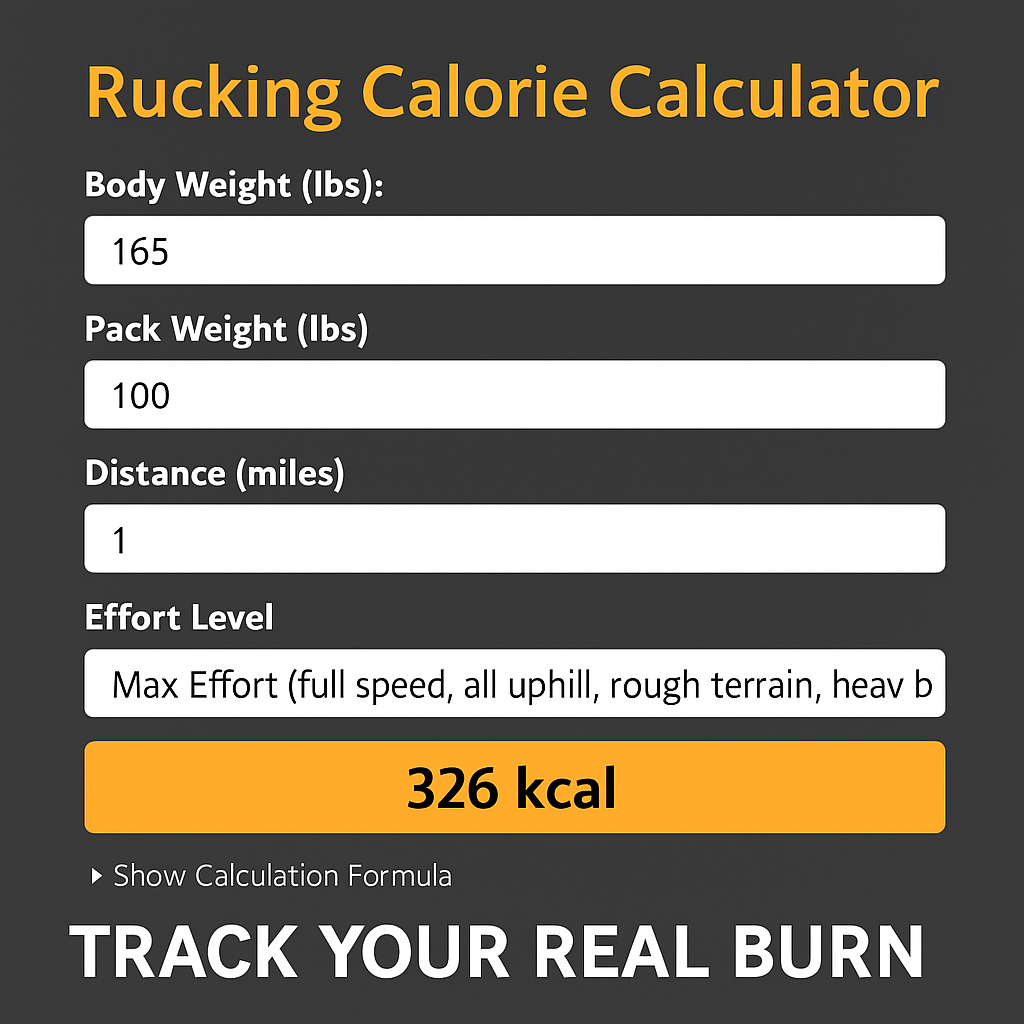
Want a quick calorie estimate for rucking or weighted walks? Use the rucking calorie calculator to plan session duration and intensity:

Recommended alternative gear
If you need a more durable or better-fitting option than a basic ProIron vest, consider the following designs depending on your goals.
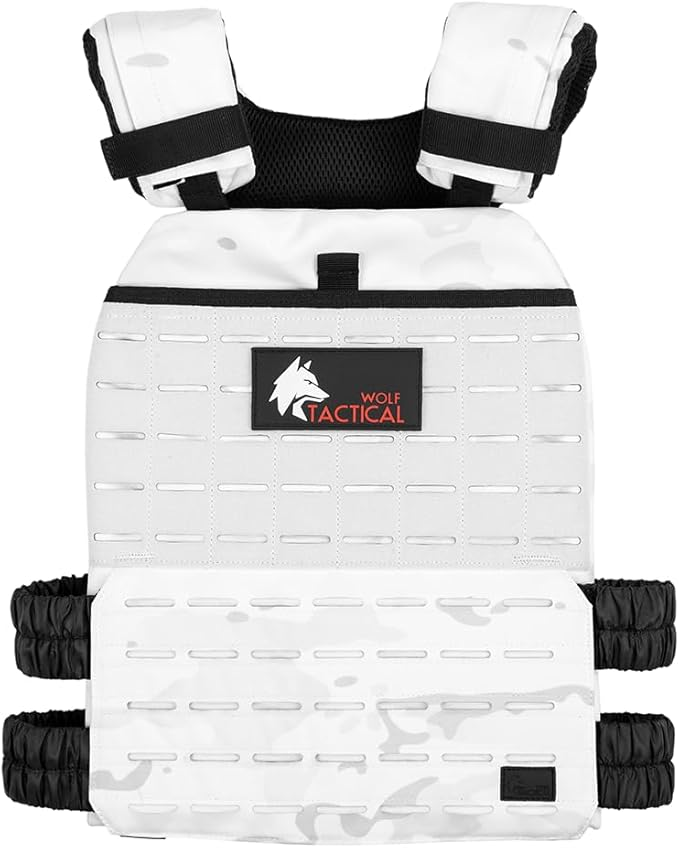
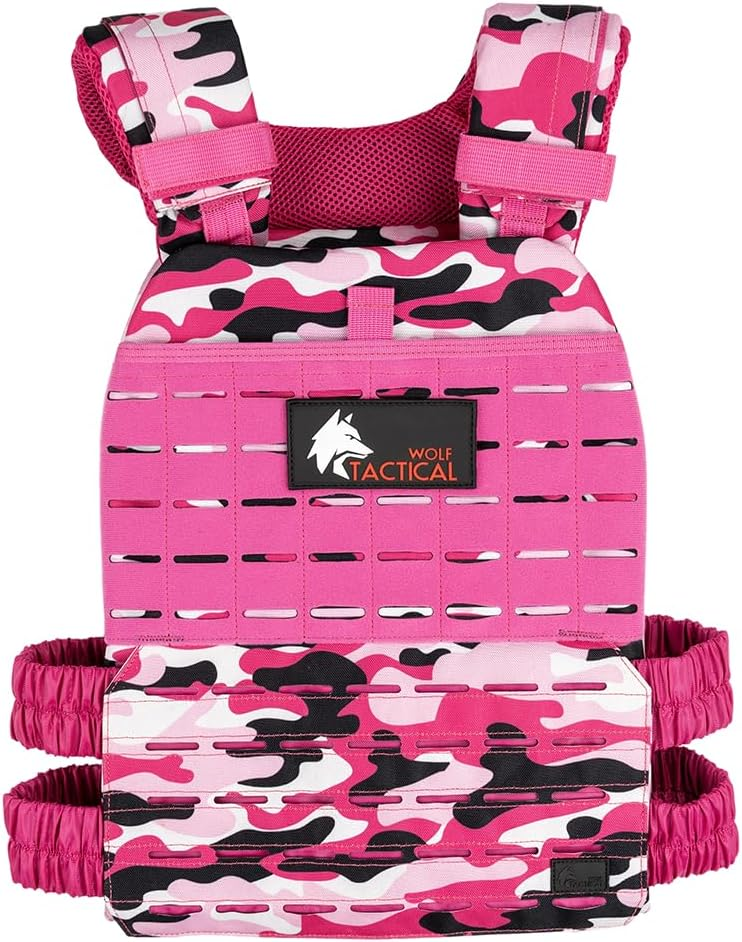
For a comfortable, beginner-friendly vest try the WOLF TACTICAL Simple Weighted Vest (Men/Women). It’s built with user comfort in mind and works well for longer walks:

If you want a training vest built for performance and snug fit during higher-intensity work, the 5.11 Tactical TacTec Trainer Weight Vest is a solid step-up for structured conditioning and calisthenics:

Closing advice
A ProIron weighted vest can be an effective, low-cost entry into weighted training. Prioritize fit and gradual progression to avoid injury. If you outgrow the basics, upgrade to a purpose-built vest or plate carrier for heavier loads and long-distance rucks. Use the rucking calorie calculator above to turn sessions into measurable progress.