Quick take: omorpho g vest+
I test weighted vests outdoors and in rucks. This review looks at the Omorpho G Vest+ for fit, comfort, and how it performs when walking, rucking, and layering with a pack. I write from practical field experience—what to expect for training and daily wear, how the vest affects movement, and how to choose loading safely.
Who the Omorpho G Vest+ is for
If you want a vest that blends gym-style loading and moderate rucking, the Omorpho G Vest+ sits in that hybrid space. It’s intended for people who want a versatile load carriage tool for conditioning, not a specialized military ruck. For beginners I recommend conservative loading and short sessions; for experienced ruckers it can be a useful supplemental vest under a pack.
Fit and comfort checklist
- Shoulder padding and adjustability: Look for secure straps that stop the vest from riding during arm swing.
- Torso length: A vest that’s too long will hit your hips and restrict motion; too short shifts weight to shoulders.
- Weight distribution: Plates or sand pockets should sit close to your center of mass for stable walking and running.
- Ventilation and materials: Breathable panels matter for long walks or warm-weather rucks.
How the Omorpho G Vest+ performs in the field
In short rucks and conditioning walks it feels stable with moderate loads. If you plan heavy, long-distance rucks, test it under progressive load—some vests work great for calisthenics but become uncomfortable under extended marching loads. Always start with 5–10% of bodyweight and add weight slowly.
Training and safety tips
- Warm up jointed mobility before weighted walks.
- Monitor posture: weighted vests increase axial load—keep a neutral spine and strong core.
- Hydrate and use shorter intervals when testing new weight or vest fit.
- Pair vest walks with bodyweight strength to protect shoulders and hips.
How much does it change your calorie burn?
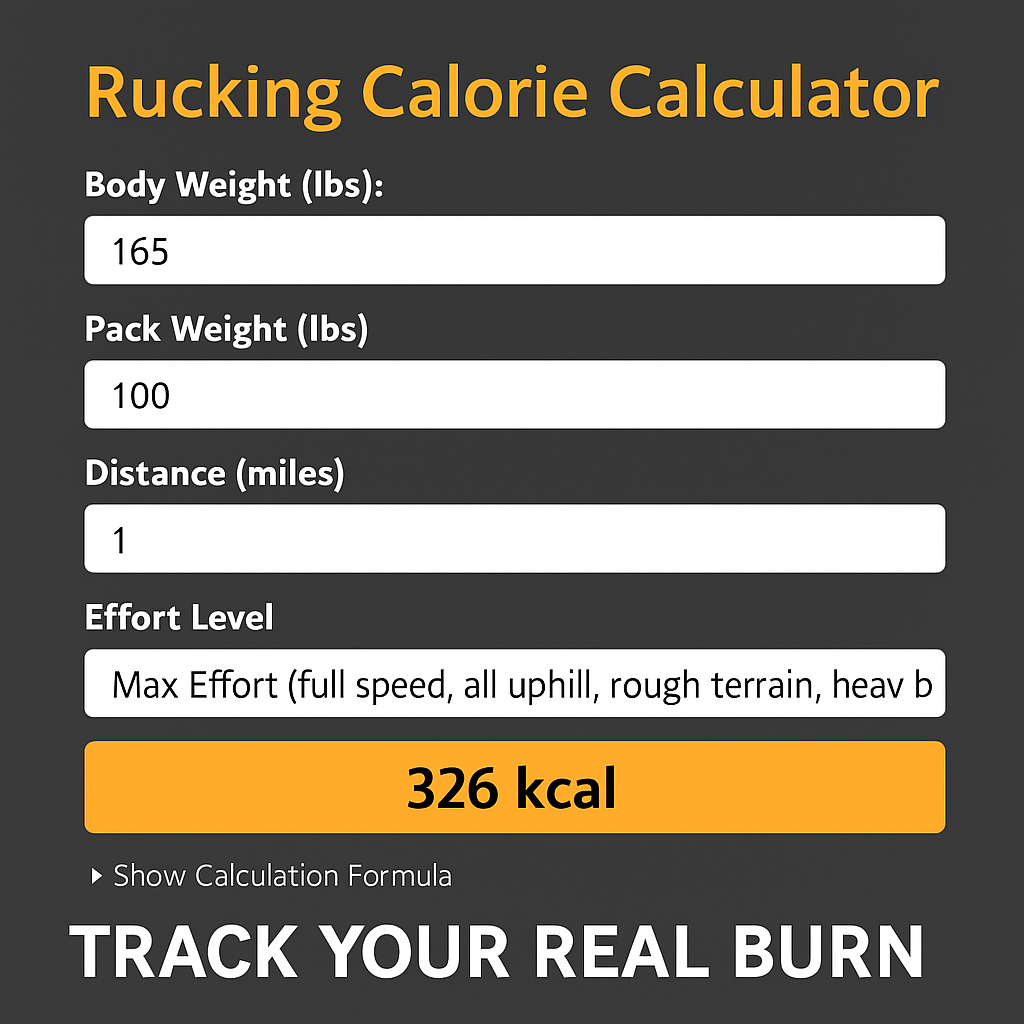
Weighted vests increase calorie burn mainly by increasing the mass you move. The effect depends on load, pace, terrain, and duration. Use the calculator below to estimate the added calorie cost from rucking or walking with a loaded vest.
Open the Rucking Calorie Calculator

Practical protocol
Start with shorter, twice-weekly weighted walks and prioritize consistency over load. Progress with either weight or distance, but not both at once. For most people the sweet spot for fat loss and conditioning is moderate load with higher frequency rather than extreme single-session loading.
Product alternatives and what I recommend
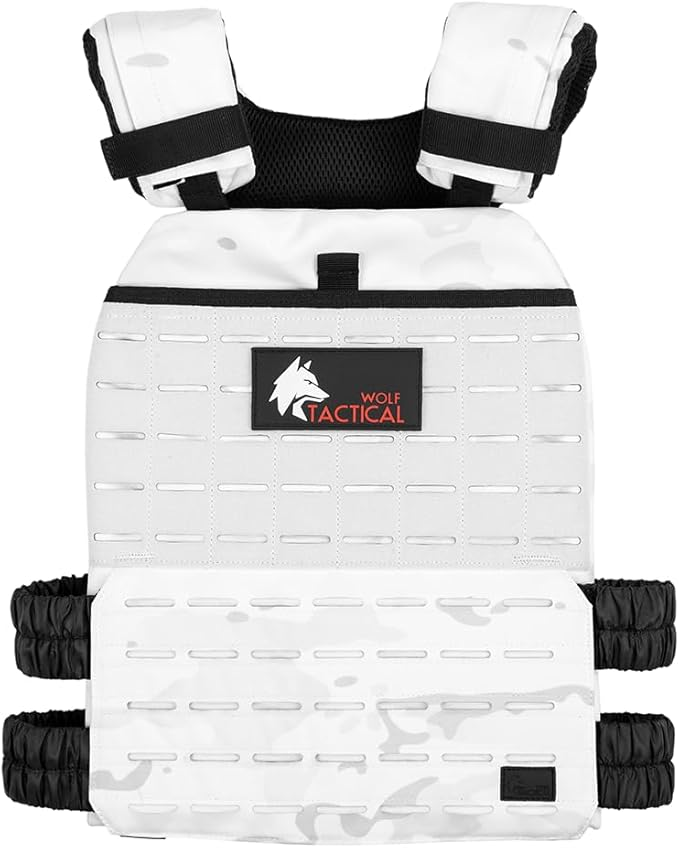
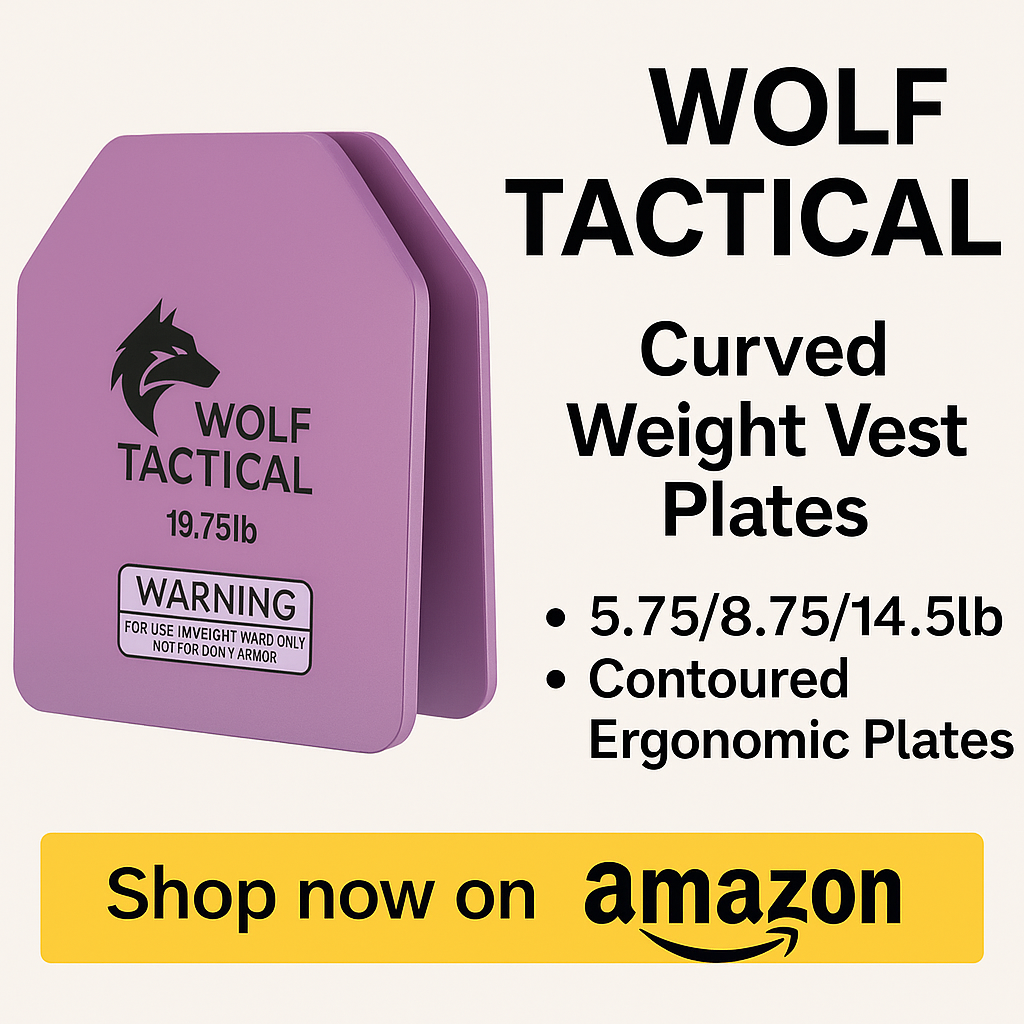
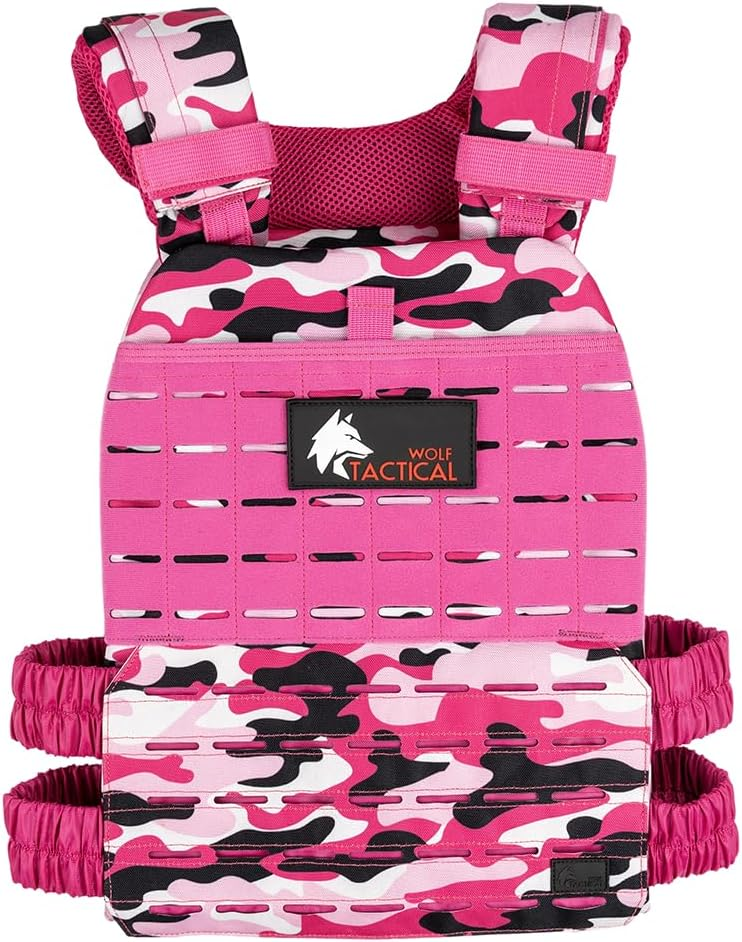
If you want a comfortable, beginner-friendly option for frequent walking and rucking, consider the Wolf Tactical family or a TacTec-style trainer for a snug, adjustable fit. I often recommend these for new vest users because they balance comfort and adjustability.
Inline recommendations:
Wolf Tactical Adjustable Weighted Vest is a durable, adjustable option that works well for daily walking and moderate rucks. For a more training-oriented load with plate options, the 5.11 TacTec trainer is also solid.


Final verdict
The Omorpho G Vest+ can be a practical hybrid option, but prioritize fit and progressive loading. I lost 90 lbs through consistent weighted-vest work, rucking, and disciplined nutrition, and I still recommend weighted vests as one of the most reliable ways to maintain lower body weight and burn fat consistently. If you buy one, test it with short walks, use the Rucking Calorie Calculator to estimate effort, and choose a vest that matches your training goals.