Why the Hyperwear Hyper Vest Pro matters for weighted-vest training
The Hyperwear Hyper Vest Pro weighted vest is a popular choice for athletes who want a close-fitting, low-bulk vest for running, rucking, and bodyweight work. I write this from the field: a vest that rides snug and doesn’t flap changes how hard and how often you’ll use it. This guide covers fit, programming, and practical trade-offs so you can decide whether it belongs in your kit.
Fit and comfort: what to check
Fit is the primary consideration with the Hyper Vest Pro. Because it sits tight to the torso, it reduces bounce during dynamic movement and keeps weight centered. Look for these signs when trying one on:
- Compression, not restriction — you should still breathe deeply without the vest pinching ribs.
- Shoulder mobility — overhead reach and arm swing must feel natural for sprints or carries.
- Load distribution — weight should sit against the chest and upper back, not hanging low on the hips.
How to program with a low-profile vest
The Hyperwear Hyper Vest Pro works best when you treat it like progressive resistance: keep reps and distance consistent while adding small, measurable weight or volume. Start with bodyweight movements, then add the vest for:
- Short interval runs and prowler-style tempo work.
- Calisthenics: push-ups, pull-ups, pistols — a snug vest makes these feel natural.
- Rucking practice on mixed terrain — fewer hotspots and less chafing than bulkier rigs.
Practical tips for long walks and rucks
For every session, check straps and padding. The Hyper Vest Pro will transfer more force to your frame, so you must maintain posture and core tension. If you plan long-distance rucking with hydration and heavy plates, consider a hybrid approach: a low-profile vest for movement days, and a dedicated ruck carrier for heavy loads.
Tool: estimate calorie impact
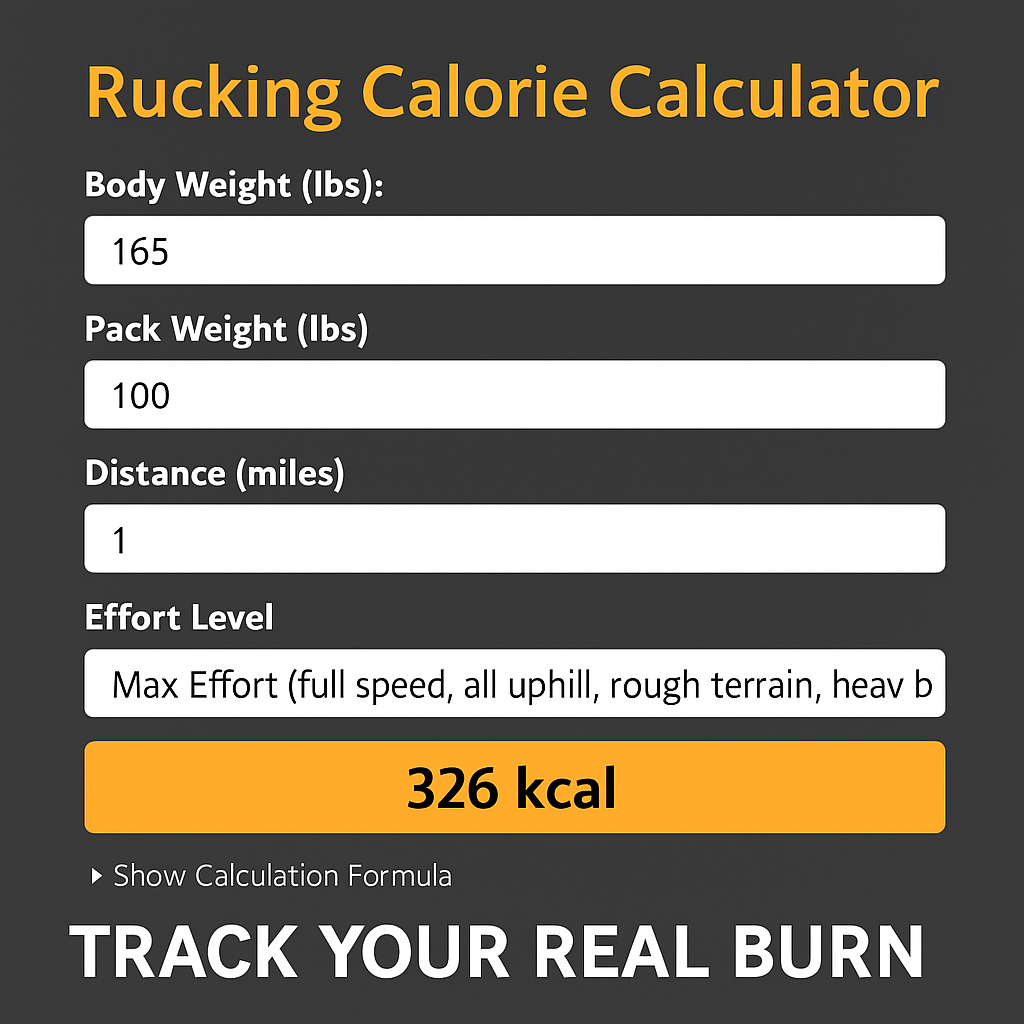
To see how adding a weighted vest affects your session calories, use the Rucking Calorie Calculator. It’s purpose-built for weighted walks and rucks and gives realistic burn estimates you can use to pace progress:

Use that calculator before key workouts to set time or distance targets and to avoid overreaching while adapting to vest load.
Product recommendations
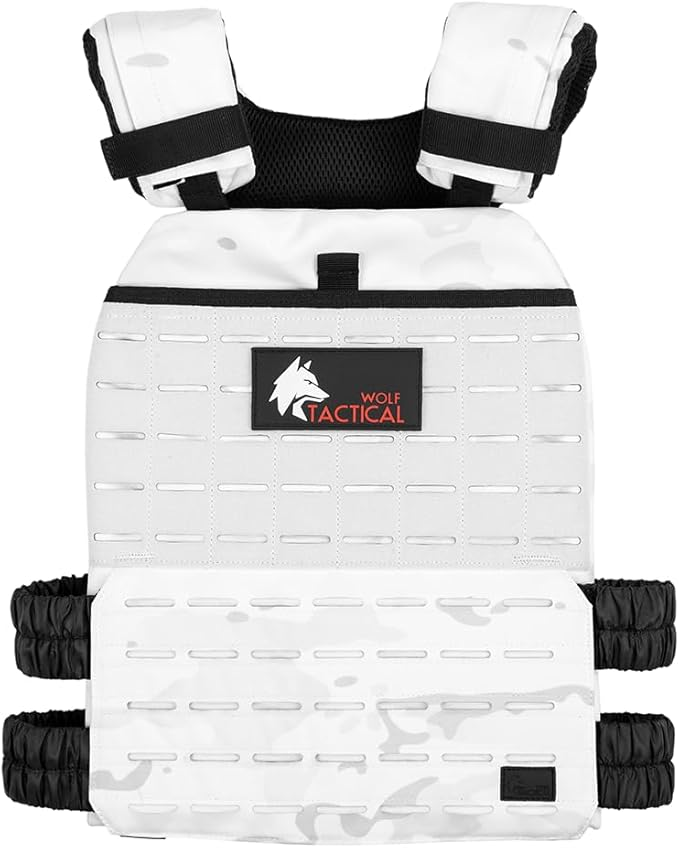
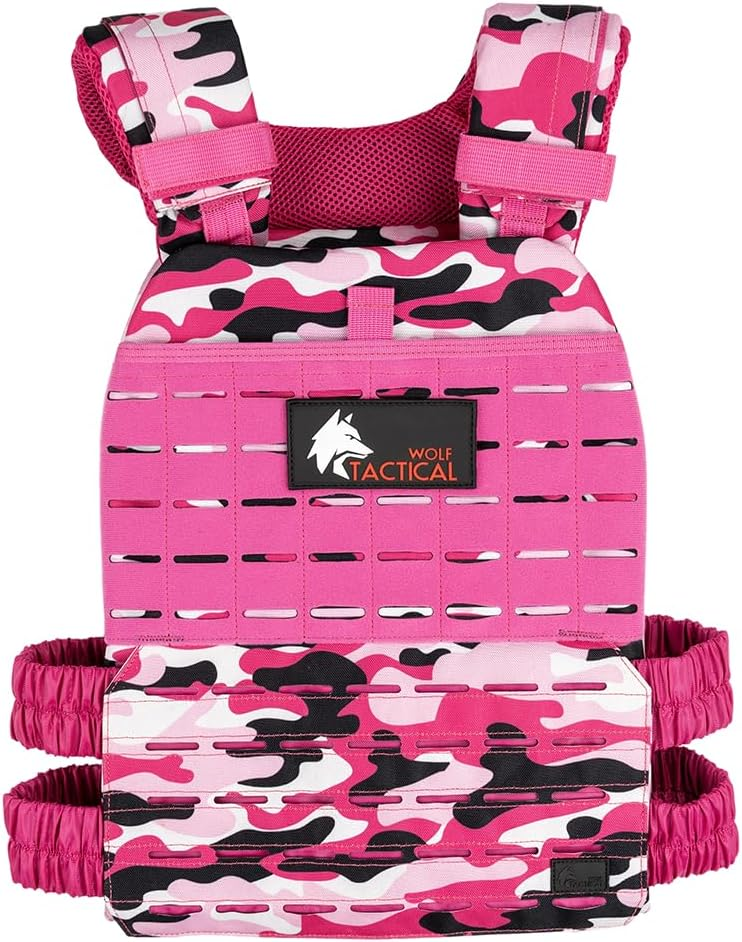
If you want a beginner-friendly, comfortable vest, I often point trainees to the Wolf Tactical Simple Weighted Vest because it balances padding and adjustability for long walks or first-time weighted work. If you want a more training-focused plate carrier with serious load capacity, the 5.11 TacTec trainer is a solid step up for calisthenics and heavier gym sets.

Find the Wolf Tactical Simple Weighted Vest for comfortable, adjustable loading when you’re logging miles.

For heavier gym-focused work, the 5.11 TacTec Trainer Weight Vest provides plate compatibility and a secure fit for dynamic lifts.
Closing, in plain terms
The Hyperwear Hyper Vest Pro weighted vest is an excellent choice if you prioritize a low-profile feel and high mobility. Use a conservative progression plan, verify fit for your frame, and measure sessions with a calorie tool so you adjust load without burning out. As someone who’s coached rucking and weighted-vest training in the field, I know the best results come from consistency and small, repeatable increases.

— Preston Shamblen, ISSA-certified trainer. I lost 90 lbs through rucking, weighted-vest training, and disciplined nutrition, and I still recommend weighted vests as one of the most reliable ways to maintain lower body weight and burn fat consistently.