Why 8.75 lb weight vest plates matter
Small incremental weight increments are the most practical way to build volume and longevity in weighted-vest training. An 8.75 lb weight vest plate gives you a meaningful step up from bodyweight without the abrupt jump that heavier plates cause. That makes it ideal for repeated rucks, long weighted walks, or when you want to add a little extra load to interval sessions without changing mechanics.
Common uses
- Progressive overload for beginners who outgrow a light vest but aren’t ready for large increases.
- Microloading for run-walk or ruck training where pace and form matter.
- Stacking multiple small plates to reach an exact target weight for calorie or endurance goals.
Choosing and fitting 8.75 lb plates
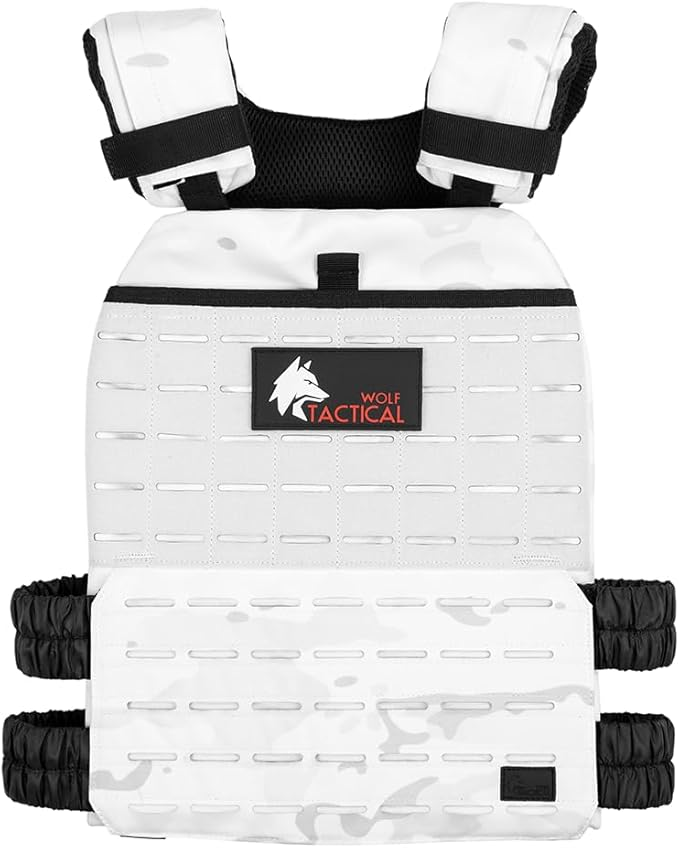
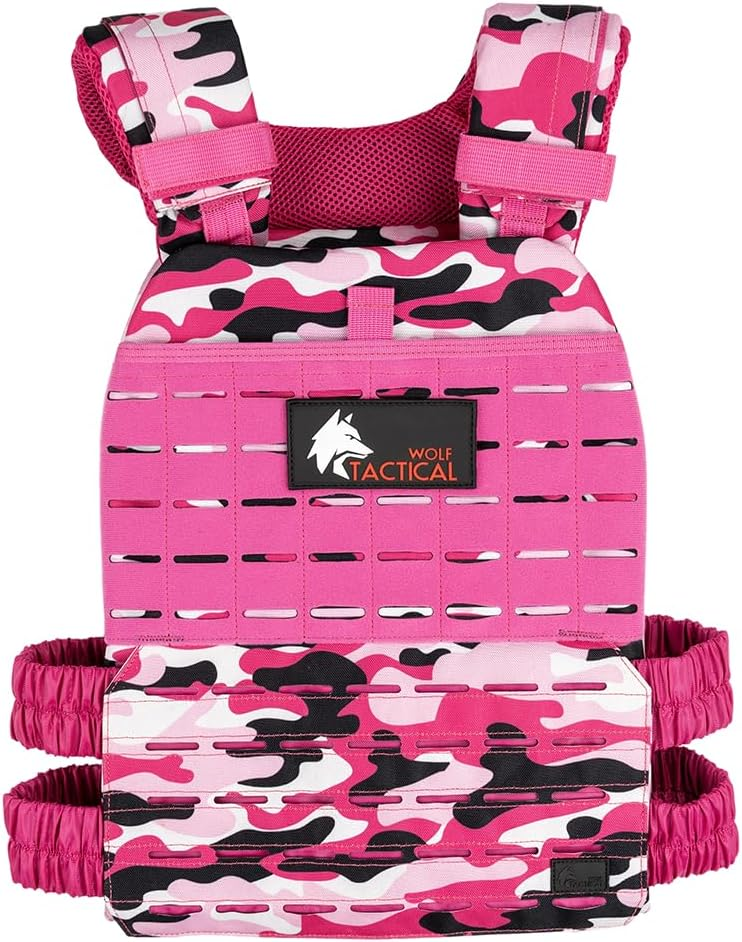
Not every vest accepts nonstandard plates. Check the pocket size and shape: thin, dense plates work best in low-profile vests. If your vest or ruck uses sandbags or soft inserts, consider encasing the plate in a pouch or using a slim steel or composite plate. The Yes4All plates are a good general option for ruck-style use because they fit many pockets and are affordable.

Fit tips
- Keep weight centered on your torso — too high or too low changes posture and increases fatigue.
- Secure plates so they don’t shift and create hotspots.
- Start with one 8.75 lb plate and evaluate comfort across 20–40 minute walks before increasing volume.
Programming with 8.75 lb plates
Use these plates for microprogression: add 8.75 lb when a session or week feels manageable. For example, if you currently ruck 3x per week for 45 minutes at bodyweight, add a single 8.75 lb plate for one session and assess soreness, pace, and posture. If everything stays clean for two sessions, make that your new baseline for a week or two.
Sample 4-week progression
- Week 1: Two bodyweight rucks + one ruck with one 8.75 lb plate (40–50 minutes).
- Week 2: Two rucks with one 8.75 lb plate, one bodyweight recovery walk.
- Week 3: Add a second 8.75 lb plate to one ruck (17.5 lb total) if form holds.
- Week 4: Maintain volume, evaluate pace and recovery — adjust as needed.
Safety, comfort, and recovery
Microloading reduces injury risk but doesn’t eliminate it. Prioritize sleep, hydration, and easy days. If you feel sharp pain around shoulders, lower back, or hips, remove the plate and reassess strap tension and distribution. For long rucks carry spare padding or use a ruck designed for load transfer.
Estimate calorie burn and plan targets
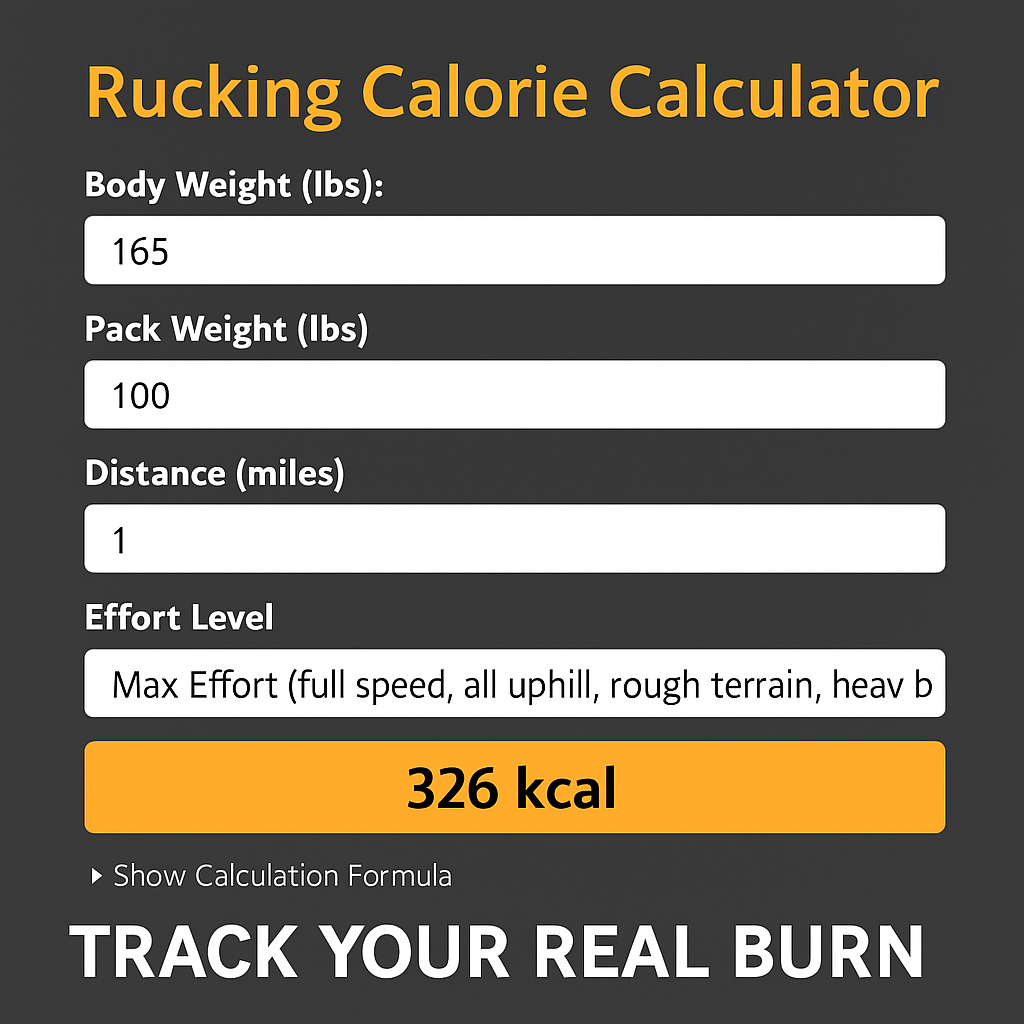
Want to know how an added 8.75 lb will change your calorie burn for a given ruck? Use the rucking calorie calculator to get realistic estimates and adjust nutrition or session length accordingly.

That tool is the fastest way to see how small plate increases influence total burn and weekly energy balance. Use it to set achievable, measurable goals instead of guessing.
Final practical tips
- Prefer a single 8.75 lb plate for gradual progress; pair with foam padding if it feels sharp.
- Rotate vest or ruck placement across sessions to avoid constant pressure in one spot.
- Track perceived exertion and pace — those change more slowly than the scale but matter for long-term adherence.
Small plates like an 8.75 lb option are a trainer’s tool: conservative, controllable, and sustainable. Use them deliberately and you’ll eke out gains while staying healthy and consistent outdoors.