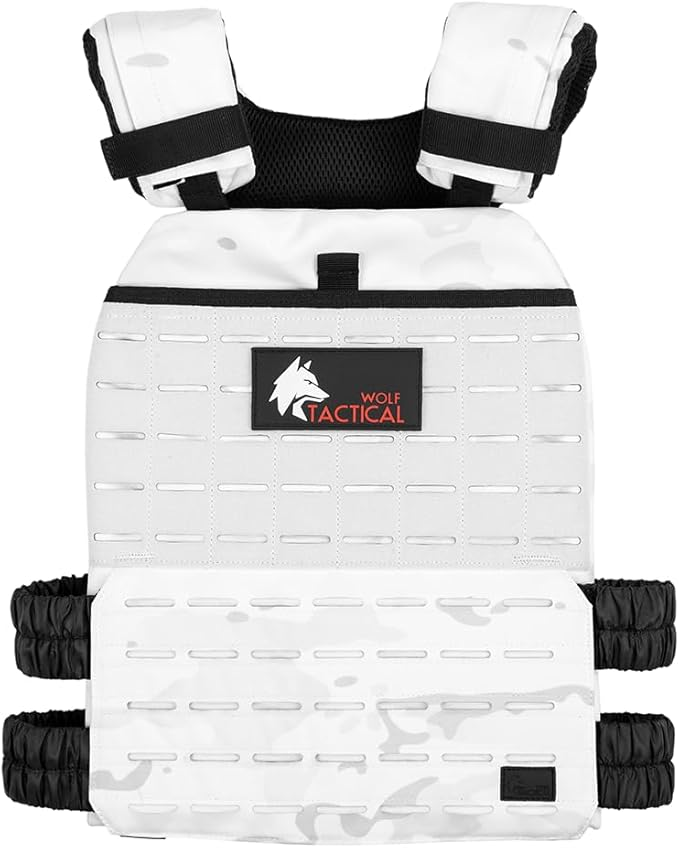
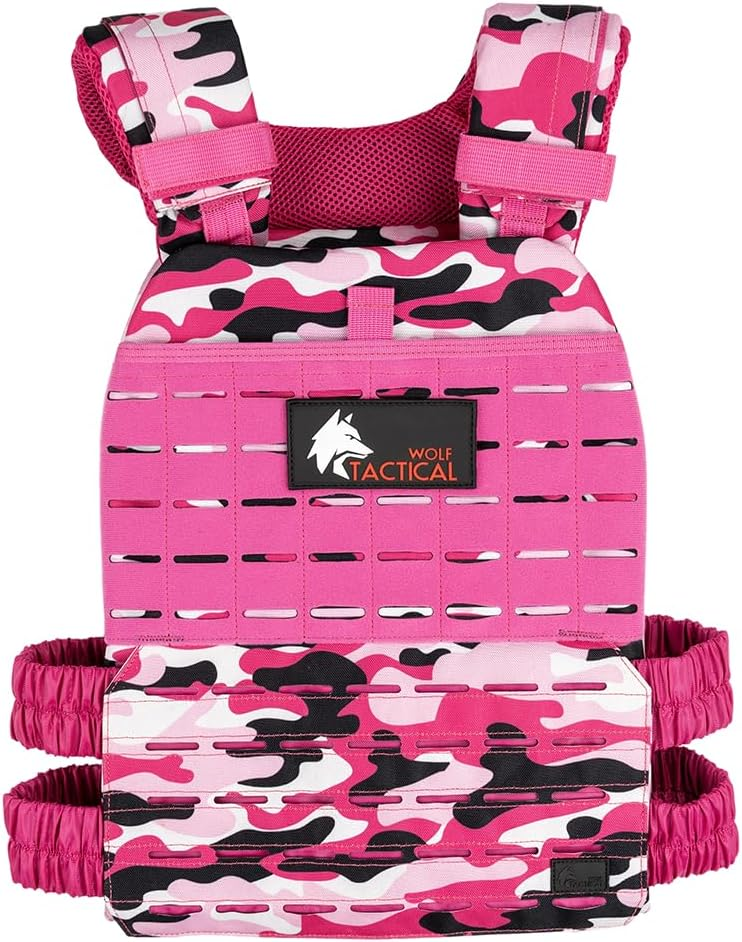
Why an Olympic plate vest?
An Olympic plate vest changes how you load the body compared with standard soft-weight vests. You get a predictable, incremental loading system that plays well with barbell work, weighted carries, and outdoor rucks. As an ISSA-certified coach and founder of this site, I use plate-loaded vests myself for heavy conditioning and controlled progressive overload. I also lost 90 lbs through consistent rucking, weighted-vest training, and disciplined nutrition, and I still recommend plate and plate-compatible vests as reliable tools to build strength and preserve leanness.
Core benefits
Use an Olympic plate vest to:
- Load the torso precisely and increase intensity without changing tempo.
- Combine strength and conditioning—squats, lunges, sled pushes, loaded carries.
- Train safely with metal plates that sit low and central versus loose weights.
Safety and fit
Fit matters. An Olympic plate vest should hold plates snugly so they don’t shift during bounding and sprint work. Move with a mirror or film short sets to confirm plates remain seated and don’t torque your hips. Start light: if you’re new to plate loading, treat the vest like a new exercise and reduce normal working sets by 30–50% until movement patterns feel normal.
Quick safety checklist
- Inspect plate pockets and seams before every session.
- Start with a single plate and assess balance on walking lunges or a short ruck.
- Use plates with flat surfaces (Olympic plates work best) so they don’t roll.
- Respect gradual progression—add 2.5–5% of bodyweight per 2–4 weeks depending on tolerance.
Programming with an Olympic plate vest
There are three practical ways to use a plate vest in your plan: strength-focused sessions, conditioning circuits, and rucking/loaded walks.
Sample session ideas
- Strength: 5 sets of 5 goblet squats or step-ups wearing the vest. Keep reps clean and pause at the bottom if needed.
- Conditioning: 8 rounds of 45 seconds on / 15 seconds off—bodyweight burpees, rows, and 50m ruck sprints with the vest.
- Ruck: 30–90 minute weighted walk with plates in a vest or carrier to build durable conditioning without pounding the joints.
What gear I recommend
For heavy, strength-based loading I favor plate-capable systems built for durability. The Kensui EZ-VEST® MAX V2 is purpose-built for very heavy work; it’s designed for plates and long-term durability. For individual plates you can add, the Yes4All Ruck Weight Plate line gives predictable increments and pairs well with plate vests or plate carriers.


Track calories and progression
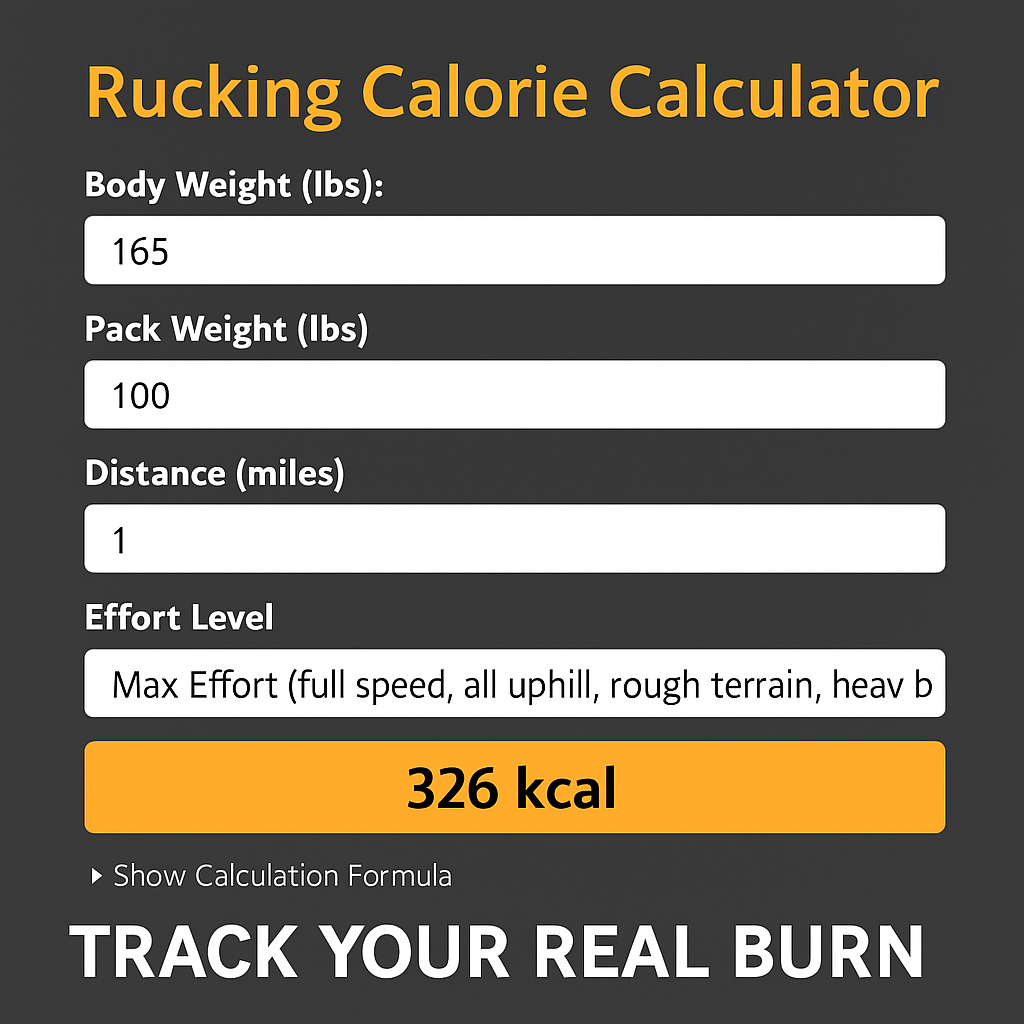
When you add plates, your work output changes. Use the rucking calorie calculator to estimate how many extra calories you burn during weighted walks and conditioning sessions. It’s a practical way to dial nutrition for fat loss or performance while you increase load gradually.

Final notes
Olympic plate vests are tools—use them to make strength and conditioning more measurable and repeatable. Start conservative, prioritize movement quality, and progress plates in small steps. If you’re unsure about programming or how plates will affect a rehab or pre-existing issue, consult a trainer and treat the vest like you would any heavy implement: with respect and intention.