Choosing weights for 5.11 vest
When people ask me what to load into a 5.11 TacTec Trainer vest, they mean two things: what weight increments give consistent progress, and how to distribute that mass so the vest stays comfortable and functional for conditioning or rucking. This guide is practical, field-tested, and built from real sessions with athletes and clients.
Know your goals first
Your best weight choices depend on whether you want aerobic conditioning, strength endurance, or workout-specific overload. For long rucks, you want lighter, stable plates that sit low. For short, intense circuits you want dense plates that keep the vest compact and allow range-of-motion.
Recommended plate types and increments
Start with small, predictable jumps. I recommend plates in 2.5–5 lb increments for gradual progress, with heavier plates available for strength work.
- Beginner progression: 5–10 lb total, increasing by 5 lb every 2–3 sessions.
- Intermediate conditioning: 15–30 lb total, using distributed plates to avoid pressure points.
- Heavy strength/short circuits: 30–60+ lb, prefer dense plates that keep volume low and center of mass near the torso.
Why TacTec-style vests like 5.11 need thoughtful plates
The 5.11 TacTec Trainer vest is built for mobility. Use plates that won’t shift and won’t bunch. Thin, flat steel or dense polymer plates are ideal. Avoid soft, shifting weights for anything beyond casual walking—those will move and create hotspots.
Loading patterns and comfort tips
Proper loading matters more than total weight. Aim for even front/back balance and consider the following practical setup tips:
- Distribute mass across the torso to avoid lower-back torque.
- Place the heaviest plates centrally for circuits; spread them out a bit for longer walks to reduce pressure.
- Use small filler plates or sandbags only as a temporary solution—rigid plates are safer long-term.
Product options I recommend
If you want a ready-made option tuned to the TacTec system, the 5.11 TacTec Trainer Weight Vest is an obvious choice. It accepts trainer plates and keeps load compact for calisthenics and sprint circuits.

For budget friendly plates that work well in TacTec pockets, consider single plates in 5–10 lb sizes that are thin and flat.

Use the inline link when you’re ready to buy: 5.11 TacTec Trainer Weight Vest and Yes4All Ruck Weight Plate are both solid starting points depending on budget and goals.
Safety and progression
Increase load gradually. Watch posture, breathing, and movement quality. On longer walks, stop and check skin, hotspots, and strap tension every 30–60 minutes. If you’re new to weighted work, begin with two short sessions per week and add either time or 5 lb per session—not both.
Estimate how weight affects your burn
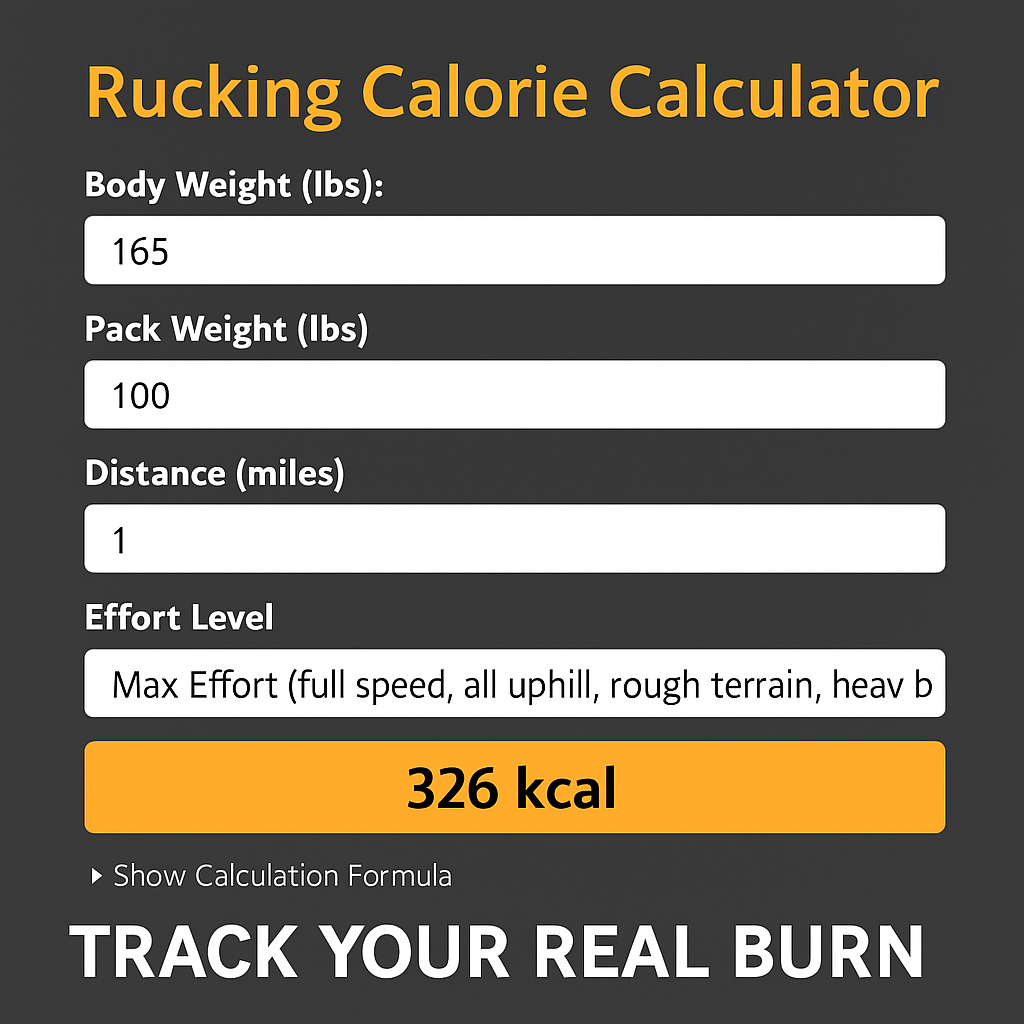
Want a quick estimate of how additional vest weight changes calories burned during a ruck or walk? Use the calculator below to plug in your load and pace.

As an ISSA-certified trainer and someone who lost 90 lbs through weighted-vest training and rucking, I recommend conservative increases and consistent sessions over chasing big jumps. Small, steady progress keeps you injury-free and makes the TacTec vest a reliable tool for conditioning and weight maintenance.