Why a weight jacket workout works
A weight jacket workout is simply weighted-vest training in jacket form: it moves load close to your center of mass so you can add resistance to walking, hiking, calisthenics, and circuit work without complex barbell progressions. Outdoors it’s one of the most practical ways to increase intensity while keeping movement patterns simple and durable.
Who should use a weight jacket
If you want to increase calorie burn on walks, improve hiking capacity, or make bodyweight moves harder without changing technique, a weight jacket is ideal. Beginners should start light and prioritize form; more experienced athletes can use heavier jackets for conditioning and strength work.
Basic progressions and a sample week
Follow these progressive steps over 6–8 weeks. Increase load only when you can complete the prescribed reps, sets, or time with solid technique and no joint pain.
- Week 1–2: Walks with 5–10% bodyweight, three sessions a week, 20–40 minutes.
- Week 3–4: Add a second walk day or switch one session to intervals (5 x 3 minutes brisk with 2 minutes easy) while keeping load constant.
- Week 5–6: Increase load 2.5–5% if walks and intervals feel manageable; add short strength circuits (push-ups, squats, plank) with the jacket for 2 sets of 8–12 reps.
- Maintenance: Rotate heavier and lighter weeks (3:1) to avoid burnout and joint stress.
Sample beginner session
- 10 minute warm-up: mobility and easy walking without jacket
- 20–30 minute walk with weight jacket at conversational pace
- 2 rounds bodyweight circuit (8–12 push-ups, 10 air squats, 20-sec plank)
- Cool down and soft tissue work
Safety, fit, and technique
Prioritize fit. The jacket must sit comfortably on your torso and not shift. If you feel rounded shoulders or lower-back pain, reduce load and re-check posture. Keep breathing steady on walks and maintain a slightly shorter stride than when unweighted to protect the knees. If you have prior knee, hip, or low-back issues, consult a clinician before loading.
Gear recommendation
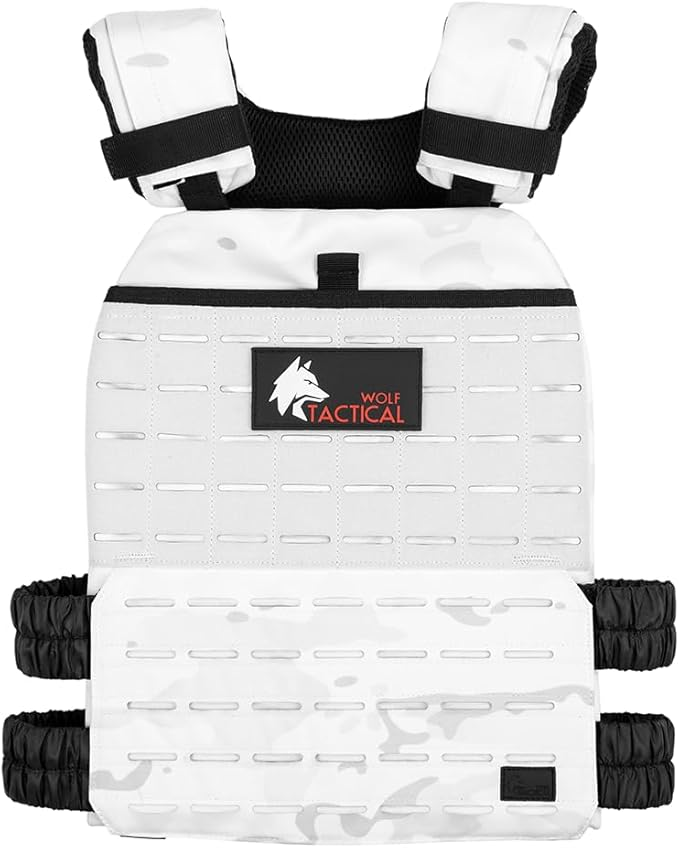
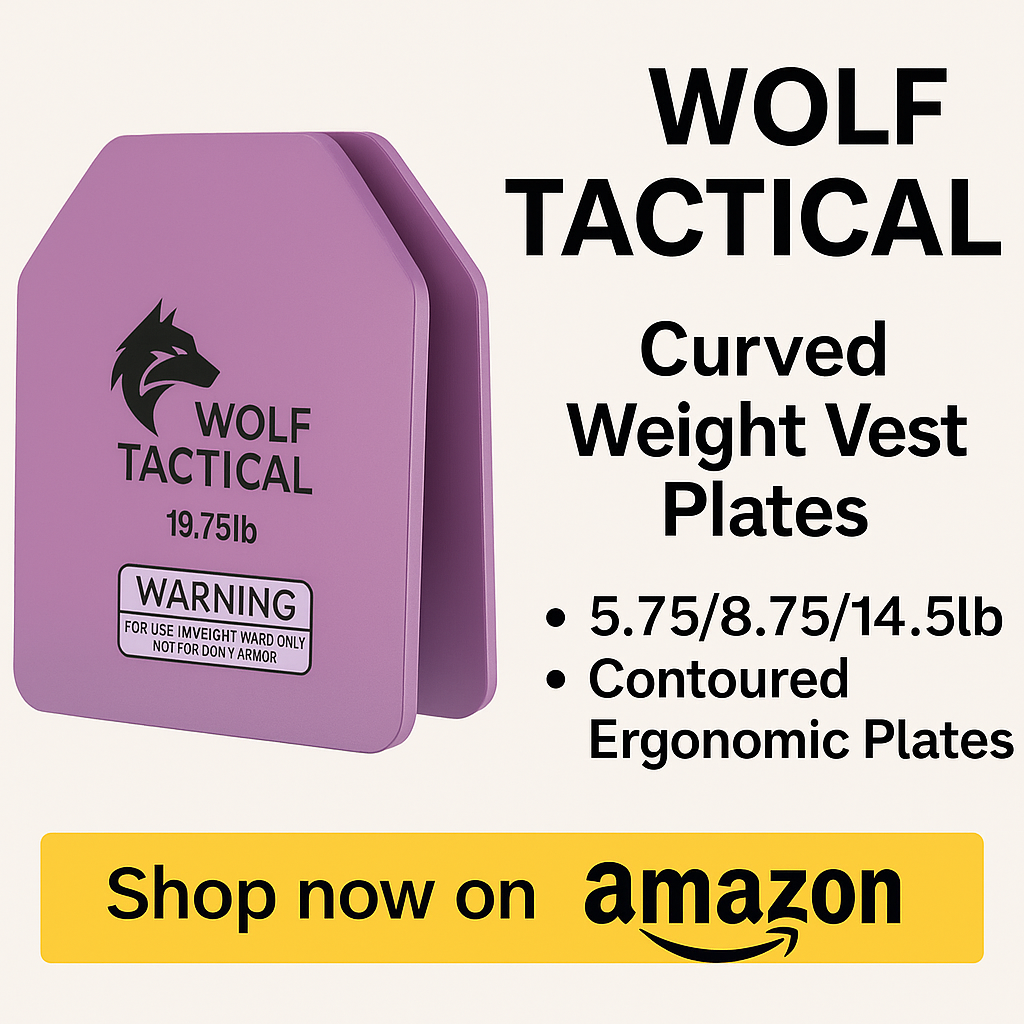
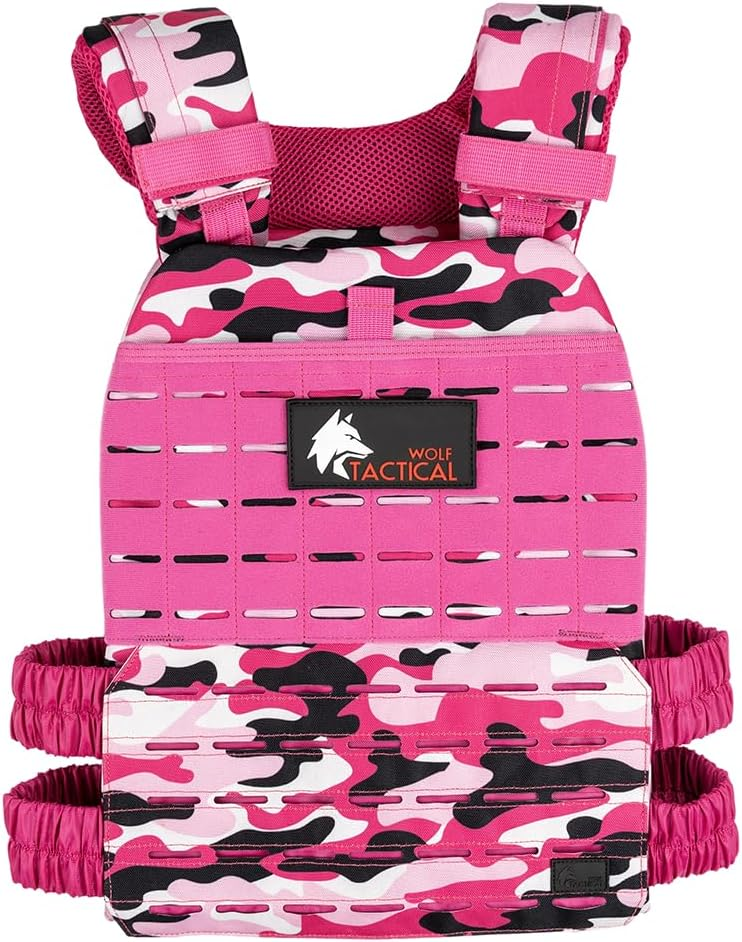
For beginner-friendly fit and durability I recommend the Wolf Tactical Simple Weighted Vest—it’s adjustable, low-profile, and comfortable for walking and circuits.

Estimate calorie burn
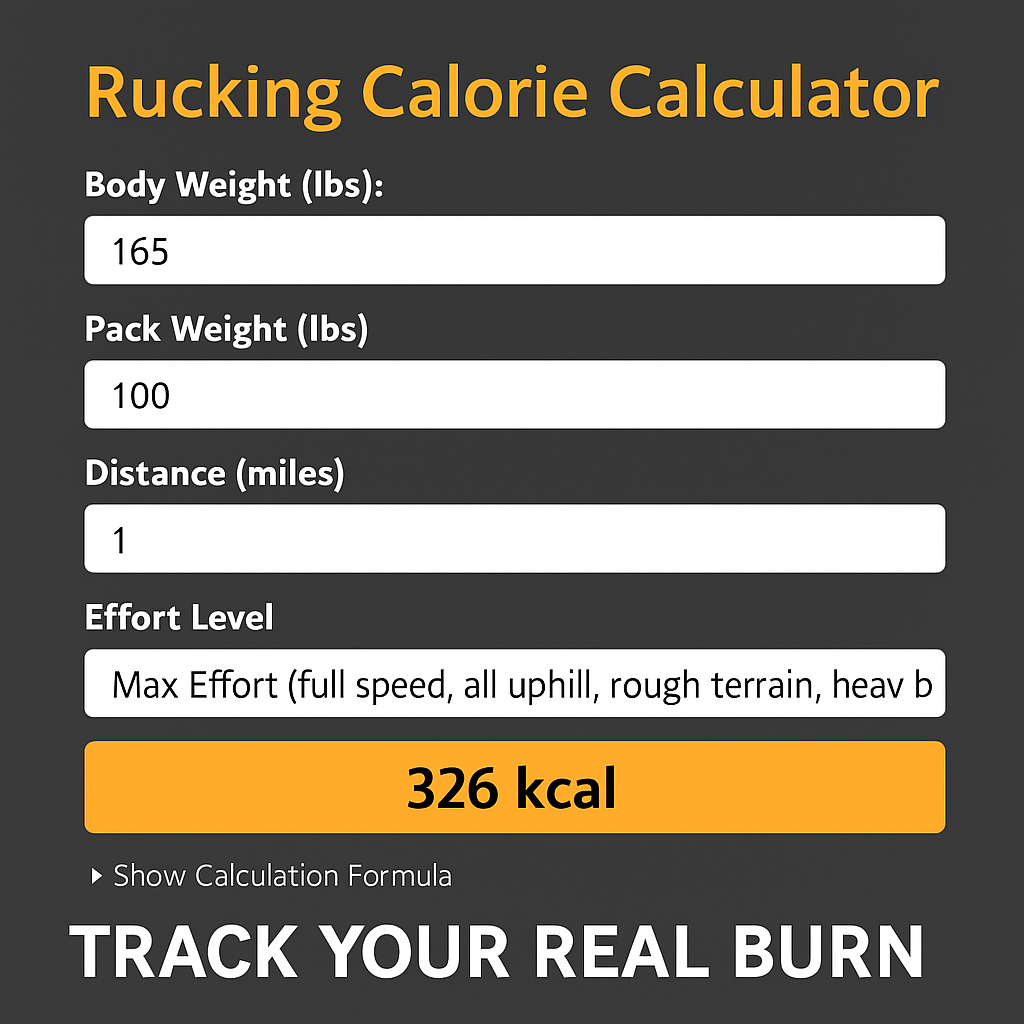
Calorie burn depends on bodyweight, speed, terrain, and jacket load. Use the rucking calorie calculator below to get tailored estimates for your walk or ruck. Plug in your weight, distance, and added load to see realistic numbers so you can program sessions for fat loss or conditioning.

Programming tips from experience
I recommend mixing steady-state weighted walks with one interval or strength session per week. Track load, time, and perceived exertion. If your goal is fat loss, consistent moderate-duration walks with a jacket are extraordinarily reliable when paired with sensible nutrition.
As someone who has coached and trained outdoors for years—Preston Shamblen lost 90 lbs through rucking, weighted-vest training, and disciplined nutrition—my advice is simple: start light, prioritize consistency, and treat the weight jacket as a tool to progress movement rather than a shortcut to intensity.