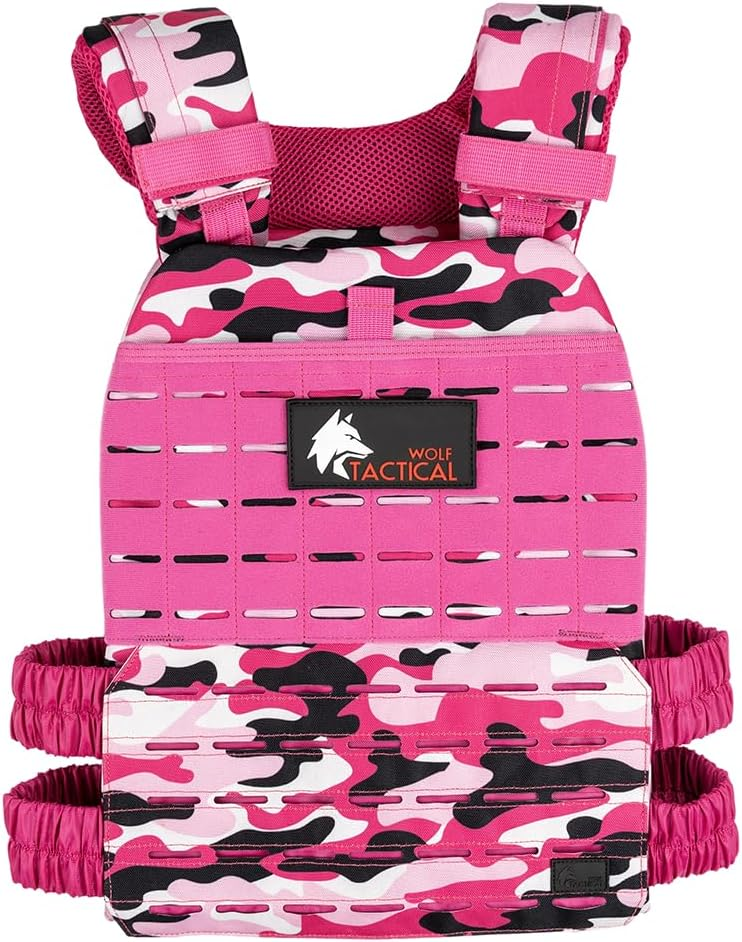
Why a calisthenics vest works
Adding external load to bodyweight work is the fastest, safest way to progress calisthenics beyond high reps. A calisthenics vest keeps weight centered on your torso, preserves natural movement patterns for pull-ups, dips, push-ups and pistol squats, and lets you adjust load precisely as you add sets, reps, or harder variations.
Key benefits
- Progressive overload without machines.
- Better balance than a backpack for dynamic moves.
- Easy to add or remove plates for microloading.
Choosing the right vest for calisthenics
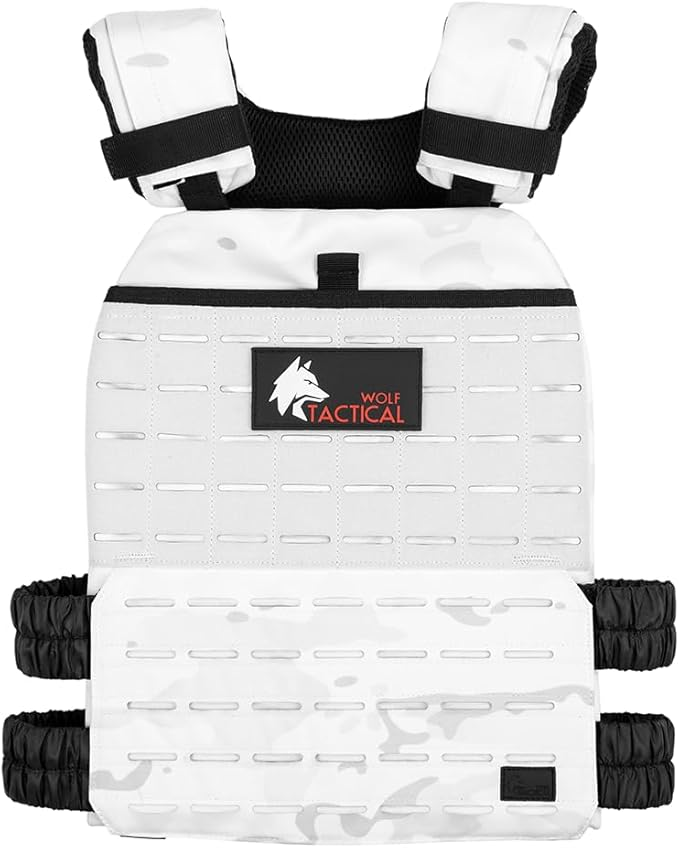
For heavy calisthenics work I prefer a plate-compatible vest that stays snug during explosive movements. If you want max loading for weighted pull-ups, muscle-ups and weighted pistols, consider the Kensui EZ-VEST® MAX V2—it’s built to carry a lot of weight and keep it stable across dynamic reps.

If you want a trainer-friendly, lower-profile option for higher-rep strength-endurance work, the 5.11 TacTec trainer vest is a durable compromise. I use both depending on the session: heavy days get the Kensui; conditioning and skill days get the TacTec.

Programming with a calisthenics vest
Below are practical progressions and session ideas. Treat the vest like you would a barbell load: increase gradually and track rep quality.
Sample beginner-to-intermediate progression
- Weeks 1–3: Add 5–10% bodyweight across 3 sets of 6–8 controlled reps for pull-ups and dips.
- Weeks 4–6: Increase to 3–5 kg increments (or one plate) once you can do 3×8 clean reps.
- Heavy phase: Work up to 3–5 sets of 3–5 reps for strength-focused weeks; deload every 4th week.
Movement combinations
- Weighted pull-ups: 3–5 sets, 3–8 reps.
- Weighted dips: 3–5 sets, 4–8 reps.
- Weighted decline push-ups or push-up with vest: 3–4 sets of 6–12 reps.
- Pistol squats or weighted lunges: 3–5 sets of 3–8 reps per leg.
Safety, fit, and tips
Ensure the vest fits snugly so the load doesn’t shift during reps. Microload in small increments—it’s common to stall because athletes jump weight too fast. Rest and mobility are part of progression: loaded training increases joint stress, so schedule recovery and technique days.
Quick checklist
- Start light—add weight only when reps remain strict.
- Use chalk or straps for heavy pull-ups when necessary.
- Keep torso and scapular control; avoid shrugging through reps.
Calculate the right load
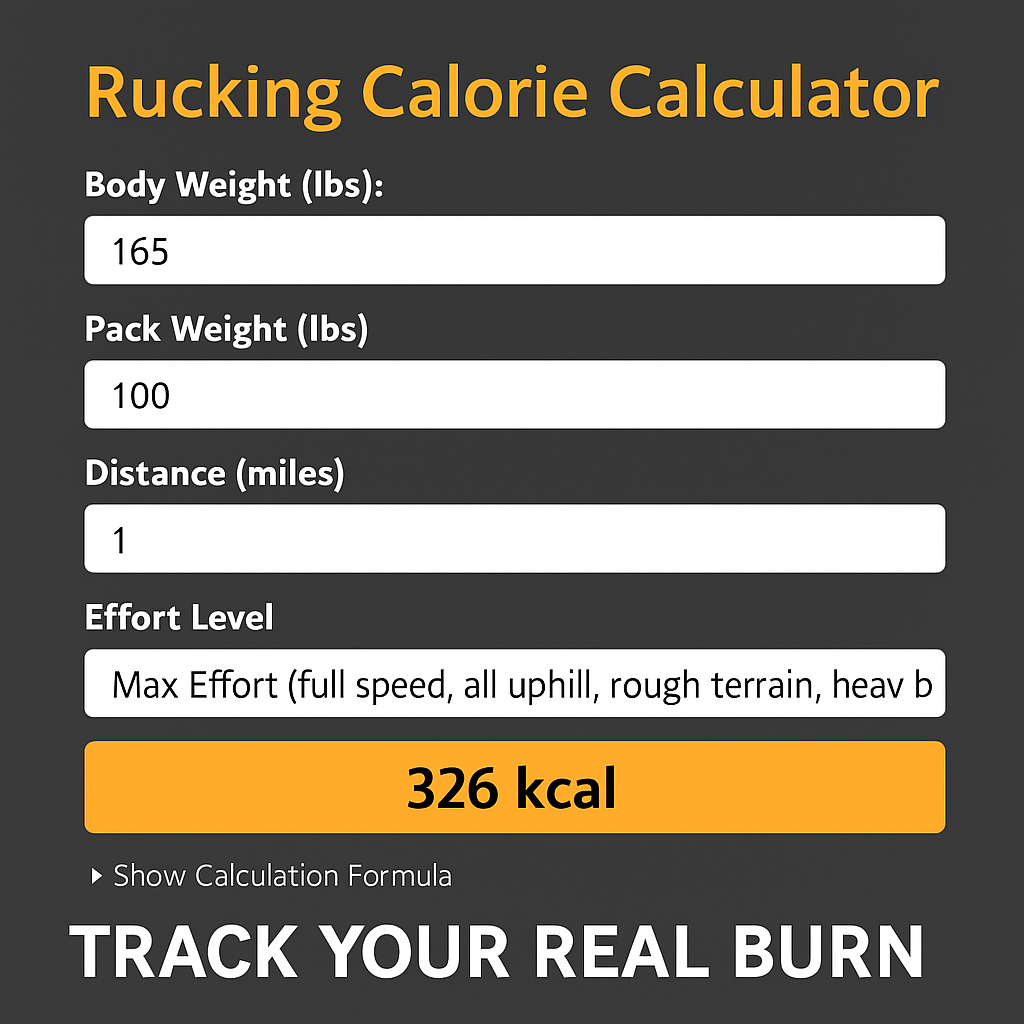
Want an evidence-backed estimate of calories burned or to compare how adding weight changes workload? Use the rucking calorie calculator below—the same tool I use to gauge session density with a weighted vest.

That calculator helps you estimate session burn and adjust nutrition around heavier calisthenics training.
Bottom line
A calisthenics vest is a simple, powerful tool to turn bodyweight training into real strength work. Choose a stable, plate-capable vest for max loading, progress slowly, and treat the vest like any other resistance tool: consistent, measured increases yield the best results without injury.